r/BiohackingForBeginner • • Oct 21 '26
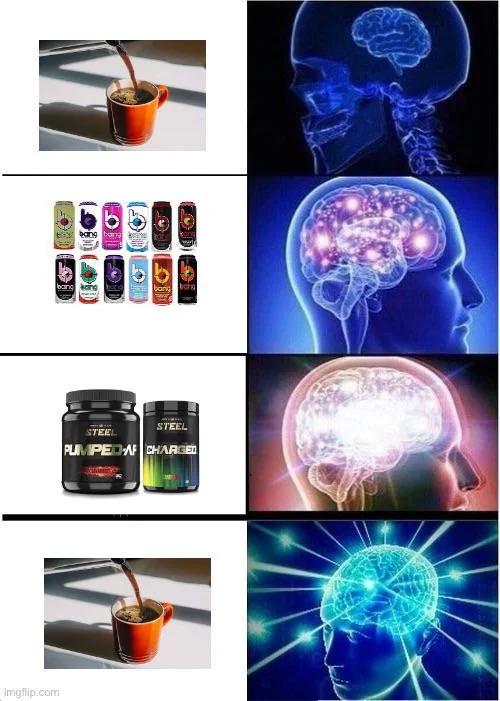
my brain when i try to sleep

3
Upvotes
r/BiohackingForBeginner • u/ParisTone • Oct 20 '26
Enable HLS to view with audio, or disable this notification
I've been constantly struggling on choosing the best option for losing fat, because of my inconsistencies and lack of commitment. Here I am again, trying to find ways to lose fat. How about you guys
r/BiohackingForBeginner • u/muffionfon • Oct 20 '26

r/BiohackingForBeginner • u/CryptographerNew7618 • Oct 20 '26
One thing I find confusing about biohacking is that almost every supplement seems to have positive reviews and convincing explanations behind it.
But anecdotes, marketing claims, and actual scientific evidence aren't the same thing.
For people who have been into biohacking for a while, how do you evaluate a supplement before spending money on it?
Do you look at randomized controlled trials, systematic reviews, dosage used in studies, potential side effects, or whether the supplement addresses a specific need?
I'd also like to understand how you decide when a supplement is unnecessary because sleep, nutrition, or another basic habit needs attention first.
What simple framework would you recommend to a beginner who wants to avoid wasting money or taking unnecessary risks?
r/BiohackingForBeginner • u/CryptographerNew7618 • Oct 20 '26
I'm interested in biohacking, but the amount of information online is honestly overwhelming.
One person recommends supplements, another recommends fasting, someone else talks about cold plunges, expensive wearables, nootropics, or advanced blood tests.
For someone just starting out, how would you separate genuinely useful habits from unnecessary complexity?
Would you begin with sleep consistency, exercise, nutrition, morning light exposure, or something else?
I'd also like to know which beginner mistakes are worth avoiding. Is there anything you tried early on that turned out to be a waste of money or effort?
I'm looking for practical, affordable, evidence-based starting points rather than an elaborate routine.
r/BiohackingForBeginner • u/ParisTone • Oct 20 '26

Which one is the hardest to achieve, Clear Skin or Toned Body? What you guys think?
r/BiohackingForBeginner • u/anonymous_being57 • Oct 20 '26
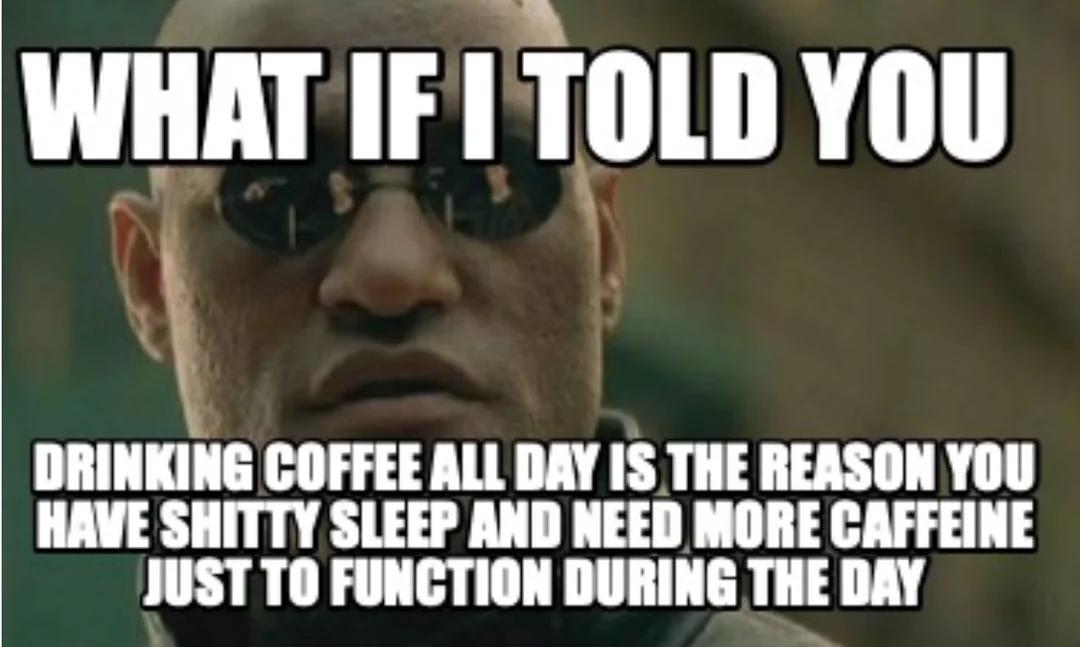
turns out coffee was the only thing keeping my inner demons behind bars
removing it just let the gremlins out early, 0/10 do not recommend:((
r/BiohackingForBeginner • • Oct 20 '26
Tracked this over the last month after noticing my resting heart rate was consistently elevated until 2 AM.
Shifted my last meal from 8:30 PM to 6:30 PM. Deep sleep jumped from under 40 minutes to over an hour almost immediately, and waking resting heart rate dropped by 4 bpm.
Did anyone else find late digestion was secretly destroying their recovery numbers, or is your sleep resilient to late eating?
r/BiohackingForBeginner • u/Ok-Nothing-1710 • Oct 20 '26
I recently learned that the brain can change how it processes pain based on experience, attention, and expectations.
It made me wonder how much control we actually have over pain perception through training, meditation, or other simple techniques.
Has anyone explored this through biohacking? What methods have you tried, and did you notice a real difference?
r/BiohackingForBeginner • u/itsdizzie1 • Oct 20 '26

bought the ring, the red light panel, then a cold plunge tub i used like 4 times. its a laundary hamper now... checked my HRV every morning and had no idea what it ment started walking 20 min after dinner cuz i was bored sleep got way better and the 3pm crash mostly went away. kinda annoying tbh what was your dumb free thing that beat everything you paid for?
r/BiohackingForBeginner • u/Particular_Hat_7657 • Oct 20 '26
My sleep routine is pretty consistent, I go to bed on time, wake up at the same time, and get my full eight hours.
The only thing that throws me off is the occasional big life event. My brother’s wedding recently disrupted my entire schedule.
That’s why I’m interested in emerging sleep tech, especially devices that aim to improve deep sleep through neurostimulation. I’m keeping an eye on this one and curious to see whether the science holds up.
r/BiohackingForBeginner • u/Ethicalhavk • Oct 19 '26

I came across a story about a Stanford researcher whose wearable data showed changes months before he died from cardiac arrest.
His HRV dropped, resting heart rate increased, and sleep and walking capacity declined—even though he was still exercising intensely.
It made me wonder: Are we using smartwatches just to track our fitness, or could they help us notice when something is wrong?
I know wearable data can't predict cardiac arrest, but the patterns are interesting.
Have you ever noticed a health change through your smartwatch that you might otherwise have ignored?
https://news.stanford.edu/stories/2026/09/wearable-data-cardiovascular-risk-research
r/BiohackingForBeginner • u/elmanfil1989 • Oct 19 '26
Saw this Healing Arts NYC post by Dr. Alicia Armitstead from Oct 14 2026. It lists 11 biohacks for health and habits. Here is the everyday English version.
Source check: Wellness blog, not a peer reviewed study. Some tips are common sense. Muscle testing is the controversial part.
Sleep: The post says good sleep helps recovery and productivity.
Blue light: Use blue light blocking glasses or device settings at night so your nervous system does not get pumped up.
Screen curfew: Even with blue light blockers, try to stop screens and TV about one hour before bed.
Bedroom: Keep it dark, quiet, and cool. The post suggests about 60 to 67 F.
Bedtime supplements: If sleep is still rough, the post says get muscle tested to find the right bedtime supplements.
Muscle testing: This is applied kinesiology. The blog author offers this service. It is not well supported by strong science for picking supplements.
Cold exposure: Cold showers or ice baths are pitched for metabolism, circulation, and recovery.
Intermittent fasting: The 16/8 method is pitched for energy and mental clarity.
Focus supplements: The post again says get muscle tested to see what your brain and nervous system need.
HIIT: High intensity interval training is pitched for heart health and fat burning.
Mindfulness: Meditation and apps like Headspace or Calm are suggested for stress.
Tracking: Habit apps and fitness wearables are suggested so you can see progress.
Energy and immunity supplements: Vitamin D, magnesium, and omega 3s are mentioned. Muscle testing is suggested for more specific guidance.
Biofeedback: Devices like Muse or HeartMath are suggested for stress management.
Food and water: Mindful eating and hydration are recommended. Muscle testing is suggested for food sensitivities.
Mindset: Positive thinking and visualization are pitched as ways to rewire your brain for success.
Bottom line: Some tips are normal healthy habits. The muscle testing stuff is the part to be skeptical about, especially since the blog is from a practitioner who sells that service.
Note: I use AI tools to assist for better explanation
r/BiohackingForBeginner • • Oct 19 '26
Intermittent fasting is a pattern of eating that alternates between periods of eating and periods without food. Unlike traditional diets that focus on what people eat, it focuses mainly on when they eat. Scientists study it to understand how meal timing influences metabolism, energy regulation, and the body's internal biological clock.
r/BiohackingForBeginner • u/Antique-Category7664 • Oct 19 '26
my uncle's been on it for like 4 months for his sugar and weight. last week at a wedding he just didn't drink. no effort, he said he looked at the bar and felt nothing. this is a guy who had 2 pegs every single night for 20 years so is it the drug or is it just that he's eating less and feels full all the time? someone told me it messes with the dopamine thing but that sounds like one of those things people say without knowing anyone know if there's actual research on this
r/BiohackingForBeginner • • Oct 19 '26
Seeing clutter on your desk forces your brain to process background distractions, even when you think you are ignoring them. Constant visual mess creates subtle mental noise that tires your focus over time. Taking just two minutes at the end of every day to clear your workspace gives your brain a clear signal that work is finished. Starting the next morning with a clean desk lets you dive straight into deep focus without feeling subtly overwhelmed before you even begin.
r/BiohackingForBeginner • u/SuchBelt6493 • Oct 19 '26
r/BiohackingForBeginner • u/muffionfon • Oct 19 '26
r/BiohackingForBeginner • • Oct 19 '26
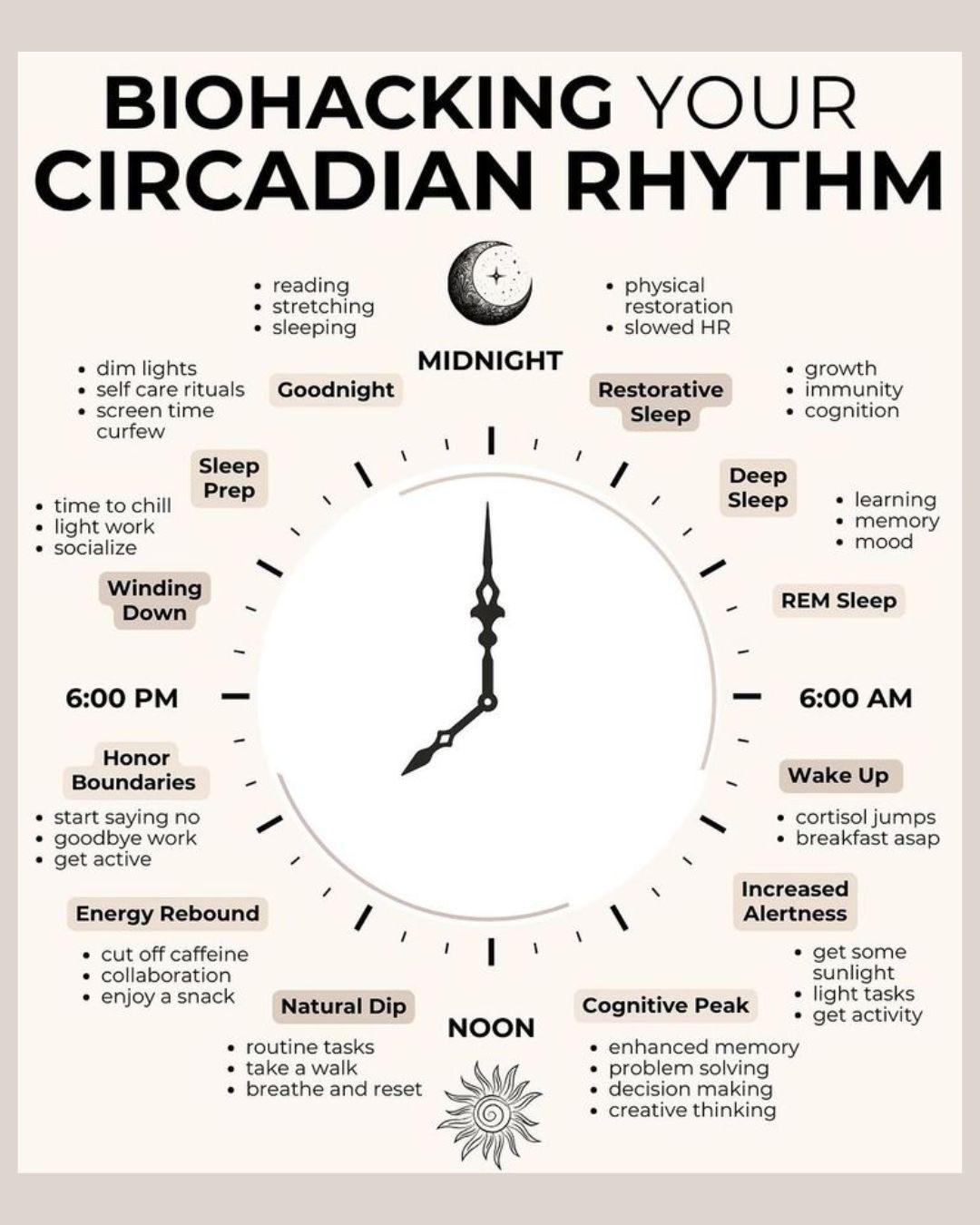
When you started improving your sleep quality and clearing morning brain fog, which daily habit actually gave you consistent and noticeable mental clarity and what sleep hacks had no effect for you?
r/BiohackingForBeginner • • Oct 19 '26
When you sit at a desk for hours, your brain naturally slows down and focus starts to drift. Splashing cold water on your face triggers a fast biological reaction that immediately slows your heart rate and redirects fresh oxygen to your brain and core organs. This quick nerve stimulation acts like a gentle physical reset button, sharpening your alertness without the quick jitters or afternoon crash that comes from another cup of coffee. It takes ten seconds and instantly clears away midday brain fog.
r/BiohackingForBeginner • • Oct 19 '26
Think of your brain like a bustling city center during the day. Hundreds of billions of neurons are constantly working, firing signals, and creating metabolic trash that accumulates on the metaphorical streets.
During the day, your brain is too busy running normal operations to clean up. But when you drift into deep sleep, a specialized biological system acts like a late night street sweeping crew. The spaces between your brain cells actually expand by about sixty percent, allowing cerebrospinal fluid to wash through the tissue and sweep away metabolic waste products that build up while you are awake.
If your deep sleep gets cut short or continuously interrupted, that street sweeping crew gets recalled before the job is finished. You wake up with leftover biological debris sitting in your neural pathways, which shows up as physical fatigue, heavy eyes, and persistent morning brain fog.
What simple sleep adjustment made the biggest difference in your sleep quality?
r/BiohackingForBeginner • u/Hour-Aardvark9637 • Oct 19 '26

Good resluts
r/BiohackingForBeginner • u/Glad-Accountant1136 • Oct 19 '26
I recently got interested in how small lifestyle changes can affect the brain. Things like getting enough sleep, going outside in the morning, staying hydrated and taking short breaks while studying seem simple, but they may have a real impact on concentration and memory.
Sleep is especially interesting because the brain processes and strengthens memories during sleep. Morning light can also help regulate our body clock, which affects when we feel awake or sleepy.
I wonder if these basic habits can make a noticeable difference in daily mental performance over time. Has anyone explored the science behind these methods or tried tracking their effects?
I would be interested to hear about research or personal experiences, especially from people who focus on evidence-based biohacking.