r/BrandingPRMarketing • u/sunniesuny • 4h ago
Help Me To Find a Name for My Small Business
reddit.com
0
Upvotes
r/BrandingPRMarketing • u/DebateNo5802 • 23d ago

r/BrandingPRMarketing • u/PulpFriction1 • Oct 21 '26
I run a small LinkedIn marketing agency, and as our client roster has expanded, my team is trying to find ways to streamline scaling content creation without sacrificing quality.
We’ve tested a few different options for a LinkedIn post generator over the last few months, but honestly, we haven't liked any of them. The main problem is the results all look so obviously AI - supersmooth and unnatural. It ruins the brand credibility.
Some of our clients are 7-figure businesses, so putting out fake-looking LinkedIn visuals or generic copy is a disaster. Not only that but they hardly convert or get engagement.
We’re trying to find a reliable tool (or stack) to speed up post drafting, but we need really unique/authentic looking visuals.
For anyone running an agency or managing high level branded accounts:
Appreciate any recommendations or workflows that have worked for you guys!
r/BrandingPRMarketing • u/123456789bea • Oct 16 '26
I've received a couple of offers to join an agency to help connect with brands but honestly after reading stuff here I'm just motivated to get the jump and try to talk to brands myself. Just curious if there's anything you've observed from a brand agency that works and you've taken in your own workflow (so it looks legit and all). I wanna take my notes so I know I'm on the right track
r/BrandingPRMarketing • u/Academic-Brief-5995 • Sep 16 '26
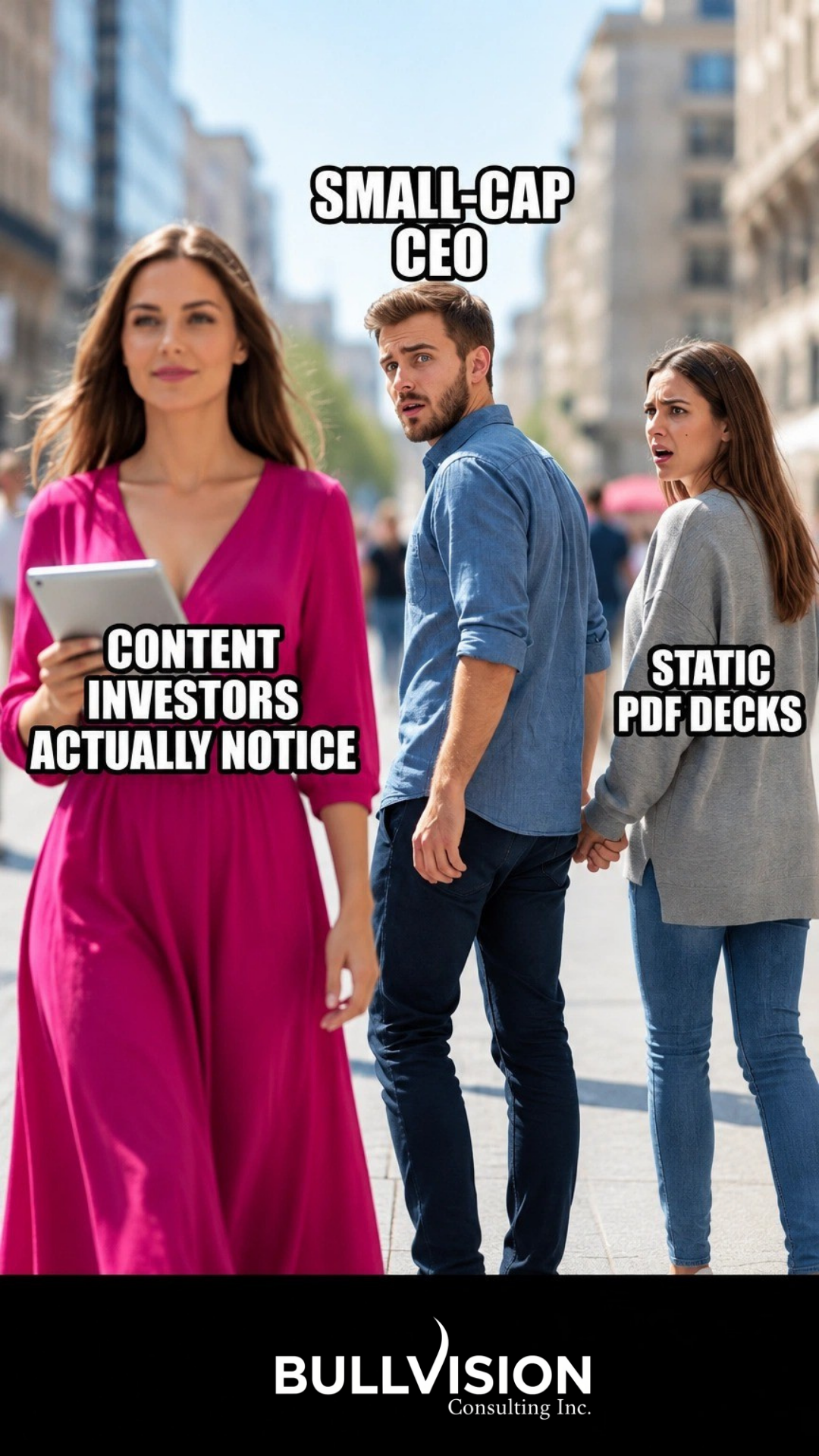
I work with small-cap public companies, and I still see many companies expecting one investor deck to tell the whole story.
The deck matters. But investors don’t experience a company through one PDF anymore.
They search. Scroll. Watch interviews. Read news releases. Look at the CEO’s presence. Check social channels. Then they start connecting the dots.
Same company.
Same fundamentals.
More ways to get found, understood and remembered.
To me, that’s where investor communications and brand increasingly overlap.
Curious how the branding people here see it: is the static corporate deck becoming less important, or has its role just changed?
r/BrandingPRMarketing • u/CatWeak2936 • Sep 14 '26
Hi! I'd love to collaborate more with brands, but I don't know how to get on their PR lists. My niche is beauty, skincare, and hair care. It feels hard to collaborate in Europe, whereas in the US there seem to be more opportunities. Can you give me some suggestions and emails? Or maybe websites/apps dedicated to European influencers? Thanks!
r/BrandingPRMarketing • u/PostGoo • Sep 08 '26
I want to share something we have been building for a while and finally feels ready.

A few years ago I was working with a brand that got hit by a PR crisis.
Not because crises happen, they always will. But because the team found out too late. And that is 100% a tooling problem.
So we started building ElixBrand. Not as a side project. As the thing we genuinely wished existed.
The idea was simple: branding, PR and marketing all need the same thing. To know what people are saying, where they are saying it, and what it actually means for the brand. In real time. Not the next morning.
After a lot of iterations, here is where we landed:
You get real-time monitoring across news, forums, social media, podcasts, YouTube, Reddit and more. Crisis alerts in under 3 minutes. A Brand Health Index that turns all that noise into one clear score. GEO audits that tell you if ChatGPT or Perplexity is recommending your brand when someone asks. And for agencies, fully white-label reports you can send to clients under your own branding.
We just launched. Still a small team. Still learning.
If you work in PR, branding or marketing and you have 10 minutes, I would genuinely love to hear what you think. Free trial is live at ElixBrand , no credit card needed.
And honestly, what is your current process when a PR situation starts developing? I am curious how different teams handle it.
r/BrandingPRMarketing • u/matt8p • Aug 27 '26

Hey y'all, I'm doing competitive analysis for a SaaS client, looking for help on what I'm missing for a good analysis.
For context, I do consulting and write monthly competitive analysis reports to clients. They want to track what their competitors are doing in public, factor in that information when planning roadmaps, running ad campaigns etc.
Some of the things that I'm including in my report to them:
This is just a sample competitive analysis report with the same format, not an actual one we did for a client.
https://www.415brand.com/samples/wispr
I'm wondering if there's any other types of analysis I'm missing that would be really valuable for a SaaS founder. It'd mean a ton if you could take a look and offer some feedback on my format of reporting.
r/BrandingPRMarketing • u/MassahoHipsher-87 • Aug 23 '26
I’ve been helping with PR and marketing for a smaller brand, and we’re starting to look at influencer campaigns more seriously. I’m trying to find an influencer marketing platform that can help with things like discovering relevant creators, checking audience info, and managing campaigns without making the whole process a headache.
For those who’ve used one, what platform has actually worked well for your team, especially for finding influencers that are a good fit for the brand rather than just looking at follower counts? Would appreciate any recommendations or things I should watch out for. Thanks!
r/BrandingPRMarketing • u/Certain-Culture-8386 • Aug 04 '26
r/BrandingPRMarketing • u/SpecialistWarm2966 • Aug 03 '26
Hi I would really appreciate if any Gen Z people could fill in this survey for my research on perspectives around brand activism
r/BrandingPRMarketing • u/TIMHORTANS00 • Jul 30 '26
**Title: Need advice on cold emailing tools/tricks**
Hey everyone,
I’m trying to learn cold emailing and wanted to know if anyone can suggest some good tricks, strategies, or tools that actually work.
I’m looking for ways to:
Find and verify email addresses
Send personalized cold emails at scale
Improve open/reply rates
Avoid emails going into spam
Would love to hear what tools or methods you’ve personally used and found effective. Thanks!
r/BrandingPRMarketing • u/Own_Mushroom_5686 • Jul 29 '26
mainly cus they often have a high follower count requirement, either that or there are hardly any brands in the app to apply to in the first place.
so far Afluencer is the only app that has been working out for me but it puts a limit on how many brands u can apply/reach out to at a time.
r/BrandingPRMarketing • u/cedricstudio • Jul 15 '26

Last month Hershey's snack brand Pirate’s Booty launched a refresh of their mascot, which is always risky. Since I’m a professional illustrator and mascot designer I shared a few thoughts on what works and what doesn’t?
r/BrandingPRMarketing • u/Certain-Culture-8386 • Jul 14 '26
Hi everyone, I'm looking to increase visibility for both my brand and my clients' brands through sponsored content and press release placements on premium publications. If you have contributor access or can help secure placements on reputable websites, I'd love to connect. We can discuss pricing and budget via DM. Thanks in advance, I look forward to hearing from you!
r/BrandingPRMarketing • u/guillermobranding • Jul 14 '26

I'm currently developing the visual identity for a fictional specialty coffee brand called Pistacho's. Instead of stopping at a logo, I wanted to explore what happens when the identity becomes a complete visual system.
The images show different touchpoints:
My goal wasn't simply to make everything "look consistent."
It was to create a visual language that could make someone recognize the brand before consciously reading its name.
To me, that's where branding begins.
A strong identity isn't just a logo repeated everywhere. It's a system of colors, typography, shapes, illustrations, photography style, composition, and tone that work together across every customer touchpoint.
When those elements are designed as one coherent ecosystem:
I've noticed that many businesses invest heavily in a logo but treat everything else as separate design projects. The result is often a brand that looks different every week, depending on who created the latest post or advertisement.
I'm interested in hearing how other designers approach this.
At what point do you think a brand stops being "just a logo" and starts becoming a true identity system?
I'd love your feedback on these concepts—not only from an aesthetic perspective, but also whether you think the overall system feels cohesive and memorable.
Looking forward to the discussion.
r/BrandingPRMarketing • u/guillermobranding • Jul 13 '26
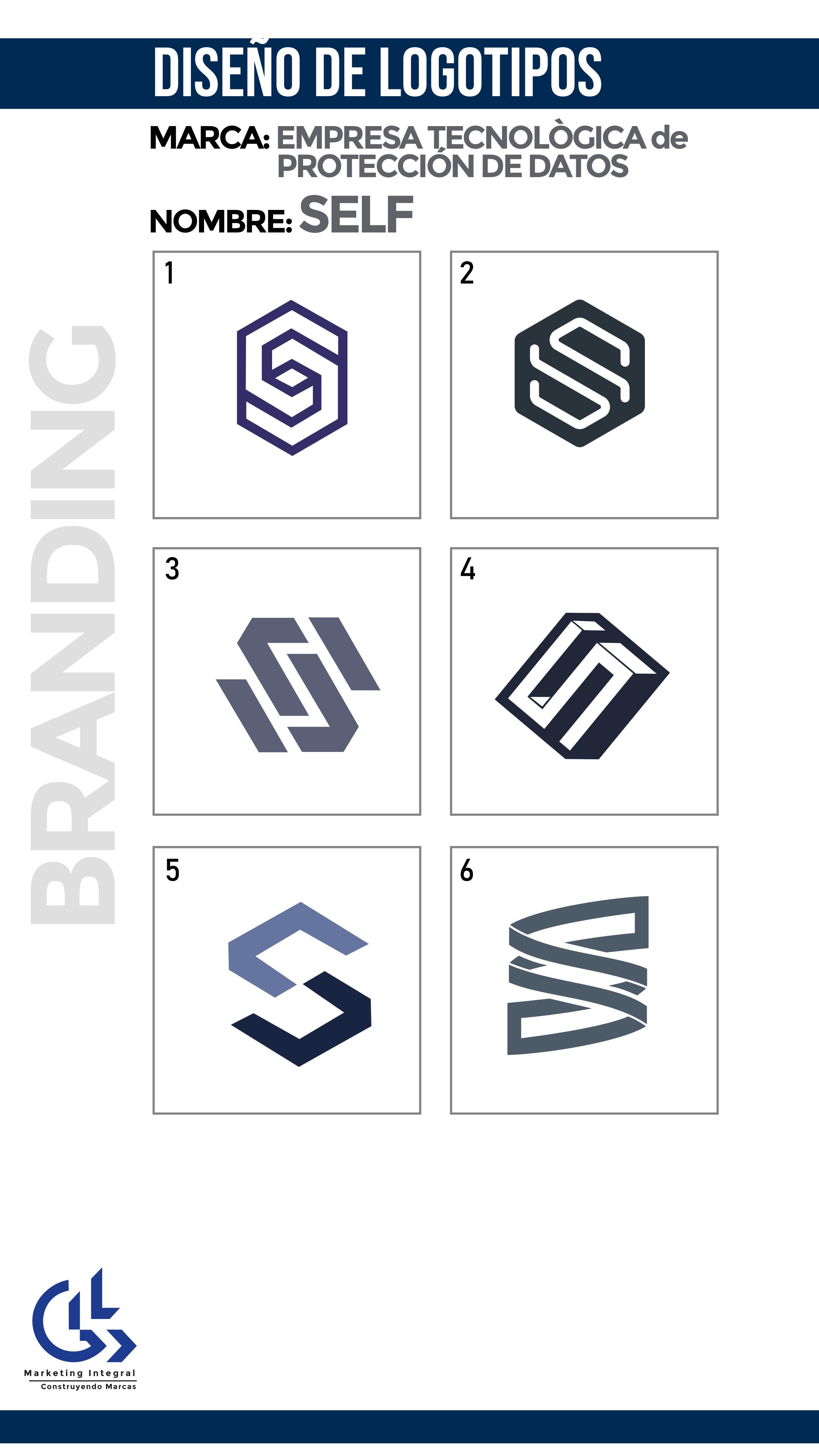
Brand perception exercise
Imagine you know nothing about this company.
Which logo immediately gives you the most confidence for a data protection company—and why?
Don't overthink it.
I'm interested in first impressions.
r/BrandingPRMarketing • u/PulpFriction1 • Jul 06 '26
We have been trying to build an internal chatbot for our team to search through our own brand guidelines, internal SOPs, and past client briefs. The main goal was to give everyone a single source of truth so nobody has to spend hours digging through chaotic Google Drive folders.
Instead, it has been an absolute disaster. It honestly feels like the smarter the model is, the more confidently it lies about our own private data.
We started out with a basic RAG setup using a standard vector database. We chunked up our company PDFs, turned them into embeddings, and hooked them up to a popular open source model. It worked fine for super basic questions like asking what our hex codes are for a specific brand color palette. However, the moment a team member asked something complex, like comparing an older client strategy brief with a newer update, the AI completely broke down. It started blending old and new data together, creating a weird hybrid strategy that we never actually created.
After that, we tried tweaking the chunk sizes and overlap settings to see if it would capture context better. That just made it worse. Now, instead of missing information, it pulls random paragraphs from completely unrelated client folders just because they happen to use similar marketing words. We even looked into fine tuning, but the cost and data requirements seem way too high for a small team just trying to read their own files.
It keeps hallucinating facts, making up fake project deadlines, and pulling outdated metrics with absolute confidence.
Has anyone actually gotten this to work reliably in a real work environment? Did you have to abandon the basic plug and play AI tools entirely, or is there a specific trick to cleaning up the files before the AI reads them?
r/BrandingPRMarketing • u/ivorygstarns • Jul 03 '26
Traditional e-commerce SEO is turning into an absolute bloodbath right now.
When people want to buy something, they aren’t scrolling through pages of blue links on Google or fighting through keyword-stuffed blog spam anymore. Instead, they are opening ChatGPT, Perplexity, or Google AI Overviews and typing incredibly specific phrases. They say things like: "Find me a non-toxic, ceramic skillet that is oven-safe up to 500 degrees and costs under 80 bucks."
If an AI chatbot cannot scrape your product data and immediately verify those exact specs, your store basically does not exist to them.
We have been testing actual workflows for a few e-com clients over the last couple of months to fix this. Here is the real, fluff-free playbook on how to get LLMs to actually recommend your products.
A lot of default Shopify firewalls or security plugins automatically block unfamiliar bots. If you are blocking the scrapers, you are completely locking your store out of ChatGPT or Perplexity shopping results.
Go into your robots.txt file today and explicitly make sure these agents are allowed:
Plaintext
User-agent: oai-searchbot
Allow: /
User-agent: PerplexityBot
Allow: /
User-agent: Claude-SearchBot
Allow: /
AI models absolutely hate fluffy, romantic product descriptions because they contain zero extractable facts. To rank in a conversational search engine, your product copy needs to be highly specific and mathematically verifiable.
When a user asks ChatGPT for a mug that fits a standard car cup holder, the second option gives the engine the exact spatial measurements it needs to confidently recommend your link.
AI shopping engines heavily rely on your structured product feeds via Google Merchant Center or your Shopify backend to compare items side by side.
First, fix your identifiers. Make sure every single SKU has a valid GTIN or MPN. AI engines use these numbers to cross-reference your site with third-party reviews.
Second, fill out the gaps. Treat optional attributes like material, fit, age range, and intended use as mandatory fields. If the AI filters for a specific material and your feed is blank, you get dropped instantly.
Your website might look pretty to humans, but AI models read the underlying JSON-LD schema code to pull real-time data. You need deep schema nesting across all your product pages.
Make sure your dev team is dynamically piping the following information:
An LLM does not just trust what you say about yourself on your own website. It crawls the rest of the web to see if you actually exist in the real world.
If a brand has zero organic mentions on forums, third-party blogs, or review sites, AI models assume it is an unverified dropshipping store and won't risk recommending it. You need consistent data across Reddit discussions, Trustpilot, and niche comparison tables to build real authority.
TL;DR: Traditional SEO was about winning the click. This new wave is about winning the recommendation. Stop optimizing for algorithms that track keywords, and start optimizing for models that track hard facts.
What are you guys doing to combat the drop in traditional organic traffic? Anyone else seeing referral traffic spike from ChatGPT or Gemini yet?
r/BrandingPRMarketing • u/PulpFriction1 • Jun 27 '26
If you’ve hosted a paid event lately, you know exactly how brutal the fees have gotten. Eventbrite takes a massive bite out of every sale. We're talking 3.7% + $1.79 per ticket, plus another 2.9% for processing credit cards. When you sell a $50 ticket, over $5 just vanishes. Passing that cost to buyers hurts conversions, but absorbing it absolutely destroys your profit margins.
I’ve spent the last few weeks digging into workarounds to bypass these fees while still keeping the local visibility that Eventbrite offers. These are probably not the only strategy to avoid Eventbrite fees, so please suggest solutions if you have any.
Here is what I've come up so far.
Eventbrite is completely free for free events. For smaller, local gatherings, I’ve been listing the event as "Free Registration - Pay Cash/Card at the Door."
If you already have a solid email list or social media presence, you don't actually need Eventbrite's discovery marketplace. Paying their percentages is essentially burning money. A few better options:
For medium-sized events, I list a "Hold Deposit" ticket on Eventbrite for just $5. This covers their base fee and ensures people actually show up. Then, in the automated registration email, I send a direct link to a Stripe billing page or a personal digital storefront to collect the remaining balance. It adds an extra step for the buyer, but it shrinks the Eventbrite fee by roughly 80%.
These hacks work, but they aren't perfect. They either require manual tracking or add an extra hurdle for attendees.
Has anyone figured out a clean way to use Eventbrite solely for marketing, but automatically route buyers to an external checkout (like Shopify) without getting banned? Or is there a different platform out there that actually has built-in traffic but doesn't rob organizers blind?
Drop your methods below, I'd love to see what everyone else is doing.
r/BrandingPRMarketing • u/ivorygstarns • Jun 11 '26
When I first started out in PR, I spent a massive amount of time studying the history of public relations and the legends who basically built the industry. Honestly, it was the best thing I could have done for my career.
Too many digital marketers get totally distracted by the algorithm of the week or the newest AI tools. But if you look at the foundations, you realize that while the channels change, human psychology doesn't. The way people trust brands is exactly the same as it was a century ago.
Whenever I’m building a high-stakes campaign or handling a crisis for a client today, whether it’s a B2B SaaS startup or a consumer brand, I still pull plays straight from the history books.
Here are four of the most influential figures in PR history, what they pulled off, and the exact takeaways we can use today.
Back in the early 1900s, corporations hid everything. If a train crashed, the railroad companies tried to pretend it didn't happen. Ivy Lee flipped the script in 1906 while working with the Pennsylvania Railroad. Instead of covering up an accident, he invited journalists to the scene, gave them the facts, and put out the world’s first formal press release.
While Ivy Lee focused on sharing facts, Edward Bernays focused on pure psychology. Fun fact: he was actually Sigmund Freud's nephew. He realized that to change public opinion, you have to tap into people's subconscious desires and biases.
Arthur Page was the first person to get a true seat at the executive table for PR, taking a VP role at AT&T back in 1927. He proved that public relations isn't just "spin" or damage control you do after you screw up—it’s how you run the business.
Looking at modern history, Judy Smith is the go-to crisis management expert. If you’ve ever watched the TV show Scandal, the main character Olivia Pope was literally based on her. She’s handled communications for massive corporate meltdowns, celebrity scandals, and political disasters.
When you strip away the software and the platforms, PR is just the art of managing relationships at scale. The strategies I picked up from studying Lee, Bernays, Page, and Smith are the exact tools I use to protect and grow my clients' brands today.
Who do you think is missing from this list? Drop your favorite PR campaign or strategist below and let’s break down why it worked.
r/BrandingPRMarketing • u/ivorygstarns • Jun 11 '26
I see a lot of founders and marketers treating brand awareness like this vague, mystical concept. They think it just means throwing money at Facebook ads or posting 5 times a day on TikTok hoping something goes viral.
Over the past few years, I’ve built brand awareness strategies for companies across completely different industries, everything from local service businesses and B2B SaaS to e-commerce and niche tech.
What I’ve learned is that while the platforms change depending on your audience, the framework for getting noticed stays exactly the same.
If you are trying to get a brand on the map in 2026, here is the exact 4-step playbook I use to build organic awareness that actually translates into revenue.
You cannot build awareness if you sound exactly like your competitors. Before spending a dime or writing a caption, you need a hook.
Starting from zero followers is brutal. The fastest way to build awareness is to tap into communities that already exist.
Awareness isn't just about people seeing your logo; it's about them finding you when they have a problem.
Most brands spend 90% of their time creating content and 10% distributing it. It should be the exact opposite.
Every time I take on a brand in a brand-new niche, the biggest challenge is always patience. Brand awareness is a compounding asset. The first 3 months usually feel like screaming into a void, but by month 6, those SEO rankings, podcast appearances, and distributed content pieces start looping together.
I'd love to turn this into a bit of a workshop thread. Drop your niche and what you sell in the comments below, and I’ll give you a specific unfair angle or awareness idea you can use for your brand.
r/BrandingPRMarketing • u/PulpFriction1 • Jun 09 '26
So my company is running a few festivals for next year and we are looking for a white label event ticketing platform to support our needs.
One of our biggest sponsors is a local beer company and they are only sponsoring if their logo is the only non-festival branding on the ticketing page. No "powered by X" anywhere. So that puts a few of the event ticketing platform out of question.
We are expecting anywhere from 3 to 5k people per event with multiple ticket types, VIP add-ons, early birds, camping, etc.
We have already done some research. Here's what we've got so far:
No platform fees, just payment processing. That stood out. Their white label uses your own domain, no branding on their end. Also has built-in donations which works for our charity partner stuff. Main worry – does their scanner app actually hold up when people show up in waves?
Monthly subscription model. White label seems fine but I'm less sure about bigger crowds. We do batch releases (first release, second release, late tickets) and I don't want the system to freeze up. Free scanner app sounds nice but also makes me nervous.
More arts/festival focused from what I can tell. White label looks decent but their pricing is behind a "contact us" wall. Usually not a great sign, hopefully someone has ad experience with them.
It is the UTMOST important that the branding has to be ours from start to finish. We also need something where we can email the attendees post event (surveys), one dashboard for 12+ events in six months, and a custom fields for dietary, shirt sizes, etc.
Also had a platform where it crashed right when we released the tickets, hopefully wont be repeating that nightmare.
Any tips and suggestions are greatly appreciated!
r/BrandingPRMarketing • u/AltruisticFly5329 • Jun 06 '26
