r/EDrugstore • u/AccessRx_com • Oct 27 '26
The Impact of Screen Time and Blue Light on Your Melatonin and Libido

We’ve all been there: lying in bed at 11:30 PM, scrolling through feeds, and feeling "tired but wired." While most of us know that blue light from our phones makes it harder to fall asleep, new research suggests the damage goes much deeper than just a groggy morning.
In fact, the light hitting your eyes right now might be actively suppressing your sex hormones and tanking your libido. Here is the evidence-based breakdown of how your screen time is disrupting your endocrine system and what you can do to fix it.
The Mechanism: How Your Eyes "Talk" to Your Hormones
It isn't just about brightness; it’s about biology. Your retina contains specialized cells called intrinsically photosensitive retinal ganglion cells (ipRGCs). These cells contain melanopsin, a photopigment specifically tuned to short-wavelength blue light (460–480 nm).
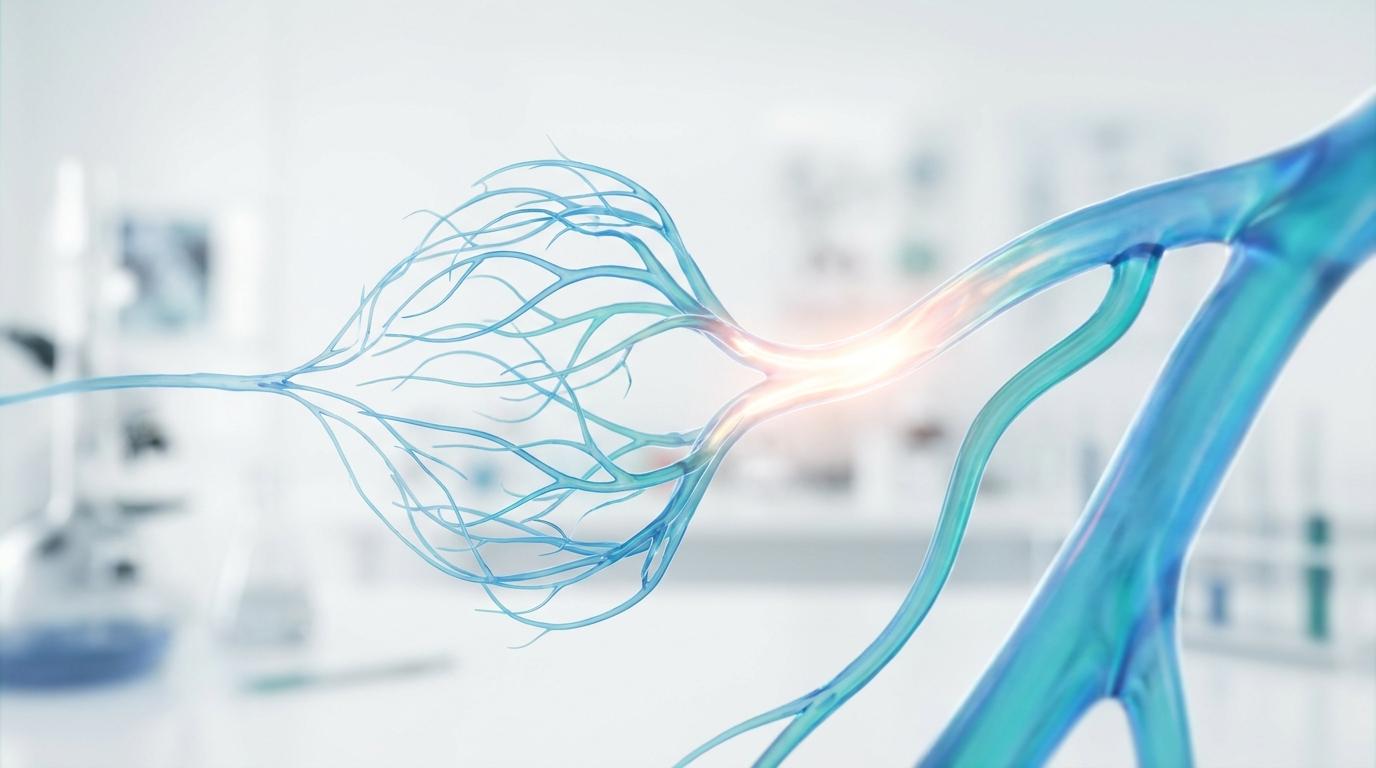
When you look at a screen at night, these cells send a direct signal via the retinohypothalamic tract (RHT) to the suprachiasmatic nucleus (SCN)—the "master clock" in your brain. The SCN interprets this blue light as sunlight, even if it’s midnight. In response, it tells your pineal gland to stop producing melatonin, the hormone responsible for sleep and cellular repair. According to Harvard Health Publishing (2024), even low levels of artificial light at night can trigger this phase delay, tricking your body into thinking it’s daytime.
The Libido Link: Why Screen Time Lowers Sex Drive
The suppression of melatonin isn't just a sleep issue; it creates a domino effect across your entire hormonal profile, specifically the Hypothalamic-Pituitary-Gonadal (HPG) axis.
- Testosterone Decline: A landmark study by the University of Chicago demonstrated that restricting sleep to five hours per night for just one week resulted in a 10–15% drop in testosterone levels in healthy young men (Leproult & Van Cauter, 2011).
- Cortisol Spikes: Chronic melatonin suppression leads to elevated nocturnal cortisol. High cortisol acts as a biological "brake" on sex hormones, leading to reduced desire and, in women, potentially irregular menstrual cycles.
- Vascular Health: Melatonin is a critical antioxidant for endothelial function. It helps maintain the nitric oxide (NO) pathway, which is essential for blood vessel relaxation. Research indicates that low melatonin is correlated with higher rates of erectile dysfunction (ED) and lower sexual arousal.
- Sensitivity Differences: Research in the Journal of the Endocrine Society (2025) by Fazlali et al. suggests that women may be more sensitive to melatonin suppression from light exposure than men.
- Developmental Risks: Research by Uğurlu et al. (2022) found that excessive blue light exposure led to reduced melatonin and significantly earlier onset of puberty in animal models.
Actionable Steps to Protect Your Hormones
You don't have to live in a cave, but you do need to manage your "light hygiene."
- The 60-Minute Curfew: Discontinue the use of all self-luminous devices (phones, tablets, laptops) at least one hour before bed.
- Filter Your Screens: Use software like f.lux or "Night Shift" mode.
- Change Your Bulbs: Replace cool-white LEDs in your bedroom with warm-toned or red LEDs.
- Morning Sunlight: Seek 20–30 minutes of natural sunlight as early as possible after waking up.
Medical Disclaimer
This post is for informational purposes only and does not constitute medical advice, diagnosis, or treatment. Always seek the advice of your physician or other qualified health provider with any questions you may have regarding a medical condition. Never disregard professional medical advice or delay in seeking it because of something you have read on the internet.