r/KoreaSeoul • • 9d ago

Going beyond a simple historical account—bringing the past to life through a modern lens

Thumbnail
gallery
1 Upvotes

Many tours follow a set route, merely reciting historical facts as if reading from a textbook. My tours, however, are different.

I breathe life into the past by weaving 'human stories' into the historical figures and places we visit. Rather than just relaying a timeline of events—"when" and "what" happened—I foster insightful conversations about how that history resonates within contemporary Korean culture and society today.

Robert, a guest who joined one of my tours, shared this:

"Most tours that move between locations end up feeling like a history lesson following a rigid schedule. But GJ adds a vital element—a 'human touch'—that makes every historical figure and site feel vivid and alive. I also truly appreciated the in-depth discussions about modern Korea and its culture." — Robert and Christine Silva

I recommend this Airbnb Experience to anyone who wants to understand the living reality of today’s Korea through the traces of its past, and who is looking for a tour defined by profound insight and thoughtful, attentive care.

https://www.airbnb.com/x/seoultour


r/KoreaSeoul • • Oct 01 '26

How about discovering Seoul's true heartbeat at our own special pace?

Post image
2 Upvotes

How you can enjoy a truly special and memorable Seoul tour, told in a warm and friendly way, here it is.

Instead of the usual, cookie-cutter tour bus experience, how about discovering Seoul's true heartbeat at our own special pace? The secret to a truly perfect private tour isn't complicated at all. It’s simply about riding the subway, wandering through cozy alleyways, and walking side-by-side with a guide who feels like a local friend.

First, let's hop onto Seoul's subways and buses. As you ride alongside busy commuters, you can gently feel the vibrant daily rhythm of the city. Tapping your transit card and walking through the bustling transfer stations will give you a little flutter of excitement, making you feel like a real local living in Seoul.

Next, let's step away from the big landmarks and wander into charming, winding alleyways—places like Seochon, Euljiro, or Seongsu-dong. Discovering hidden gems like an old-fashioned laundry shop, a cozy neighborhood convenience store, or a cute little hidden café tucked away in a corner is an absolute joy. When you catch your breath while walking up a gentle hill, the cozy scenery waiting for you offers a warmth that massive tourist attractions simply can't match.

And to make this journey even more special, imagine having a friendly local guide right by your side. Instead of reciting boring, memorized facts from a textbook, you can share easy, natural conversations like, "Where do locals love to eat on the weekends?" or "What's the story behind this old street?" Pausing in an alleyway together to chat and share a cool drink will make Seoul feel like a wonderfully special place in your heart.

Doesn't that sound like a genuinely cozy and wonderful adventure? Enjoy a Seoul tour with GJ.

[Seoul private on Viator] https://www.viator.com/tours/Seoul/Kick-start-to-Seoul-highlights-with-small-group/d973-301699P4

[Seoul half day tour on Airbnb]

https://airbnb.com/x/seoultour

[Food tour to 2 markets]

https://airbnb.com/x/food


r/KoreaSeoul • • 28m ago

Is Masayoshi Son considering buying SK Hynix?

Post image
1 Upvotes

It has been reported that Masayoshi Son, chairman of SoftBank, approached financial institutions to gauge the feasibility of raising approximately $1 trillion—a move aimed at integrating everything from AI system design to memory chip production. However, the likelihood of such an acquisition is extremely low; SoftBank is no longer actively pursuing the idea, and there is no indication that SK Group is willing to sell, nor has there been any sign of government approval.

The rumors of an acquisition gained traction after a U.S. tech media outlet reported on the matter, citing multiple sources.

SoftBank has stated that it is no longer actively considering the deal. Furthermore, there is no evidence of any firm commitments from financial institutions or the involvement of co-investors. SK Hynix has stated that it is completely unaware of the matter and has not received any acquisition proposal. There is also no evidence to suggest that SK Group has ever considered a sale. Moreover, as a semiconductor company, SK Hynix is ​​subject to government oversight; its advanced semiconductor technologies are classified as "national core technologies" and "national strategic technologies," meaning any attempt by a foreign entity to acquire management control would be subject to rigorous regulatory scrutiny. In short, there is a clear distinction between exploring the possibility of raising capital and engaging in actual acquisition negotiations. Based on the information currently available, there is no indication that this has progressed into a formal proposal or agreement.

SoftBank has already established a foundation in AI-related investments, notably through its ownership of the semiconductor design firm Arm. By combining this with SK Hynix’s competitive edge in high-bandwidth memory (HBM), it would theoretically be possible to create an integrated ecosystem spanning chip design, AI models, data centers, and memory production. Therefore, it is more accurate to view these reports not as a deliberate attempt to fuel acquisition rumors, but rather as part of an exploratory process to assess the feasibility of securing the capital required for a large-scale business vision.


r/KoreaSeoul • • 22h ago

The Rising Sun Flag = the symbols of Nazi Germany

Thumbnail
gallery
6 Upvotes

While the Nazi swastika (Hakenkreuz) might be viewed—perhaps even by an extraterrestrial observer—as just another abstract emblem, for the people of Asia, the Rising Sun Flag evokes enduring pain and traumatic memories. This is because it was the banner under which the Japanese military operated from the 19th century through the Pacific War, a period marked by the subjugation of neighboring nations.

A critical issue lies in how the aftermath of the war was addressed. Germany, for instance, has legally banned the use of Nazi symbols. In contrast, Japan—through the military forces it established following its defeat—reintroduced the Rising Sun Flag. Furthermore, some Japanese individuals even brandish this symbol when disparaging or expressing hostility toward other nations. The United States also bears a significant, if somewhat enigmatic, share of the responsibility for this situation.

Although the Japanese government claims it is merely a design, the historical reality remains that it served as a symbol of imperial expansion and was actively used on the battlefield.

It is regrettable that some in the West, lacking an understanding of the specific historical context in Asia, treat the Rising Sun Flag as a benign "Oriental" design—casually incorporating it into clothing, video games, and anime.


r/KoreaSeoul • • 20h ago

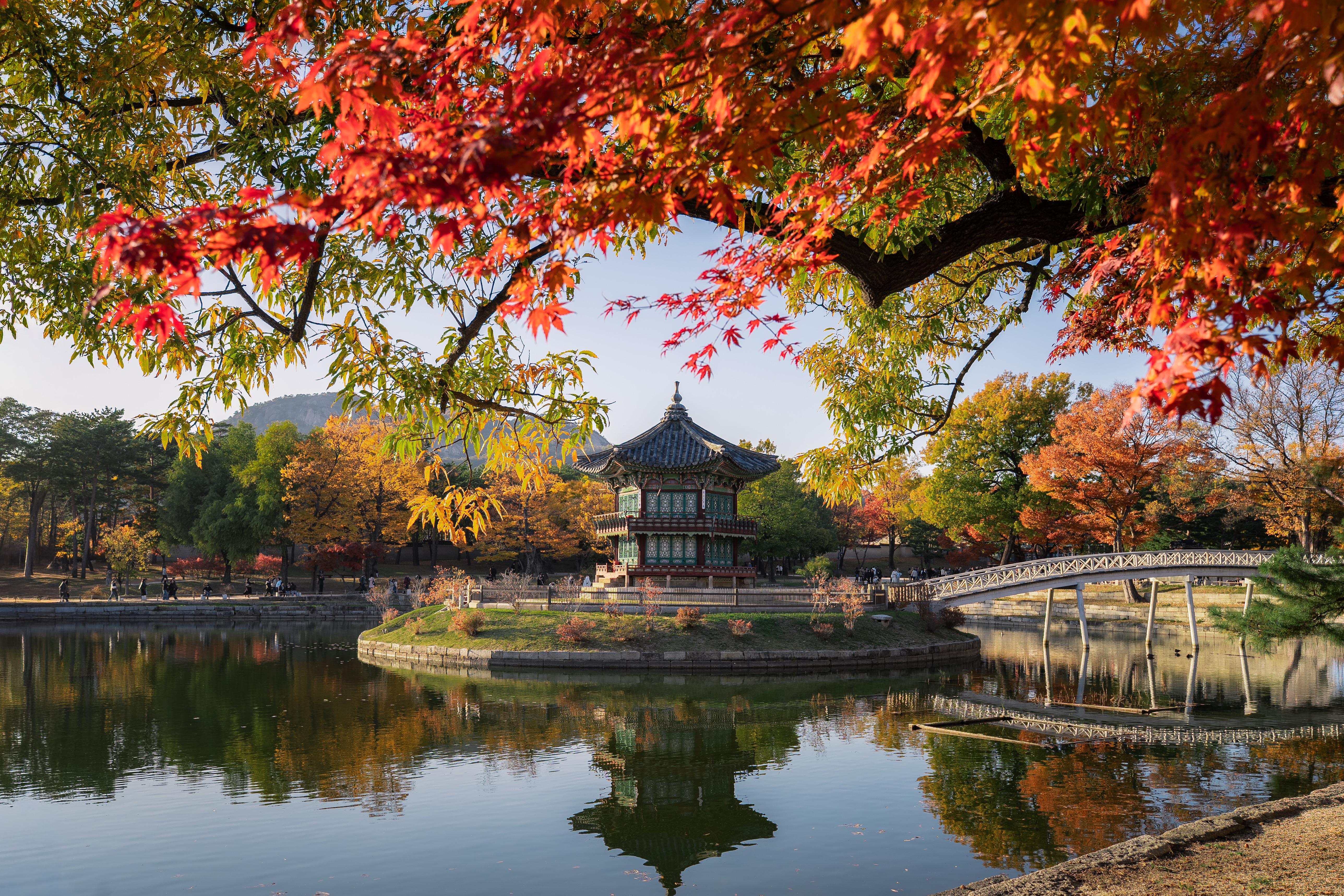
Autumn in Seoul

Post image
1 Upvotes

r/KoreaSeoul • • 1d ago

help me with a school project! fill out this survey about South Korea and K-pop culture

Thumbnail
forms.gle
0 Upvotes

r/KoreaSeoul • • 1d ago

Anyone in Seoul want to get some cardio in with casual pickup soccer?

1 Upvotes

Hey guys! if anyone wants to play pickup soccer games, let me know! We've been organizing games almost everyday around Seoul. All casual and friendly, so there's no pressure at all.


r/KoreaSeoul • • 2d ago

Jovynn Seoul 2026

2 Upvotes

Who is goin to see Jovynn 🔥🔥


r/KoreaSeoul • • 1d ago

Everland winter festival Munjakgwi

Post image
1 Upvotes

Everland is holding a winter festival with Munjakgwi. The Caribbean Bay winter festival 'Winter Spa Cavey' will be held from December 3rd to March 1st of next year, and Everland's winter festival 'Holiday Wish' will be held from December 19th to March 24th, 2027.

At the winter festivals at Everland and Caribbean Bay, you can enjoy scenes such as the three characters – Chiikawa, Parting, and the rabbit – wearing scarves and playing around, or striking cute poses against the backdrop of a warm spa with a sheep's head towel wrapped around their heads.

"Munjakgwi" is the Korean term for Chiikawa, which originated from a manga drawn by Japanese illustrator Nagano, and is an abbreviation of "Munga, a small and cute one."


r/KoreaSeoul • • 1d ago

Hanno Sauer "The Invention of Good and Evil"

1 Upvotes

"The accusation that evolutionary psychology has fallen into male chauvinism is not entirely unfounded. However, the fact that half of a field of study might consist of sexist nonsense does not mean the other half is equally unreliable. It is an undeniable truth that evolution has shaped not only our bodies but also our minds. If natural selection had left its mark only below the neck, that would be absurd—truly baffling and inexplicable." p. 28

"Such divisions of labor are quite arbitrary, though not entirely so. For instance, in all traditional societies, the hunting of large animals or the working of metal is almost exclusively handled by men, while tasks like spinning thread are left almost entirely to women. Other activities—such as twisting rope, constructing dwellings, or sowing seeds—may be performed by either gender, depending on the context. Even in modern societies, it remains statistically somewhat unusual for women (in heterosexual relationships) to mow the lawn or clear snow, or for men to do the laundry or engage in handicrafts. Of course, there is absolutely nothing wrong with dividing roles in such a way." p. 217

Hanno Sauer appears to acknowledge the sexist aspects of evolutionary psychology, yet he ultimately arrives at a compromise that favors men. While he concedes that the criticism of evolutionary psychology as being mired in male chauvinism is "not entirely unfounded," he immediately pivots to argue that the remainder of the field remains credible—thereby salvaging the discipline as a whole. He adopts the appearance of accepting criticism, yet structures his argument in a way that leaves no room for that criticism to actually alter his conclusions. It is unclear whether Sauer fails to grasp how to separate the sexist, nonsensical portions of an argument from the parts grounded in scientific fact, or if he is simply being brazen in his approach.

The logic that "the fact that some parts are incorrect does not invalidate the whole" suffers from a similar flaw. While the statement itself is true, if the criticism is directed at the theoretical foundations rather than the final conclusions, this line of reasoning serves merely as a way to deflect critique. The very premise—that one can neatly disentangle the sexist components from the unproblematic ones—is the point at issue; yet, Sauer treats this premise as a starting point without ever proving it. Unless that premise is self-evident, the question remains: who gets to decide where the nonsense ends and the credible parts begin?

The argument that socially assigned gender roles are "natural" is a line of reasoning that has long been exploited to justify sexism. Sauer presents this as a neutral, factual observation, but the problem is that what he perceives as "neutral" may, in reality, be a deeply biased perspective. Even more concerning is that he views these beliefs as "common sense"—a mindset that typically precludes one from critically examining one’s own underlying premises.

The observation that a certain division of labor is statistically common is a fundamentally different claim from the assertion that "such a division is unproblematic"; each requires its own distinct argument. Sauer, however, slides from the former to the latter without any clear transition. His claim that gender roles are "highly arbitrary, yet not entirely arbitrary" may appear cautious on the surface, but it effectively leaves the reader with the unsettling impression that existing gender roles are rooted in biology. Furthermore, the claim that "there is no problem" overlooks the costs imposed on those assigned specific roles. It entirely ignores the question of who takes on which tasks, and how those tasks are valued within society.

The assertion that hunting was primarily a male activity—when taken in isolation—represents only one side of the story. Male hunting efforts frequently ended in failure; a balanced perspective must also account for the role that other forms of labor—such as gathering—played in the life of the community, providing the immediate sustenance needed for the evening meal. Above all, the fact that a certain division of labor existed in the past does not justify the way roles are assigned today. Tasks once performed by enslaved people are now carried out by educated, free individuals. The role of women—historically reduced to objects of sexual desire for men—is now mirrored in the performances of men who flaunt their own sexual appeal. The conditions that once necessitated a specific division of labor tens of thousands of years ago have largely diminished in modern society; we should not attempt to impose them upon the present.

If physical differences were the sole basis for gender roles, how would one explain the roles of the many men who lacked physical strength? The moment one attempts to explain everything through physical differences, such exceptions arise—demonstrating that roles are not determined by the body alone. Gender roles are constructed through the interaction of physical differences with cultural beliefs, social structures, and economic demands. It is crucial to recognize that these are not the inevitable outcomes of natural evolution, but rather roles demanded by society. Sauer’s account skips over this process, presenting only the final result as if it were something "natural."

Feminist epistemology points out that a "view from nowhere"—a perspective that claims to stand outside of any specific position—may, in fact, be the perspective of a dominant group. When a sentence like this appears within a book otherwise packed with extensive history and logic, readers are prone to accepting it as a scientific fact of equal weight. The meticulous—if tedious—prose lends an air of credibility, making even the claims interspersed throughout seem as though they have been empirically verified. To the reader, this comes across as a subtle, surreptitious insertion of a particular ideological stance. Many journalists, it seems, have plucked just a few chapters from this book to craft their own articles—or perhaps they were simply provided with the material by the publisher.

What is particularly problematic is the way the author dismisses statistical trends as "natural" and therefore unproblematic—a process that effectively repackages the existing gender order as if it were a neutral, objective fact. Is Hanno Sauer, too, just another Dutch professor—one who harbors a "complicit masculinity" and seeks to collect the "patriarchal dividend"? For this reason, I have absolutely no anticipation for his next book.

r/KoreaSeoul • • 2d ago

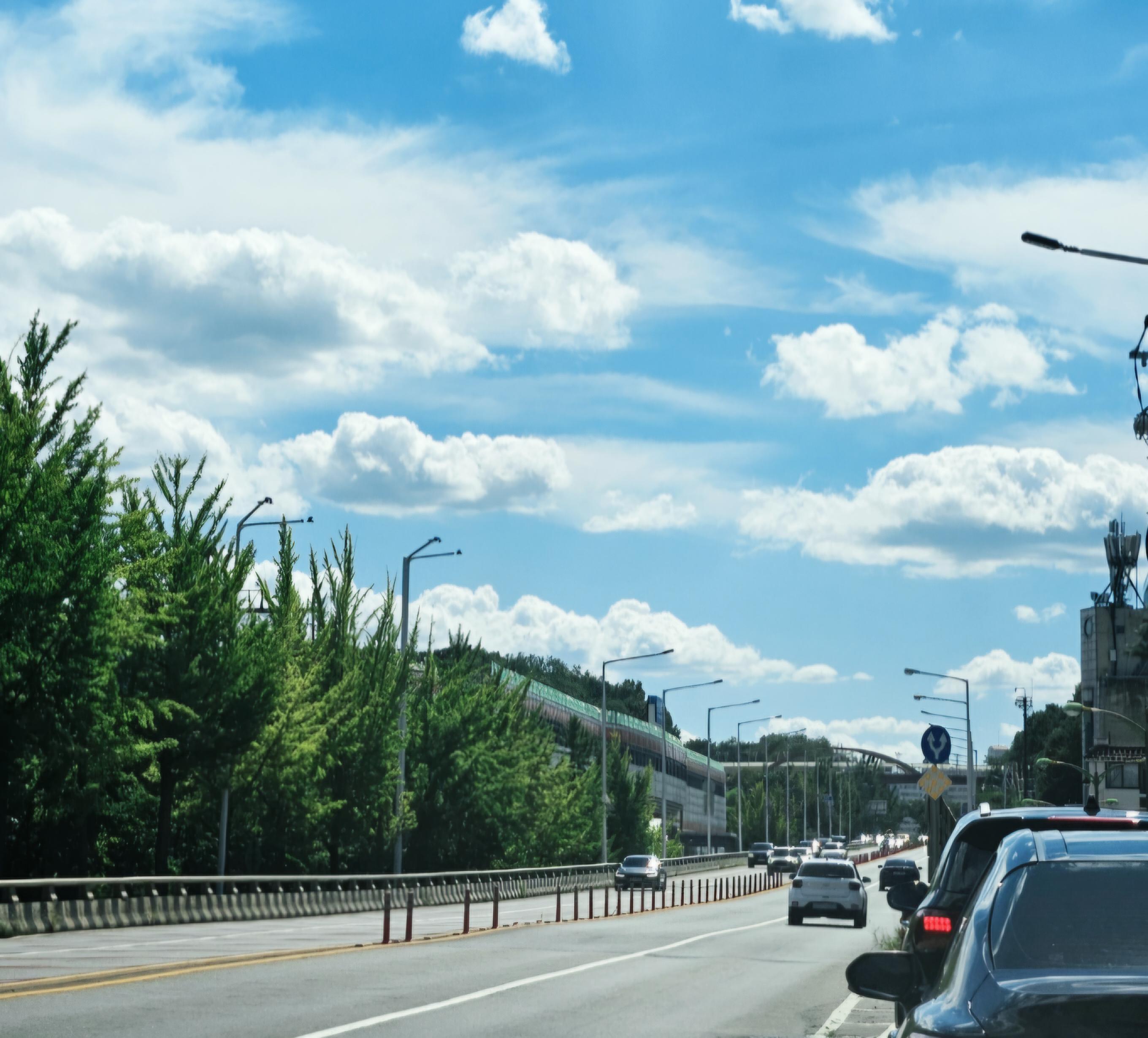
In Hongdae anywhere can be a club

1 Upvotes

r/KoreaSeoul • • 2d ago

are there any people from english speaking countries (US, UK, AU) currently living in Seoul?

Thumbnail reddit.com
0 Upvotes

r/KoreaSeoul • • 3d ago

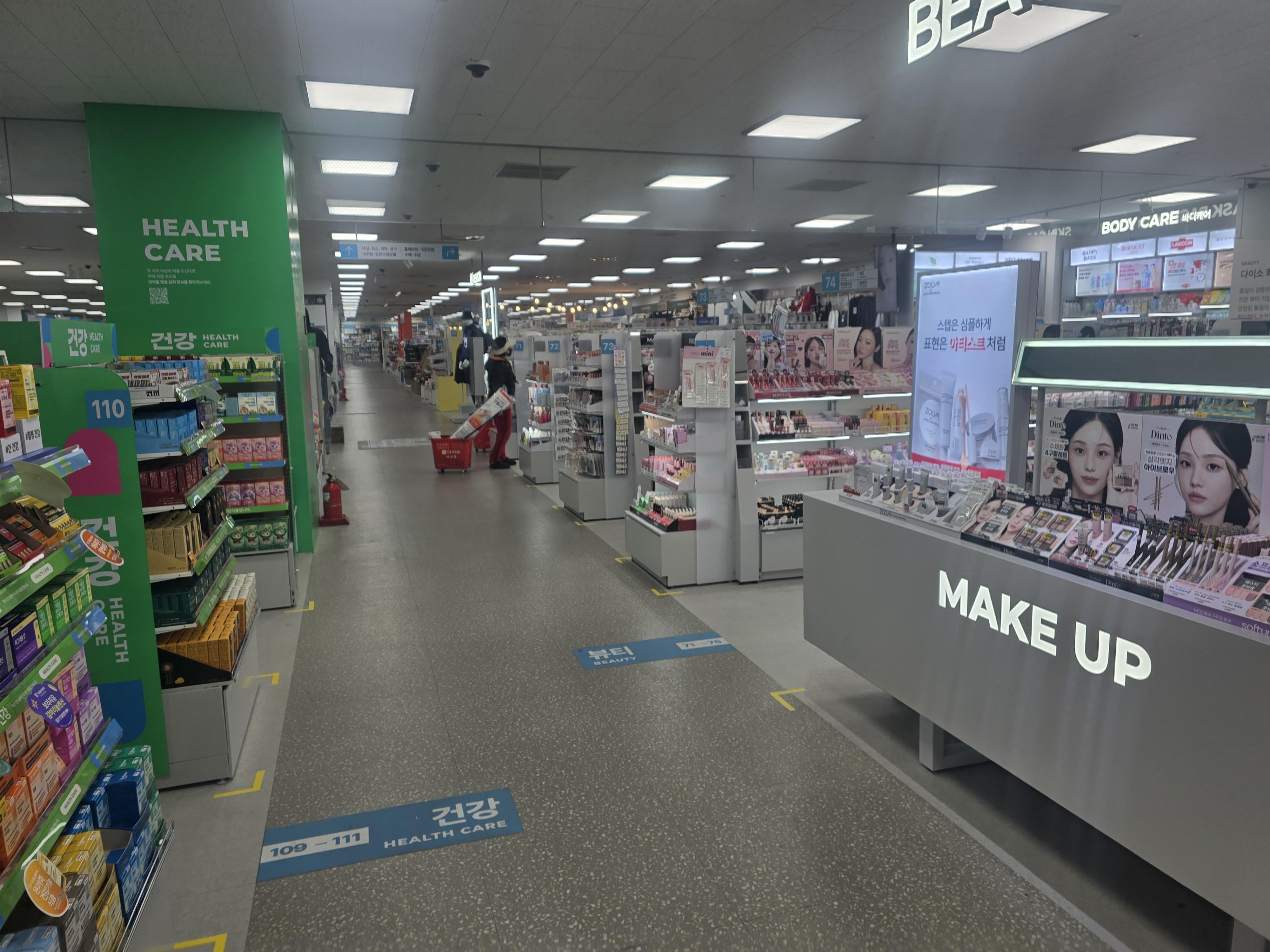
Is Daiso a Japanese or a Korean company?

1 Upvotes

The history of Daiso began in 1992, when Park Jung-boo—a former salaryman—founded Asung Industrial.

In 2001, the company received an investment of approximately 3.8 billion KRW from a Japanese "100-yen shop" chain, which resulted in the Japanese firm acquiring a stake of over 30%.

In 2023, Asung Daiso repurchased all of the shares held by the Japanese side, effectively becoming a fully Korean-owned company.

The reason why the Chinese e-commerce platform Temu has failed to gain much traction in Korea is largely due to the presence of Daiso.

Offering a wide array of products—ranging from kitchenware and household goods to snacks, nutritional supplements, cosmetics, beauty supplies, and stationery—Daiso frequently releases new, character-themed merchandise, often leading to items selling out rapidly.


r/KoreaSeoul • • 2d ago

The images and emotions embedded in Korean foods

Post image
0 Upvotes

Bibimbap: Abundance and togetherness. Like many namul (seasoned vegetables) mixed in one bowl, it feels generous and harmonious, like a family gathered around the table.

Sundubu-jjigae (soft tofu stew): Reconciliation and simplicity. Sharing hot broth in silence as the awkwardness melts away.

Janchi-guksu (banquet noodles): Celebration and good fortune. The long noodles symbolize longevity and happiness, with the lively bustle of a village feast.

Gimbap: Picnics and excitement. A mother's care, a cheerful outing, and hearty fullness all rolled into one.

Kimchi-jjigae (kimchi stew): The comfort of home cooking. That "ah, this is it" relief at the end of an exhausting day.

Doenjang-jjigae (soybean paste stew): Earthy nostalgia and calm. The deep, steady peace of a hometown kitchen's aroma.

Hoppang (steamed bun): Cozy winter happiness. Blowing on a steaming bun to warm your hands, a small, warm joy.

Hotteok (sweet pancake): Winter market energy and a sweet surprise. Like the burst of molten sugar in your first bite, a little thrill.

Bungeoppang (fish-shaped pastry): Alley-corner warmth and nostalgia. Walking home on a winter night with a paper bag held close to your chest.

Sundae-guk (blood sausage soup): Hearty hangover relief and unpretentious warmth. Rustic, filling, and comforting without any fuss.

Jjolmyeon (chewy spicy noodles): Tangy-spicy playfulness and a jolt of stimulation. Bouncy and youthful, just like the chewy texture.

Tteokbokki (spicy rice cakes): Chatting with friends and stress relief. Laughing and gasping at the spice in a light, fun mood.

Kalguksu (knife-cut noodles): Cozy affection on a rainy day. A generous broth and slurping noodles bring a sense of ease and comfort.

Mandu (dumplings): Time spent making food together, and good fortune. The warmth of holidays spent filling and folding dumplings around the table, with a simple, satisfying abundance.


r/KoreaSeoul • • 3d ago

Daejeon Bread Festival in Shinsegae Gangnam Seoul

Post image
2 Upvotes

Shinsegae Department Store will hold the Daejeon Bread Festival in Seoul event from November 27th to December 3rd on the first basement floor of its Gangnam branch.

Including 'Pie Garden' introduced on the MBC entertainment program 'I Live Alone,' 'Sonsu Bakery' and 'Colmar Bread' included in the 'Bread Tour' course run by Daejeon City, as well as the baked goods specialty store 'Dasori Bakery' and the pudding specialty store 'Jelly Poe,' will participate.

In addition, six brands, including 'Oven Brothers', 'Tow Bake House', 'Kolmar Bread', 'Thank You Berry Much', 'Bakery Kick', and 'Mokhwa Confectionery', will be available during the event period.


r/KoreaSeoul • • 3d ago

Korean Traditional Kite Game: Kite flying and fighting

Thumbnail
reddit.com
1 Upvotes

r/KoreaSeoul • • 4d ago

Koreans living in Korea VS Koreans have emigrated

Post image
7 Upvotes

There is a distinct difference between Koreans living in Korea and those who have emigrated abroad. In many cases, the internal clocks of those who left Korea seem to have stopped on the very day they departed.

South Korea is one of the fastest-changing nations in the world. In just a decade or two, standards regarding gender consciousness, organizational culture, and political issues can shift so radically that the entire social landscape is transformed. In contrast, immigrants who have settled in foreign lands often hold onto the values ​​and Confucian norms they internalized before leaving Korea, making them core components of their identity. While South Korea races ahead—driven by K-pop, cutting-edge IT, and rapid social evolution—the immigrant community remains a cultural snapshot of the Korea of ​​the past.

The "adhesive" that keeps this time capsule intact is the Korean Christian church. In a strange land where the language and culture are unfamiliar, the church served not merely as a religious institution for Koreans, but as a vital hub for exchanging information necessary for survival—a true sanctuary. The issue, however, is that the values ​​at the heart of this community have been deeply rooted in a highly conservative, evangelical ethos.

Furthermore, the often grueling, self-made success stories of these immigrants play a significant role. Having built their lives and families in a foreign country—without the benefit of government support or social welfare, relying solely on their own relentless, day-and-night labor and small-business entrepreneurship—they harbor a profound sense of pride. This fosters a fierce commitment to self-reliance, which in turn makes them naturally drawn to conservative ideologies that prioritize market freedom over the expansion of social welfare policies.


r/KoreaSeoul • • 4d ago

Grandmother’s Floral-Patterned Winter Vest

Post image
3 Upvotes

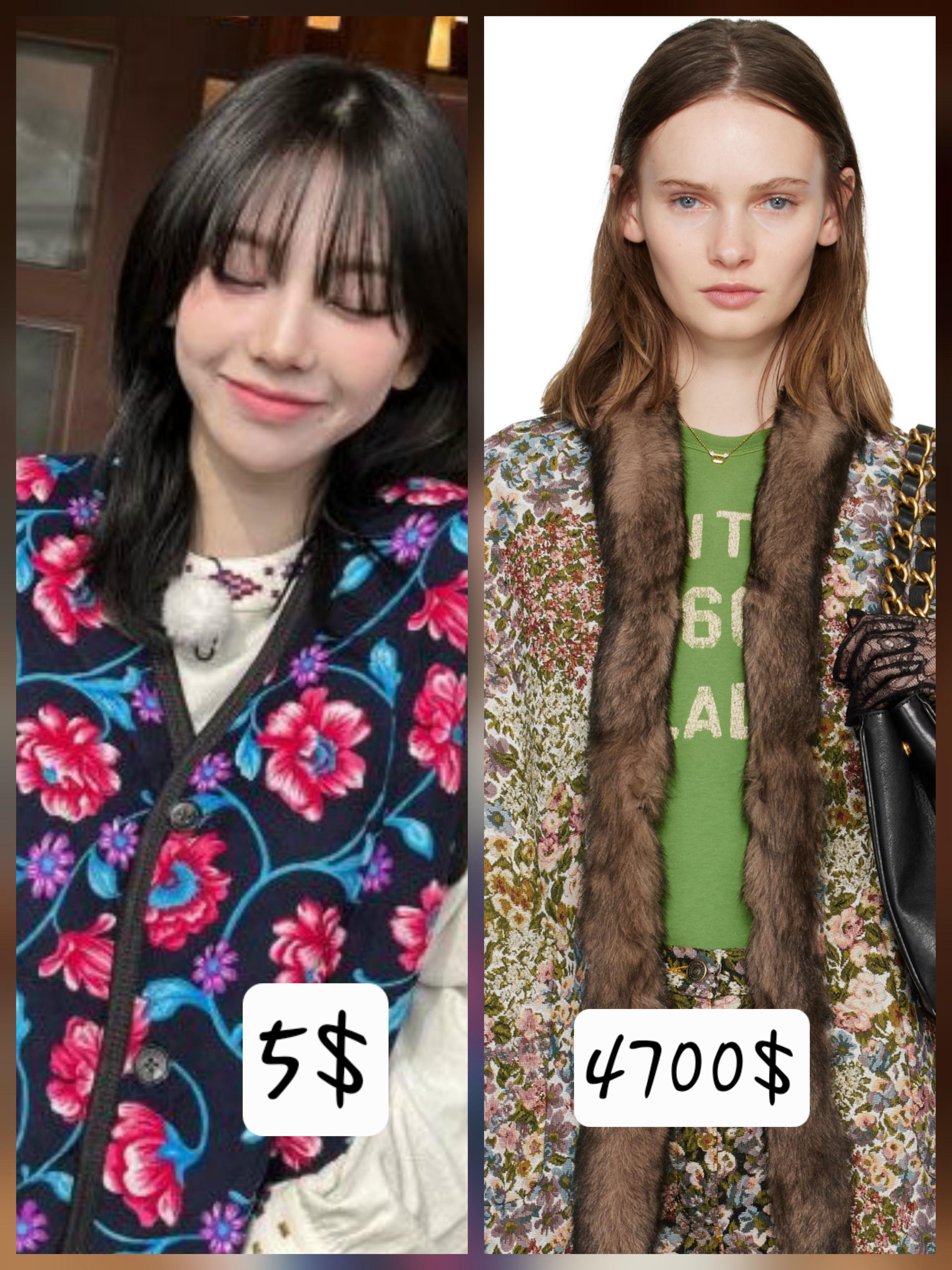
The floral-patterned, quilted vests traditionally worn by Korean grandmothers during the winter are gaining attention abroad as a trendy fashion item. Known in Korea as "kimjang vests" (named after the season for making large quantities of kimchi), these garments—once viewed domestically as simple, somewhat rustic everyday wear—are now being recognized internationally for their vibrant floral patterns and unique, distinctive design.

These vests have also become a popular, unconventional souvenir among foreign tourists. Their striking patterns and unique aesthetic catch the eye, making them perfect for photos to share on social media. Another appealing factor is the ability to purchase such a distinctive piece of clothing at a relatively low price.

In some cases, these vests are being sold abroad at significantly higher prices than in Korea. On eBay, for instance, they have fetched an average of about $36—roughly six times the typical domestic retail price of around $5.

Furthermore, the Italian luxury brand Valentino unveiled a vest this past January that features a floral-patterned fabric accented with fur trim, priced at approximately 6.3 million won (roughly $4,700).


r/KoreaSeoul • • 4d ago

칸딘스키 보이지않는것을그리다 본편

Thumbnail
youtube.com
1 Upvotes

r/KoreaSeoul • • 5d ago

카라바조 쇼츠살인자의 그림, 우리는 기념해도 될까? | 카라바조 #shortsvideo #wheremusiclingers #or...

Thumbnail
youtube.com
2 Upvotes

r/KoreaSeoul • • 5d ago

Korean Traditional Ice Sledding Game: Eoreum Sseolmae

Thumbnail
reddit.com
1 Upvotes

r/KoreaSeoul • • 5d ago

Anyone interested in book sawp event in Seoul, Korea?

Thumbnail reddit.com
1 Upvotes

r/KoreaSeoul • • 6d ago

The "Foreigner Special" of the show I Am SOLO: Love Continues

Thumbnail
gallery
5 Upvotes

The "Foreigner Special" of the show I Am SOLO: Love Continues has drawn attention by featuring participants from China, Japan, Mongolia, Senegal, and Latvia. The Korean men appearing on the show—Young-ho (Season 1), Young-ho (Season 7), Young-chul (Season 12), Young-sik (Season 7), and Gwang-soo (Season 14)—are all individuals who previously failed to find a partner or achieve a successful outcome during their respective original seasons.

However, while most of the foreign female cast members are in their early to mid-30s, the Korean male cast members are all in their 40s, leading to criticism regarding the excessive age gap.

This serves as an eye-opener for foreign women who harbor fantasies about Korean men, revealing the reality behind the image.

At a time when K-dramas and K-pop have driven expectations of Korean men to great heights, this offers a chance to strip away the rose-colored lenses and show what Korean men are truly like in real life.

Instead of the tender, sophisticated male leads seen in romance dramas, the show presents "authentic" Korean men—men who may be deeply influenced by Confucian values, socially awkward in dating, or prone to stubbornness and traditional, culturally specific notions about gender roles. As the foreign participants—and the foreign viewers—confront these traits, they come to realize that the reality is not merely a romantic fantasy.

https://m.programs.sbs.co.kr/plus/loveforever


r/KoreaSeoul • • 6d ago

A New Daiso Store has opened that is twice the size of the one in Myeong-dong

Post image
5 Upvotes

A new Daiso store has opened that is twice the size of the one in Myeong-dong. The Myeong-dong location, which spans 1,650 square meters and benefits from its proximity to Myeong-dong Station, is always bustling with shoppers. The newly opened store—located on the second floor of the Samsong Hanaro Mart—is roughly twice as large as the Myeong-dong branch, ranking among the five largest Daiso locations in the country. Its expansive floor space allows for a relaxed and comfortable shopping experience. To get there, you can take bus 705 from in front of the Shinsegae Department Store in Myeong-dong, or travel by subway to Samsong Station (Line 3).

[NAVER Maps]

Daiso Hanaro Mart Samsong Branch

373 Dongsan-dong Deogyang-gu, Goyang-si Gyeonggi-do

https://naver.me/5ul1mUo1