The CVE is fixed by deprecating the class or method, but the developers keep it in for backwards compatibility.
However because it still exists, Sonatype flags it with their own custom HIGH or CRITICAL and even though you can attest you don't use it, because it's still "reachable" your app sec team who isn't smart enough to know how to program or how programs work and are managed by idiots still flag it so you have to somehow either entirely eliminate the dependency or resolve the vulnerability yourself.
Which I do by building my own copy of the library from the code sans deprecated items licensing be damned because the dev team maintaining the library can't be fucking bothered.
And yeah I have to vuln scan that code too, which is itself a bitch.
We've spent so much time lately doing releases just to update a third party dependency w/ a CVE that doesn't actually affect us due to the way we use the dependency.
Actually, the worst instance of this crap is probably that one of our largest customers (who you would recognize) has a large list of 'banned' functions, which includes ones like memcpy (just use memcpy_s...), getenv, vfprintf, etc
What OS are you running this code on, that doesn't use memcpy? Like, there's gotta be a memcpy somewhere on the stack. Why should those devs get special permissions?
The Critical Sonatype one is incredibly implausible and even says so. It's only Critical because of the potential damage it imposes. And because it's Critical, the AppSec team is fearing doing any further analysis on it, forcing us all to find workarounds for an implausible scenario.
forcing us all to find workarounds for an implausible scenario.
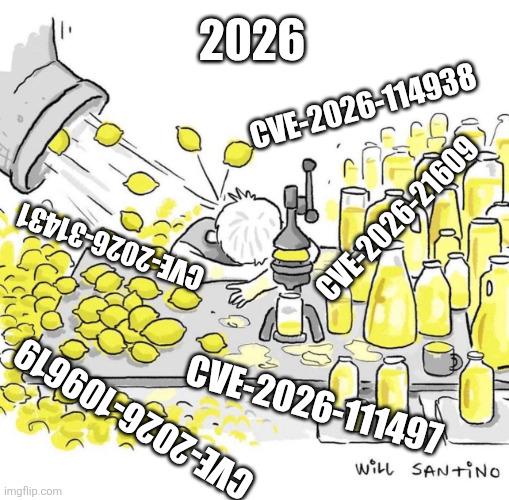
I mean, this has been the issue with the majority of the super-hyper-mega-urgent-critical CVEs this year. Yes, they're serious and should be fixed, but nobody bothers to evaluate the actual scenario that is required for it to happen. People are panicking over the most unlikely edge cases, and SOCs are the worst offenders in this because it would involve more than just looking at their checklists or dashboards.
I used to feel this way but the new tactic is to use composite medium or lower security issues that drastically increase the reachability because most organisations target critical and highs. Then if you're on a version of something that has these risky calls and the exploit is able to call them, you're in for a world of pain.
Also it's only a possibility if you include both core AND api, but because the code is distributed between both, Sonatyoe flags both dependencies equally.
 1
 1
View all comments
191
u/JoshDM 10d ago
You know what's worse?
The CVE is fixed by deprecating the class or method, but the developers keep it in for backwards compatibility.
However because it still exists, Sonatype flags it with their own custom HIGH or CRITICAL and even though you can attest you don't use it, because it's still "reachable" your app sec team who isn't smart enough to know how to program or how programs work and are managed by idiots still flag it so you have to somehow either entirely eliminate the dependency or resolve the vulnerability yourself.
Which I do by building my own copy of the library from the code sans deprecated items licensing be damned because the dev team maintaining the library can't be fucking bothered.
And yeah I have to vuln scan that code too, which is itself a bitch.