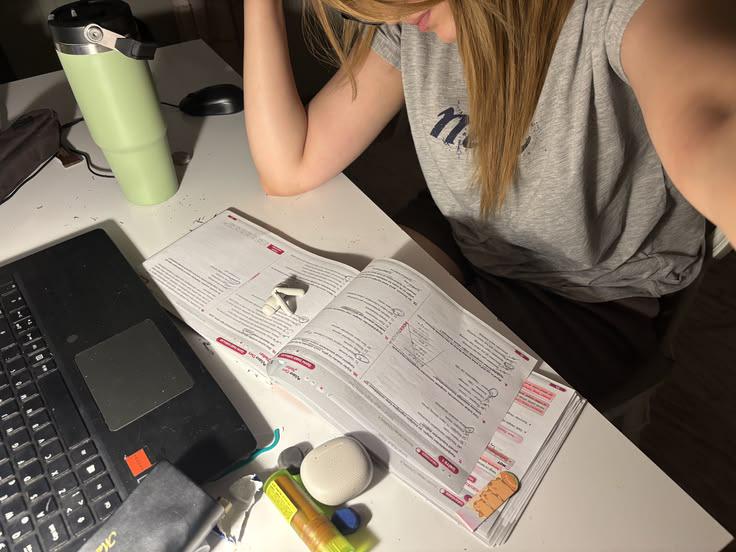
I always knew that sleep was important, just never to this extent. I went from a B student to an A+ double major just by sleeping better.
In the past year, I averaged around 4–5 hours a night. I was stuck in a cycle where I wouldn't be able to sleep at all one night, then I'd crash for 8 hours the next. It wasn't even nervousness about exams, it was anxiety about getting things done the next day, whether that was studying, cooking, or grocery shopping. As soon as it got dark, my anxiety ramped up and I dreaded going to bed.
I read everything online about "good sleep habits" and tried it all: yoga, journaling, no screens an hour before bed,you name it. None of it worked. Worse, trying so hard actually made my sleep worse. Unlike everything else in life, the harder you try to sleep, the less likely it is to happen.
So, I threw out the standard advice and stuck to one rule: reduce anxiety around sleeping. Here is the system I use during exam season that you can customize for yourself:
1. Set a consistent wake-up time, not a bedtime Having a strict bedtime just increases sleep anxiety. Instead, wake up at the exact same time every day. If you only get 4 hours one night, it’ll be much easier to get 6 the next. The goal is consistency over the week, aiming for 6 and 6 instead of 0 and 8.
2. Create a physical buffer (Food & Studying)
- Eating: Along with the usual cool, dark room, giving myself time to digest makes a huge difference in how comfortable I feel in bed. I eat 2–3 hours before sleeping and take a 15-minute walk afterward.
- Studying: I stop studying 2 hours before I’d ideally like to be asleep. If I go straight from studying to bed, my brain won't shut off and I'll just lie there thinking about the material. After I close my books, I take a 30–40 minute walk outside while listening to music or a podcast.
3. Shower and put on amber glasses Once I get back from my walk, I shower and put on amber light glasses. I've seen mixed reviews about them online, but you can find them for $10, so they're worth a try. They block 99% of blue light, which gives me peace of mind and lets me watch TV before bed without stressing about the blue light keeping me up.
4. "Trick" your brain with journaling I still journal, just not about my day or what's making me anxious. Instead, I write the exact same few sentences every day until I start to believe them:
"You’ve worked hard today, so tomorrow you get the day off. You have nothing to do, so it doesn't matter what time you fall asleep. Since you worked so hard, this is your reward, do whatever you want. Watch TV, read a book, play video games, this is your time. You’ve had nights where you didn't sleep and you did fine. You're good on no sleep. If you start feeling tired, give your eyes a break, get cozy under the blankets, and relax with a podcast."
It’s totally a lie, and tomorrow isn't actually a day off, but that doesn't matter. It takes the pressure off. After writing this, I go do whatever I want for as long as I want.
5. Only go to bed when you're actually tired Once I finally feel sleep coming on, I get into bed. Sometimes I’ll put on a sleep podcast (I highly recommend ASMR Historian on YouTube), I just follow along to the story and drift off. Do not see that it is 11:30 pm and say that this is the time you got sleep. Ideal don’t look at a clock at all. This restricts your sleep and then you see how much sleep you actually need.
What to do if you still can't sleep (Forget the 20-minute rule) Everyone talks about the "if you aren't asleep in 20 minutes, get out of bed" rule. I hate it. My entire goal is to make my bed a low-anxiety zone, and counting down the minutes just adds stress.
Instead, I lean back on my journaling mindset. I tell myself I’m already well-rested, so there’s no point in forcing myself to stay in bed. Usually, I’ll go outside for a quick 5–10 minute walk, come back, take a shower, and read until I can't keep my eyes open anymore.
The two main takeaways from this are reduce sleep anxiety and aim for consistent sleep over the week not over the night. I hope you find this helpful.
Disclaimer: I have recently started taking sleep medication prescribed by my doctor, which definitely helps, but this routine drastically improved my sleep on its own.