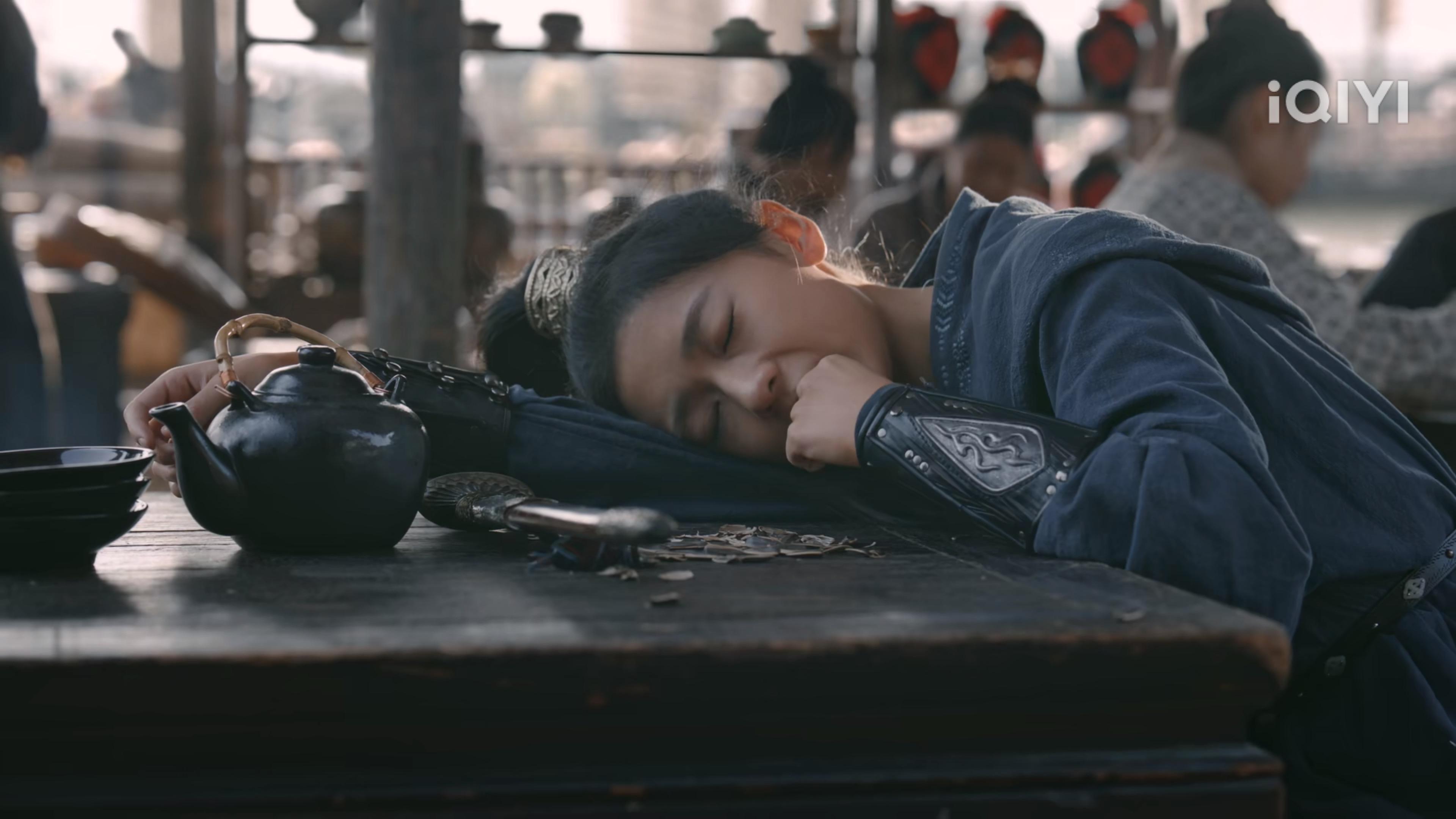
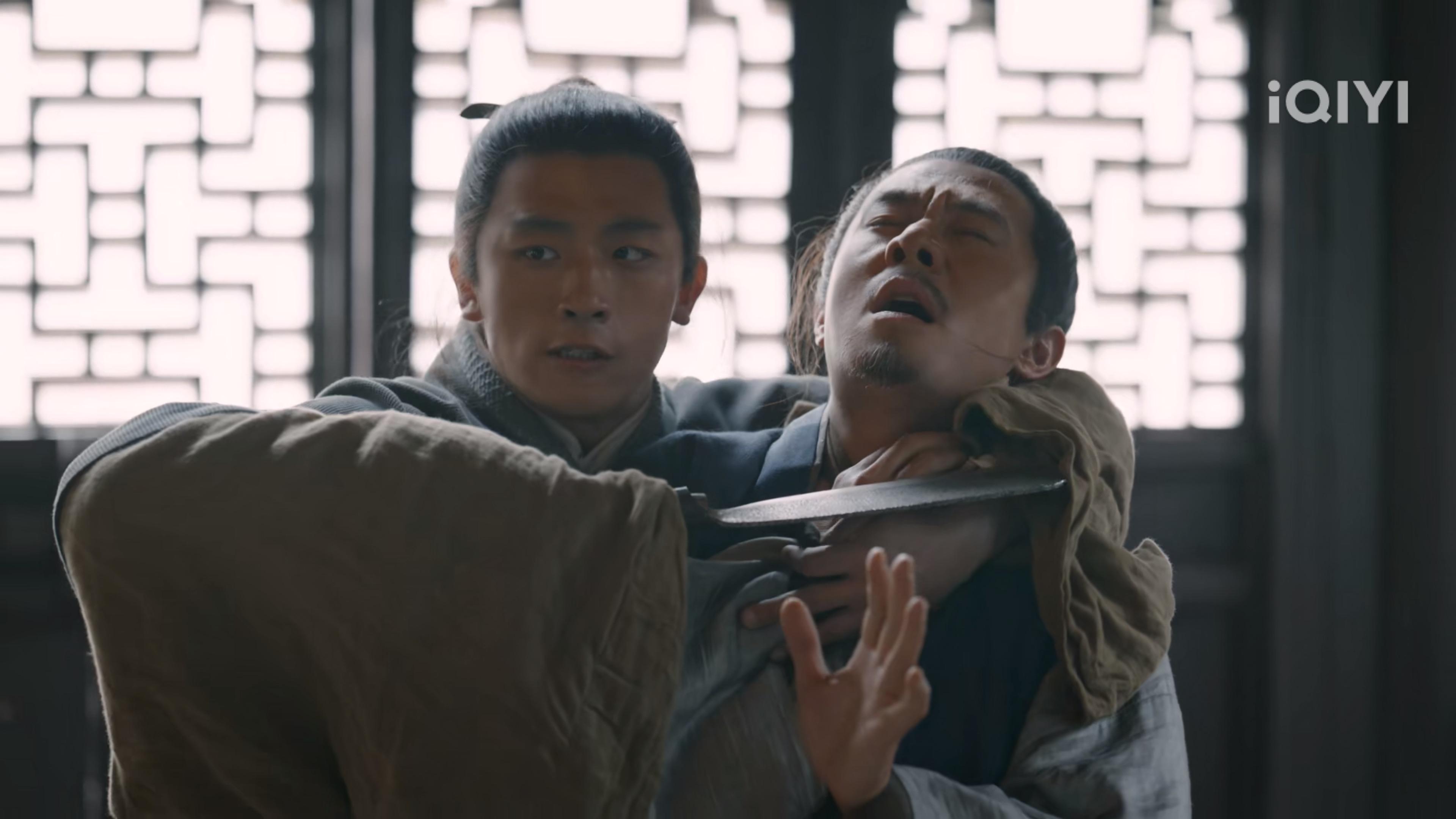
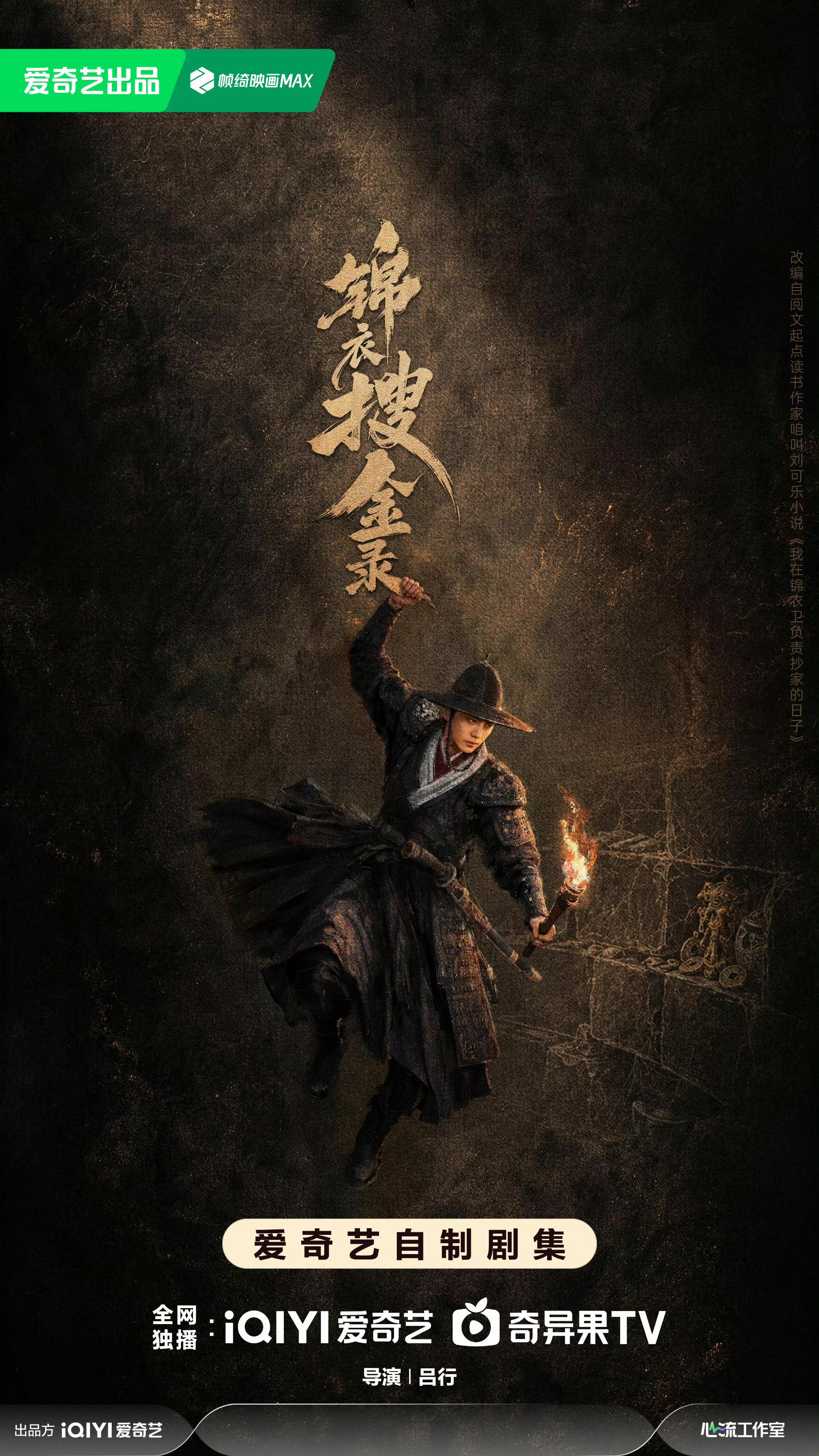
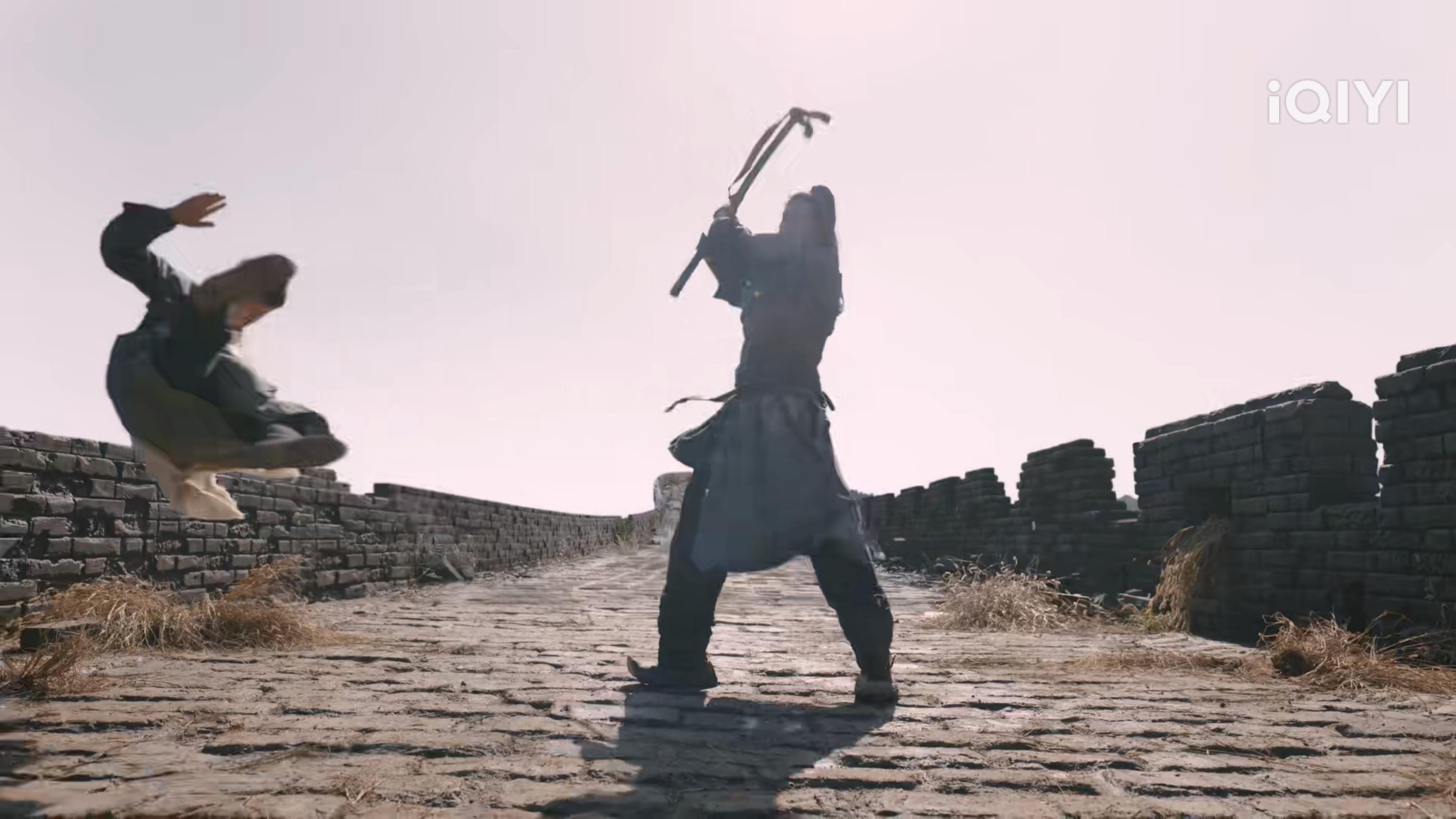
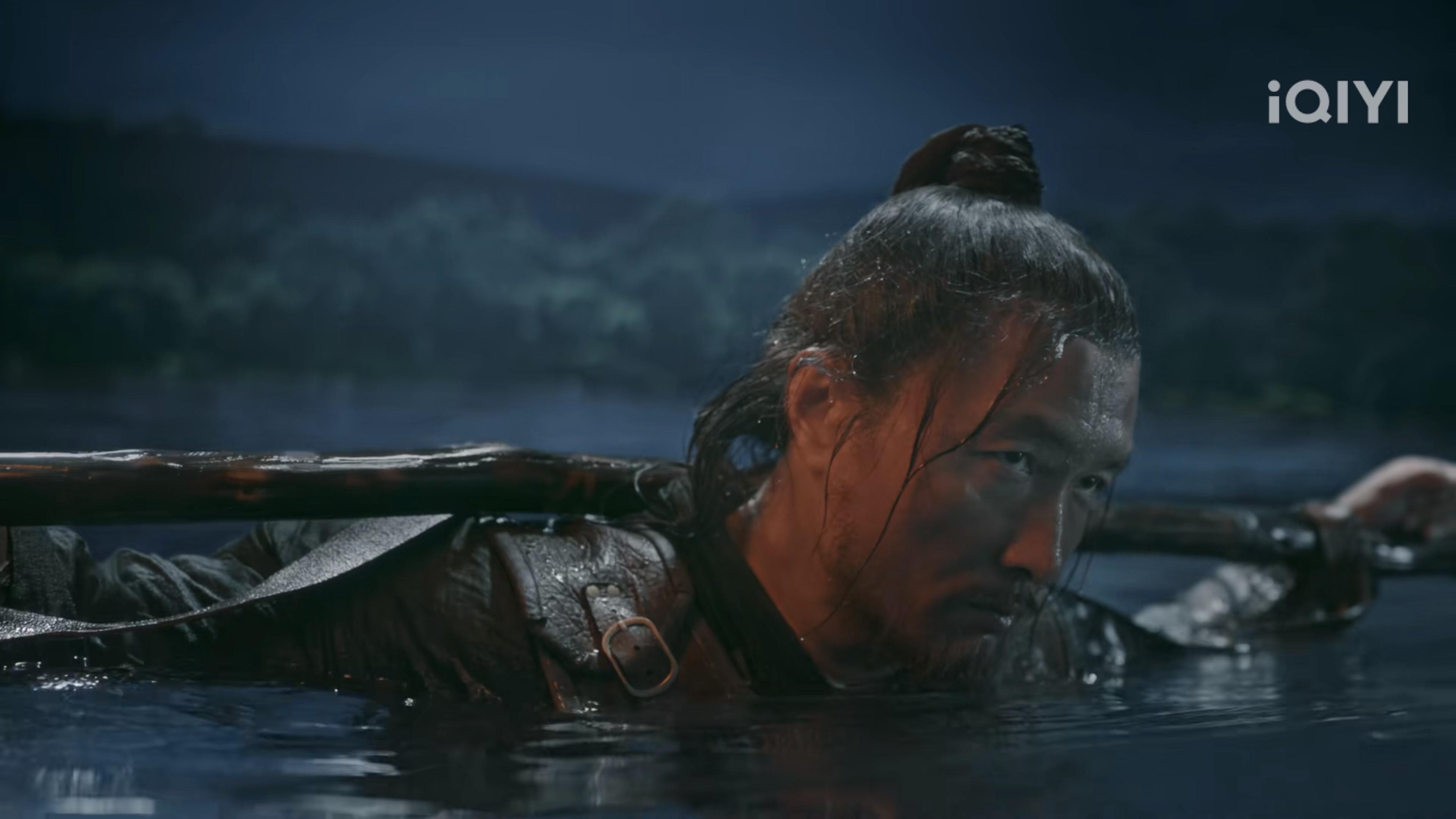
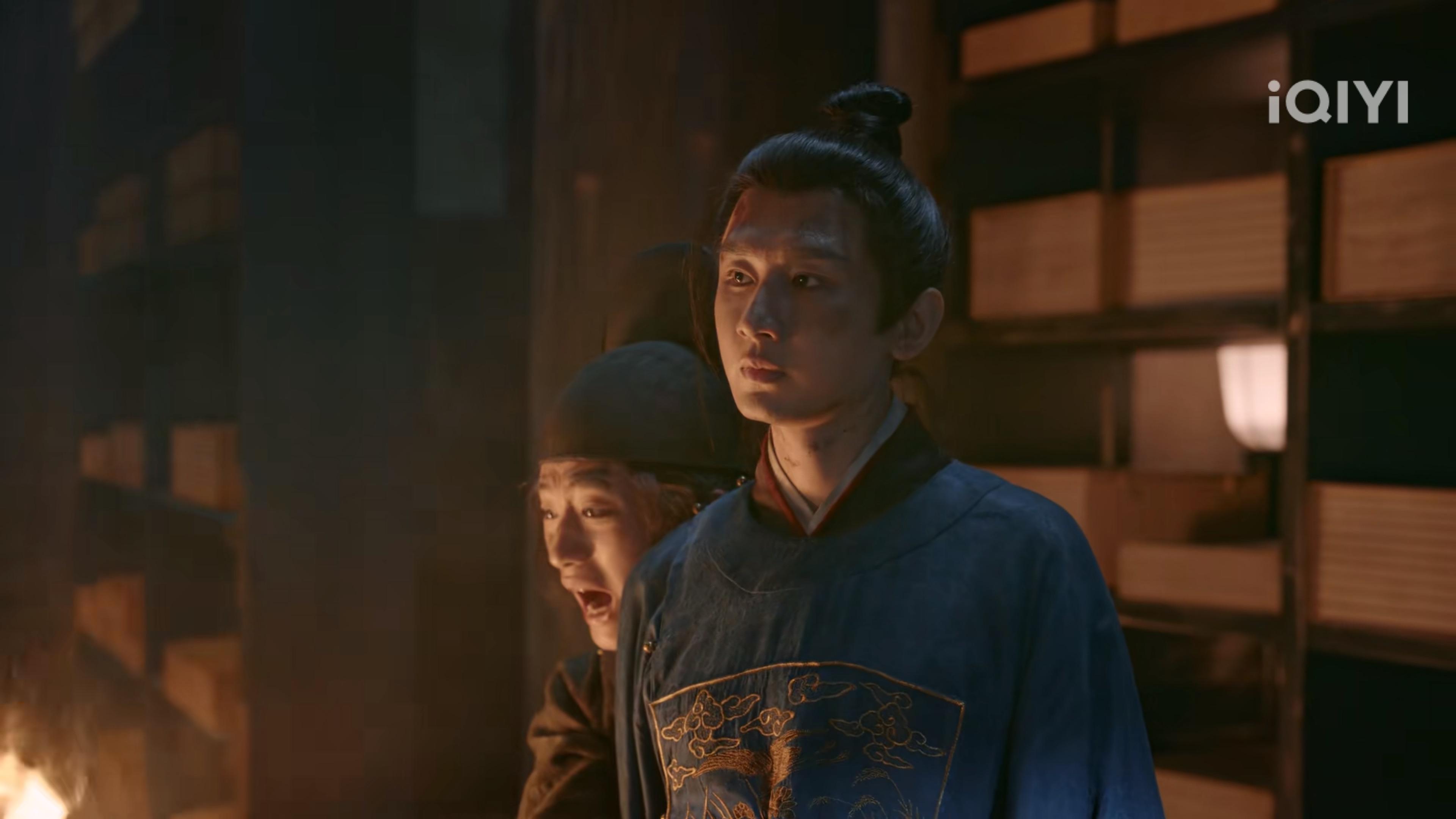
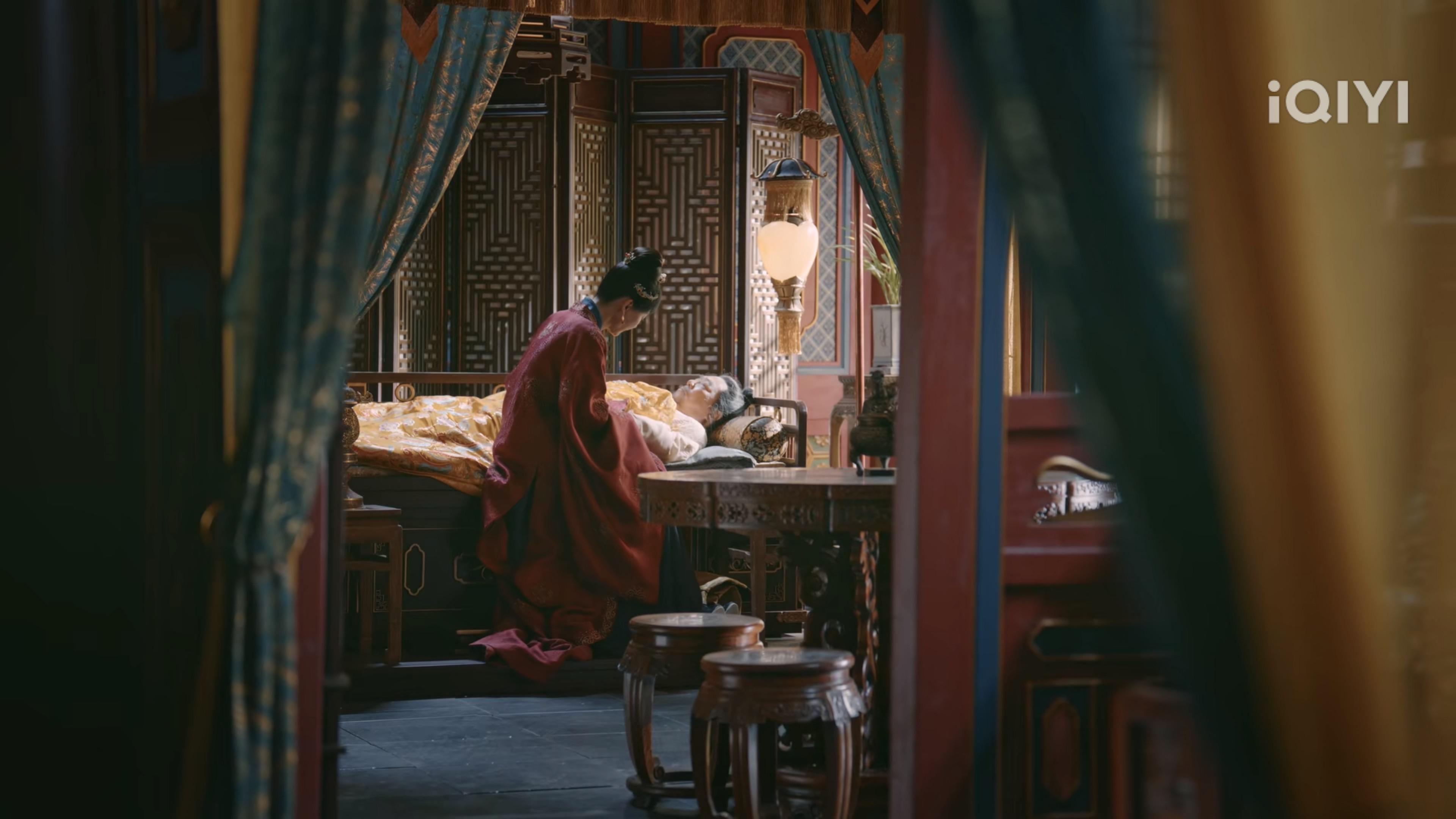
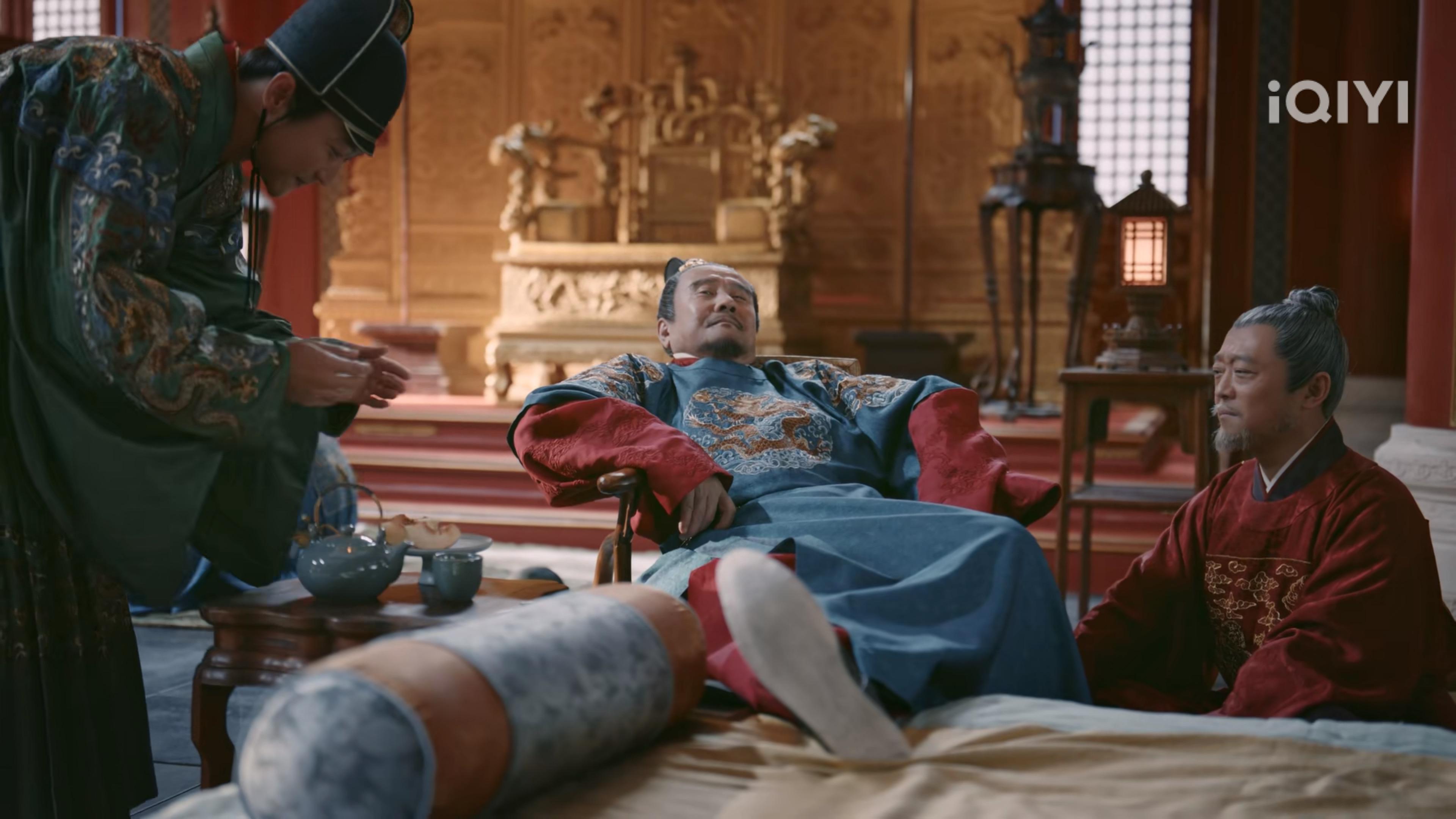
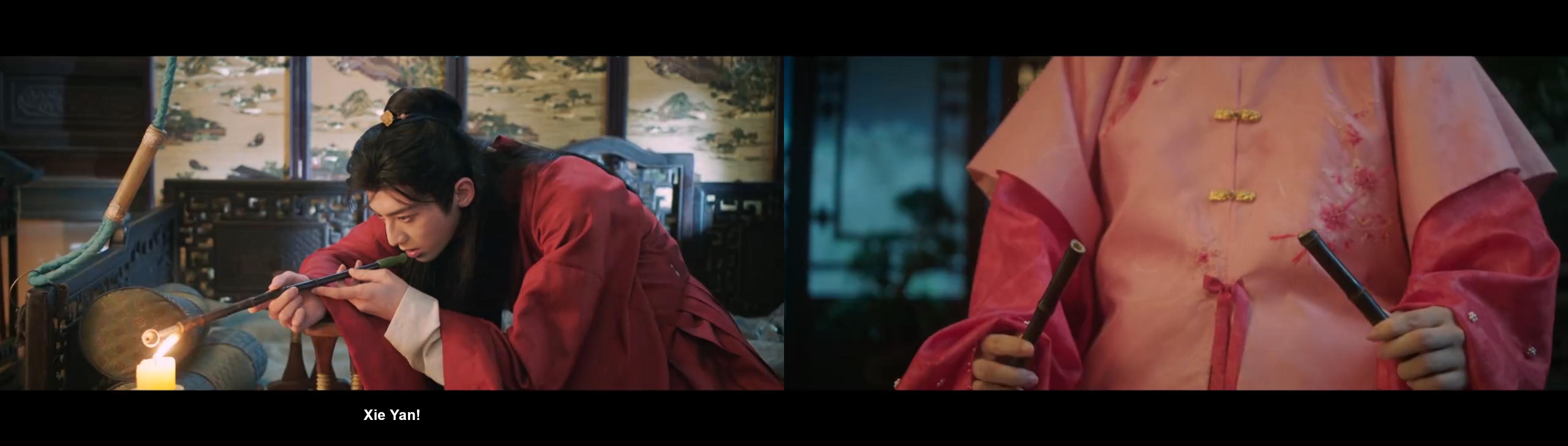
One of the most interesting features of River of No Return (Two Capitals, Fifteen Days) is that it uses a true historical event and fills in the gaps in our knowledge through a thrilling narrative.
Whilst the fictional elements such as assassination plots and canal chases are highly intriguing, in reality the true story is also highly engaging.
The key historical point is as follows:
Following news that his father (the emperor) was seriously ill, the Ming Dynasty's crown prince travelled from Nanjing to Beijing. Upon his return he found out that his father had died and so was forced to assume the role of emperor.
This historical snippet is expanded by the novel to hypothesise as to what may have occurred during the fifteen days that were not accounted for in the historical records.
Below I will analyse the actual history, people and context as well as the fictional aspects of the novel.
- Historical context – Why were there two capitals?
10
To understand why the novel is referred to as Two Capitals, Fifteen Days, we must first understand the reason for having two cities as the capital.
During the Ming Dynasty (1368-1644) both Nanjing and Beijing were significant.
- Nanjing (南京) – was the original capital of the Ming Dynasty and was founded by the first emperor, Zhu Yuanzhang.
- Beijing (北京) – was where the Yongle Emperor (Zhu Di) moved the imperial court to in the early fifteenth century. Zhu Zhanji's grandfather was the Yongle Emperor.
Why was the capital moved?
Zhu Di won a civil war against his nephew, the Jianwen Emperor, and became emperor. He set up his powerbase in Beijing, where he had previously held power as Prince of Yan.
Officially, Beijing became the main capital in 1421.
However, there were extensive costs involved in moving the massive imperial court to the north. There needed to be substantial provisions and distribution systems as well as considerable finance.
Upon becoming emperor, Zhu Zhanji's father wished to amend some of his predecessor's policies.
Indeed, the Hongxi Emperor sought to move the capital back to Nanjing.
This is an extremely pertinent piece of information and provides additional political context to the narrative.
2. What really happened in 1425?
8
August 1424 – Zhu Gaochi becomes emperor
Having succeeded his father, the Yongle Emperor, Zhu Gaochi became emperor and reigned as the Hongxi Emperor.
He was Zhu Zhanji's father.
On 12 August he took the throne and swiftly began to amend some of his father's costly policies.
His government placed a stronger emphasis on internal management, whilst also seeking to ease financial pressure and improve people's lives.
April 1425 – Zhu Zhanji is sent to Nanjing
This is where the historical basis for the novel begins.
The Hongxi Emperor instructed his Crown Prince to visit the Xiaoling Mausoleum which houses the body of the Ming Dynasty's founder, Zhu Yuanzhang. The prince was then to stay in Nanjing.
Effectively, he was being dispatched to the south to manage local affairs.
This was during preparations for the capital to be moved back to Nanjing.
Interestingly, although it is commonly thought that Zhu Zhanji was sent to Nanjing to inspect damage caused to the city by an earthquake, in reality the historical records show that both of these factors were in play. Zhu Zhanji's journey was also related to his father's wider plans to move the capital.
May 1425 – Everything changes
Whilst Zhu Zhanji was in Nanjing, his father fell very ill in Beijing.
The emperor then despatched envoys to Beijing to summon his son back.
As stated in the History of Ming, his father's health deteriorated further and he issued a last decree nominating his son as his successor.
On 29th May 1425, the Hongxi Emperor died in Beijing.
He was just 46 years of age.
Therefore, his reign had only lasted around nine and a half months.
Chinese Text Project+2
Return to Beijing
Zhu Zhanji hurriedly made his way back to Beijing.
Particularly relevant in this instance was a locality called Liangxiang (良乡) which is close to Beijing.
On his arrival here:
- The palace announced his father's death.
- His father's last decree was proclaimed.
- Officials prepared to welcome the Crown Prince.
- He was officially received and entered the palace to console himself.
This is one of the key pieces of historical information relating to the narrative.
Although the History of Ming does tell us that the Crown Prince returned from Nanjing and arrived at Liangxiang ahead of the mourning rites for his father, it does not provide such detailed information regarding each day of his travel.
27 June 1425 – Zhu Zhanji becomes emperor
He officially assumed the role of emperor and reigned as the Xuande Emperor.
He was around 26 years old.
Interestingly, he did not continue his father's initiative to move the capital back to Nanjing.
Instead, he maintained Beijing as the main capital.
Chinese Text Project+1
3. The real people within the narrative
As has already been mentioned, numerous characters in the novel are based on real people, although their roles have been altered.
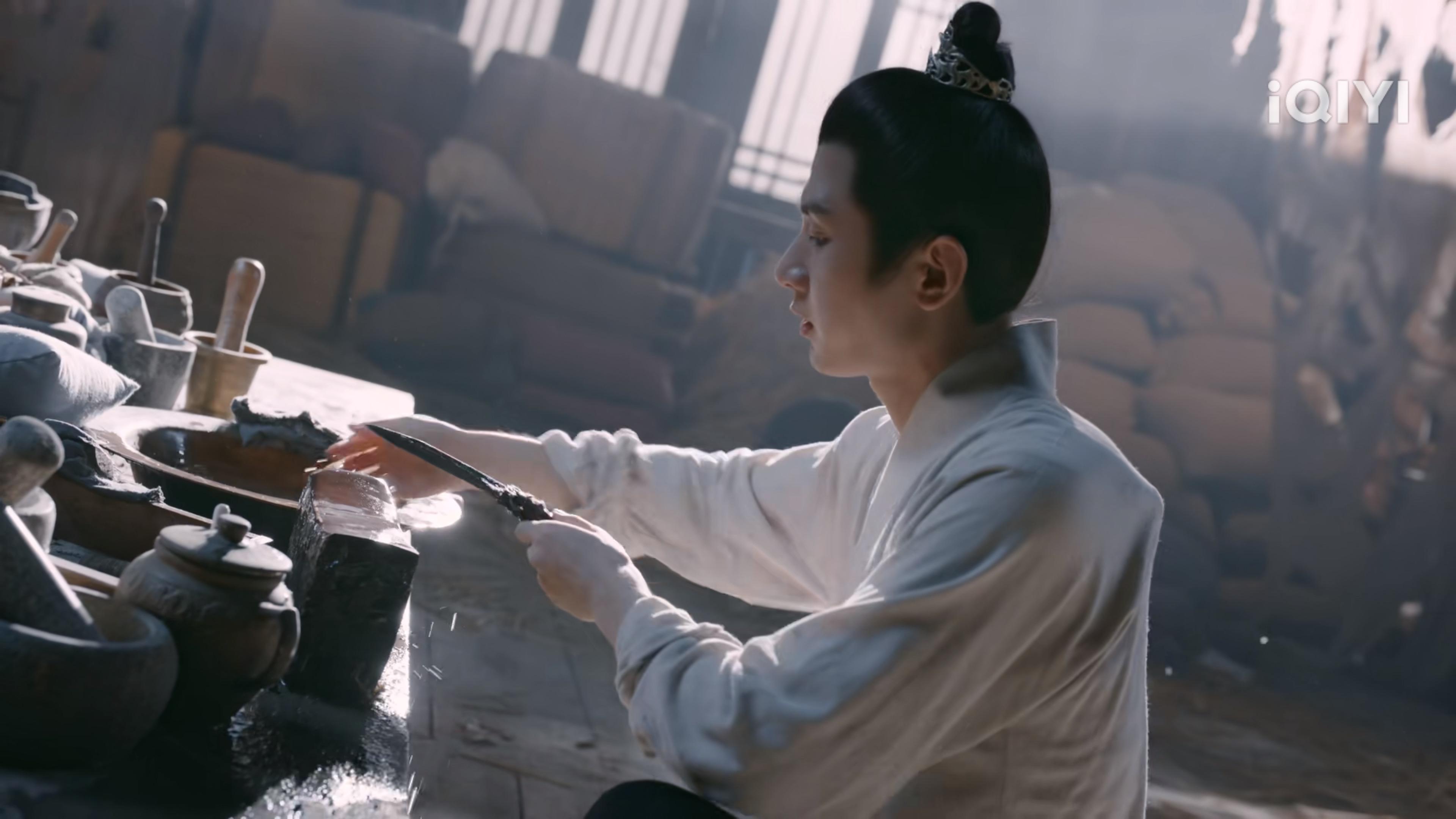
A. Zhu Zhanji (朱瞻基) - Cheng Yi
The real Xuande Emperor
Born: 16 March 1399
Died: 31 January 1435
Reigned: 1425-1435
Father: Hongxi Emperor
Grandfather: Yongle Emperor
Contrary to popular belief, Zhu Zhanji was not an unworldly prince. From a young age he had been groomed for his future role as emperor.
It appears that his grandfather, the Yongle Emperor, was especially fond of him. Moreover, Zhu Zhanji had already been involved in governmental and military matters prior to becoming emperor.
Eventually, he became one of the better remembered emperors of the early Ming Dynasty.
What was he like?
- He loved literature, poetry and the arts.
- He was an accomplished painter and calligrapher.
- He enjoyed cricket fighting - a widely popular activity in which specially bred crickets are used.
- He remained interested in military issues.
- He worked to ensure good government functioned and to boost the economy.
However, Zhu Zhanji was also complex. Although he was not wholly benevolent, he did manage political uprisings and faced numerous challenging decisions during his reign.
Thus, the actual Zhu Zhanji was neither a perfect nor naïve emperor.
B. Zhu Gaochi (朱高熾) - The Hongxi Emperor
Zhu Zhanji's father
Born: 1378
Died: 29 May 1425
Reigned: 1424-1425
Father: Yongle Emperor
His story is also of great interest.
Whereas his father had been renowned for his military prowess, territorial expansion and large scale projects, Zhu Gaochi was more interested in governance, financial reform and lightening the people's load.
Despite having been Crown Prince for many years, Zhu Gaochi's political position had not always been secure.
His younger brothers, notably Zhu Gaoxu, had their own aspirations and vied for the emperor's favour.
Once Zhu Gaochi had become emperor, he implemented reforms. Yet, his reign was shockingly brief.
Unfortunately, he died before he could fully enact his plans.
Interestingly, Zhu Zhanji's subsequent reign meant that his father's plan to return the capital to Nanjing was never realised.
C. Zhu Gaoxu (朱高煦) - The ambitious uncle
Prince of Han
Son (younger brother) of the Yongle Emperor
Uncle to Zhu Zhanji
Military background
Rebelled against Zhu Zhanji in 1426
Undoubtedly, this was a crucial figure in understanding the political tensions faced by Zhu Zhanji.
Previously, Zhu Gaoxu had been favoured by his father, the Yongle Emperor.
Furthermore, he was recognised as a highly capable military person. It appears that he also felt that he should have occupied a higher rank in the line of succession.
Nevertheless, his older brother (Zhu Gaochi) became emperor and Zhu Zhanji became Crown Prince.
Eventually, Zhu Gaoxu was exiled to Le'an in Shandong province.
Despite this, he did not relinquish his ambition.
In 1426, soon after Zhu Zhanji had become emperor, Zhu Gaoxu rebelled.
Zhu Zhanji personally led an army of around 20,000 troops to quash this rebellion.
Zhu Gaoxu was defeated and subsequently submitted.
His princely status was revoked. He later died in prison after enduring torture.
Although this was indeed an authentic historical incident, the specific 1425 plotline devised by the novel in relation to Zhu Zhanji's journey should not be confused with the documented 1426 rebellion.
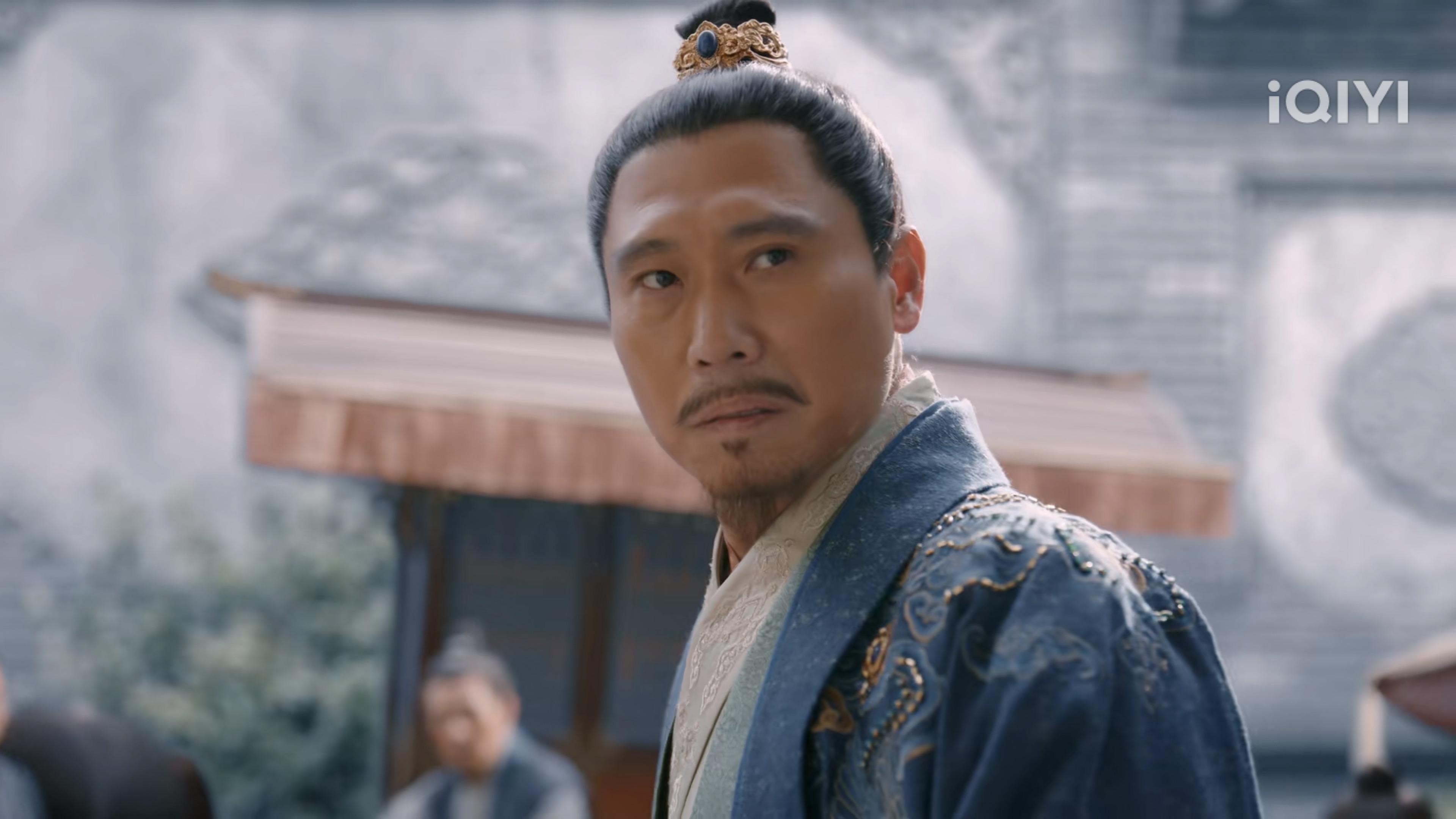
D. Yu Qian () - Wu Xingjian
A real official
Born: 1398
Died: 1457
Passed imperial examination in 1421
Later became Minister of War
Interestingly, Yu Qian's greatest historical achievements were considerably later than those shown in the novel.
Whilst serving in the government during the Yongle period, he later evolved into one of the most prominent political and military figures in the Ming Dynasty.
However, his most famous feat transpired in 1449.
This was the year of the Tumu Crisis.
I will discuss this in more detail as it was an hugely significant occurrence in Ming history.
For now, though, bear in mind that Yu Qian's association with Zhu Zhanji on his fifteen day journey is purely fictional. In reality, he did work for Zhu Zhanji and was instrumental in quelling Zhu Gaoxu's 1426 rebellion.
E. Wu Dingyuan and Su Jingxi
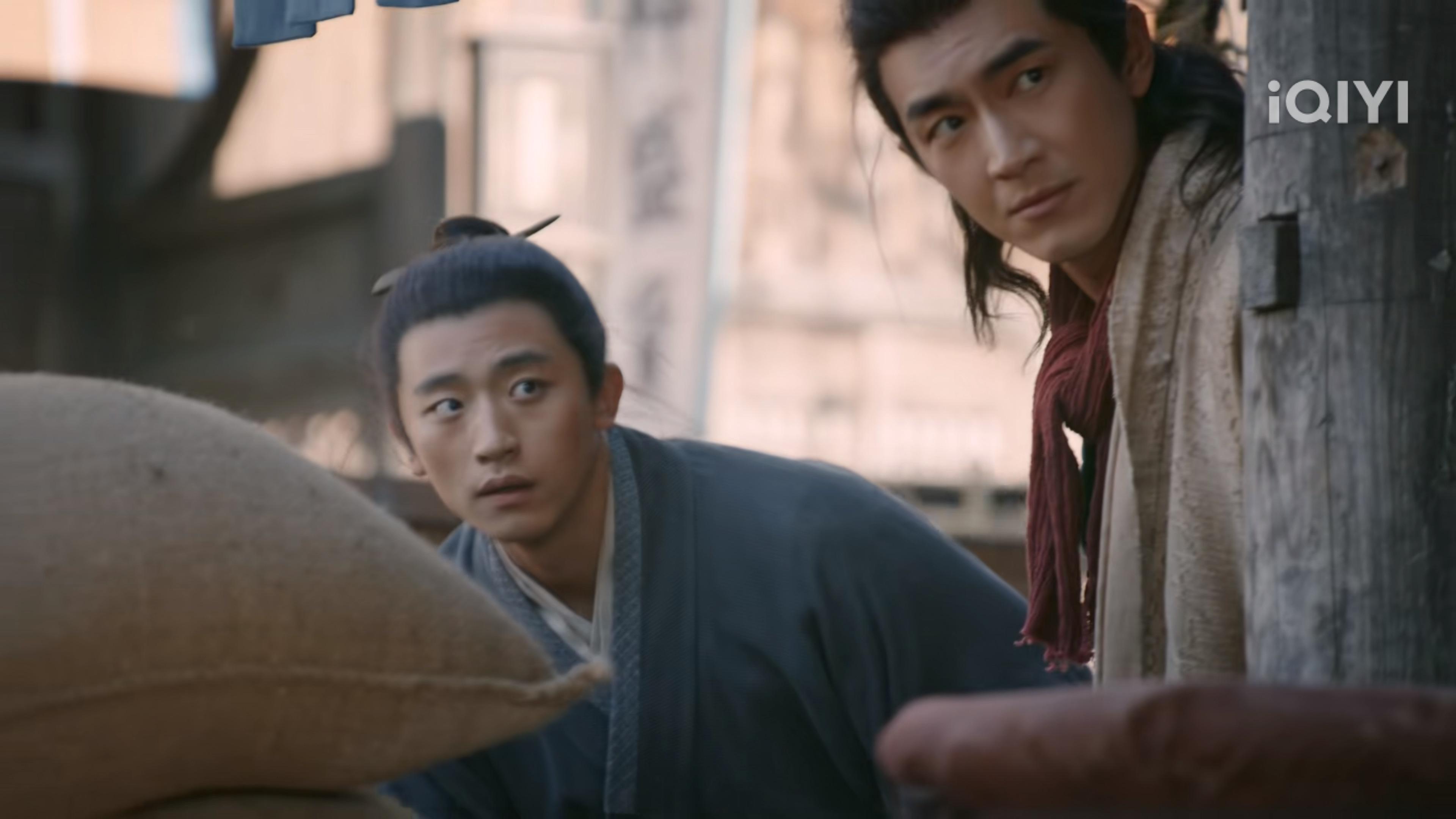
Wu Dingyuan
Played by Lin Gengxin
A fictional constable devised for the novel.
Su Jingxi
Played by Jiang Peiyao
A fictional female doctor also created for the novel.
Neither of these individuals is established as having been an actual companion of Zhu Zhanji on his journey.
Nevertheless, they offer an external viewpoint to the narrative and thus differ from the mainly privileged perspective of emperors, princes and ministers.
This is a key narrative strategy, as it enables the reader to experience, via ordinary people, the impact of political struggles.
4. Tumu Crisis (1449) – Yu Qian's real historical legacy
7
This is likely to be the most significant historical event to be aware of if you are studying Yu Qian.
It occurred 24 years after the events described in River of No Return.
What happened?
During 1449, the Ming Dynasty was governed by the Zhengtong Emperor (Zhu Qizhen), Zhu Zhanji's son.
The emperor had been heavily influenced by a powerful eunuch within the court, Wang Zhen.
On encountering a threat to the northern border from the Oirat Mongols, the emperor led a military campaign to combat them.
Unfortunately, this proved to be a disastrous course of action.
The Ming army was comprehensively defeated in the Battle of Tumu and the emperor was even captured.
Picture this:
- The emperor was held hostage by a foreign military force.
- The capital was in jeopardy.
- There was great disorder within the court.
- Some officials suggested that Beijing should be abandoned and that the court should relocate to Nanjing.
It was at this time that Yu Qian became of vital importance.
Whilst many wished to abandon Beijing, Yu Qian opposed this and insisted that the capital should be defended. He also coordinated the military and contributed to the preparation of Beijing's defence.
The Ming court then installed the captured emperor's younger half-brother, Zhu Qiyu, as emperor, taking the regnal name Jingtai.
As the Oirat forces advanced towards Beijing, Yu Qian was again pivotal in co-ordinating the city's defence.
Ultimately, the Ming successfully resisted the invasion.
As a result, Yu Qian became one of the most celebrated officials in Ming history.
Unfortunately, his later life was marred. In 1457, the former Zhengtong Emperor staged a coup and reclaimed power. Yu Qian was then accused of treason and executed.
Later, he was posthumously rehabilitated and honoured.
Why this is relevant to River of No Return:
Within the novel, Yu Qian is introduced as a young official accompanying Zhu Zhanji. However, in reality, he would go on to be the man who helped to save the Ming capital in one of its greatest crises. Interestingly, then, there is a marked difference between his fictional association with Zhu Zhanji and his historically significant role in Beijing's defence many years later.
5. What is fictional about River of No Return?
Ma Boyong has constructed a fictional adventure novel based upon a historical event.
Although we know from the historical records that Zhu Zhanji travelled to Nanjing, was recalled due to his father's illness and then returned to Beijing, we do not have full information concerning his journey.
This lack of detail allows the author scope for creativity.
Below is a comparison between the fictional and historical aspects of the narrative:
Drama/novel History
Zhu Zhanji travels from Nanjing to Beijing Yes
Zhu Zhanji's father falls ill Yes
Hongxi Emperor dies in 1425 Yes
Zhu Zhanji receives his father's last decree Yes
Zhu Zhanji arrives at Liangxiang Yes
Fifteen days of exciting events Fiction
Explosion of the Nanjing treasure ship Fiction
Persistent assassination attempts Fiction
Wu Dingyuan accompanies Zhu Zhanji Fiction
Su Jingxi accompanies Zhu Zhanji Fiction
Yu Qian accompanies Zhu Zhanji Fiction
Political intrigue over Zhu Zhanji's journey Fiction
Zhu Gaoxu's ambition Yes
Zhu Gaoxu rebels in 1426 Yes
Whilst the drama may not be attempting to precisely re-enact all historical events, it is utilising an actual historical issue of succession to form the basis of a fictionalised historical thriller.
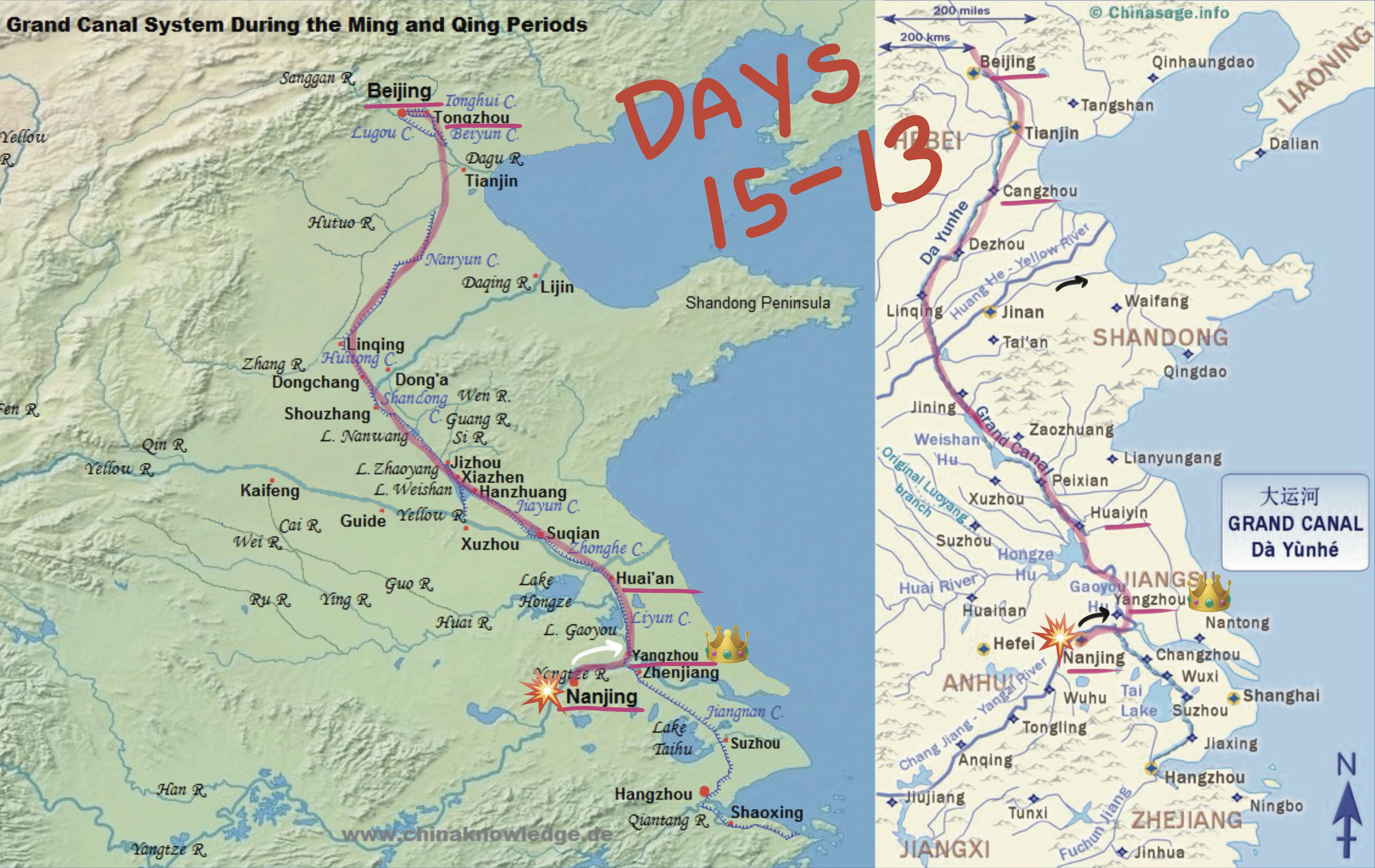
6. The Grand Canal – Why is it so crucial in the narrative?
12
As well as being a visually attractive historical feature, the Grand Canal was one of the most important transport and economic networks in China.
It enabled items such as grain to be transported between the northern and southern parts of the country.
For the Ming government in particular, this was highly relevant as Beijing required goods from the more agriculturally productive southern areas.
As a result, the Nanjing-Beijing journey possesses far greater geographical and political importance.
🏯
📍
🏯
Use two fingers to move the map
Use ctrl + scroll to zoom in/out
Nanjing4.6Tourist attractionClosed
Liangxiang5.0Hospital
Beijing
Note: Although the map highlights key historical sites, it does not accurately represent the precise daily route that Zhu Zhanji is believed to have taken. Unfortunately, no such detailed information has survived in the historical record.
The novel uses the Grand Canal as a focal point to create a race against time narrative. It incorporates the canal, towns and people into the storyline.
7. What occurred following Zhu Zhanji becoming emperor?
Here the story of the actual historical Zhu Zhanji is continued.
sohu.com
He reigned from 1425 to 1435 and his rule is generally seen as one of the relatively prosperous eras in the early Ming Dynasty.
Ren-Xuan Governance (仁宣之治)
Together, the reigns of the Hongxi and Xuande Emperors are associated with the Ren-Xuan Governance.
This was noted for:
- Good government management.
- Economic revival.
- Agricultural progress.
- Tax reduction and disaster relief.
- Compared with some of the earlier campaigns of the Yongle period, the government adopted a more moderate approach.
Despite amending his father's policies in a number of ways, Zhu Zhanji continued many of his father's internal governing methods despite his decision not to follow through with his father's plans to move the capital.
His relationship with his mother
Zhu Zhanji's mother was Empress Zhang, later becoming Empress Dowager following Zhu Zhanji's accession to the throne.
She was a highly influential member of the imperial family and court.
Following her son's death she still held significant influence during the subsequent reign.
His connection to the arts
Zhu Zhanji was also an exceptionally interesting emperor as he was highly artistic.
Not only was he a skilled painter and calligrapher, but paintings are still extant in museums which are believed to have been produced by him.
Another distinctive trait of his was an enthusiasm for cricket fighting - an unusual hobby for a Ming emperor.
His death
Zhu Zhanji died on 31 January 1435, aged 35.
His son, Zhu Qizhen, then became emperor and reigned as the Zhengtong Emperor.
Interestingly, this was the same emperor who would one day be captured during the Tumu Crisis in 1449.
Visit Beijing+2
8. The greatest historical irony of the narrative
It is quite intriguing how events unfolded in chronological order.
Zhu Zhanji's journey had been linked to his father's plan to move the capital back to Nanjing.
Yet, upon his father's passing, Zhu Zhanji became emperor and decided to retain Beijing as the capital.
Just one year later he had to contend with his uncle's rebellion.
And then, many years later, the same capital was again subjected to a major crisis. Once more, Yu Qian was centrally involved in saving it.
Therefore, the historical background to the narrative illustrates how three major events from the early Ming period were inter-related:
Early Ming history chronologically
- 1368 – Founding of the Ming Dynasty
Zhu Yuanzhang founds the Ming Dynasty and sets Nanjing as the capital.
2. 1402 – Yongle Emperor comes to the throne
Zhu Di becomes emperor following the Jingnan Campaign.
3. 1421 - Beijing becomes the main capital
The Yongle Emperor's decision to move the capital is implemented.
4. 1424 - Hongxi Emperor ascends the throne
Zhu Gaochi becomes emperor.
5. April-May 1425 - Journey
Zhu Zhanji is sent to Nanjing. His father then falls ill and the Crown Prince is recalled.
6. 29th May 1425 - Hongxi Emperor dies
Zhu Zhanji's father dies.
7. 27th June 1425 - Zhu Zhanji becomes emperor
Zhu Zhanji officially assumes the role of emperor and reigned as the Xuande Emperor.
8. 1426 - Zhu Gaoxu rebels
The new emperor thwarts his uncle's rebellion.
9. 1435 - Xuande Emperor dies
Zhu Qizhen becomes emperor following the death of his father.
10. 1449 - Tumu Crisis
Zhu Qizhen is captured. Yu Qian organises Beijing's defence.
11. 1457 - Yu Qian is executed
Following the Zhengtong Emperor's restoration to power, Yu Qian is executed and then later rehabilitated.
9. Other useful historical resources
If you wish to explore historical information in addition to that provided by the narrative, then the following are particularly helpful:
- History of Ming (Mingshi) – Particularly the annals of Renzong (Hongxi) and Xuanzong (Xuande). These detail Zhu Zhanji's recall, his father's death and Zhu Zhanji's return from Nanjing. Read the annals of the Hongxi Emperor and Read the historical account of the succession ceremony.
- Chinese Text Project: Biography of Xuande Emperor - Information about his biography, accession and reign.
- Beijing's history of the Xuande Emperor - Details of his achievements, interests and the rebellion of Zhu Gaoxu.
- Biography of Yu Qian - His role in the Tumu Crisis and defence of Beijing.
- UNESCO: Ming Imperial Tombs - Historical information about the Ming emperors and the Ren-Xuan period.
Overall reflection: History versus the narrative
Whilst Zhu Zhanji's journey is historical, the fifteen days' adventure is predominantly the product of Ma Boyong's imagination.
In fact, I believe that this is what makes this adaptation so historically interesting.
Whilst not merely a defenceless prince being chased by assassins, the real Zhu Zhanji was an imperial heir who had been ensnared in major political change. Not only had his grandfather moved the capital, but his father had intended to reverse this action. Moreover, Zhu Zhanji's unexpected accession had altered the dynasty's direction.
Later, Yu Qian would emerge as one of the most important officials in the dynasty's history.
Furthermore, Zhu Gaoxu's ambition had presented a genuine risk to the new emperor.
Thus, the fictionalised journey brought together three authentic historical strands – namely, the 1425 succession, 1426 rebellion and 1449 defence of Beijing.
Source :
- History of Ming (Mingshi, 明史) — Volumes 8 & 9 (Annals of Renzong and Annals of Xuanzong), via the Chinese Text Project (ctext.org)
- Veritable Records of the Ming (Ming Shilu, 明实录) — Taizong Shilu, Renzong Shilu, and Xuanzong Shilu
- The Cambridge History of China, Vol. 7: The Ming Dynasty, 1368–1644, Part 1 (Frederick W. Mote & Denis Twitchett) — for context on the relocation of the capital, Zhu Gaoxu's rebellion, and the Tumu Crisis
- Ma Boyong, Two Capitals, Fifteen Days (Liangjing Shiwu Ri, 两京十五日) — for the fictionalized plot and characters