r/ipace • u/Short-Draft6891 • 2d ago
Jaguar I-PACE – Battery Casing Damage, Failed Pressure Test and £20k+ Replacement Quote – Advice Needed

Hi everyone,
I'm looking for technical advice or experiences from other Jaguar I-PACE owners, particularly anyone who has dealt with high-voltage battery enclosure damage, pressure testing or module replacement.
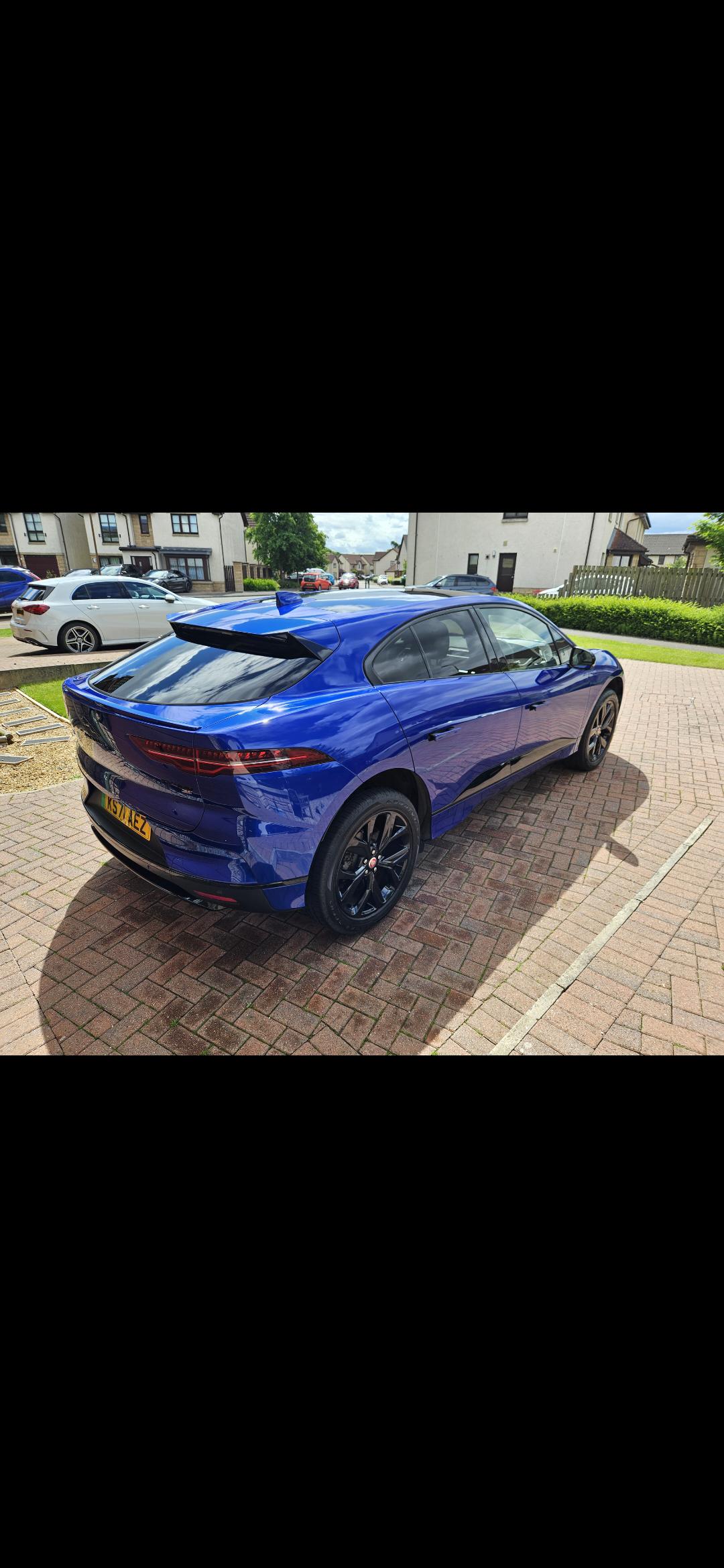
I own a 2019 Jaguar I-PACE EV400, purchased used in Australia approximately 12 months ago.
Background
The car has experienced a number of electrical issues this year, including 12V battery problems, intermittent starting issues and InControl connectivity faults.
Following an investigation by Jaguar Australia's technical support team, I was advised to take the vehicle to an authorised Jaguar dealership for further diagnostics.
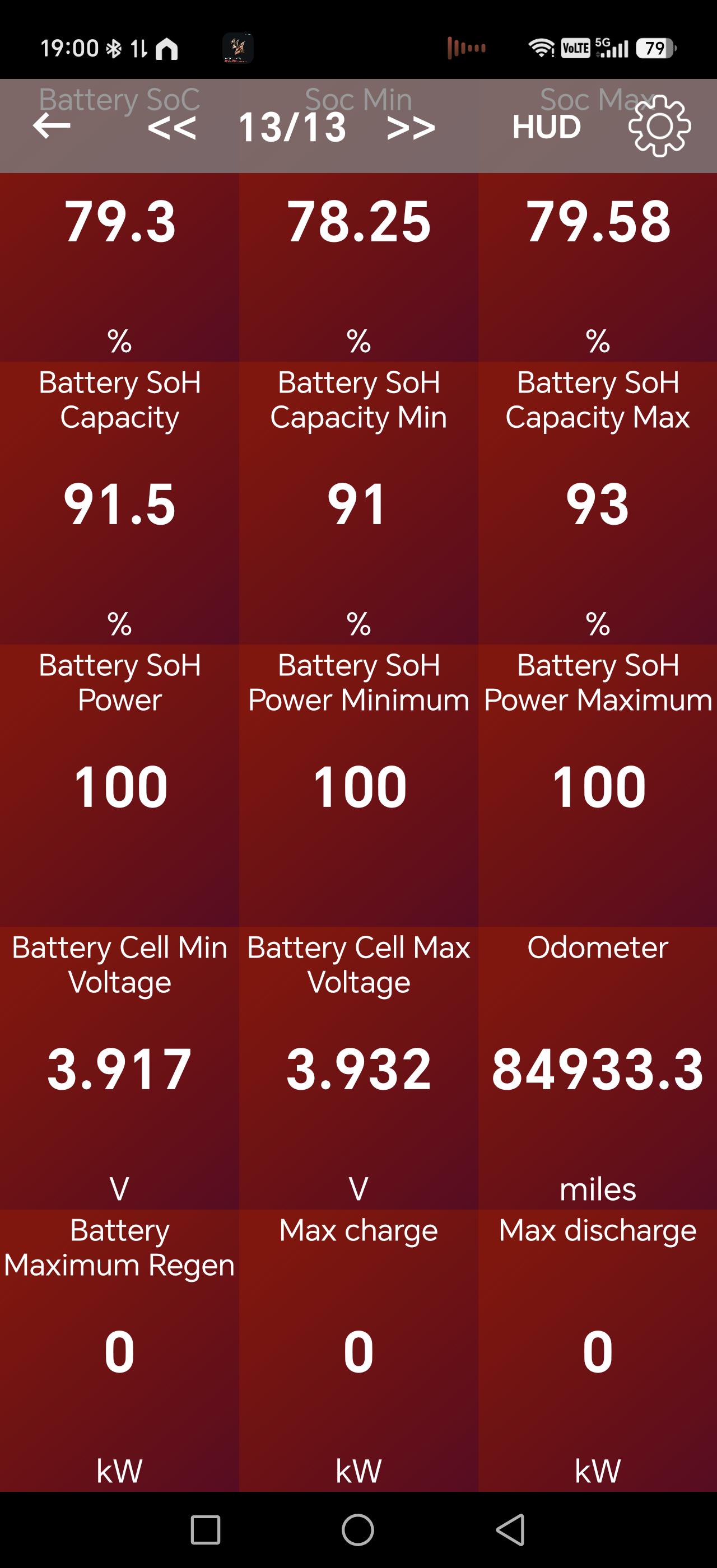
The dealership subsequently identified two faulty high-voltage battery modules (25 and 34), which I understand were approved for replacement under Jaguar's battery warranty.
However, before carrying out the module replacement, the workshop discovered a dent/abrasion on the underside of the battery casing.
They subsequently conducted an air-pressure test of the battery enclosure, which they advised had failed.
As a result, Jaguar is now saying that the entire battery enclosure must be replaced before the warranty module replacement can proceed.
The problem
The quotation for replacing the battery enclosure is approximately AUD $43,450 (around £20,000+).
This exceeds the approximately AUD $37,500 I paid for the vehicle.
The dealership has advised that enclosure replacement is the only option and that a localised repair cannot be undertaken.
Interestingly, the vehicle was operational and successfully DC charging when I delivered it to the dealership. I have now been informed that it will no longer charge, although I'm awaiting a technical explanation.
I'm also investigating an outstanding H570 high-voltage battery safety recall and whether this should have been identified during an earlier dealership inspection.
Questions for owners and EV technicians
1. Battery enclosure pressure testing
- Does anyone know the official Jaguar I-PACE battery enclosure pressure-test specification?
- What test pressure is applied, in kPa, mbar or psi?
- I've seen references suggesting a test pressure of approximately 20–30 mbar, whereas the Kane pressure-testing instrument used by the dealership shows a reading of approximately 49 mbar. Can anyone confirm the correct Jaguar specification and whether these readings are directly comparable? Does 49 mbar represent the applied test pressure or a pressure-loss measurement?
- What is the permitted pressure drop or leakage rate, and over what period?
- Is there a distinction between a minor air leak and a failure of the enclosure's required water-ingress protection?
- Has anyone had a casing fail an initial test and subsequently pass following a localised repair?
2. Battery enclosure repair options
- Has anyone successfully repaired a dented, abraded or locally damaged I-PACE battery enclosure?
- Are there specialists who can repair the aluminium enclosure using approved welding or other sealing methods, followed by appropriate pressure and electrical safety testing?
- Is Jaguar's requirement to replace the complete enclosure a strict manufacturer policy, or is there a recognised technical repair procedure for certain types of damage?
- Has anyone sourced a replacement enclosure separately, rather than purchasing a complete new battery assembly?
3. Battery-module replacement
- Has anyone had individual battery modules replaced under Jaguar's high-voltage battery warranty?
- If casing damage is identified, does Jaguar automatically refuse to proceed with the module replacement until the casing is replaced?
- Has anyone negotiated a manufacturer-approved repair or goodwill contribution where the replacement enclosure cost exceeds the vehicle's market value?
4. Charging after diagnostics
The vehicle was DC charging before entering the workshop but reportedly cannot charge now.
Could battery diagnostic procedures, isolation of the high-voltage system, or a battery safety lockout explain this change?
What I'm hoping to achieve
I'm not looking to compromise safety or bypass Jaguar's high-voltage battery requirements.
I'm trying to understand whether there is a technically sound, safe and independently verifiable method of repairing an otherwise serviceable battery enclosure, rather than replacing it at a cost exceeding the vehicle's value.
If anyone has access to Jaguar's official battery enclosure pressure-test specifications, relevant TOPIx repair procedures, or experience with independent high-voltage battery enclosure repairs, I'd be extremely grateful.
Recommendations for reputable EV battery specialists in Australia or internationally would also be appreciated.
Thanks in advance for any advice or experiences you can share.