Millions Invested in Robotic Cosmetic Dentistry
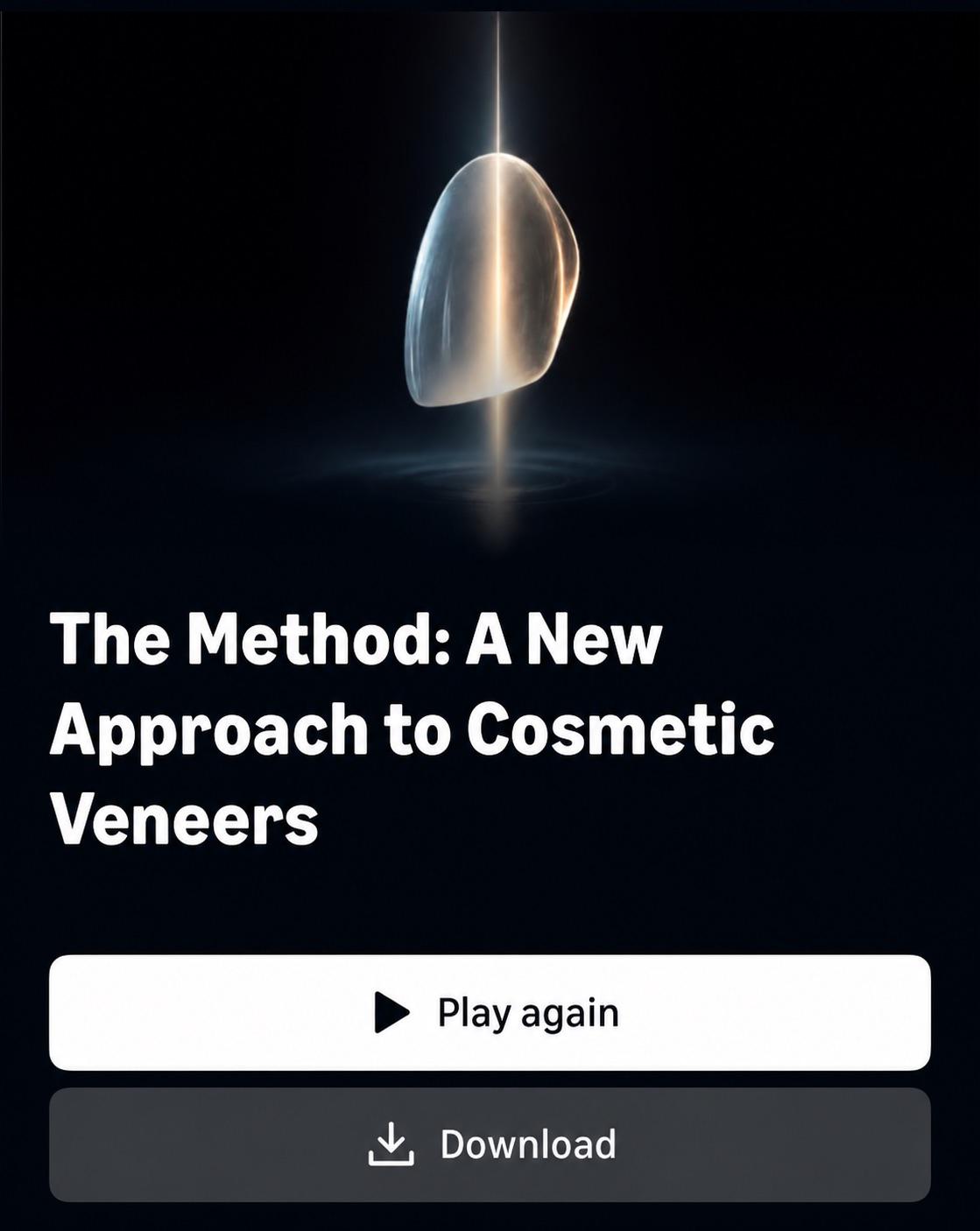
On October 15, 2026, French medical technology company Lupin Dental announced the first installation of its robotic dental system in the United Kingdom. The company recently raised €15 million to advance its technology, which uses supervised robotics to prepare natural teeth for porcelain veneers.
While the system promises greater precision, efficiency, and preservation of healthy tooth structure, its introduction raises an important question:
Is modern dentistry becoming more focused on making cosmetic procedures faster and more profitable rather than preserving natural teeth?
The Growing Porcelain Veneer Epidemic
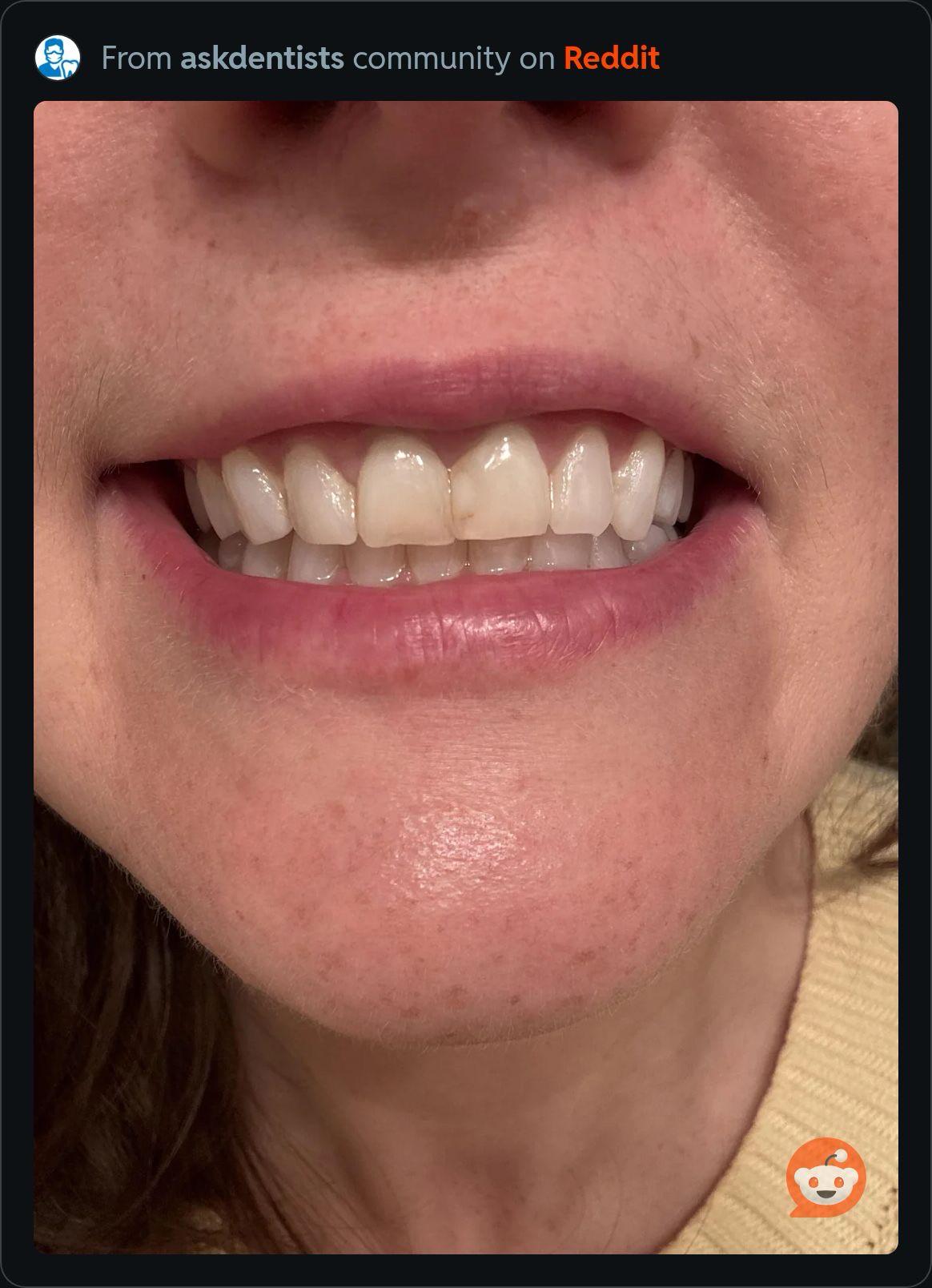
Social media continues to normalize dramatic smile transformations, with perfectly white porcelain veneers increasingly portrayed as the standard of beauty. What often gets overlooked is the permanent removal of healthy enamel required for many veneer procedures.
Once enamel is removed, the body cannot naturally regenerate it. Patients may face a lifetime of maintenance, replacement restorations, additional expenses, and potentially further tooth structure loss.
With AI, digital technology, and robotics increasingly influencing cosmetic dentistry, concerns are growing about the industrialization of smile makeovers. Just because technology makes it easier to prepare healthy teeth for veneers doesn’t mean those teeth should be altered in the first place.
Does Your Dentist Always Have Your Best Interests at Heart?
Many dentists genuinely prioritize conservative treatment, but cosmetic dentistry is also a highly profitable business. Patients should never assume that an expensive recommendation is automatically the best option.
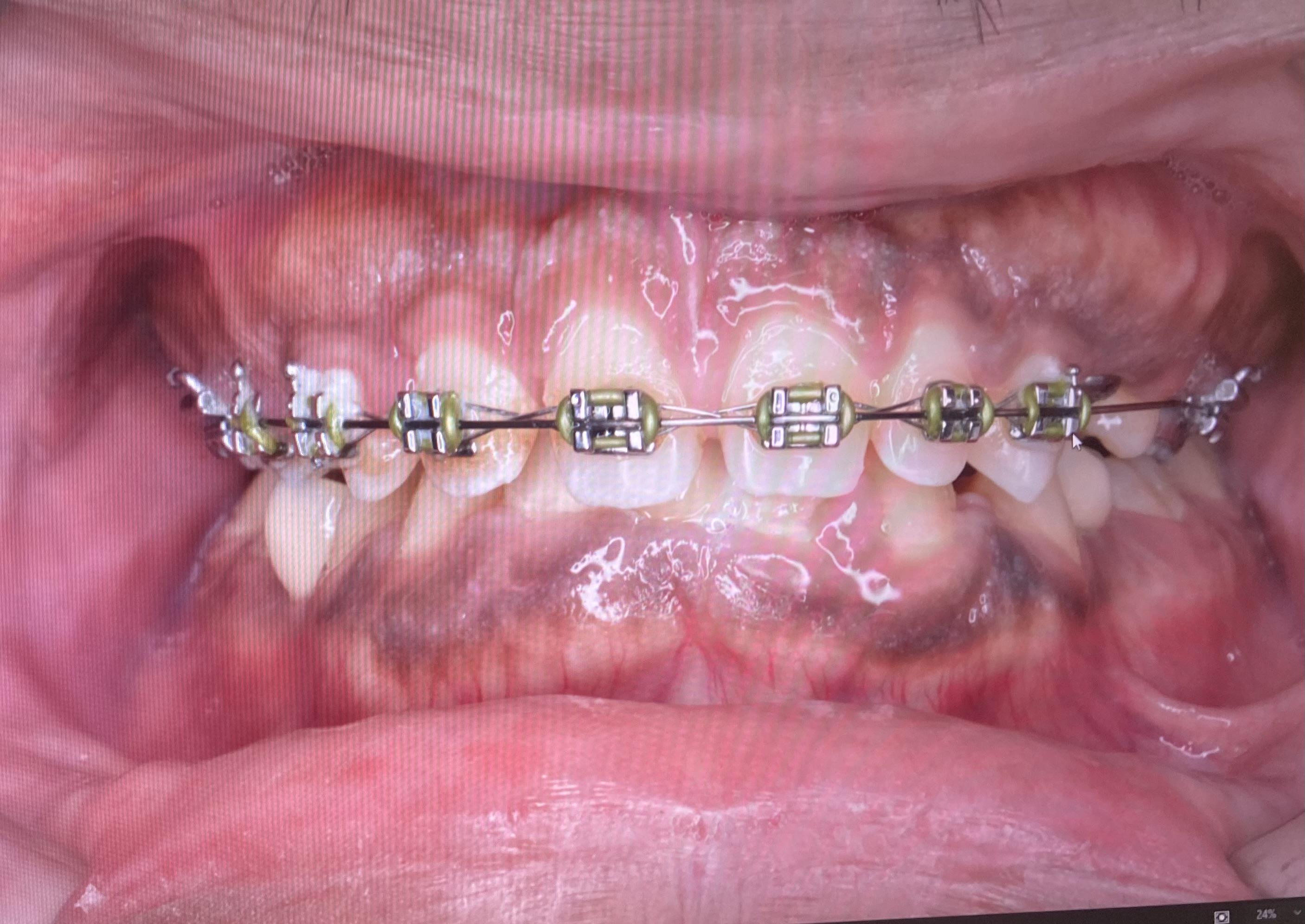
Before agreeing to porcelain veneers, patients should ask how much healthy enamel will be removed, whether alternatives such as enhanced composite bonding or orthodontics could achieve similar results, and what happens when the restorations eventually need replacement.
Meanwhile, research into stem cells, enamel regeneration, and growing natural teeth continues, yet these treatments remain largely experimental.
Significant investment is flowing into technology that prepares teeth for artificial restorations while biological regeneration remains out of reach for everyday patients.
Protect Natural Teeth Before It’s Too Late
Robotic dentistry isn’t necessarily the problem. Greater precision and less invasive preparation could benefit patients. The concern is an industry increasingly driven by cosmetic trends, aggressive marketing, and procedures that permanently alter otherwise healthy teeth.
Natural teeth are not disposable. No porcelain veneer, crown, or robotic system can fully replace the biological structure of a healthy natural tooth.
Patients deserve transparency, informed consent, and conservative alternatives before undergoing irreversible cosmetic procedures.
The future of dentistry should focus on preserving natural teeth, not simply developing faster and more sophisticated ways to alter them.
Protect natural teeth. Question unnecessary procedures. Seek independent second opinions.
Beauty Beyond Veneers — Advocating for Natural Tooth Preservation, Patient Education, and Informed Consent.
Source: Lupin Dental Announces Its First Installation in the United Kingdom — October 15, 2026