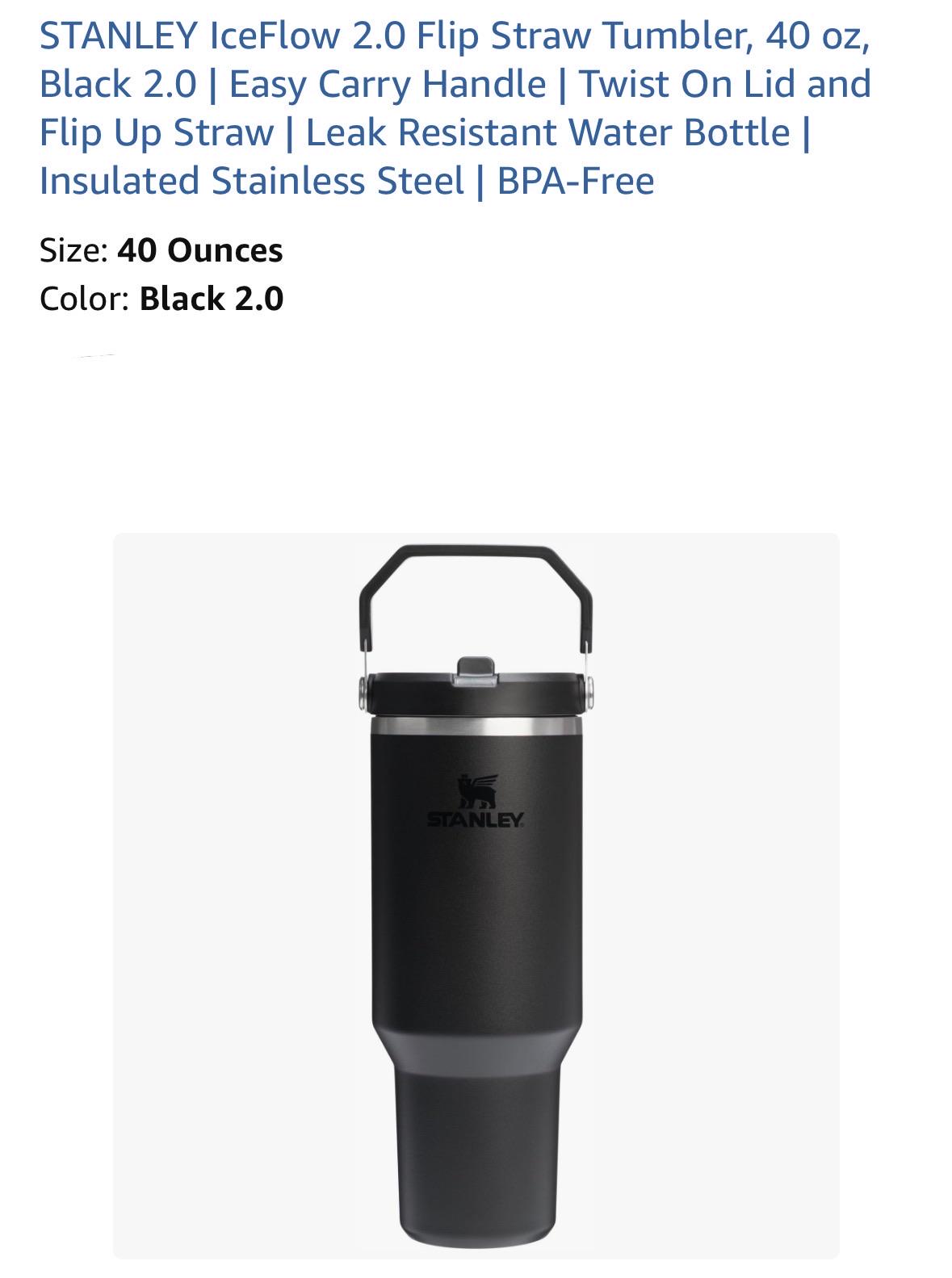
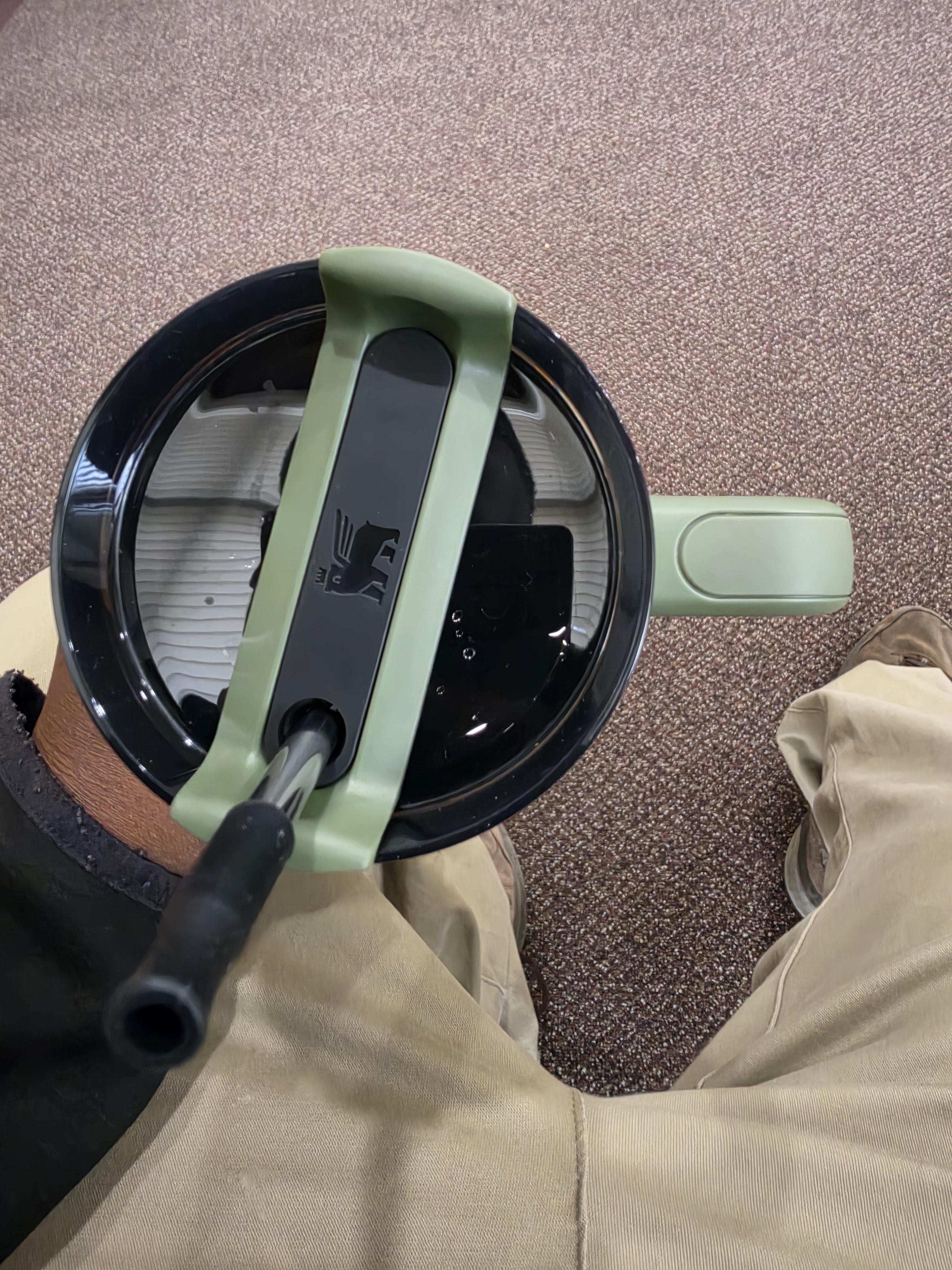
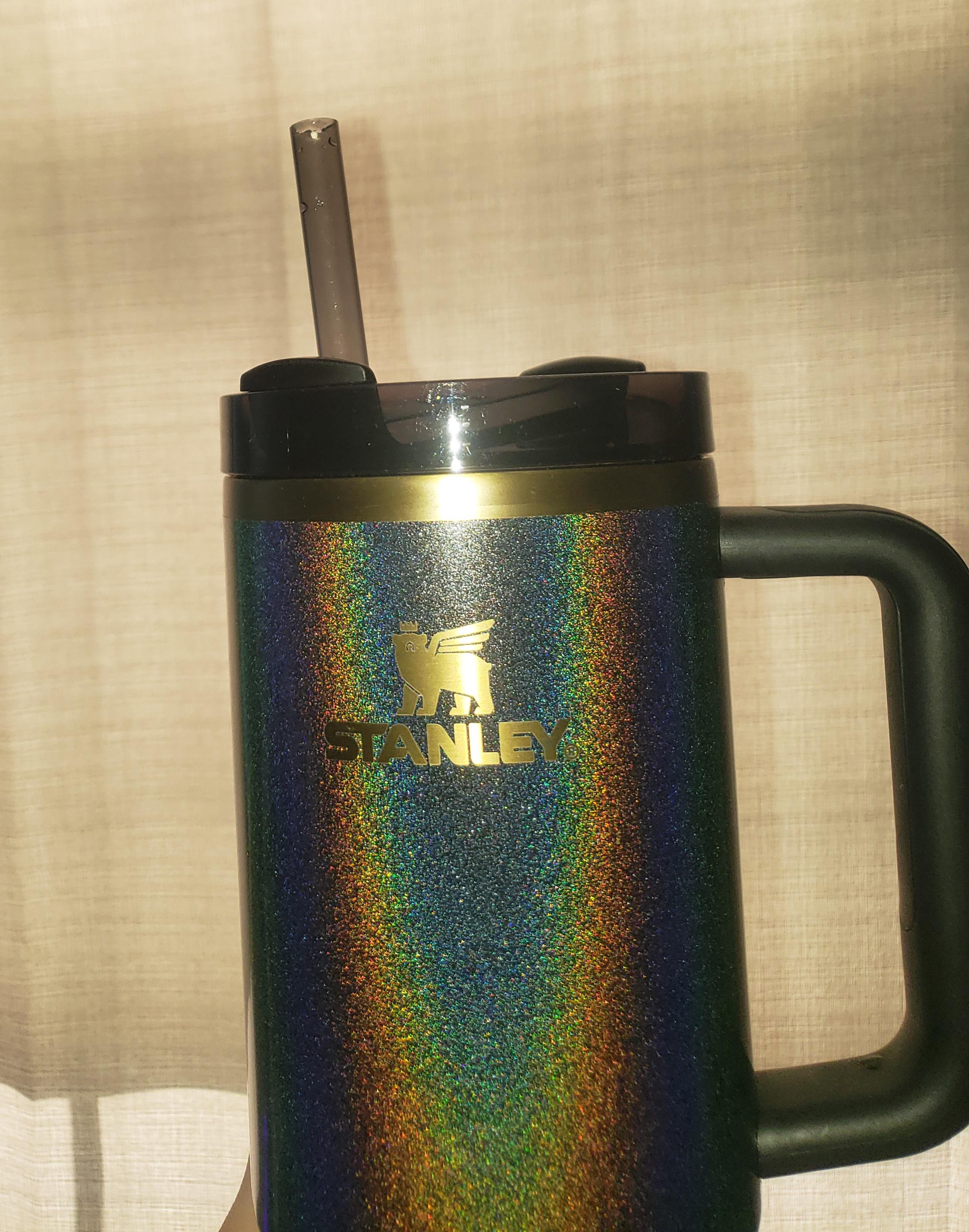
The official release for the Bordeaux Lace and Black Magic Stanley collection is here, September 17th! 🎃✨
Whether you’re trying to land one today, got lucky, waiting on shipping, or got stuck in the queue, this megathread is for you:
Got lucky? Post your order confirmations, haul photos, and first impressions!
Missed out? Rant, vent, and share your checkout struggles.
Anything release-related: this is the right place
A quick reminder: Please post all your drop-day wins, losses, and order screenshots right here in this thread to help keep the main subreddit feed clutter-free.
oftentimes people worry about lead in Stanleys. Some online sources even recommend to throw Stanleys out because of the lead.
It's time to stop the bullshit and learn about the actual facts!
Disclaimer: I'm not a doctor nor a scientist nor affiliated with Stanley. I'm just a Stanley fan and general nerd who works in a field related to hazardous substances/ dangerous goods and I can do research, love science and facts. English is not my first language so excuse any weird wording.
What's Stanleys statement to the whole lead discussion?
Our manufacturing process currently employs the use of an industry-standard pellet to seal the vacuum insulation at the base of our products; the sealing material includes some lead. Once sealed, this area is covered with a durable stainless steel layer, making it inaccessible to consumers. Rest assured that no lead is present on the surface of any Stanley product that comes into contact with the consumer nor the contents of the product. In the rare occurrence the base cap of a product comes off due to ordinary use and exposes this seal, it is eligible for our Lifetime Warranty.
Is there actually lead in a Stanley cup?
Yes. But don't worry. Keep on reading
Is lead harmful if I get in contact with it?
Yes. But please keep on reading. Lead, a heavy metal, is harmful because it can negatively impact almost every organ and system in the body, with children being particularly vulnerable. Exposure to lead, even at low levels, can lead to a range of health problems, including developmental delays, learning difficulties, and behavioral issues. In adults, lead exposure can cause high blood pressure, kidney damage, and reproductive health problems.
Lead can for example leach from old lead pipes into drinking water, contaminating the water supply and posing risks to human health. If you have lead pipes in your home this is something to worry about!!! If you have lead pipes, let the water run for 3-5 minutes before using it for cooking/ drinking (or buy bottled water).
Can I get lead poisoning from using my Stanley?
No. At least not if it's intact.
Why not? How does a Stanley work?
A Stanley, like all other insulated cups, is made from 2 layers. Some are made from glass, Stanley's layers are made from stainless steel. There is no lead in the layers, no lead in the stainless steel. The stainless steel is food-safe. Metals such as nickel and chromium in tiny amounts can leach from all sorts of metallic kitchenware (bottles, cups, pots, pans). If you worry about that I suggest you do some research on that and find materials that work for you. Keep in mind please: everything is chemicals. We are made from chemicals. Water is a chemical. A strawberry is chemicals. Always the dose makes the poison.
Back to the topic: to get the insulation effect (the temperature inside the cup lasts for a long time, no matter what the temperature on the outside ist) we need something between the layers that insulated. This could be styrofoam or "nothing" - a vacuum. The vacuum insulation minimizes heat transfer by creating an insulating barrier between the inner and outer layers of a vacuum-insulated container. With no air or gas molecules present, conduction and convection are virtually eliminated, keeping the contents at a stable temperature for extended periods.
The inner and outer layer are welded together at the top. So how do we get and keep the air out of the area between the inner and outer layer? The air is evacuted in a technical process and the outer layer is then sealed off. Think of it like filling a balloon with air and then tying up the end - just the other way around.
And this is were the lead comes in. The lead is used to tie up the Stanley at the bottom to keep the vaccum in/ to keep the air out. It melts during this technical process and seals the outer layer.
To seal off the lead the round "medallion" or plate is attached at the bottom of the cup.
That's not a problem because this will not affect the function and has no effect on the lead.
How could damages of my Stanley become harmful?
You should stop to use the Stanley and file a warranty claim with Stanley: - if the round metal medallion/ plate on the bottom comes off - if the inner layer has a hole: in this case the insulation would be gone and liquid would flow into the area between the inner and outer layer and would come into contact with the lead. If there was liquid between the layers also mold and whatever goo could grow there.
Be especially cautious when you have small children that might play with the cup and maybe intentionally or accidentally remove the medallion/ plate.
Don't touch the area were the plate came off. Just pack the cup in a bag or box. Solid lead does not cause any contamination of the air.
But there are insulated cups without lead?
Yes, some other brands use other materials to seal off the vaccuum such as crystalline silica or other measures (trade secret). According to this Wired article Owala, HydroFlask, Klean Kanteen, Sigg don't use lead. But Yeti, MiiR, LifeStraw also use lead. It's a decision of the brand and probably a question of how the manufacturing process is, how well alternatives work. "Non-lead brands" use this as a marketing claim advertising their cups as "lead-free". After having understood the lead situation it's up to you whether this is important to you when it comes to choosing a brand or product.
From a point of occupational health and safety it would be better for the workers not having to work with lead or hopefully the process is designed in a way that protects them . for example is everything where lead is involed is done by a maschine/ inside a closed compartment.
Are fake Stanleys more harmful, what about them and lead?
Nobody can tell for sure. I personally think the fakes are manufactured in the same way so they will also have the lead-seal. The fakers probably don't put any efforts in finding a replacement for the lead. The inner and outer layer of fakes is also made from stainless steel. We don't know for sure what quality this stainless steel is. I believe it's 304 because older fakes/ some fakes have the SUS304 imprinted at the bottom. 304 grade steel does not contain lead. While stainless steel itself doesn't naturally contain lead, some stainless steel products may have lead due to manufacturing processes or the presence of lead-containing components on site. You should always wash new household products that come into contact with foodstuff before using them with water and soap.
Maybe the plate is not as well attached as on authentic Stanleys, maybe it comes off easier. There are other reasons why fakes suck, I personally (!) don't think lead is one.
Can I just say I absolutely adore Beetroot Shimmer! Normally I prefer matte Stanley's, but this has me mesmerized. If you haven't gotten this one, I highly recommend it! Bonus salt shimmer as well, not as exciting, but still lovely. I'll try and drop a video of beetroot in the comments.
I found this Stanley thermos at home and I’m trying to identify the exact model. Here are the details: Orange body with a large light-blue graphic. 17 oz / 500 ml capacity (printed on the bottom). Push-button lid with a locking mechanism. The lid looks somewhat similar to the Quick Flip or Trigger-Action designs, but I’m not sure. I’ve searched online but haven’t been able to find the exact same design. Does anyone recognize this model? Could it be an older Stanley model or a special edition? Also, does it look authentic? Any help would be appreciated!
I have a 30oz Stanley tumbler specifically because of the brand’s reputation for durability and their lifetime warranty. Stamped directly onto the bottom of the cup is **"**DISHWASHER SAFE”
After a standard wash in the dishwasher, the powder-coated finish chipped and scuffed up across the body and base, and the printed Stanley logo started flaking off. I reached out to Stanley customer support expecting them to stand behind their product. Instead, they denied my warranty claim—calling it "cosmetic damage" that falls outside their lifetime warranty.
The best part? In the very same email denying my claim, their rep wrote:
"For future care, even on dishwasher-safe items, we generally recommend hand-washing with warm water and mild dish soap... to help preserve the exterior finish."
How do you stamp "DISHWASHER SAFE" into the metal of a $40+ cup, have the finish fail during regular advertised use, and then tell the customer they should have hand-washed it anyway? If a product can't survive a dishwasher without the coating and logo peeling off, it isn't dishwasher safe. Has anyone else dealt with this runaround from Stanley lately?
Untill they fix the error on the site (it has finally been send to the right department)
I got myself a 0,35L Café-To-Go Travel Mug from the Stanley Create program.
They messed up the logo slightly at the bottom (an arch instead of a straight line, the signed consent preview didn’t had this) but this does fit under our build in coffee machine.
I tried all the tricks I read here, such as starting the straw hole at 9:00 so it ends up at 6:00, fixing the gasket, and drying off the threads before tightening. Most of the time, that stuff works just fine!! But today for whatever reason I guess due to condensation on the lid or something that I didn't dry off properly, it tightened too far into the 7:00 territory and its bothering my OCD that its not lined up. If I turn it back to the 6 position, in my mind now its not tight enough since it was able to turn farther this time. Why does this only happen sometimes!! Ugh
I’d like to get it for my friend because she likes this specific shape but I can’t see to find an exact match on the Stanley website? does it have a name?
Honestly, I'm at a crossroads here. I've been thinking about just giving away some of my cups to thrift shops. Selling them feels like too much hassle for me. I don’t have a huge collection, maybe around ten, but it's enough to make my kitchen feel cluttered and my cabinets stuffed. I hardly ever use them. The last one I picked up was the Olivia Rodrigo cup. I can't believe I spent $70 on it, especially since I don't even really like it. It's still just sitting in the box it arrived in. I got caught up in the hype and ended up buying it for no good reason.
I get that these cups bring a lot of happiness to others, and I definitely don’t want to undermine that. But for me, my excessive buying has turned into something pretty negative. Am I done with collecting? I'm not sure. I think the only way I'd consider getting another cup is if it’s one I truly can't live without.
I have multiple water bottles that i rotate between. I used to put them in the dishwasher.
Recently i discovered chipping and upon further research figured handwashing is the way to go.
How do i dry them? Before storing them. Do i leave them on a drying mat more efficiently? (It takes a lot of time or holds on to moisture or leaves mild stains (soap i assume) Do i use a paper napkin?