Why is art important in our culture?
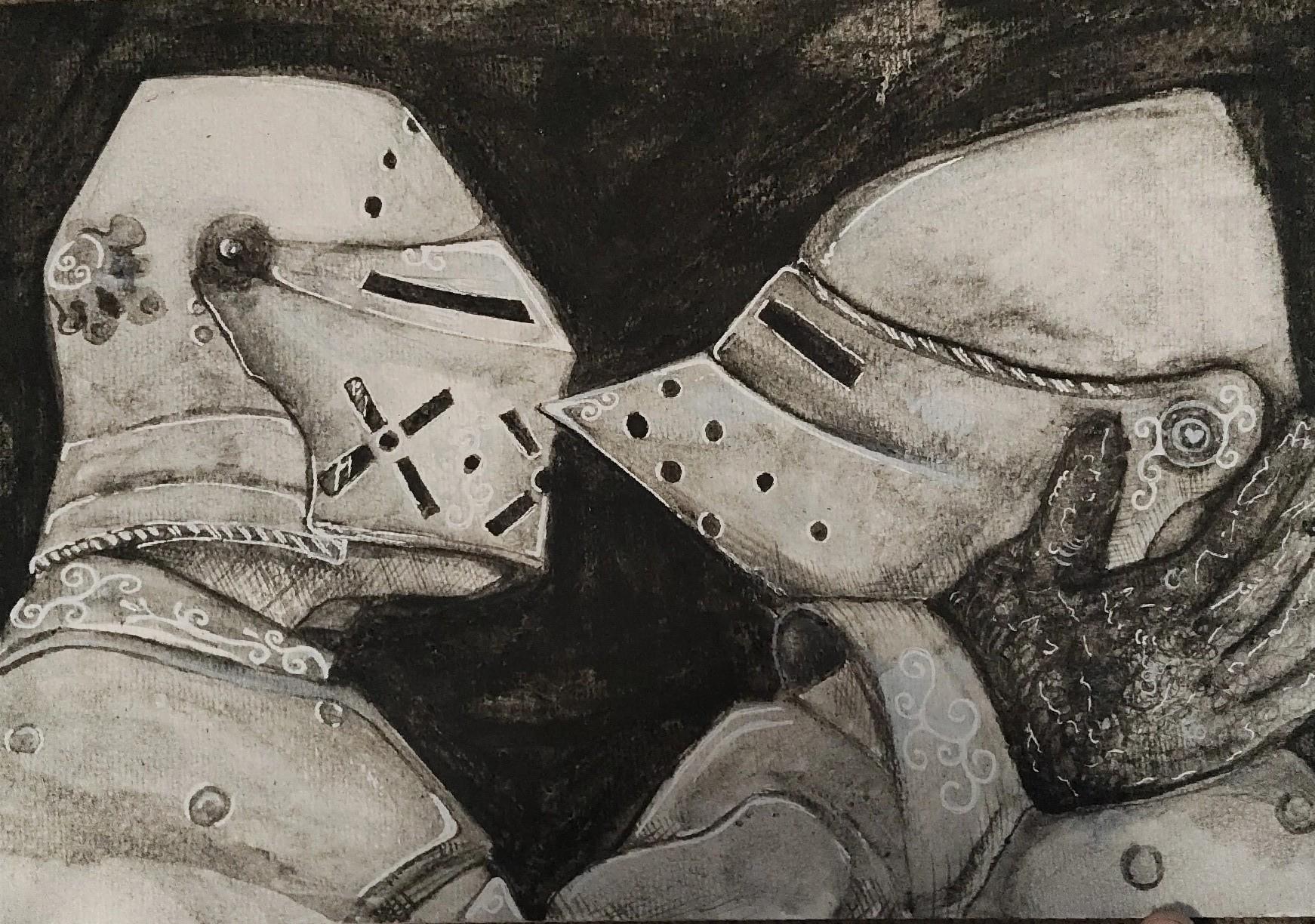
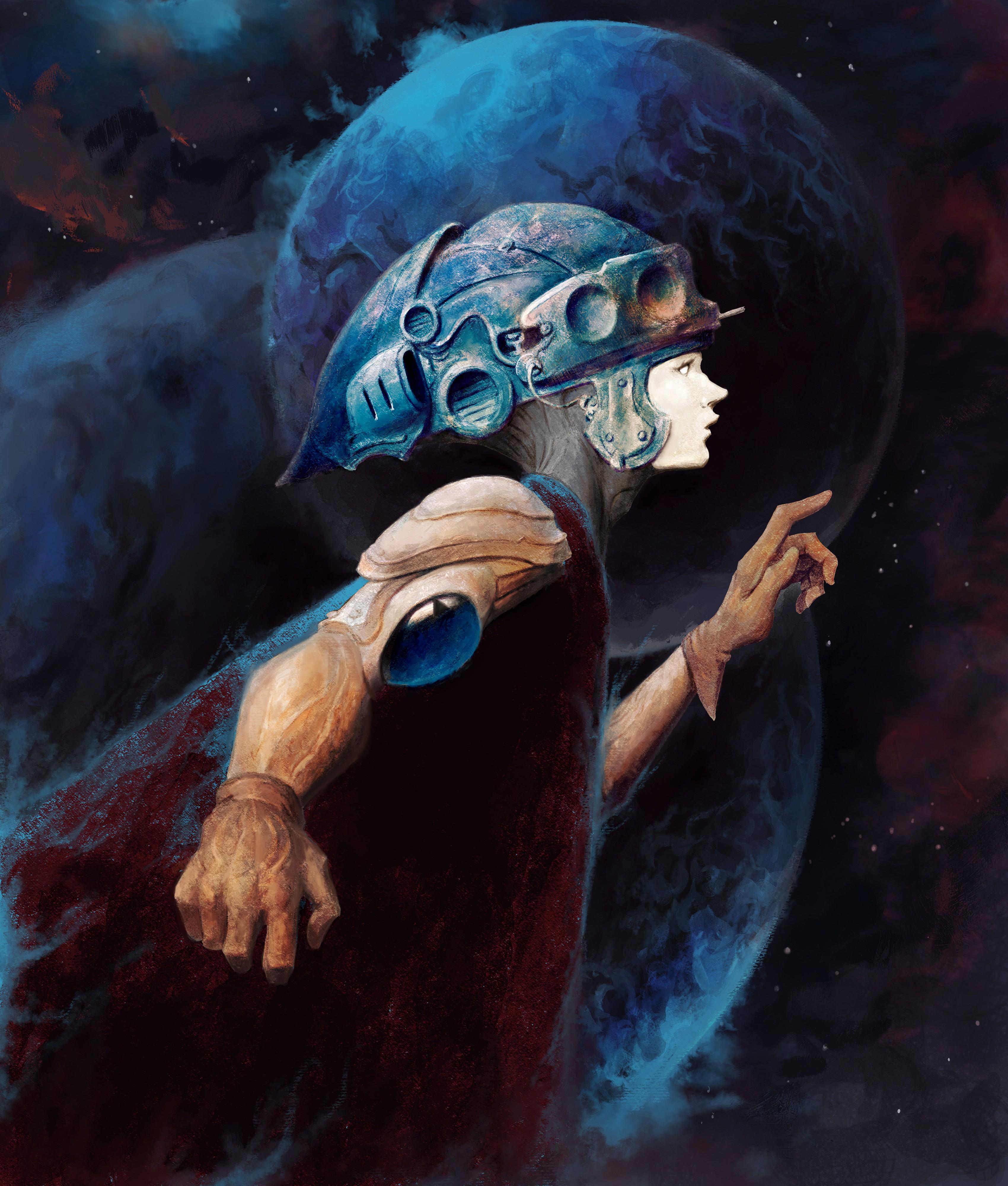
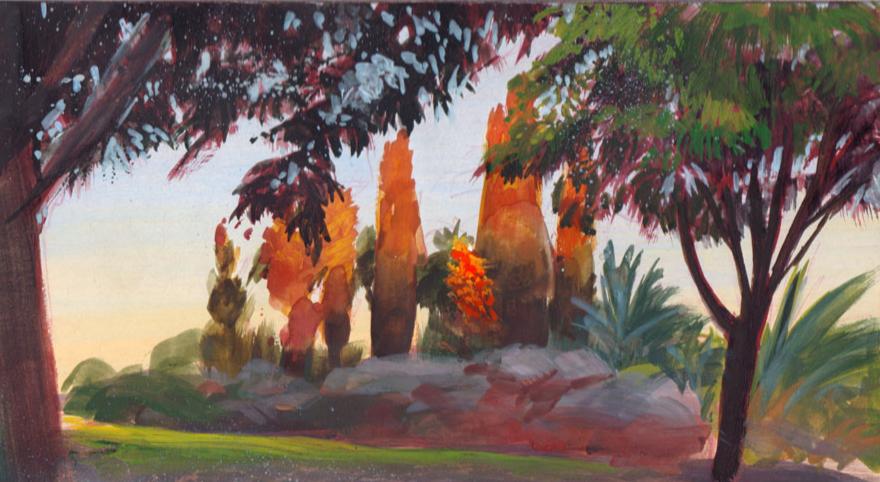
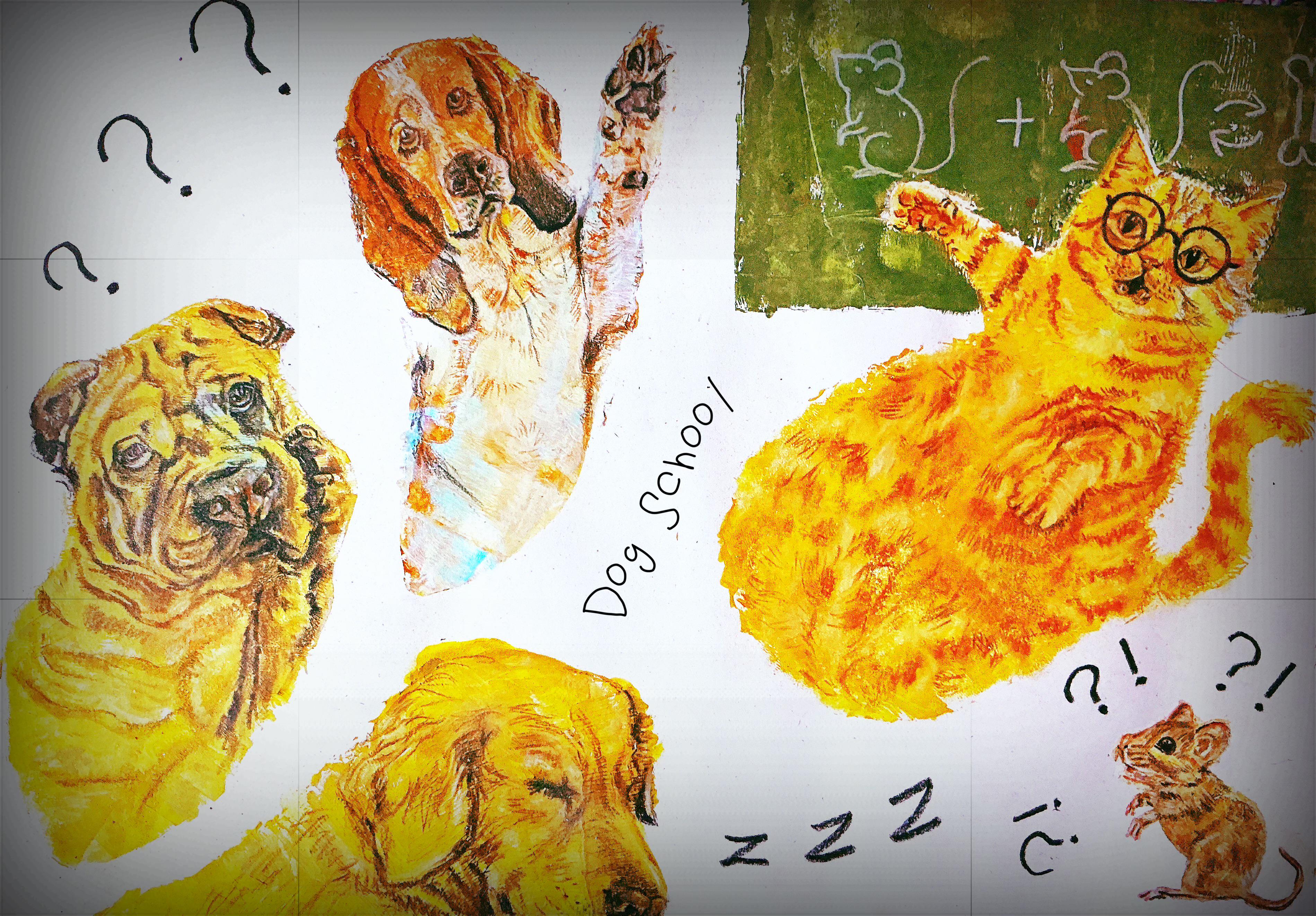
I was working on a painting for an art exhibition when I found myself thinking about why art was important to humankind. Take prehistoric times, for example. At that time, humankind was in a very backward stage of its history. There was no real society. Humans only did what was strictly necessary to survive. They hunted, reproduced, and moved according to their needs. But even then, inside caves, humans still left their mark on the world. Take handprints or cave paintings, for example. So why, even in a period when the sole priority was mere survival, what need was there to create those works?
It's probably just an expression of a species developing in a creative direction. Simply put, if a species has the ability to use abstract thought to create something, statistically it will end up doing so. But there's more. It's thought those paintings were used for propitiatory rites, to ensure good luck while hunting, but also as a collective memory, to pass down one's culture. But what I find most interesting is the fact that human beings, from their very roots, have always been interested in representing their surroundings.
However, this consideration doesn't resolve the initial dilemma. Why does art remain important today? Eliminating the spiritual and propitiatory reasons, the other hypotheses remain valid. Collective memory remains a valid motivation, but more for cultural reasons. Art today is seen by many as a simple method for passing down the memory and culture of a people. Think of all the portraits of kings, emperors, and popes, or even paintings of historical and cultural events. Added to this is the need to represent what surrounds us. In fact, before photography, graphic and literary representations were the only method for imprinting a memory over time. Since we can't preserve or display what we see with our eyes, we record it in the form of art or written evidence. It's therefore a motivation linked to the fear of not being able to pass on certain events over time, even after one's death.
Many artists, in fact, had every interest in being remembered for their works. Words come and go, but testimonies remain. Just think of the cave paintings mentioned at the beginning. Thus, art is a form of historical preservation, to ensure the immortality of certain events, people, or entire cultures. The cultural issue is very important when it comes to art, as it can unite a people, making them feel part of the same group. Take, for example, Italian architecture as a symbol of belonging for an entire country, or more generally all European art, which exhibits similarities across the continent, thus creating a sense of belonging across the continent, despite cultural differences. This argument can be made for every region of the world, and especially for religion. Indeed, even if religious art is no longer seen as a sort of direct channel of communication between humans and natural deities, it remains important for the same cultural reasons listed above. Just think about how much art has evolved over time, but also how some subjects have remained consistently present throughout history. Think, for example, of how many representations of Jesus or other religious subjects have been created throughout human history.
So, have we reached a conclusion? Does art remain important because of a question of cultural belonging and fear of being forgotten? Actually, no. I've reserved one final point, which, in my view as an artist, represents the real reason why art is important. Therefore, I'll use my personal experience as an example. I'm an aspiring cartoonist and illustrator, and for me, drawing isn't just a cultural, religious, or hereditary issue. For me, art is first and foremost a way to vent. In the modern era, more and more importance has begun to be given to the representation of emotions rather than an objective representation of the world. And I feel aligned with this shift. The stories I write and the drawings I make are, first and foremost, a manifestation of my moods and an interpretation of my ideas and opinions. Other examples include Expressionism, Romanticism, Surrealism, and many others. All movements seek to represent reality not as it is, but as the artist interprets it, and this creates a strong diversity among each work. And even if it doesn't intrinsically fit with older works, it still remains a crucial issue. Religious works, for example, don't just display the spiritual image itself, but also the author's thoughts on the subject, as well as a deeper theological reflection than the mere depiction of a subject. The same can be said for depictions of political figures. Works related to them are almost never simply depictions, but rather have a deeper political meaning, conveying the message the figure seeks to convey. And this, in addition to being applicable to every imaginable painting, is also applicable to writing, architecture, music, and sculpture, to name a few. Art is important because it's the best way for a human being to express their ideology and state of mind. It's this freedom of expression that allows art to have meaning. Every imaginable work is someone's personality, and this also explains why an artist can change their style throughout their life, based on what they're feeling at that particular moment.
In short. Art is important to us human beings because it allows us to express who we are, not just what we appear to be. And as long as there are people willing to express themselves on canvas, art will never die.
Nicola Brecciaroli.