r/AssameseHub • • 17h ago

The different words for rice in Ahom.

Post image
5 Upvotes

(Image source: @LeenaMili, Instagram)

The Ahom language of the Assam Valley jn Northeastern India, makes an interesting distinction between paddy grains, husked and uncooked rice, and cooked rice ready for consumption. These distinctions are reflected in its vocabulary through the use of different words and combinations.

The word for paddy grains, rice and food in general is '𑜁𑜈đ‘œĢ' (Khāw/āĻ–āĻžā§ą). When combined with the Tai word '𑜏𑜃đ‘œĢ' (Sān/āϚāĻžāύ), which has an Austroasiatic origin and is derived from the earlier form 'Sāl/āϚāĻžāϞ) which is the Austroaseatic root meaning 'to peel', it gives us '𑜁𑜈đ‘œĢ 𑜏𑜃đ‘œĢ' (Khāw Sān/āĻ–āĻžā§ą āϚāĻžāύ), meaning husked and uncooked rice grains.

Next, pairing the Tai word '𑜏𑜤𑜀đ‘œĢ' (Suk/āϚ⧁āĻ•), meaning 'cooked', with '𑜁𑜈đ‘œĢ' (Khāw/āĻ–āĻžā§ą) gives us '𑜁𑜈đ‘œĢ 𑜏𑜤𑜀đ‘œĢ' (Khāw Suk/āĻ–āĻžā§ą āϚ⧁āĻ•), meaning cooked rice. The word 'Suk' has clear cognates in other Tai languages like Thai and Lao, where it carries the meaning of 'cooked' or 'ripe'.

Another word used for rice in general is '𑜍đ‘œĒ' (Rām/ā§°āĻžāĻŽ). However, it has other meanings as well, including a sedan or palanquin and a load carried by two persons. Therefore, 'Khāw' is more preferable when referring specifically to rice.

Now, an important grammatical observation, if you're wondering why the adjectives appear after the nouns, it is because Ahom generally follows a Noun-Adjective order. In other words, the adjective or qualifying word comes after the noun it modifies, unlike in English, where adjectives generally precede the nouns they describe.

This is a characteristic feature of Ahom grammar and is also documented in linguistic studies of the language.

r/AssameseHub • • 16h ago

Need help | āϏāĻšāĻžāϝāĻŧ āϞāĻžāϗ⧇ What do the names of the Ahom traditional religions Baan Phi and Phura Lung mean?

Thumbnail reddit.com
3 Upvotes

r/AssameseHub • • 1d ago

Basic sentences in Bodo

Post image
4 Upvotes

r/AssameseHub • • 1d ago

The word for 'welcome' in Ahom, '𑜋đ‘œĒ𑜤 𑜍𑜆đ‘œĢ'.

Post image
3 Upvotes

r/AssameseHub • • 6d ago

āĻĒā§ā§°āĻžāĻŖā§° āĻļāĻŋāĻ˛ā§āĻĒā§€ āϜ⧁āĻŦāĻŋāύ āĻ—āĻžā§°ā§āĻ—ā§° āϜāĻ¨ā§āĻŽāϤāĻŋāĻĨāĻŋāϤ āϏāĻļā§ā§°āĻĻā§āϧ āĻĒā§ā§°āĻŖāĻžāĻŽ 🙏đŸģ🤍

Post image
5 Upvotes

āφāϜāĻŋ āĻ…āϏāĻŽā§° āĻĒā§ā§°āĻžāĻŖā§° āĻļāĻŋāĻ˛ā§āĻĒā§€, āϏāĻ‚āĻ—ā§€āϤ⧰ āϜāĻ—āϤ⧰ āĻāĻ• āĻ…āύāĻ¨ā§āϝ āĻĒā§ā§°āϤāĻŋāĻ­āĻž āϜ⧁āĻŦāĻŋāύ āĻ—āĻžā§°ā§āĻ—ā§° āϜāĻ¨ā§āĻŽāϤāĻŋāĻĨāĻŋāĨ¤ āϤ⧇āĻ“āρ⧰ āϏ⧁āĻŽāϧ⧁⧰ āĻ•āĻŖā§āĻ , āĻ•āĻžāϞāϜāϝāĻŧā§€ āϏ⧃āĻˇā§āϟāĻŋā§°āĻžāϜāĻŋ āφ⧰⧁ āĻ…āϏāĻŽā§€āϝāĻŧāĻž āϜāĻžāϤ⧀āϝāĻŧ āĻœā§€ā§ąāύāϞ⧈ āφāĻ—āĻŦāĻĸāĻŧā§‹ā§ąāĻž āĻ…ā§ąāĻĻāĻžāύ āφāĻŽāĻžā§° āĻŽāĻžāϜāϤ āϚāĻŋā§°āĻ¸ā§āĻŽā§°āĻŖā§€āϝāĻŧ āĻšā§ˆ ā§°'ā§ąāĨ¤ āϤ⧇āĻ“āρ⧰ āϏāĻ‚āĻ—ā§€āϤ⧇ āĻĒā§ā§°āϜāĻ¨ā§āĻŽā§° āĻĒāĻŋāĻ›āϤ āĻĒā§ā§°āϜāĻ¨ā§āĻŽāĻ• āĻ…āύ⧁āĻĒā§ā§°āĻžāĻŖāĻŋāϤ āϕ⧰āĻŋ āϝāĻžāĻŦ āφ⧰⧁ āĻ…āϏāĻŽā§€āϝāĻŧāĻž āϜāĻžāϤāĻŋā§° āϏāĻžāĻ‚āĻ¸ā§āĻ•ā§ƒāϤāĻŋāĻ• āĻĒā§°āĻŋāϚāϝāĻŧā§° āĻāĻ• āĻ…āĻŦāĻŋāĻšā§āϛ⧇āĻĻā§āϝ āĻ…āĻ‚āĻ— āĻšā§ˆ āĻĨāĻžāĻ•āĻŋāĻŦāĨ¤

āĻāχ āĻŦāĻŋāĻļ⧇āώ āĻĻāĻŋāύāĻŸā§‹āϤ āĻŽāĻšāĻžāύ āĻļāĻŋāĻ˛ā§āĻĒā§€āĻ—ā§°āĻžāϕ⧀āϞ⧈ āĻ—āϭ⧀⧰ āĻļā§ā§°āĻĻā§āϧāĻž āφ⧰⧁ āφāĻ¨ā§āϤ⧰āĻŋāĻ• āĻĒā§ā§°āĻŖāĻžāĻŽ āϜāύāĻžāϞ⧋āρāĨ¤

āϜāϝāĻŧ āϜ⧁āĻŦāĻŋāύ āĻŦā§°ā§āϤāĻž/āĻĻāĻž! 🤍


r/AssameseHub • • 8d ago

JATINGA RATI 😱 | Axomor Sobse Bhoyankor Rohosyo!Jatinga!

Thumbnail
youtube.com
3 Upvotes

r/AssameseHub • • 8d ago

The unknown story of Joymoti Kuwori

Thumbnail
youtu.be
3 Upvotes

r/AssameseHub • • 9d ago

Jorhat Talkies - Raati 12 Bojat Cinema Sai Kune? | Assamese Horror Story

Thumbnail
youtube.com
2 Upvotes

Raizz hokol videotu sai poramorkho dibo


r/AssameseHub • • 11d ago

Gemini Hydrogen randomly became kinda good in Roman Assamese 💀

Post image
3 Upvotes

r/AssameseHub • • 11d ago

Aapunaluke Ketiyaba Mayong'oloi Jabo Ne? | #Shorts

Thumbnail
youtube.com
3 Upvotes

Episode 1-Guys do give ur valuable opinions


r/AssameseHub • • 11d ago

Aapunaluke Ketiyaba Mayong'oloi Jabo Ne? | #Shorts

Thumbnail
youtube.com
2 Upvotes

Episode 1-Guys do give ur opinions


r/AssameseHub • • 12d ago

Self-made works | āĻ¸ā§āĻŦā§°āϚāĻŋāϤ ā§°āϚāύāĻž Guys first youtube shorts do support

Thumbnail
youtube.com
2 Upvotes

r/AssameseHub • • 12d ago

Self-made works | āĻ¸ā§āĻŦā§°āϚāĻŋāϤ ā§°āϚāύāĻž Episode 1 - Moi Assam Dark Tales đŸ‘ī¸ Mayong'ot manuh mora nohoi... Manuh HERAI jai! Kali Episode 2: Tezpur'r Bhoot Bangla. Tumi Mayong'oloi jaba ne? Comment ot kua. Subscribe korok jodi xahokh ase.

Thumbnail
youtube.com
2 Upvotes

r/AssameseHub • • 15d ago

āϏāĻ•āϞ⧋āϕ⧇ āĻĻā§āĻŦā§€āĻĒāĻžā§ąāϞ⧀⧰ āφāĻ¨ā§āϤ⧰āĻŋāĻ• āĻļ⧁āϭ⧇āĻšā§āĻ›āĻž āϜāύāĻžāϞ⧋āρāĨ¤

Post image
6 Upvotes

āĻĒā§‹āĻšā§°ā§° āϜāĻŋāϞāĻŋāĻ•āύāĻŋāϝāĻŧ⧇ āφāρāϤ⧰āĻžāχ āύāĻŋāϝāĻŧāĻ• āφāĻ¨ā§āϧāĻžā§°ā§° āĻ†ā§ąā§°āĻŖ, āĻĒā§ā§°āϤāĻŋāĻ—ā§°āĻžāϕ⧀ āĻšā§ƒāĻĻāϝāĻŧāϤ āĻœā§āĻŦāϞāĻŋ āωāĻ āĻ• āφāĻļāĻžā§° āĻŦāĻ¨ā§āϤāĻŋāĨ¤ āϏ⧁āĻ–, āĻļāĻžāĻ¨ā§āϤāĻŋ āφ⧰⧁ āϏāĻŽā§ƒāĻĻā§āϧāĻŋā§° āĻĒā§‹āĻšā§°ā§‡ āφāϞ⧋āĻ•āĻŋāϤ āϕ⧰āĻŋ āϤ⧋āϞāĻ• āϏāĻ•āϞ⧋⧰⧇ āĻœā§€ā§ąāύāĨ¤ āĻĒā§‹āĻšā§°ā§° āĻāχ āĻĒā§ąāĻŋāĻ¤ā§ā§° āĻ‰ā§ŽāĻ¸ā§ąā§‡ āĻ•āĻĸāĻŧāĻŋāϝāĻŧāĻžāχ āφāύāĻ• āĻ…āύāĻžāĻŦāĻŋāϞ āφāύāĻ¨ā§āĻĻ āφ⧰⧁ āĻŽāĻ‚āĻ—āϞ⧰ āĻŦāϤ⧰āĻžāĨ¤ āĻļ⧁āĻ­ āĻĻā§€āĻĒāĻžā§ąāϞ⧀! 💛


r/AssameseHub • • 18d ago

A map of the dialects and variants of Assamese spoken natively across Assam. āĻ…āϏāĻŽā§€āϝāĻŧāĻž āĻ­āĻžāώāĻžā§° āφāĻžā§āϚāϞāĻŋāĻ• ā§°ā§‚āĻĒāϏāĻŽā§‚āĻšā§° āĻāĻ• āĻŽāĻžāύāϚāĻŋāĻ¤ā§ā§°āĨ¤

Post image
6 Upvotes

Assamese has five primary dialects:

  1. Eastern Assamese or Sivasagariya/Xiwôxāgôriyā (āĻļāĻŋā§ąāϏāĻžāĻ—ā§°ā§€āϝāĻŧāĻž āωāĻĒāĻ­āĻžāώāĻž), is traditionally spoken in Upper Assam and Standard Assamese is based on this dialect. It is also spoken by the Sutiya community in Barak Valley or Southern Assam, which migrated to the region in the early 19th century, in areas like Sribhumi. It is influenced by the historically important Tai Ahom language of the Ahom kingdom, and also by the Mising language spoken by the Mising community in the Northern banks of the river Brahmaputra in Upper Assam.
  2. Central Assamese or Nagaiya/NôgÃĩyā (āύāĻ—āĻžāĻž āωāĻĒāĻ­āĻžāώāĻž), is spoken in Central and North Assam divisions, and bears strong similarities with the Eastern dialect. It has some influence from the surrounding tribal languages like Tiwa, Karbi, and Bodo.
  3. Kamrupi Assamese or Kamrupiya/Kāmruipā (āĻ•āĻžāĻŽā§°ā§‚āĻĒā§€āϝāĻŧāĻž āωāĻĒāĻ­āĻžāώāĻž), is the central-western dialect of Assamese, spoken in Lower Assam and has been the historical standard form of Assamese during the medieval period, used extensively in Vaishnavite texts composed in the Koch and Kamata kingdoms. It is also the ancestor of modern Assamese (āφāϧ⧁āύāĻŋāĻ• āĻ…āϏāĻŽā§€āϝāĻŧāĻž) and the Kamtapuri (āĻ•āĻžāĻŽāϤāĻžāĻĒ⧁⧰⧀) language. It is both historically and culturally significant for the Assamese language, with popular folk songs called Kamrupi Lokageet.
  4. Goalpariya Assamese or Goalporiya/GÃŧwālpôriyā (āĻ—ā§‹ā§ąāĻžāϞāĻĒā§°ā§€āϝāĻŧāĻž āωāĻĒāĻ­āĻžāώāĻž), is the westernmost and most unique dialect of Assamese, spoken traditionally by the Koch-Rajbongshi community residing in Lower Assam. It has similarities with the Kamtapuri language and forms a dialect continuum with it. It is known for its beautiful folk songs known as Goalporiya Lokageet, popularised by Assamese singers like Pratima Barua Pandey.
  5. Dewan Assamese or Dehan/Dehān (āĻĻā§‡ā§ąāĻžāύ āωāĻĒāĻ­āĻžāώāĻž), is an Assamese dialect spoken by the Koch-Rajbongshi community of Barak Valley, indigenous to the region. It is a descendant of the Kamrupi dialect and reached the region in the 16th century with the celebrated Koch commander Chilarai's campaigns into Southern Assam. It has influences from the surrounding Bishnupriya, Syloti, Meitei and Dimasa languages and preserved features of Medieval Assamese.

Together, these dialects form the easternmost Indo-Aryan language, spoken by around 24 million people, that is Assamese.


r/AssameseHub • • 22d ago

Etymology & Origins | āĻŦā§āĻ¯ā§ā§ŽāĻĒāĻ¤ā§āϤāĻŋ āφ⧰⧁ āĻ‰ā§ŽāĻĒāĻ¤ā§āϤāĻŋ The Origins of Mārkin (āĻŽāĻžā§°ā§āĻ•āĻŋāύ) and Bilāti (āĻŦāĻŋāϞāĻžāϤ⧀) in Assamese.

5 Upvotes

Assamese has some interesting words whose histories reflect centuries of linguistic and cultural contact. Two such examples are 'Mārkin' (āĻŽāĻžā§°ā§āĻ•āĻŋāύ), the word used for Americans, and 'Bilāti' (āĻŦāĻŋāϞāĻžāϤ⧀), a term historically associated with Britain and the British, but also used more broadly for foreign or exotic things.

In Assamese, Americans are commonly referred to as 'Mārkin'. The United States of America is known as 'āĻŽāĻžā§°ā§āĻ•āĻŋāύ āϝ⧁āĻ•ā§āϤ⧰āĻžāĻˇā§āĻŸā§ā§°' (Mārkin Zuktôrāstrô). Here, 'Mārkin' refers to America, while 'Zuktôrāstrô' means a union of states (where zuktô means union and rāstrô means states). The term 'Mārkin' is sometimes associated with the informal English expression 'Murican, a colloquial pronunciation of American. However, this proposed connection requires further historical evidence, and the precise origin of the Assamese word remains uncertain.

The history of 'Bilāti' is particularly interesting because its roots can be traced to Arabic and Persian. The Arabic word 'wilāya' (ŲˆŲ„Ø§ŲŠØŠ) means a province, territory or jurisdiction. It entered Persian as 'wilāyat' (ŲˆŲ„Ø§ÛŒØĒ), from which the adjective 'wilāyatÄĢ' (ŲˆŲ„Ø§ÛŒØĒی) developed. In South Asian usage, the word came to be associated with foreign lands and things originating abroad. Through Persian and the wider linguistic networks of the subcontinent, related forms entered several regional languages, including Assamese, where the word became 'Bilāti' (āĻŦāĻŋāϞāĻžāϤ⧀).

Although the Arabic and Persian terms were not specifically associated with Britain, 'Bilāti' acquired a strong association with Britain and the British Isles in South Asian usage. During the colonial period, Britain was a prominent foreign power, and the word became associated with the British, the English and things originating from their country. In Assamese, however, its meaning extends beyond this geographical association. Depending on the context, Bilāti can refer to something British, English, foreign or exotic.

The broader meaning survives in everyday Assamese vocabulary. For example, 'Bilāti Ālu' (āĻŦāĻŋāϞāĻžāϤ⧀ āφāϞ⧁) is a traditional Assamese name for the potato. Here, 'Bilāti' does not necessarily mean that the potato originated in Britain. Rather, it reflects the older practice of using the word for things perceived as foreign or introduced from elsewhere.

The contrast between these two words is worth noting. 'Mārkin' refers specifically to Americans, whereas 'Bilāti' has a broader range of meanings shaped by historical usage. Their histories also illustrate how words can acquire new associations as they move between languages and become part of another linguistic community.

It is fascinating how ordinary Assamese words can preserve traces of much older linguistic exchanges. The history of 'Bilāti', in particular, connects Assamese with Arabic and Persian through a word that gradually developed its own place in the language.


r/AssameseHub • • 25d ago

Is Gaudi script sister system of Kamarupi script?

Post image
3 Upvotes

r/AssameseHub • • 27d ago

SONY ZV-1F Camera for sale 1 month old

Post image
3 Upvotes

r/AssameseHub • • Oct 23 '26

Etymology & Origins | āĻŦā§āĻ¯ā§ā§ŽāĻĒāĻ¤ā§āϤāĻŋ āφ⧰⧁ āĻ‰ā§ŽāĻĒāĻ¤ā§āϤāĻŋ Influence of Deuri (āĻĻ⧇āω⧰⧀) language on common Assamese vocabulary.

Thumbnail
gallery
6 Upvotes

As we know that Assamese, historically called 'Bhāxā' (āĻ­āĻžāώāĻž) in the Ahom kingdom, written in the Kamrupi script and spoken historically by the Indo-Aryan communities of Brahmaputra Valley and the Kochs of Barak Valley, served as the lingua-franca of the Ahom kingdom and also the Kachari and Koch kingdoms (for a period of time) and was also used for administrative purposes.

Due to the numerous different languages spoken by diverse tribes with Tibeto-Burman, Austroaseatic and Tai-Kadai origins, Assamese served as a lingua-franca for the people of the region. This led to common Assamese vocabulary, later standardised in the Hemkosh dictionary of 1900 written by Hemchandra Barua and later accepted by Asamiya Bhasa Unnoti Sadhini Sabha (Ôxômiyā Bhāxā Unnôti Xādhini Xôbhā) as the standard form of the language, getting influenced heavily by surrounding tribal languages.

Today's Assamese vocabulary has heavy influences from languages like Tai Ahom, Mising, Bodo, Tiwa, Karbi, Rabha, Dimasa, Koch, Persian etc. Deuri is one such, small yet historically important language that has heavily influenced common Assamese vocabulary.

The above images provide a list of common Assamese words that have Deuri origin. It's a perfect example of how even smaller languages can heavily influence much larger ones. The Deuri language historically was used by the priestly class of the Sutiya kingdom of Upper Assam. While the common people spoke Sutiya, Kachari and forms of Assamese, the language of the priests was Deuri. The Deuri language currently is spoken by a small minority of around 30,000 people scattered across Majuli, Lakhimpur, Dhemaji and Tinsukia districts of Upper Assam.

Source: https://en.wikipedia.org/wiki/Deori_language


r/AssameseHub • • Oct 22 '26

History | āχāϤāĻŋāĻšāĻžāϏ Origin of the popular Assamese slogans 'āϜāϝāĻŧ āφāχ āĻ…āϏāĻŽ' and 'āφāĻŽāĻŋ āĻ…āϏāĻŽā§€āϝāĻŧāĻž āύāĻšāĻ“āρ āĻĻ⧁āĻ–ā§€āϝāĻŧāĻž'.

4 Upvotes

Being Assamese, we all might've heard or even used these cultural slogans many times in our lives.

The first one 'āϜāϝāĻŧ āφāχ āĻ…āϏāĻŽ' or 'Zôy Āi Ôxôm' roughly translates to 'Victory to Mother Assam' while the second one 'āφāĻŽāĻŋ āĻ…āϏāĻŽā§€āϝāĻŧāĻž āύāĻšāĻ“āρ āĻĻ⧁āĻ–ā§€āϝāĻŧāĻž' or 'Āmi Ôxômiyā NôhôÃŧ˃ Dukhiyā' translates to 'We Assamese shall not be impoverished' (the word impoverished here refers to being deprived of cultural richness).

These are slogans we use with pride regarding our Assamese language, community, culture and our motherland Assam.

Now, some of you might've wondered what might be the origin of these slogans? After all, we were all taught about these slogans and their significance but rarely people know about their origin.

Well, the origin of both these slogans lies in one beautiful patriotic song written by none other than Assamese playwright, poet, essayist and novelist Sahityarathi Lakshminath Bezbarua (Xāhityôrôthi Lôkhmināth Bezbôruwā/āϏāĻžāĻšāĻŋāĻ¤ā§āϝ⧰āĻĨā§€ āϞāĻ•ā§āĻˇā§āĻŽā§€āύāĻžāĻĨ āĻŦ⧇āϜāĻŦā§°ā§ā§ąāĻž) in his song Assam Sangeet (Ôxôm Xôngit/āĻ…āϏāĻŽ āϏāĻ‚āĻ—ā§€āϤ)

where the origins of the first slogan 'Zôy Āi Ôxôm' lies along the lines of:

"āĻŦāĻžāϜāĻ• āĻĄāĻŦāĻž, āĻŦāĻžāϜāĻ• āĻļāĻ™ā§āĻ–, āĻŦāĻžāϜāĻ• āĻŽā§ƒāĻĻāĻ‚ āĻ–ā§‹āϞāĨ¤

āĻ…āϏāĻŽ āφāĻ•ā§Œ āωāĻ¨ā§āύāϤāĻŋ-āĻĒāĻĨāϤ, āϜāϝāĻŧ āφāχ āĻ…āϏāĻŽ āĻŦā§‹āϞ" (in the conclusion of the song)

Transliteration: "Bājôk dôbā, bājôk xôŋkhô, bājok mridôŋ khÃŧl, Ôxôm ākôÃŧ unnôti-pôthôt, Zôy Āi Ôxôm bÃŧl."

Translation: "Let the drums (dôbā) resound, let the conches blow, let the mridanga and khol resound. Assam is once again on the path of progress,

Proclaim Victory to Mother Assam!"

While the origin of the second slogan 'Āmi Ôxômiyā NôhôÃŧ˃ Dukhiyā' lies along the lines of:

"āφāĻŽāĻŋ āĻ…āϏāĻŽā§€āϝāĻŧāĻž, āύāĻšāĻ“āρ āĻĻ⧁āĻ–ā§€āϝāĻŧāĻž, āĻ•āĻŋāĻšā§° āĻĻ⧁āĻ–ā§€āϝāĻŧāĻž āĻšāĻŽ?

āϏāĻ•āϞ⧋ āφāĻ›āĻŋāϞ, āϏāĻ•āϞ⧋ āφāϛ⧇, āύ⧁āĻŦ⧁āĻœā§‹āρ āύāϞāĻ“āρ āĻ—āĻŽāĨ¤"

Transliteration: "Āmi Ôxômiyā, nôhôÃŧ˃ dukhiyā, kihôr dukhiyā hôm? XôkôlÃŧ āsil, xôkôlÃŧ āse, nubuzÃŧ˃ nôlôÃŧ˃ gôm"

Translation: "We are Assamese, we are not deprived. What reason have we to feel poor? All was once here, and all remains here, yet we fail to understand, fail to see."

From here, both slogans became quite popular during the Assam Movement or Assam Agitation of 1979-1985 and since then have become inseparable from the ideas of Assamese cultural pride. Quite fascinating, isn't it?


r/AssameseHub • • Oct 18 '26

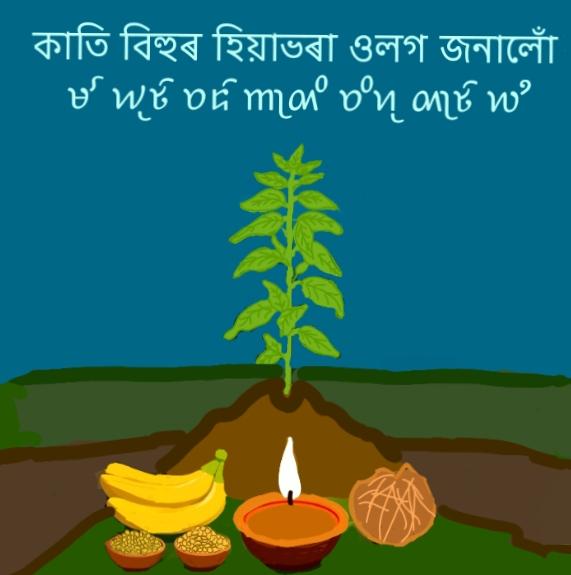
Self-made works | āĻ¸ā§āĻŦā§°āϚāĻŋāϤ ā§°āϚāύāĻž āϏāĻ•āϞ⧋āϕ⧇ āĻ•āĻžāϤāĻŋ āĻŦāĻŋāĻšā§ā§° āĻšāĻŋāϝāĻŧāĻžāĻ­ā§°āĻž āĻ“āϞāĻ— āϜāύāĻžāϞ⧋āρ 🤍

Post image
5 Upvotes

r/AssameseHub • • Oct 17 '26

Literature | āϏāĻžāĻšāĻŋāĻ¤ā§āϝ Do some of the Tea tribes in Assam speak Kurukh (Oraon) or Malto?

Thumbnail reddit.com
5 Upvotes

r/AssameseHub • • Oct 14 '26

Ôxômiya written in Kamarupi script

Post image
3 Upvotes

r/AssameseHub • • Oct 10 '26

A proud moment for the Assamese language! āĻ…āϏāĻŽā§€āϝāĻŧāĻž āĻ­āĻžāώāĻžā§° āĻŦāĻžāĻŦ⧇ āĻāĻ• āĻ—ā§Œā§°ā§ąāĻŽāϝāĻŧ āĻŽā§āĻšā§‚ā§°ā§āϤ!

Thumbnail
gallery
6 Upvotes

The establishment of a Centre of Excellence for Classical Assamese at Tezpur University is a welcome step towards preserving and understanding the rich linguistic and literary heritage of Assam.

A language carries more than words. It carries the memories of generations, the stories of our ancestors, the wisdom of our writers and the experiences of a people.

Preserving Assamese means ensuring that future generations can continue to discover the works, ideas and history that have shaped our language over centuries.

With this Centre, there is hope for more research into old Assamese texts, the preservation and digitisation of manuscripts, and a deeper understanding of how our language has evolved.

It can also create new opportunities for students and researchers who wish to contribute to Assamese language studies.

Recognising Assamese as a Classical Language was a significant achievement. Now, the real work lies in documenting, studying and making this heritage accessible to everyone, not just scholars.

May this initiative help our language receive the research, care and attention it deserves, while keeping it alive and meaningful for generations to come.

Our heritage is not merely something to look back upon. It is something we must understand, preserve and carry forward.

āϤ⧇āϜāĻĒ⧁⧰ āĻŦāĻŋāĻļā§āĻŦāĻŦāĻŋāĻĻā§āϝāĻžāϞāϝāĻŧāϤ āĻ§ā§ā§°ā§āĻĒāĻĻā§€ āĻ…āϏāĻŽā§€āϝāĻŧāĻž āĻ­āĻžāώāĻž āĻ…āĻ§ā§āϝāϝāĻŧāύ⧰ āĻŦāĻžāĻŦ⧇ āĻ‰ā§ŽāĻ•ā§°ā§āώ āϕ⧇āĻ¨ā§āĻĻā§ā§° āĻ¸ā§āĻĨāĻžāĻĒāύ āϕ⧰āĻžāĻŸā§‹ āĻ…āϏāĻŽā§° āϚāĻšāϕ⧀ āĻ­āĻžāώāĻŋāĻ• āφ⧰⧁ āϏāĻžāĻšāĻŋāĻ¤ā§āϝāĻŋāĻ• āϐāϤāĻŋāĻšā§āϝ āϏāς⧰āĻ•ā§āώāĻŖ āφ⧰⧁ āĻ…āĻ§ā§āϝāϝāĻŧāύ⧰ āĻĻāĻŋāĻļāϤ āĻāĻ• āφāĻĻā§°āĻŖā§€āϝāĻŧ āĻĒāĻĻāĻ•ā§āώ⧇āĻĒāĨ¤

āĻāϟāĻž āĻ­āĻžāώāĻžāχ āĻ•ā§‡ā§ąāϞ āĻļāĻŦā§āĻĻāϕ⧇ āϏāĻžāĻŽā§°āĻŋ āύāϞāϝāĻŧāĨ¤ āχāϝāĻŧāĻžā§° āĻŦ⧁āϕ⧁āϤ āϏāĻžā§āϚāĻŋāϤ āĻšā§ˆ āĻĨāĻžāϕ⧇ āϕ⧇āχāĻŦāĻžāϟāĻžāĻ“ āĻĒā§ā§°āϜāĻ¨ā§āĻŽā§° āĻ¸ā§āĻŽā§ƒāϤāĻŋ, āφāĻŽāĻžā§° āĻĒā§‚ā§°ā§āĻŦāĻĒ⧁⧰⧁āώ⧰ āĻ•āĻžāĻšāĻŋāύ⧀, āϏāĻžāĻšāĻŋāĻ¤ā§āϝāĻŋāĻ•āϏāĻ•āϞ⧰ āϚāĻŋāĻ¨ā§āϤāĻž-āĻšā§°ā§āϚāĻž āφ⧰⧁ āĻāϟāĻž āϜāĻžāϤāĻŋā§° āĻœā§€ā§ąāύ-āĻ…āĻ­āĻŋāĻœā§āĻžāϤāĻžāĨ¤

āĻ…āϏāĻŽā§€āϝāĻŧāĻž āĻ­āĻžāώāĻžā§° āϏāς⧰āĻ•ā§āώāĻŖā§° āĻ…ā§°ā§āĻĨ āĻšâ€™āϞ, āĻ­ā§ąāĻŋāĻˇā§āĻ¯ā§Ž āĻĒā§ā§°āϜāĻ¨ā§āĻŽāχ āϝāĻžāϤ⧇ āφāĻŽāĻžā§° āĻ­āĻžāώāĻžāĻŸā§‹āĻ• āϝ⧁āĻ— āϝ⧁āĻ— āϧ⧰āĻŋ āϏāĻŽā§ƒāĻĻā§āϧ āϕ⧰āĻŋ āĻ…āĻšāĻž āϏāĻžāĻšāĻŋāĻ¤ā§āϝ, āϚāĻŋāĻ¨ā§āϤāĻž-āĻšā§°ā§āϚāĻž āφ⧰⧁ āχāϤāĻŋāĻšāĻžāϏ⧰ āϏ⧈āϤ⧇ āĻĒā§°āĻŋāϚāĻŋāϤ āĻšâ€™āĻŦ āĻĒāĻžā§°ā§‡, āϤāĻžā§° āĻŦā§āĻ¯ā§ąāĻ¸ā§āĻĨāĻž āϕ⧰āĻžāĨ¤

āĻāχ āϕ⧇āĻ¨ā§āĻĻā§ā§°ā§° āϜ⧰āĻŋāϝāĻŧāϤ⧇ āĻĒ⧁⧰āĻŖāĻŋ āĻ…āϏāĻŽā§€āϝāĻŧāĻž āϏāĻžāĻšāĻŋāĻ¤ā§āϝ⧰āĻžāϜāĻŋā§° āĻ“āĻĒā§°āϤ āĻ…āϧāĻŋāĻ• āĻ—ā§ąā§‡āώāĻŖāĻž, āĻĒ⧁⧰āĻŖāĻŋ āĻĒ⧁āĻĨāĻŋ-āĻĒāĻžāρāϜāĻŋ āφ⧰⧁ āĻĒāĻžāĻŖā§āĻĄā§āϞāĻŋāĻĒāĻŋā§° āϏāς⧰āĻ•ā§āώāĻŖ āϤāĻĨāĻž āĻĄāĻŋāϜāĻŋāĻŸā§‡āϞ ā§°ā§‚āĻĒāϤ āϏāς⧰āĻ•ā§āώāĻŖ, āφ⧰⧁ āφāĻŽāĻžā§° āĻ­āĻžāώāĻžāĻŸā§‹ā§ąā§‡ āϏāĻŽāϝāĻŧā§° āϏ⧋āρāϤāϤ āϕ⧇āύ⧇āĻĻ⧰⧇ ā§°ā§‚āĻĒ āϏāϞāύāĻŋ āϕ⧰āĻŋ āφāĻšāĻŋāϛ⧇, āϏ⧇āχ āĻŦāĻŋāώāϝāĻŧ⧇ āĻ—āϭ⧀⧰ āĻ…āĻ§ā§āϝāϝāĻŧāύ⧰ āĻŦāĻžāϟ āĻŽā§āĻ•āϞāĻŋ āĻšâ€™āĻŦ āĻŦ⧁āϞāĻŋ āφāĻļāĻž āϕ⧰āĻŋāĻŦ āĻĒāĻžā§°āĻŋāĨ¤

āϞāĻ—āϤ⧇, āĻ…āϏāĻŽā§€āϝāĻŧāĻž āĻ­āĻžāώāĻž-āϏāĻžāĻšāĻŋāĻ¤ā§āϝ⧰ āĻ…āĻ§ā§āϝāϝāĻŧāύ āφ⧰⧁ āĻ—ā§ąā§‡āώāĻŖāĻžāϤ āφāĻ—ā§ā§°āĻšā§€ āĻ›āĻžāĻ¤ā§ā§°-āĻ›āĻžāĻ¤ā§ā§°ā§€ āφ⧰⧁ āĻ—ā§ąā§‡āώāĻ•āϏāĻ•āϞ⧰ āĻŦāĻžāĻŦ⧇āĻ“ āχ āύāϤ⧁āύ āϏ⧁āϝ⧋āĻ— āϏ⧃āĻˇā§āϟāĻŋ āϕ⧰āĻŋāĻŦ āĻĒāĻžā§°ā§‡āĨ¤

āĻ…āϏāĻŽā§€āϝāĻŧāĻž āĻ­āĻžāώāĻžāχ āĻ§ā§ā§°ā§āĻĒāĻĻā§€ āĻ­āĻžāώāĻžā§° āĻ¸ā§āĻŦā§€āĻ•ā§ƒāϤāĻŋ āϞāĻžāĻ­ āϕ⧰āĻžāĻŸā§‹ āφāĻ›āĻŋāϞ āĻāĻ• āωāĻ˛ā§āϞ⧇āĻ–āϝ⧋āĻ—ā§āϝ āϏāĻžāĻĢāĻ˛ā§āϝāĨ¤ āĻāϤāĻŋāϝāĻŧāĻž āĻĒā§ā§°āϝāĻŧā§‹āϜāύ āĻšā§ˆāϛ⧇ āφāĻŽāĻžā§° āĻāχ āϐāϤāĻŋāĻšā§āϝ⧰ āύāĻĨāĻŋāϭ⧁āĻ•ā§āϤāϕ⧰āĻŖ, āĻ…āĻ§ā§āϝāϝāĻŧāύ āφ⧰⧁ āϏāς⧰āĻ•ā§āώāĻŖā§° āϞāĻ—āϤ⧇ āχāϝāĻŧāĻžāĻ• āϏāĻ•āϞ⧋⧰⧇ āĻŦāĻžāĻŦ⧇ āϏāĻšāϜāϞāĻ­ā§āϝ āϕ⧰āĻŋ āϤ⧋āϞāĻž, āϝāĻžāϤ⧇ āĻāχ āϏāĻŽā§āĻĒāĻĻ āĻ•ā§‡ā§ąāϞ āĻ—ā§ąā§‡āώāĻ•āϏāĻ•āϞ⧰ āĻŽāĻžāϜāϤ⧇ āϏ⧀āĻŽāĻžāĻŦāĻĻā§āϧ āĻšā§ˆ āύāĻžāĻĨāĻžāϕ⧇āĨ¤

āĻāχ āĻĒāĻĻāĻ•ā§āώ⧇āĻĒ⧇ āφāĻŽāĻžā§° āĻ­āĻžāώāĻžāĻŸā§‹ā§ąā§‡ āĻĒā§ā§°āĻžāĻĒā§āϝ āĻ—ā§ąā§‡āώāĻŖāĻž, āϝāĻ¤ā§āύ āφ⧰⧁ āϗ⧁⧰⧁āĻ¤ā§āĻŦ āϞāĻžāĻ­ āϕ⧰āĻžāϤ āϏāĻšāĻžāϝāĻŧ āϕ⧰āĻ•āĨ¤ āφāĻŽāĻžā§° āĻ­āĻžāώāĻž āφ⧰⧁ āϏāĻžāĻšāĻŋāĻ¤ā§āϝ⧰ āϐāϤāĻŋāĻšā§āϝ āϝāĻžāϤ⧇ āφāĻ—āĻ¨ā§āϤ⧁āĻ• āĻĒā§ā§°āϜāĻ¨ā§āĻŽā§° āĻŦāĻžāĻŦ⧇āĻ“ āĻœā§€ā§ąāĻ¨ā§āϤ āφ⧰⧁ āĻ…ā§°ā§āĻĨāĻĒā§‚ā§°ā§āĻŖ āĻšā§ˆ āĻĨāĻžāϕ⧇, āϏ⧇āϝāĻŧāĻžāχ āĻ•āĻžāĻŽāύāĻžāĨ¤

āφāĻŽāĻžā§° āϐāϤāĻŋāĻšā§āϝ āĻ•ā§‡ā§ąāϞ āĻ…āϤ⧀āϤāϞ⧈ āωāĻ­āϤāĻŋ āϚāĻžāĻŦāϞ⧈ āĻĨāĻ•āĻž āϕ⧋āύ⧋ āϏāĻŽā§āĻĒāĻĻ āύāĻšāϝāĻŧāĨ¤ āχāϝāĻŧāĻžāĻ• āĻŦ⧁āϜāĻŋ āĻĒā§‹ā§ąāĻž, āϏāς⧰āĻ•ā§āώāĻŖ āϕ⧰āĻž āφ⧰⧁ āĻ­ā§ąāĻŋāĻˇā§āĻ¯ā§Ž āĻĒā§ā§°āϜāĻ¨ā§āĻŽāϞ⧈ āφāĻ—āĻŦāĻĸāĻŧāĻžāχ āύāĻŋāϝāĻŧāĻžāĻŸā§‹ āφāĻŽāĻžā§° āĻĻāĻžāϝāĻŧāĻŋāĻ¤ā§āĻŦāĨ¤

āϚāĻŋā§° āĻšā§‡āύ⧇āĻšā§€ āĻŽā§‹ā§° āĻ­āĻžāώāĻž āϜāύāύ⧀!

(Forever beloved is my mother tongue)

āϜāϝāĻŧ āφāχ āĻ…āϏāĻŽ!