r/AutodeskInventor • • 5d ago

Requesting Help Help

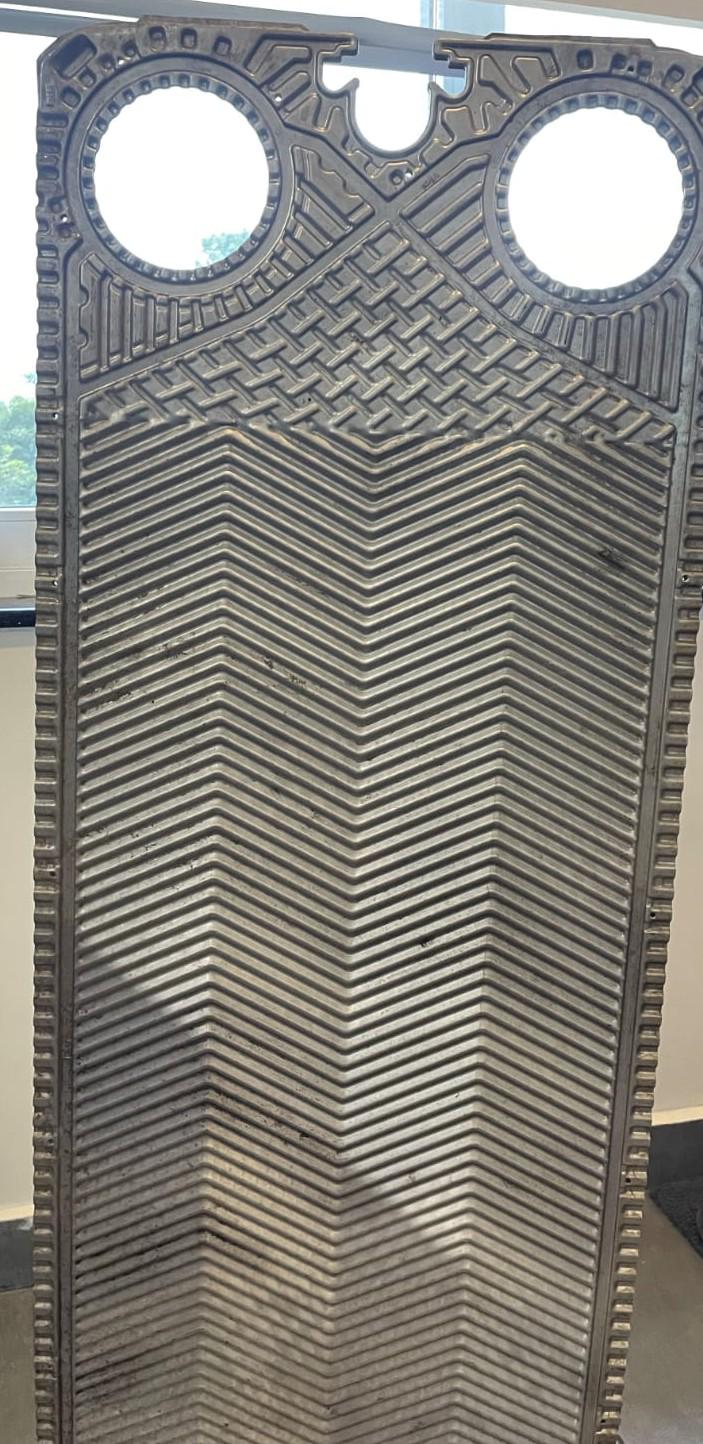
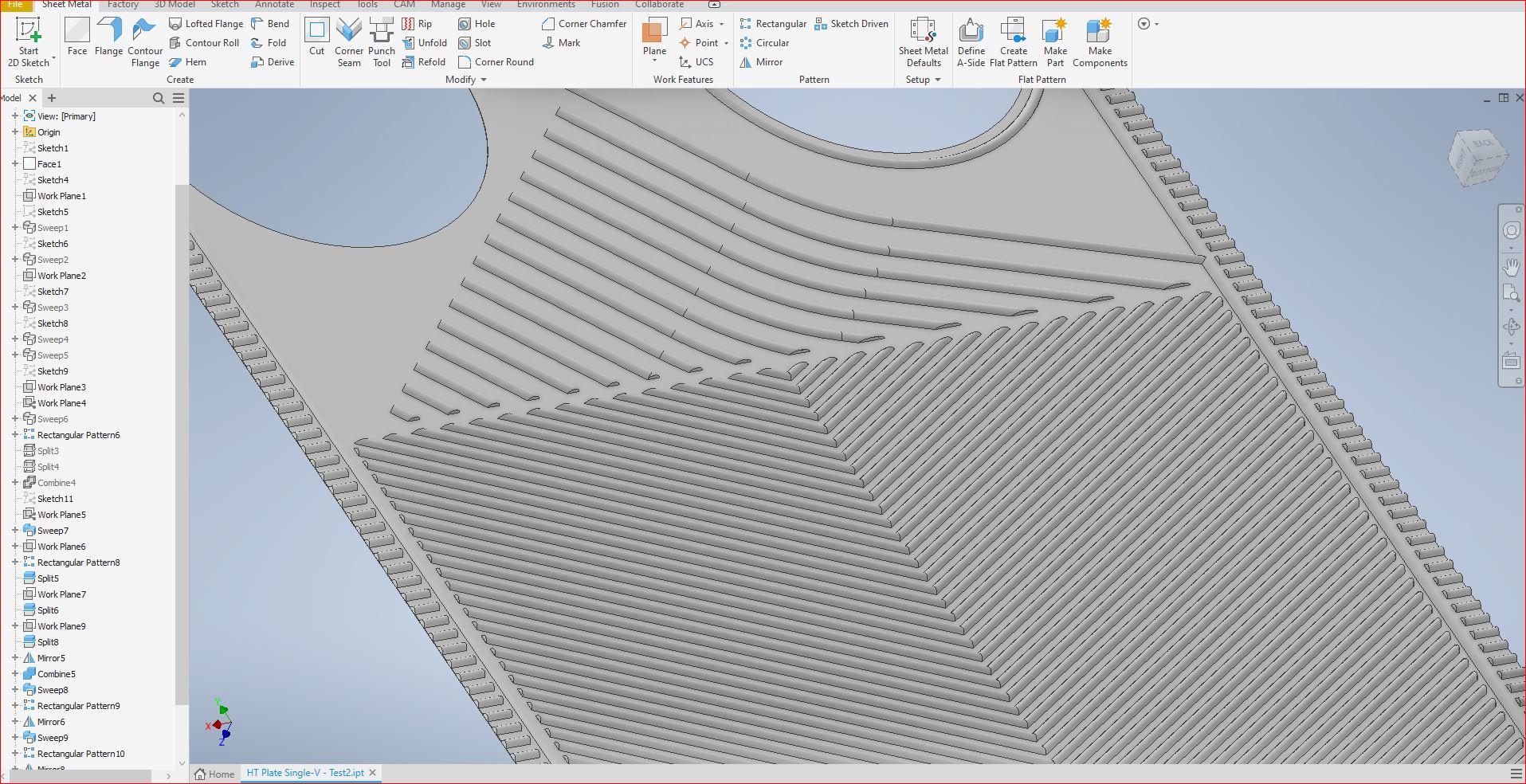
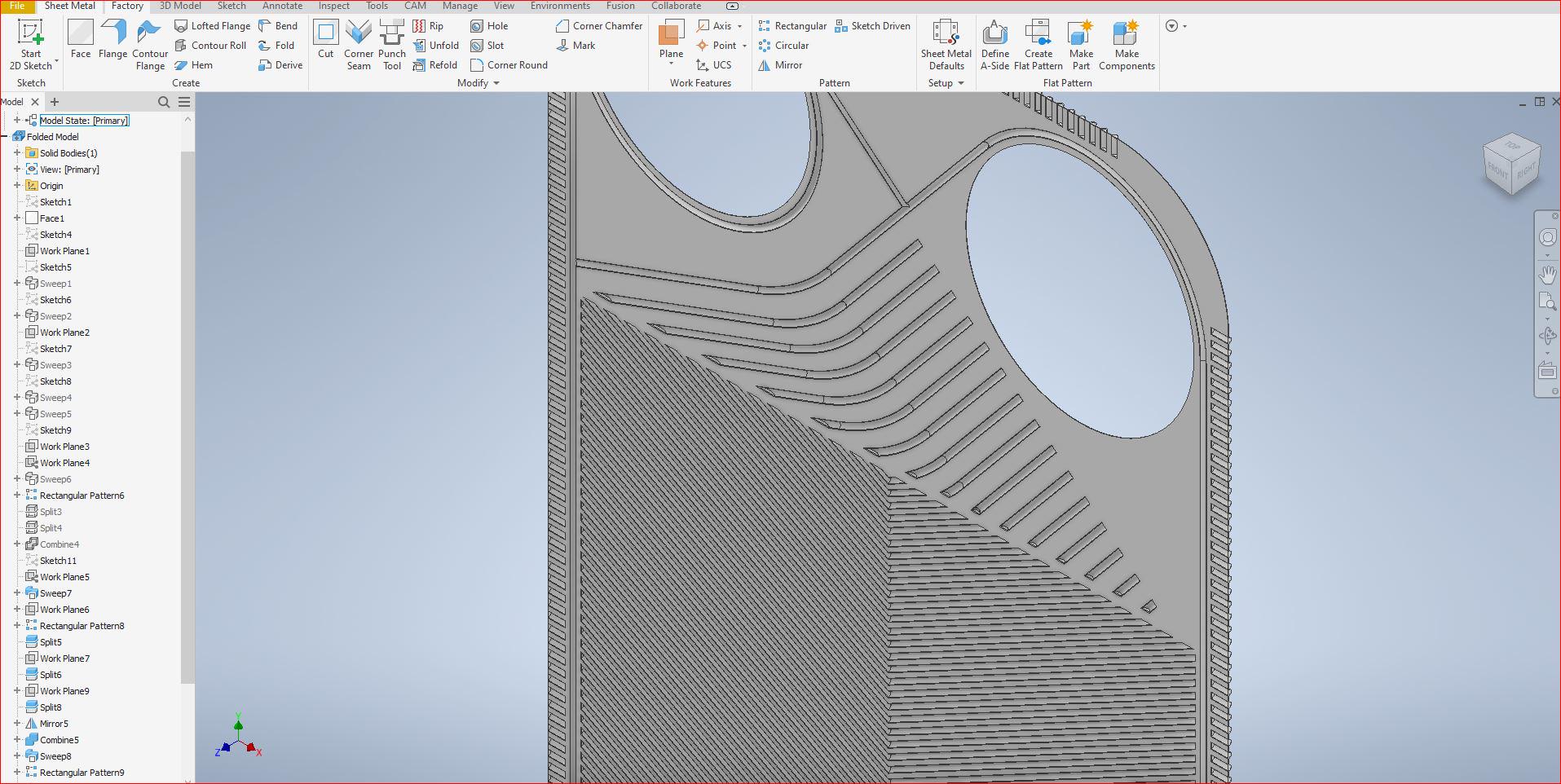
I want make a model of the attached images, I don't know how to start, when try to do it with 3D model it doesn't feel right , I want to know how it should be modeled

6 Upvotes

15 comments sorted by

6

u/BraveRubberDuck 4d ago

It can be done, it's just a pain to do tbh.

The bigger question is, do you NEED to replicate it, or can't you just redesign it your own way? What's the end goal?

3

u/Over-Juggernaut2421 4d ago

They are going to do a flow analysis, so they needed a accurate model , this is a phe

2

u/BraveRubberDuck 4d ago

I would do the patterns it in parts, using the "Rectangular Pattern" to repeat it, cut it accordingly, and add it to the main body. At the end you can make it one single solid piece.

2

u/Autodesk_xD 4d ago

Also recommend creating those features as a model state. If you're creating drawing or using that part in a larger assembly (especially multiple occurences), you'll want to suppress those edges to improve performance.

2

u/otte845 4d ago

If the volume of fluid suffices for your CFD analysis, then a lot of lofts and patterns would be a lot easier than modeling that surface on Inventor

2

u/Difficult_Limit2718 4d ago

Who? Why? They're idiots.

2

u/eypo 4d ago

Inventor is not really ideal for such surface modeling

1

u/Over-Juggernaut2421 4d ago

Which CAD software would you, please

2

u/Difficult_Limit2718 4d ago

Catia or NX is more appropriate for the task.

2

u/babyboyjustice 4d ago

Are you able to obtain the model from the manufacturer? That can be a good place to start.

2

u/Difficult_Limit2718 4d ago

Probably everything they want to learn could be obtained from the manufacturer.

I've worked at a company that has people stupid enough to try and do exactly this with exactly this part despite the fact they don't know what they're doing, when their fundamental questions could have just been solved by working with the vendor for 5 minutes or trying to learn about heat exchangers.

The lead engineer for a program once argued with me that his goal was to optimize HTC... I still laugh so hard about that... HTC is a functional output of efficiency, basically it's a nice number you might be able to use when you want to compare two plate designs or maybe get a feel for what tweaking surface area might do, but it's such a low level output at the system level it's not even worth writing down...

1

u/babyboyjustice 4d ago

Good point. A lot of people out there can only think in a linear path, rather than zooming out and finding an easier way

2

u/Difficult_Limit2718 4d ago

Ours was just pure arrogance that we were somehow smarter than the vendor whose only job is to perfectly design that part.

Or pure pride that we refused to admit they were the expert and could teach us about the internal physics if only we would ask.

1

u/babyboyjustice 4d ago

😂

1

u/Difficult_Limit2718 4d ago
  1. why? Your end goal is very important here. Are you looking to put this in a CAD assembly? Don't do it. Are you looking for practice? Cool, it's a fun part but complex as all get out and this may not be the right software. To do thermal or fluid models on it? Again - probably doing it wrong and you should really look at your approach to the problem.
  2. see 1.