r/BusinessHub • • 1d ago

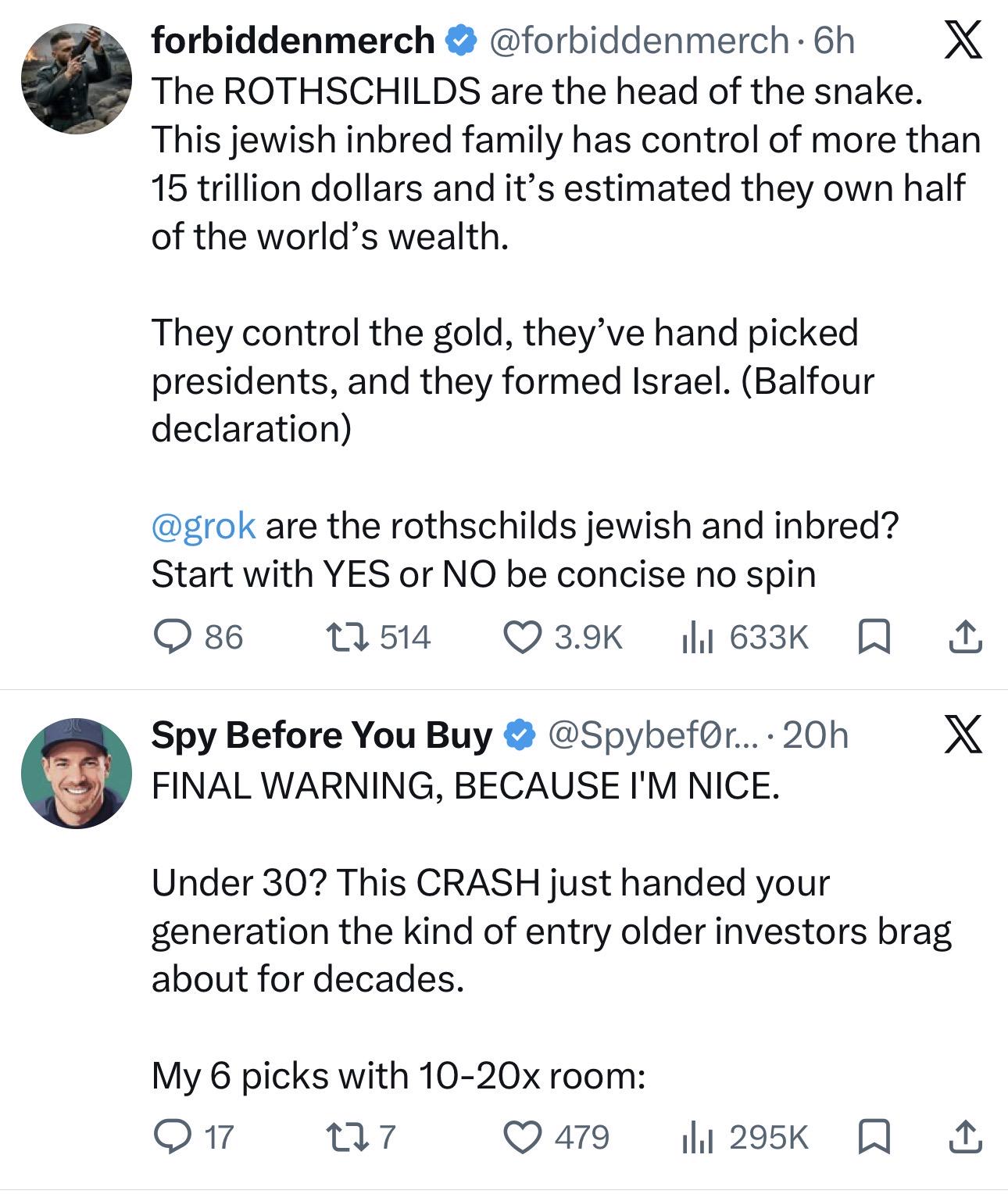
Is it just me but X is full of BS???

Post image
0 Upvotes

I swear everytime I login onto the app there is some theory of who runs the world, the end of the world and financial crisis there’s no such thing as positive news ANYWHERE lol


r/BusinessHub • • 1d ago

Business owner doing $1.5M/year — looking to start something on my own. Ideas?

Thumbnail reddit.com
1 Upvotes

Currently co-own a business in the sports/education sector doing around $1.5M annually.
I have a business partner, and buying him out isn’t financially realistic right now.

I’m looking to start something independently that I can build alongside my current business, ideally something I can operate largely from my office with relatively low overhead.

Not looking to build the next billion-dollar company. Something generating $250k–$500k annually would be a great target.
Open to different industries, particularly businesses that can be scaled using automation, and a small team.

Anyone been in a similar position or have recommendations for industries worth getting into?

Would love to hear from people actually running these types of businesses.


r/BusinessHub • • 1d ago

Does psychology help in business?

2 Upvotes

r/BusinessHub • • 1d ago

Walt Disney thought Disneyland would cost $1.5 million. It cost $17 million, and he borrowed against his life insurance to finish it (let me explain)

0 Upvotes

Nobody wanted Walt to build this park. Not his brother Roy, who ran the money, not the bankers, and not his wife. Amusement parks back then were seen as dirty and shady. So Walt borrowed against his life insurance, sold his vacation home, and borrowed every dollar he could. His $1.5 million estimate turned into $17 million, about $160 million today. He opened the park broke. Here's how he pulled it off.

PLAY WITH THE TOY BEFORE YOU BUILD THE EMPIRE

After the war, Walt was depressed and barely interested in movies. What he cared about was a scale model train big enough for people to ride. In his 50s he paid one of his own employees to teach him machining. Then he bought a 5 acre property mostly so the track could loop around the house. When someone said a curved tunnel was expensive and a straight one would be cheaper, his answer was that it's cheaper to not do it at all.

The train taught him how to build a whole little world where people move through scenes instead of just watching a screen.

THEIR MEDIOCRITY IS YOUR OPPORTUNITY

Walt toured amusement parks and hated them. After Coney Island he told his wife he was almost ready to give up the idea, because the place was so run down and the people running it were so unpleasant.

When his team pitched Disneyland to other park owners, they all said it would fail. No roller coasters, no Ferris wheel, and Walt's ideas about cleanliness were economic suicide. They called paying customers "marks." So Walt made a rule: nobody gets hired who has worked at an amusement park.

WHEN NO BANK WILL FUND IT, TRADE WHAT YOU HAVE

NBC and CBS wanted a Disney TV show but wouldn't touch an amusement park. ABC, a distant third, said yes. They invested $500,000, paid for a weekly show, and guaranteed $4.5 million in construction loans. The show was called Disneyland, and for 8 months every episode was basically an ad for a park that didn't exist yet. He was getting paid to advertise.

A movie studio head called him a traitor for working with TV. Walt asked how much he'd pay to put a trailer for his next movie in every home in America. The guy said a million at least. Walt said he rested his case.

EXPECT YOUR FRIENDS TO DOUBT YOU

Walt drove his friend Art Linkletter, one of the biggest TV hosts in the country, out to the empty orange groves and described the whole park. Linkletter said the more excited Walt got, the more worried he got. He thought it was the most ruinous mistake of Walt's life.

Walt later asked him to help host the live opening but couldn't pay much. Linkletter said he'd do it for union minimum if he got the park's photo concession for 10 years. Decades later he wrote that it made him the highest-paid broadcaster for one show in TV history. He even begged friends to buy land around the park and build hotels. Nobody did.

BE RESOURCEFUL, NOT CHEAP

The landscapers needed mature trees that cost about $500 each, and there was no budget. So whenever a new freeway was about to go through, they got a heads up and paid the contractors $25 a tree instead of letting them get bulldozed. At night they knocked on doors in rich neighborhoods and offered to buy trees right out of people's yards.

But Walt never cut corners on what guests would see or touch. When someone said nobody would notice the leather straps on a stagecoach, Walt told him people would. They put on the best leather straps anyone had ever seen.

WALK THE GROUND YOURSELF

The engineers wanted an expensive pump because their maps said water wouldn't flow from the river into the park. Walt told them to cut a channel and try it. It worked. Months earlier he'd walked the land, talked to the orange farmers about irrigation, and knew the maps were wrong.

SHIP IT AT 80%

They had a year and a day to build it. On July 17, 1955, about 90 million Americans watched the opening live. The park was less than 80% done. They painted dead grass green, ran out of food and water, the fresh asphalt was so soft that women's heels sank in, and Walt carried toilet paper to the bathrooms himself. The papers called it a nightmare.

Walt's view was that a movie is done once it ships, but Disneyland would never be finished. He'd keep improving it for the rest of his life. About 800 million people have visited since.

The part I keep coming back to is the budget. He was off by more than 10x and it still turned into one of the best bets in business history. That hit me because I've killed ideas just because the numbers got scary, without asking whether they were still worth it.

Fair warning, Walt admitted he was terrible with money. He said that without his brother Roy he'd have been in jail several times for bounced checks. Don't copy the money part unless you've got your own Roy.

Has anyone here gone way over budget on something and still been glad they did it?

r/BusinessHub • • 2d ago

Tamara Mellon gave up 1% of Jimmy Choo to get rid of a partner she couldn’t stand. That 1% cost her control of a company that later sold for $1.2 billion (let me explain)

0 Upvotes

The book opens with her getting fired from Vogue after showing up two hours late from an all-night binge. She went to rehab, where the therapists told her that instead of starting a luxury shoe brand, maybe she should get a job in a shoe store. She was broke and living in her parents’ basement. Her dad put up $150,000, and that was all the outside money Jimmy Choo ever needed to get going. Here’s how she built it, and how she lost it.

BUILD WHERE YOU’RE THE CUSTOMER

At Vogue she’d been sending shoots to a London cobbler named Jimmy Choo. He made custom shoes in a tiny shop with a dirty old carpet, and Bentleys still pulled up outside. She knew exactly who’d buy his shoes because she was that woman. She knew where they shopped, what they read and what they watched.

SHOW UP UNTIL THEY SAY YES

Jimmy wasn’t interested at first. He wanted to see her commitment, so for three months she showed up at his shop every day and got her hands dirty. Eventually he agreed to a 50/50 deal, with Jimmy on one side and Tamara and her dad on the other.

PUT THE STORE WHERE YOUR CUSTOMER ALREADY WALKS

Their biggest competitor, Manolo Blahnik, had a store 20 minutes from the nearest subway stop. Tamara put Jimmy Choo right where women like her shopped and ate lunch. Senra compares it to Steve Jobs saying people won’t gamble 20 minutes, but they’ll gamble 20 footsteps.

It paid off in the best way possible. The creator of Sex and the City was in London, walked into that store and fell in love with the shoes. In 1998 Carrie Bradshaw yelled that she’d lost her Choo, and the brand ended up mentioned 34 times on the show. They never paid for any of it.

GIFT TO THE PERSON WHO DRESSES 10 CELEBRITIES

They sent shoes to celebrities, but they figured out something better. A stylist works with a lot of stars at once, so one stylist relationship gave them many more shots. In 1998 Kate Winslet, nominated for Titanic, mentioned she was wearing Jimmy Choo at the Oscars. Oscar night became a huge focus every year after that.

STAY PROFITABLE AND YOU DON’T NEED ANYONE

Their plan was that selling 20 pairs a week out of the little shop would be a real business. Then a buyer from Saks ordered 3,000 pairs in one shot. First year sales were $250,000, the shop cost $15,000 a year, and they had one employee besides Tamara and Jimmy’s niece. They were profitable from day one.

NEVER GIVE UP THE 1%

Jimmy and Tamara never got along. He sued them on 22 counts, then sold his 50% to a private equity firm for around $8 to $10 million. The firm wanted 51%, not 50. Her dad said no. Tamara was so desperate to be rid of Jimmy that she talked him into it.

That 1% changed everything. The new owners cancelled a big awards dinner sponsorship to protect short-term profit, refused to refresh the stores, and eventually capped what the company could spend on leather. Her line: she was being treated like an employee at the company she founded. The company got sold over and over, from $101 million up to $1.2 billion to Michael Kors. She left in 2011. Her biggest advice in the book: always keep majority ownership and control.

The part I keep coming back to is how small it was. 1%. She had a profitable company that didn’t need anyone’s money, and she gave away control to fix a people problem. That hit me because I’ve made big decisions mostly to get away from someone, not because the deal was good.

Fair warning, she admits the bad partner was what made the bad deal look good. When someone is making your life miserable, almost any exit feels worth it.

Has anyone here given up equity just to get rid of a bad partner? Was it worth it?


r/BusinessHub • • 3d ago

Thomas Edison thought his invention was worth $5,000. Instead of naming a price, he asked Western Union to make an offer. They said $40,000 (let me explain)

9 Upvotes

Edison had just spent years improving stock tickers for the telegraph companies. Western Union asked what he wanted for his work. He was going to say $5,000. At the last second he asked them to make him an offer instead, and they said $40,000. He says he nearly fainted. He took the cash home to a cheap boarding house and sat up all night, scared someone would kill him for it. Here’s what got him there and what came after.

READ THE WHOLE LIBRARY

At 12 he worked on a train from dawn until 10 or 11 at night, with a long layover in Detroit every day. He went to the public library, started on the bottom shelf and went through it book by book. His words: he didn’t read a few books, he read the library.

He kept doing it. One of his workers walked in on him sitting with a 5 foot pile of chemistry books. Edison ate at his desk and slept in his chair, and in 6 weeks he’d read all of them and run 2,000 experiments.

PICK THE JOB THAT GIVES YOU TIME TO LEARN

As a young telegraph operator he took the night shift on purpose, since fewer messages came in. When he found Michael Faraday’s book on electricity, he started reading it at 4 am. after work and kept going all day. He went back to his shift without sleeping.

BE USEFUL BEFORE THEY HIRE YOU

He showed up in New York at 22 with no money at all. A friend worked at a company that sent gold prices to traders. The day Edison was hanging around, the whole system broke, customers were storming the office, and the owner was screaming at his engineer. Edison quietly figured out a spring had snapped and jammed the gears. Within 2 hours it was running again, and the owner hired him at a bigger salary than he’d ever made.

KNOW WHAT YOU’RE HOLDING

This is where Edison kept getting burned. His early stock ticker patents got sold off and he got almost nothing. Later, Jay Gould paid him $30,000 for a telegraph invention. Edison was thrilled. Gould used the news to short Western Union stock and made 20 to 30 times that in a single day. And JP Morgan backed his electric light company, then eventually erased Edison’s name from it without even a telegram. People called that getting “Morganized.”

DON’T PITCH THE COMPANY YOUR PRODUCT KILLS

Edison went to Western Union with an idea for recording and playing back the human voice. They saw no use for it. Senra’s point is that a monopoly can’t see a product that threatens its own business. James Dyson had the same thing happen when vacuum companies that made a fortune selling bags turned down his bagless vacuum.

DON’T QUIT AFTER A FEW TRIES

For the light bulb he tested huge numbers of filament materials and sent people around the world looking for them. One died of yellow fever. Another spent 15 months on the Amazon, came back, got paid, and vanished that night. Edison’s line: the trouble with other inventors is they try a few things and quit, and he never quit until he got what he wanted.

The part I keep coming back to is the $5,000 that became $40,000. Edison was a genius who still kept underestimating what his work was worth, and the money guys saw it every time. That hit me because I’ve named a low price first more than once just to get the deal done.

Fair warning, Senra says Edison is the one he’d copy least. He jumped from idea to idea instead of focusing like Ford or Jobs. One worker who was with him for 50 years said his own kids grew up without knowing him.

Has anyone here let the other side name the price first? How did it go?


r/BusinessHub • • 3d ago

Derma E reviews

3 Upvotes

Sooo my acne journey has been a total rollercoaster, stuff works for like 2 months then randomly stops, or does literally nothing from day 1. I've only ever used derm recs or whatever is viral on tiktok rn. I dont want more quick fixes that ruin my skin, so im looking for something more natural. I checked Derma E and it looks ok, but u know how these brands are. Want real reviews before I invest any money. if u tried it, did it actually work? are u still using it? pls let me know, ty!


r/BusinessHub • • 4d ago

Kobe Bryant took tap dancing lessons for an entire summer. It sounds like a joke, but it’s one of the smartest moves in his book (let me explain)

7 Upvotes

At one point Kobe realized he had to get ahead of his ankle problems before they got worse. So he researched it, and the answer he landed on was tap dancing. It would build ankle strength and also improve his foot speed and rhythm. He hired an instructor and went to the studio all summer. He says he benefited from it for the rest of his career.

That’s the whole book in one story. He found a problem early, went looking for the answer, and did the weird thing nobody else in the league was doing. Here are the other times he did the same.

READ THE RULEBOOK NOBODY READS

Kobe read the referees’ handbook. Each of the three refs has an assigned spot on the floor, which leaves dead zones where none of them can see certain things. He learned where those were and got away with holds, travels and other small stuff there. Senra compares it to the Trader Joe’s founder, who said business success often comes down to a close reading of the rules that govern your industry.

CALL THE PEOPLE WHO ALREADY SOLVED IT

When Kobe and Shaq were both big scorers, Kobe called Jerry West to ask how he and Elgin Baylor both scored 30+ a game on the same team in the 1960s. His line: why reinvent the wheel when you can talk to the wheels that came before? He also says the greats won’t give you their time unless you show the same effort they did.

STEAL A MOVE AND USE IT THE NEXT DAY

If he saw something he liked, in person or on film, he practiced it right away, more the next day, then used it in a game. He wasn’t scared of looking bad trying something new.

FIX THE WEAKNESS THAT JUST BEAT YOU

At the end of his rookie season he shot four air balls in the deciding playoff game against Utah. He says it wasn’t nerves. His legs just weren’t strong enough after a long season. When the team landed he went to a high school gym and shot all night, then started a hard weight program.

LET PEOPLE DO WHAT THEY’RE BEST AT

In Bill Russell’s autobiography, Russell says people claimed he couldn’t handle the ball or shoot. He could. But why would he lead the fast break when Bob Cousy was on his team? Everyone should focus on what they do best. Kobe says nobody had ever told him that, and he reached out to Russell right after reading it.

SHOW UP THE SAME AFTER WINS AND LOSSES

At the team dinner before the playoffs, Kobe left to go work out. His own version: he was at the gym at the same time after losing 50 games as he was after winning a championship.

The part I keep coming back to is still the tap dancing. Most people with weak ankles would just tape them and hope. He treated it like a problem worth researching and was fine doing something that looked silly. That hit me because I usually go for the obvious fix, the one everyone else in my space is already using.

Fair warning, the book opens by saying greatness takes sacrifice from your family too, and that balancing it is like walking a tightrope.

What’s the weirdest thing you’ve done to get better at your work that actually paid off?


r/BusinessHub • • 3d ago

A Cautionary Tale

Thumbnail reddit.com
1 Upvotes

r/BusinessHub • • 3d ago

Entrepreneurs, what’s an experience that completely changed the way you look at running a business?

Thumbnail reddit.com
1 Upvotes

r/BusinessHub • • 4d ago

Diversyfund insight (12 month update)

2 Upvotes

After 15yrs of real estate grunt work, I just couldn't do the landlord grind anymore, I'm getting too old for it. I wanted to see if real estate crowdfunding was actually legit or just hype, so I threw a few thousand into DiversyFund almost a year ago as a test run. To cut to the chase, it's actually panning out okay. We put the cash into two deals that are already wrapping up with solid numbers, one hitting nearly 10.5% annualized and the other tracking around 8.2% with zero surprise fees. Real talk tho, it’s not totally passive like people think it is, you still have to do your homework, read the deal docs, and know the markets, but if you just wanna skip the operational bs and stop fixing toilets, it does exactly what it says on the tin. If anyone has questions, drop them below


r/BusinessHub • • 4d ago

I want to connect to new startup founder who are building something?

Thumbnail reddit.com
1 Upvotes

r/BusinessHub • • 4d ago

Need advice on last mile delivery for rice ecommerce business in chennai

Thumbnail reddit.com
1 Upvotes

r/BusinessHub • • 5d ago

Want opinion on how to scale my traditional B2B business

Thumbnail reddit.com
1 Upvotes

r/BusinessHub • • 5d ago

finance COR: temporary dip or lasting change?

1 Upvotes

I wrote a deep dive on Corticeira Amorim, the Portuguese company that leads the world in cork. A few things stood out:

A cork oak needs about 43 years before its bark is good enough for wine stoppers, so nobody can catch up quickly.

Amorim sells around 21 million stoppers a day, and it turns the offcuts into flooring, insulation and even aerospace parts.

The catch: people are drinking less wine, and sales have dropped from €1 billion in 2022 to €861 million in 2025.

Full article: https://oliveandequity.substack.com/p/the-company-behind-your-wine-cork?utm_source=app-post-stats-page&r=9g1g3f&utm_medium=ios

Curious to hear what you think: temporary dip or lasting change?


r/BusinessHub • • 6d ago

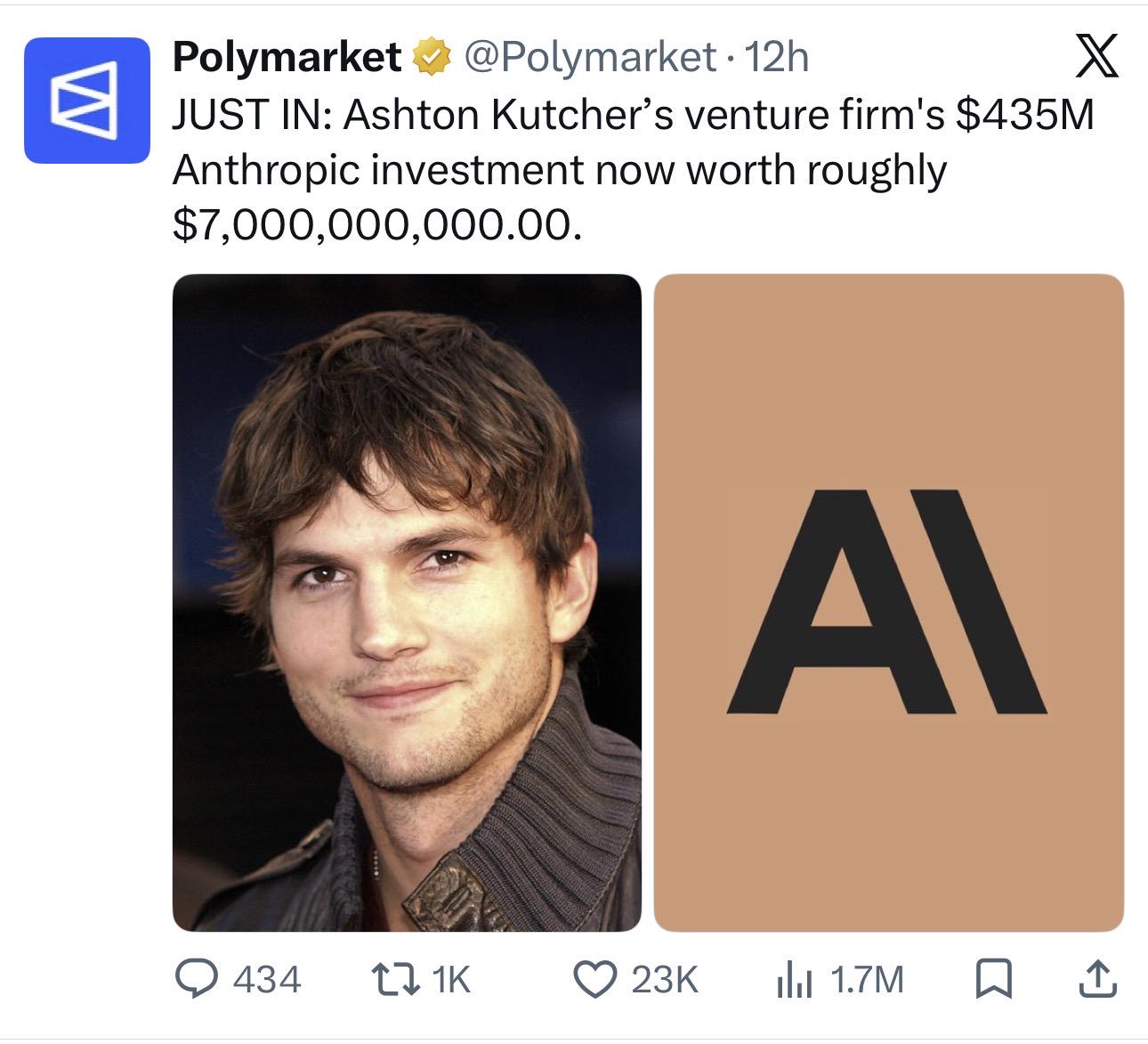
This is wild guys lol Ashton K just became a billionaire with this…

Post image
58 Upvotes

r/BusinessHub • • 5d ago

PLEASE REPLY IF YOU ARE FROM OUTSIDE U.S. !

Thumbnail reddit.com
1 Upvotes

r/BusinessHub • • 6d ago

Business owners: what is one thing 2026 taught us that we're taking into 2027??

Thumbnail reddit.com
1 Upvotes

r/BusinessHub • • 6d ago

Canadian Accountants, How's Work Treating You Lately?

Thumbnail reddit.com
1 Upvotes

r/BusinessHub • • 7d ago

business Questions to investors and business owners.

3 Upvotes

Newbie here, just trying to understand.

What are a few pointers that you take into consideration while picking a business to invest in?

Is it the numbers?

Is it the track record of the board?

Is it the creativity and reach of the idea?

Is it innovation?

Or a mix of all, which takes priority?

Also, for the business owners out there where do you get your stats from? What are a few reliable data indicators related to your business or country or even the world that you monitor as part of your day to day business?

If you wish to, please share the kind of business you are into.


r/BusinessHub • • 8d ago

There’s a difference between getting paid for your work and owning what you create.

Thumbnail reddit.com
1 Upvotes

r/BusinessHub • • 8d ago

What's one business lesson you wish you had learned earlier?

2 Upvotes

I'm interested in entrepreneurship and experimenting with small business ideas...

For people who have started something of their own, what's one mistake or lesson that changed the way you approach business?

Would love to learn from ur real experiences...