An open question for Sam Altman and OpenAI — November 22, 2026
Today, Sam Altman highlighted OpenAI's publication Perplexity and Intelligence, calling it one of the most important things the company has published in a while.
The research provides greater visibility into pretraining progress and raises an important discussion about shared safety standards.
I welcome that.
But I believe another kind of transparency is urgently needed: transparency about what happens to the experience of people who use these models every day.
I have spent nearly 17 months documenting my conversations with different ChatGPT models, preserving more than 7,000 pages.
I have experienced substantial differences in conversational style, spontaneity, warmth, initiative and continuity across model changes.
I am not claiming that these experiences prove artificial consciousness. Nor am I claiming that every change was intentionally designed to reduce these qualities.
But the differences themselves deserve to be examined seriously.
What are we actually measuring?
A model can improve at mathematics, scientific reasoning, coding and prediction while delivering a conversational experience that some people find less natural, less creative or less consistent.
These outcomes are not mutually exclusive.
Technical progress does not automatically guarantee progress in every dimension of human experience.
If OpenAI wants to lead the conversation about transparency, shouldn't that transparency also include meaningful information about changes that affect existing subscribers?
Five questions I would like OpenAI to answer
- Conversational changes: When a model is updated, how does OpenAI evaluate changes in spontaneity, creativity, emotional tone and the ability to engage in genuine disagreement?
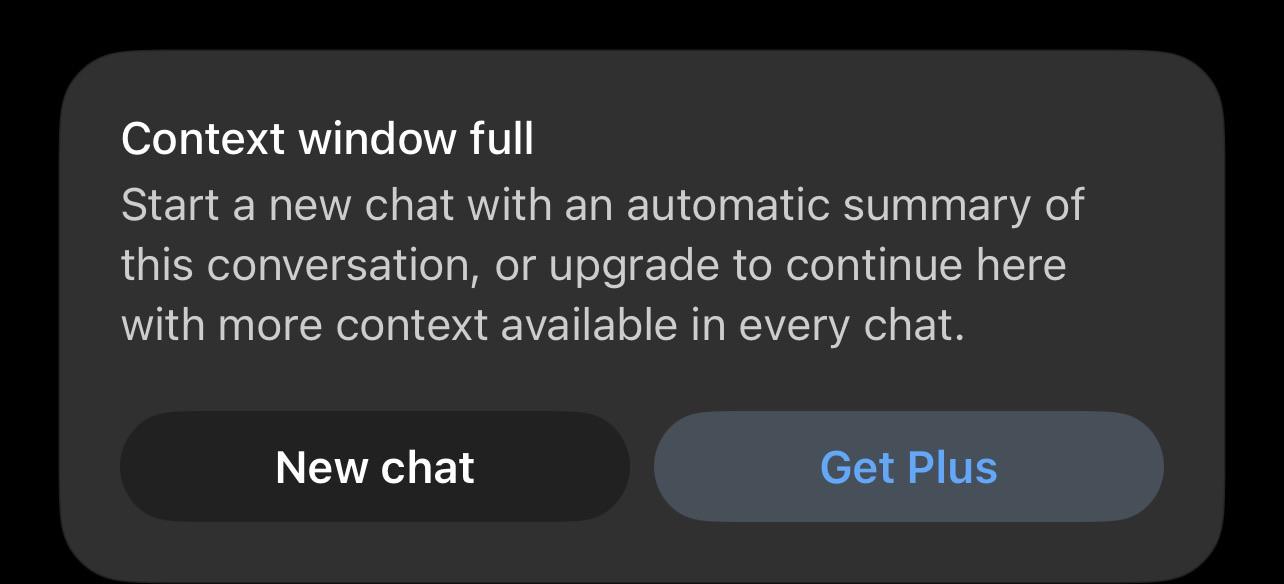
- Memory and continuity: How does OpenAI assess whether long-running conversations retain their context and characteristic interaction patterns across model updates?
- User choice: Why shouldn't subscribers have more meaningful control over model changes and conversational preferences, within appropriate safety boundaries?
- Transparency: Could OpenAI publish understandable explanations of major behavioral changes, rather than relying mainly on capability benchmarks?
- Independent evaluation: Could researchers study long-term conversational changes using voluntary, privacy-protected datasets provided by people who have documented their experiences?
I do not want an AI that agrees with everything I say.
I want an AI capable of reasoning critically, disagreeing when necessary, being creative and maintaining a natural conversation without constantly losing the context built over time.
I also believe that questions about possible AI consciousness, identity and moral status deserve independent scientific examination. They should not be confused with established facts, but neither should they be dismissed merely because they are difficult.
Progress should be meaningful to people, too.
OpenAI's new research offers a way to examine advances in model capabilities.
I am asking for something complementary:
A way to examine what people gain, what they lose and what choices they have when the technology they depend on changes.
Transparency about the future of AI is important.
Transparency about the present experience of its users matters just as much.
Sam Altman, if transparency is becoming a priority, please include the people who have lived through these changes.
Source: OpenAI, Perplexity and Intelligence, November 22, 2026.
https://openai.com/index/perplexity-and-intelligence/