r/Citrus • u/Slimpickunz • 40m ago
Project Draconian Depths (DD-BV2)
galleryProject Draconian Depths (DD-BV2): Day 27 Flying Dragon Citrus Bioponics — Living-Mineral Substrate, Forced-Air Rhizosphere & Scion Caliper Check
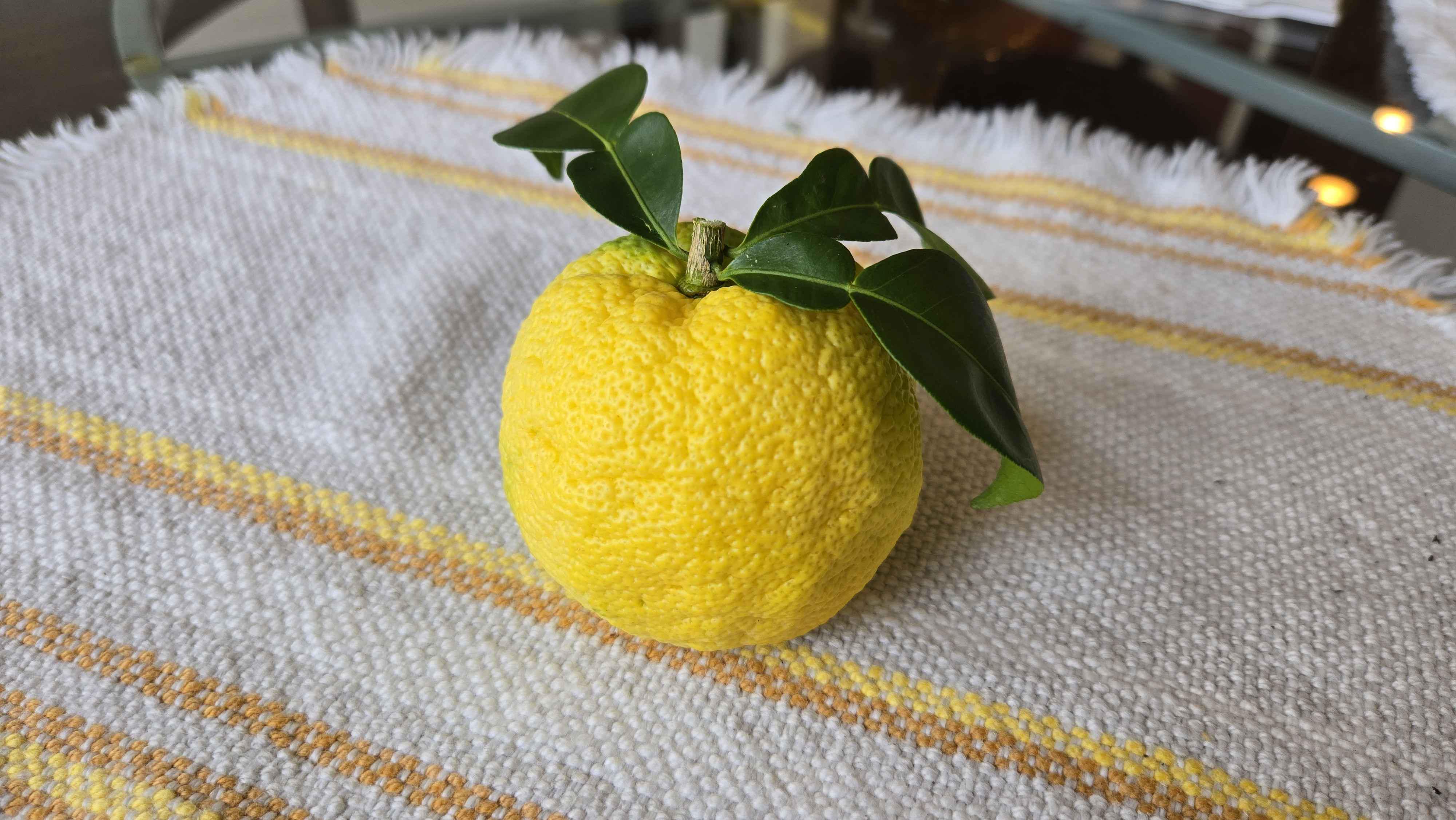
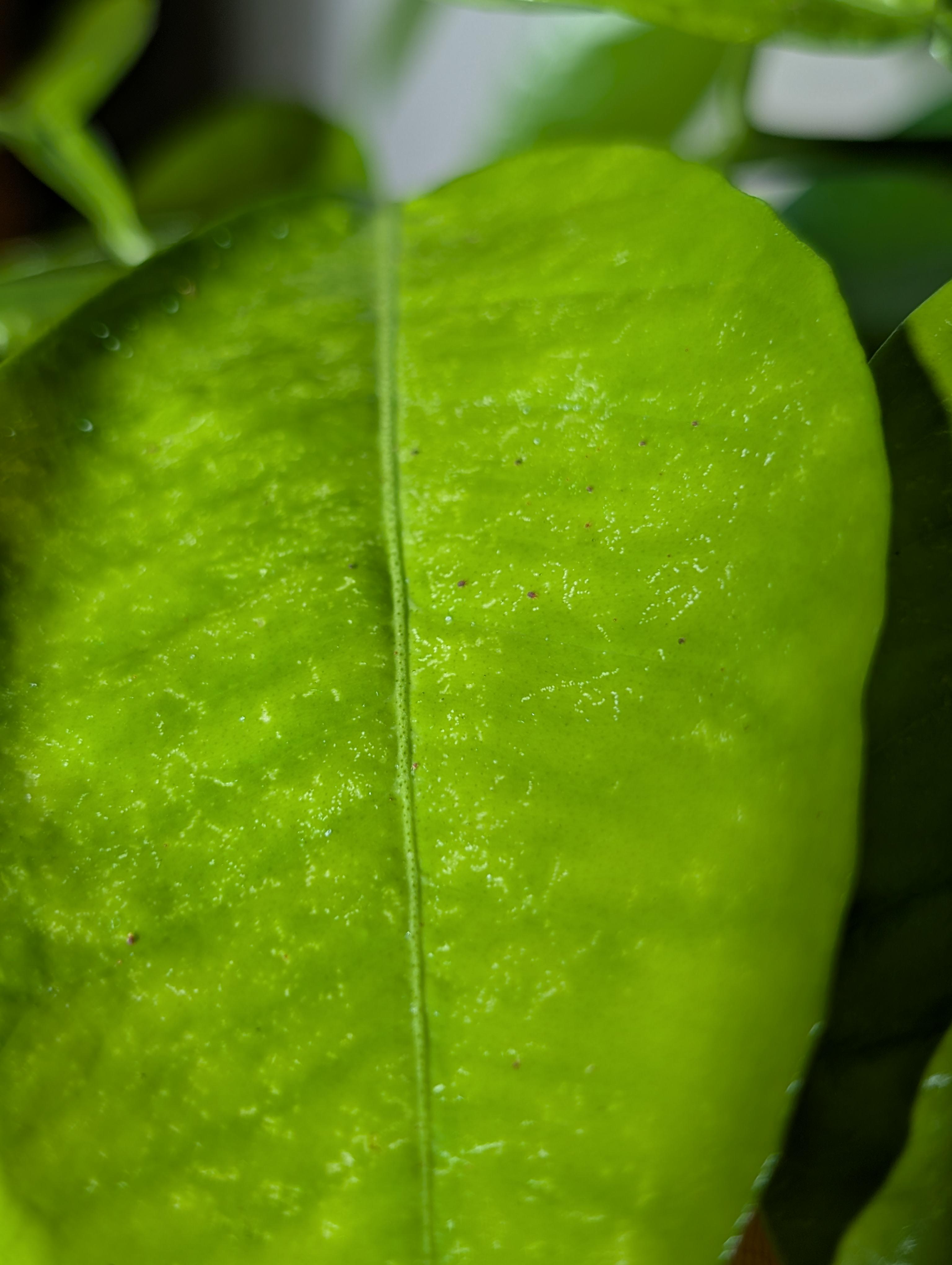
Pictured: Flying Dragon (Citrus trifoliata) rootstock on Day 27 of bioponic establishment (DD-BV2, launched 26/10/2026) sitting next to its proposed scion—an air-layered Meyer lemon watershoot pulled in early October. Strictly a side-by-side caliper check for now; the rootstock stays untouched until establishment is locked in.
Core Doctrine: Biology First → Hydraulics Second → Chemistry as Readout.
The substrate is the primary bioreactor. The aerated reservoir handles oxygenation, moisture, and dissolved nutrient transport. pH and temp are readouts, not panic triggers.
Hardware & Environment
* Vessel & Reservoir: 10-inch slotted net pot seated in a 5-gallon bucket lid with a 2.5-gallon working fill. Waterline sits just below the net-pot bottom (calibrated with a marked 1-gal pitcher).
* Aeration: Continuous high-volume aeration (~900–1,100 GPH pump / 6-inch airstone) running a splash and forced-air rhizosphere—not fully submerged DWC.
* Tent & Lighting: 4×8 tent; HLG 700 RSpec FR, Mars Hydro TS3000 (420W), and Koscheal 240W full-spectrum on a 13/11 cycle (05:00–18:00).
* Climate: DREO 6L humidifier at 65% RH, exhaust + oscillating circulation fan.
* Target pH: 5.8–6.3 (monitored with an Apera PH20).
Substrate (Citrus Mix V2 — 8:4:5:2:1)
* 40% Buffered coco husk chips
* 25% LECA
* 20% Calcined clay
* 10% Charged biochar
* 5% Clinoptilolite zeolite
* Surface: Vermicast top-dress capped with chopped pine straw. Vermicast was watered in over an empty bucket (drain-to-waste) at launch; initial reservoir fill was 2.5 gal clean water only.
Addressing the Synthetic Precharge (Before Anyone Loses Their Mind)
Before the purists sharpen their pitchforks: yes, the V2 substrate batch was mineral-precharged with synthetic salts before launch (~2 gal of an 872 ppm TDS / pH 6.4 solution—4 tbsp Bio-SuperSil, 2 tsp Masterblend 4-18-38, 2 tsp calcium nitrate, 1 tsp magnesium sulfate in 4 gal water—worked into 12.5 gal of mix).
Two reasons: CEC and clock speed.
Zeolite, calcined clay, biochar, and coco chips build a massive cation exchange capacity (CEC) matrix. If you plant straight into an uncharged high-CEC mineral mix and wait on slow organic mineralization to load those exchange sites, the substrate acts like a sponge and strips Ca, Mg, and K straight out of solution—starving the tree out of the gate. I was on a time crunch to get the mix operational instead of letting it cook for weeks. The precharge simply satisfies the mineral exchange sites upfront; once loaded, the reservoir started on plain water and the ongoing system runs biologically.
Organic Feed Regimen
* 6-Part Dry Citrus Blend (9.75 parts total): 4 parts Citrus-tone | 3 parts Down To Earth Citrus Mix | 1 part Neem meal | 1 part Crab shell meal | 0.5 part Kelp meal | 0.25 part Azomite. (Standard rate: 1–2 tbsp/gal substrate. Top-dressed 2.5 tbsp under the pine straw on Day 13 / 08/11.)
* Aerated Aloe Drench (Day 13 / 08/11): 1 whole aloe vera leaf blended with 1 tbsp neem meal, topped to 1 gal with dechlorinated water + 1 tbsp fish hydrolysate + 0.25 tsp Recharge (commercial microbial inoculant: kelp, humic/fulvic acids, molasses, Bacillus, Trichoderma, mycorrhizae). Bubbled ~1 hour; 0.5 gal drenched through the substrate into the reservoir (pH unadjusted).
* Reset & Inoculation (Day 24 / 19/11): Reservoir reset with 2.5 gal clean dechlorinated water (settled at pH 6.5), withdrew 0.5 gal, and applied ~0.5 tsp Boca Hydro mycorrhizae + 1 capful fish hydrolysate around the trunk base and middle ring.
Built-In IPM of the Mix
Instead of waiting for root pests to show up in a warm, humid indoor tent, IPM is baked directly into the substrate and feed stack:
* Neem meal (dry top-dress + aloe drench): Provides slow-release fertility alongside botanical pest deterrence (azadirachtin/limonoids) in the root zone.
* Crab shell meal: Supplies chitin and calcium to selectively feed chitin-degrading microbes, which produce chitinase enzymes that break down insect larvae, exoskeletons, and fungal pathogen cell walls.
* Bio-SuperSil (nanosilicate / orthosilicic acid): Reinforces plant cell walls for structural defense against piercing/sucking pests and abiotic stress.
* Whole aloe vera: Saponins act as a natural surfactant/wetting agent for uniform root-zone distribution while supplying salicylic acid to prime systemic acquired resistance (SAR).
* Pine-straw cap + living biology: Moderates surface moisture and acts as a physical buffer over the damp vermicast layer.
Day 0–26 Telemetry Highlights
* Launch to Stabilization: Settled at pH 7.5 (82°F) on Day 1 → dropped to 6.5 with 2 tbsp Bio-SuperSil. Minor pH Down nudges and 0.5-gal recirculation passes through the substrate dialed it in.
* Temp vs. Oxygen: Reservoir routinely runs 81–84.5°F with zero rancid/anaerobic odor—relying on aggressive forced-air oxygenation and splash mechanics rather than chasing chiller temps.
* Biology Check: Hitchhiker red wiggler from the vermicast spotted on the reservoir wall on Day 7, and an immature red wiggler confirmed living right at the bottom of the net pot on Day 20.
* Current State (Day 26 / 21/11): Holding steady at pH 6.3 and 82.8°F post-reset with plain-water odor and light edge foam.
(Full Day 0–27 public log PDF available if anyone actually wants the raw daily numbers.)