EPFO just rewrote PF withdrawals.
On 19 November 2026, EPFO's Central Board of Trustees (CBT) approved three big changes:
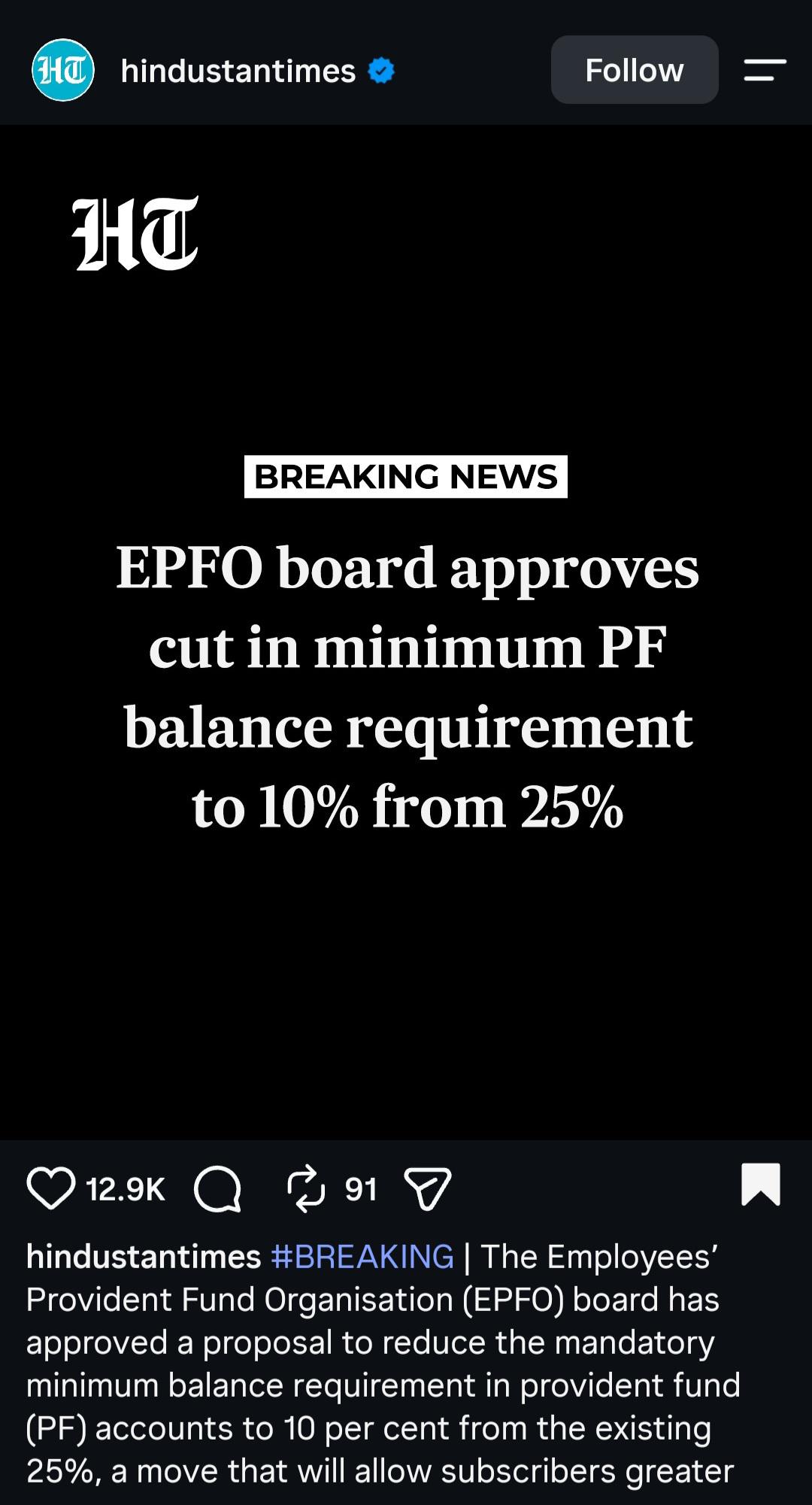
- You'll be able to withdraw up to 90% of your PF instead of 75%.
- You can claim your full PF 2 months after leaving a job instead of 12.
- Retirees get the option to take their PF as regular payouts instead of one lump sum.
Here's what each one means.
1. You can withdraw up to 90% of your PF
What changed: Right now, you have to keep 25% of your contributions (plus interest) untouched in your PF. The board has cut this to 10%. So the most you can take out through a partial withdrawal goes from 75% to 90%.
Example: Say your PF balance is ₹5 lakh.
- Before: you can withdraw up to roughly ₹3.75 lakh.
- After: up to roughly ₹4.5 lakh.
That's about ₹75,000 more. The exact amount depends on how EPFO calculates your eligible balance.
What stays the same: You still need 12 months of PF membership and a valid reason for a partial withdrawal, such as illness, education, marriage, housing or special circumstances.
2. Full PF after 2 months of unemployment, not 12
What changed: If you leave a job, you'll be able to withdraw your full PF after 2 months of unemployment instead of 12.
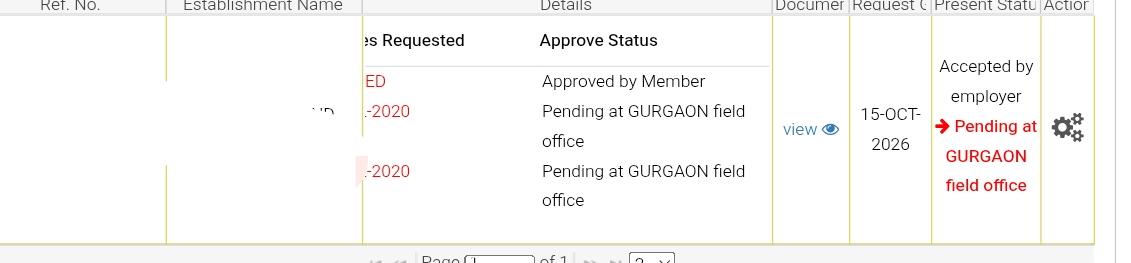
The backstory: In October 2025, the CBT raised this waiting period from 2 months to 12, to stop people from emptying their PF every time they switched jobs. People were angry that they had to stay jobless for a full year to get their own money. The 12-month rule came into force on 29 June 2026. Now the board has gone back to 2 months.
What stays the same: The pension part of your PF (EPS) still has a 36-month wait for final withdrawal after you leave a job.
3. Monthly PF payouts for retirees (Systematic Withdrawal Plan)
What changed: Retiring members can take their PF in instalments instead of all at once.
How it works:
- When you get paid: monthly, quarterly, half-yearly or yearly. You pick.
- How long: up to 20 years.
- Interest: the money still in your account keeps earning EPF interest.
Your options:
- Take the whole amount in instalments.
- Take part as a lump sum and the rest in instalments.
- Withdraw only the interest and leave the principal untouched.
- Flexibility: you can stop the plan anytime and take out what's left.
- If the member passes away: the nominee can withdraw the balance or keep getting the payouts.
- It's optional: you can still take a lump sum like before.
Still to be decided: How the payouts will be taxed. EPFO is discussing this with the Finance Ministry.
When do these changes start?
The Labour Ministry will now amend the EPF Scheme and notify the changes. The SWP is expected to start about 2 months after that.
FAQ
How much PF can I withdraw under the new rules? Up to 90% of your eligible balance, up from 75%.
How long do I wait for my full PF after leaving a job? 2 months of unemployment, down from 12.
Does the 2-month rule apply to my EPS pension money? No. Final pension withdrawal still needs 36 months.
Is the monthly payout plan compulsory for retirees? No, it's optional.
Over to you
Curious what people here think:
- Is going back to 2 months the right call, or was the 12-month rule actually protecting people's retirement money?
- If you're close to retirement, would you pick monthly payouts or take the lump sum?
- Anyone who left a job this year and got stuck with the 12-month wait, how did you manage?
And if you're not sure how these changes apply to your own PF (job switch, pending claim, old accounts), drop your situation in the comments and I'll help you work it out.