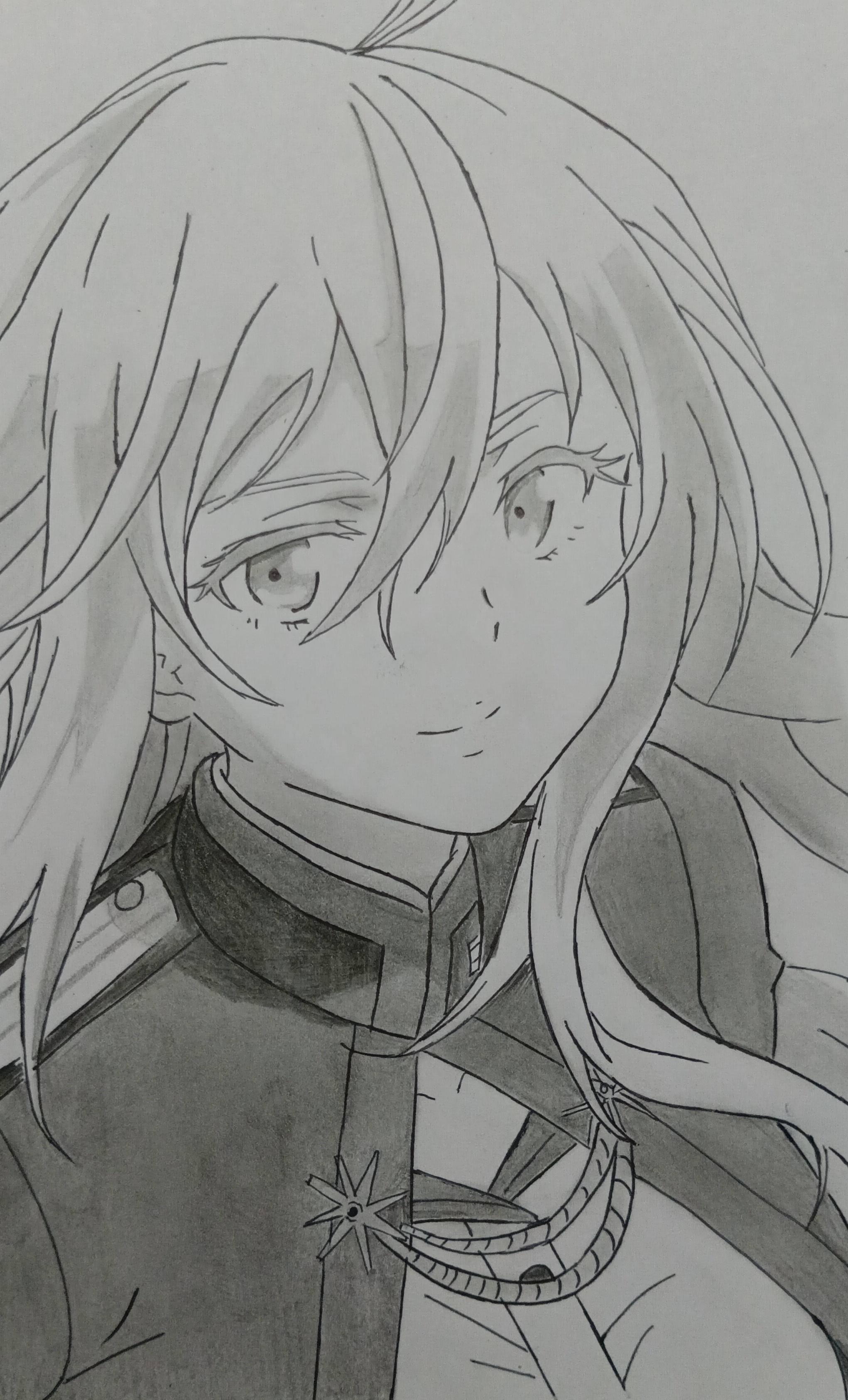
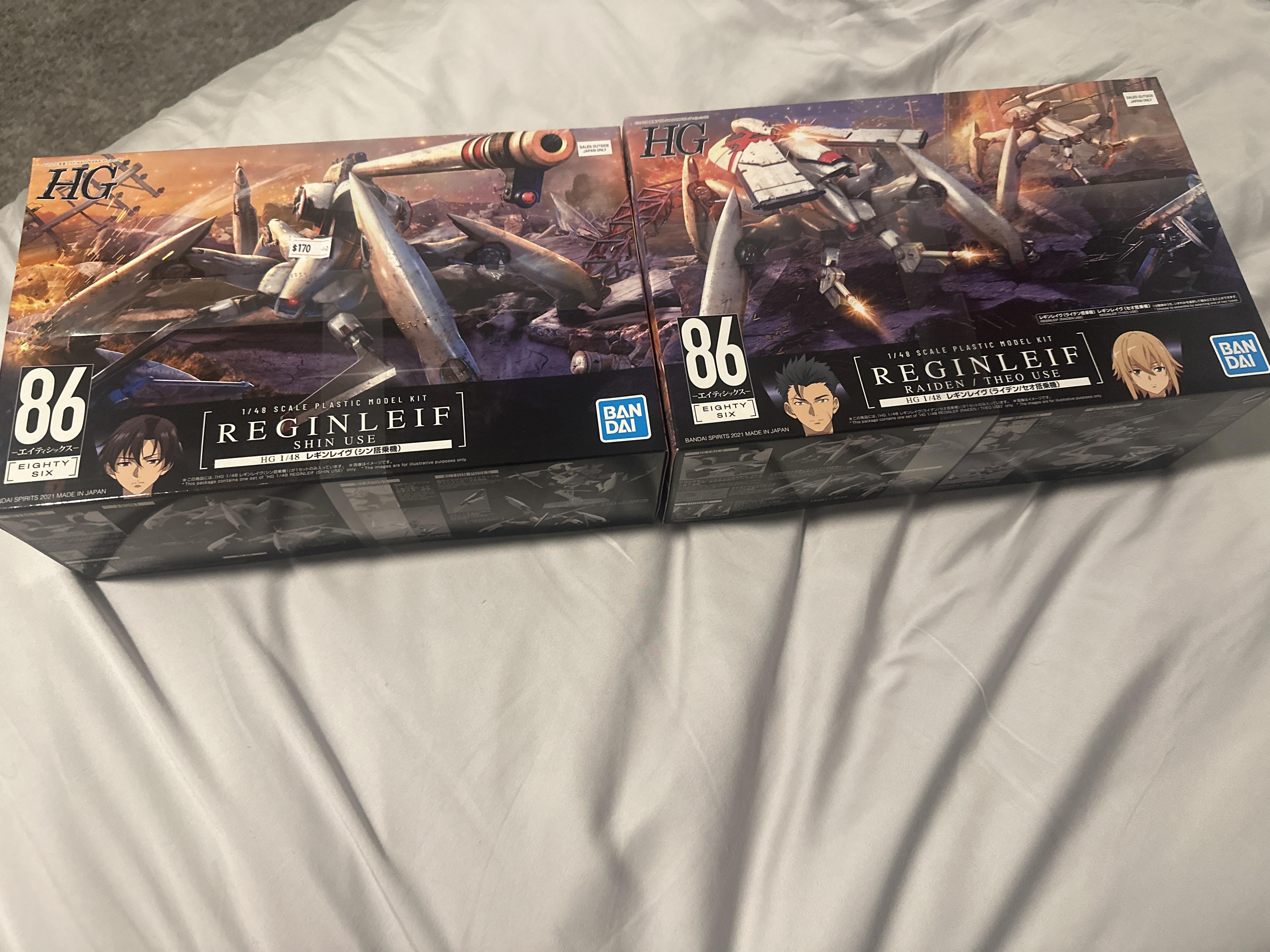
86 has plenty of qualities worth celebrating. The battles are excellent, the attention to military detail, weapons, and equipment is impressive, and the chemistry between the characters creates some genuinely entertaining and memorable moments.
However, a few things keep me from enjoying the story as much as I would like:
- Too much Deus Ex Machina. Convenient solutions appear in situations that should carry much heavier consequences.
- The main cast feels protected by the narrative. The core group of protagonists is seemingly untouchable. They may suffer trauma, lose limbs or endure emotional devastation, but the story rarely allows them to face truly irreversible consequences.
- Lena's endless motivational speeches. I admire her determination, but it gets exhausting when she seems capable of delivering an inspiring speech in absolutely every situation. Sometimes, the story seems to mistake leadership for the ability to give motivational speeches.
- Political passivity. Too many characters seem content to react to the surrounding circumstances rather than actively challenge the structures that created those circumstances. I would have liked more ideological conflict, political awareness, collective action and disagreement.
- The portrayal of oppression. This is, by far, my biggest issue. I often feel that Japanese storytelling struggles to portray historical oppression from the perspective of the oppressed themselves. There is a fundamental difference between depicting discrimination and understanding how oppression shapes identity, culture, social relationships and, most importantly, political consciousness.
Perhaps there are historical and cultural reasons behind this. I wouldn't want to turn this observation into a blanket statement about Japanese creators, especially considering notable exceptions such as Fullmetal Alchemist and Attack on Titan.
I also recognize that my perspective is deeply shaped by my own roots. I'm Latin American, descended from enslaved people, Indigenous peoples and immigrants. I come from a society shaped by colonization, an empire, two periods of dictatorship and a still-young, fragile democracy.
For someone carrying that historical and cultural background, oppression is not merely a dramatic device or a convenient backstory to justify a protagonist's journey. It leaves lasting marks on institutions, culture, collective identity and the way people understand the world.
A people are not defined solely by the suffering imposed upon them, but also by their memory, culture, resistance, and the way they choose to exist beyond it.
And I feel that 86 could have explored these dimensions much more deeply.
In the end, I genuinely enjoy the series. I just feel that it is much better at depicting the horrors of war than at exploring the political and social structures that make that war possible.
As Los Tigres del Norte sang during their NPR Tiny Desk Concert:
"Soy latino, soy mestizo. Soy de todos los colores."
I cannot escape my roots, nor do I want to.
I didn't cross the border. The border crossed me.