r/FHAmortgages • u/ShanetheMortgageMan • 8h ago
🏠 Property & Appraisal Would FHA Finance This? #02 | An Unpermitted Garage Conversion
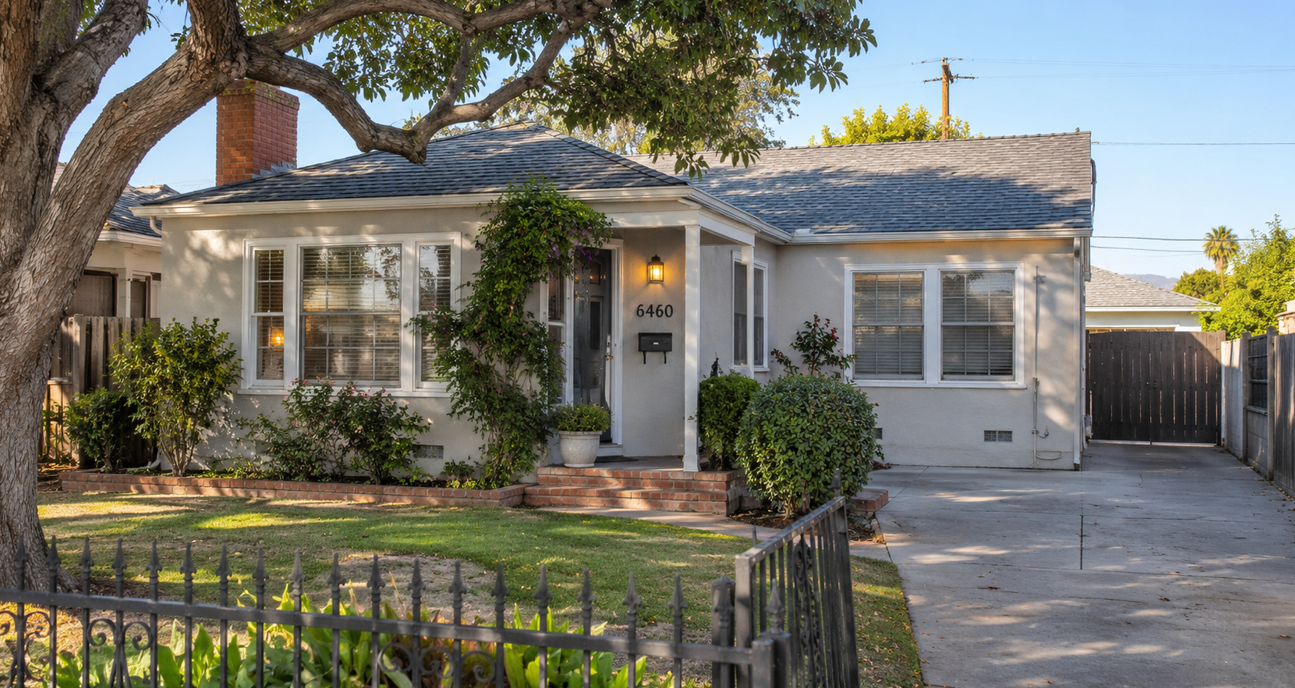
A first-time homebuyer recently asked about a home where the garage had been converted into a family room nearly 20 years earlier. The space was included in the home's floor plan as living area, but the buyer wasn't sure whether permits had been required.
The original buyer didn't say which type of mortgage they were using. So let's consider the same situation with an FHA loan.
Would the missing permit automatically prevent FHA financing?
No. An unpermitted garage conversion doesn't automatically make the home ineligible for FHA financing. What matters is whether the property meets FHA's requirements, whether the current use complies with local zoning rules, and how the converted space is treated in the appraisal.
Can the converted garage count toward the home's square footage?
Yes, but FHA has specific requirements. The appraiser must count a garage conversion as part of the home's gross living area (GLA) when the space:
- Can be accessed from inside the main home in a functional way.
- Has a permanent and adequate source of heat.
- Was finished to a level of design and construction quality consistent with the main home.
If the conversion doesn't meet those conditions, the appraiser evaluates it separately instead of including it in the home's main living area. That doesn't automatically mean the space has no value. The appraiser still considers whether buyers in that market would pay extra for it.
For example, suppose a house has 1,600 square feet of original living area and a 300-square-foot garage conversion. It's advertised as 1,900 square feet, but the converted room lacks a permanent heat source.
For FHA appraisal purposes, those 300 square feet wouldn't meet the requirements to be included in the main living area. The appraiser would report the conversion separately and consider its effect on value. That distinction could matter if you're paying a price that assumes all 1,900 square feet are equivalent.
What about the missing building permit?
A missing permit record doesn't necessarily tell you whether one was required when the work was done. That's something to verify with the local building department.
FHA requires the property's use to comply with applicable zoning ordinances, including an accepted legal nonconforming use when appropriate. If the conversion violates local requirements or has safety problems, such as unsafe electrical work or inadequate emergency exits, the lender may need those issues resolved before closing.
A nicely finished room isn't proof that it was legally converted, and the FHA appraisal isn't a substitute for a home inspection.
What should you check before buying?
I'd ask for the seller's permit history and any documentation of the conversion, check with the local building department, and have the home inspector pay particular attention to the converted space.
A conversion that creates a separate living unit with its own facilities raises additional questions about accessory dwelling units (ADUs), rather than being treated as an ordinary family room.
Have you purchased a home with a garage conversion? Was it included in the appraised living area, or did the appraisal treat it separately?
Related FHA Library: FHA Appraisal Red Flags: What Makes a Property Ineligible
Previous installment: Would FHA Finance This? #01 | Peeling Paint on a Pre-1978 Home
Source: HUD Handbook 4000.1, §§ II.D.3.c.iii (Additions and Converted Space) and II.D.3.b.ii(C) (Zoning), current August 12, 2026 edition.
Shane Milne, NMLS 81195 | General FHA property guidance. A property's zoning, appraisal findings and lender review determine whether a particular conversion is acceptable.