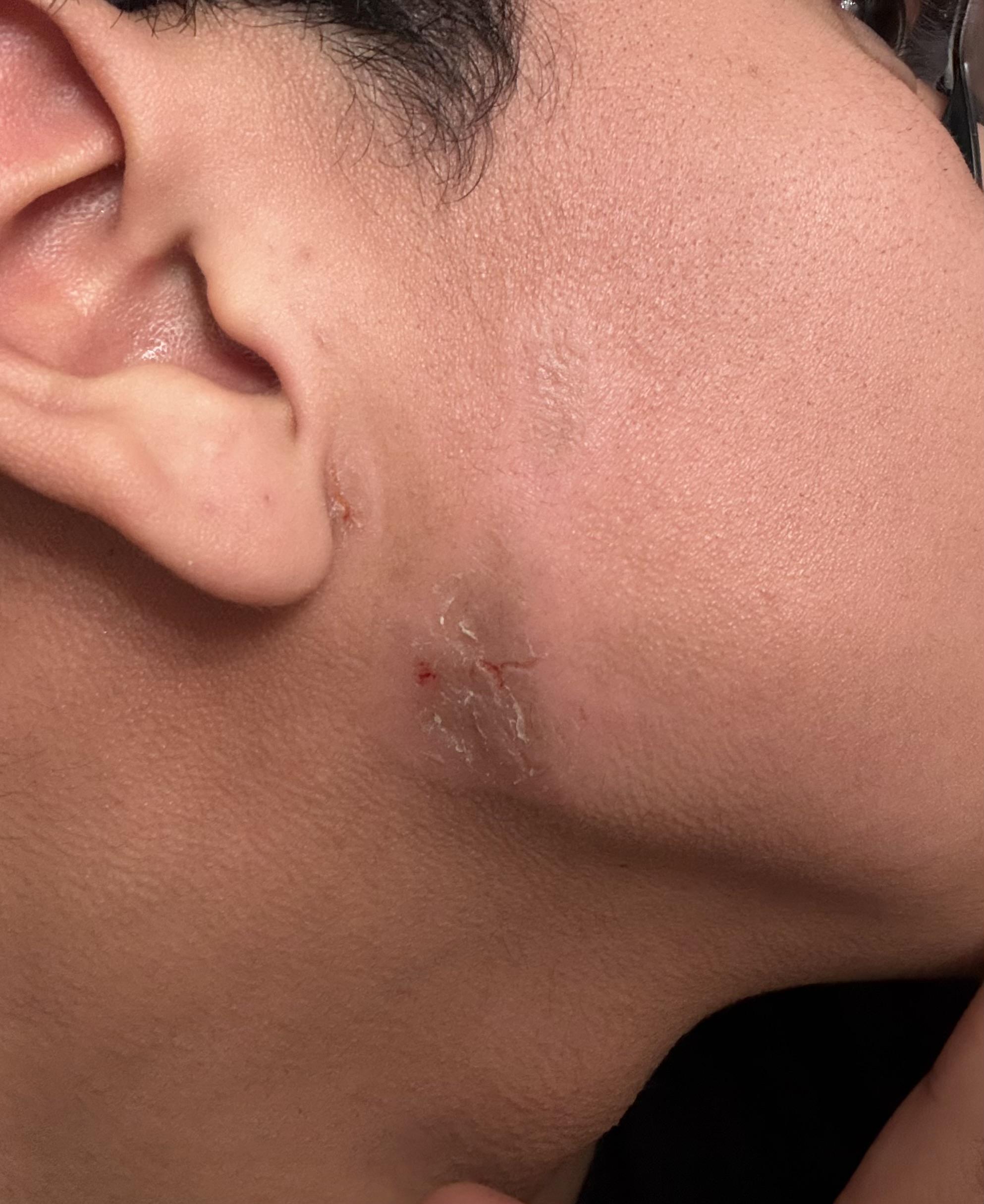
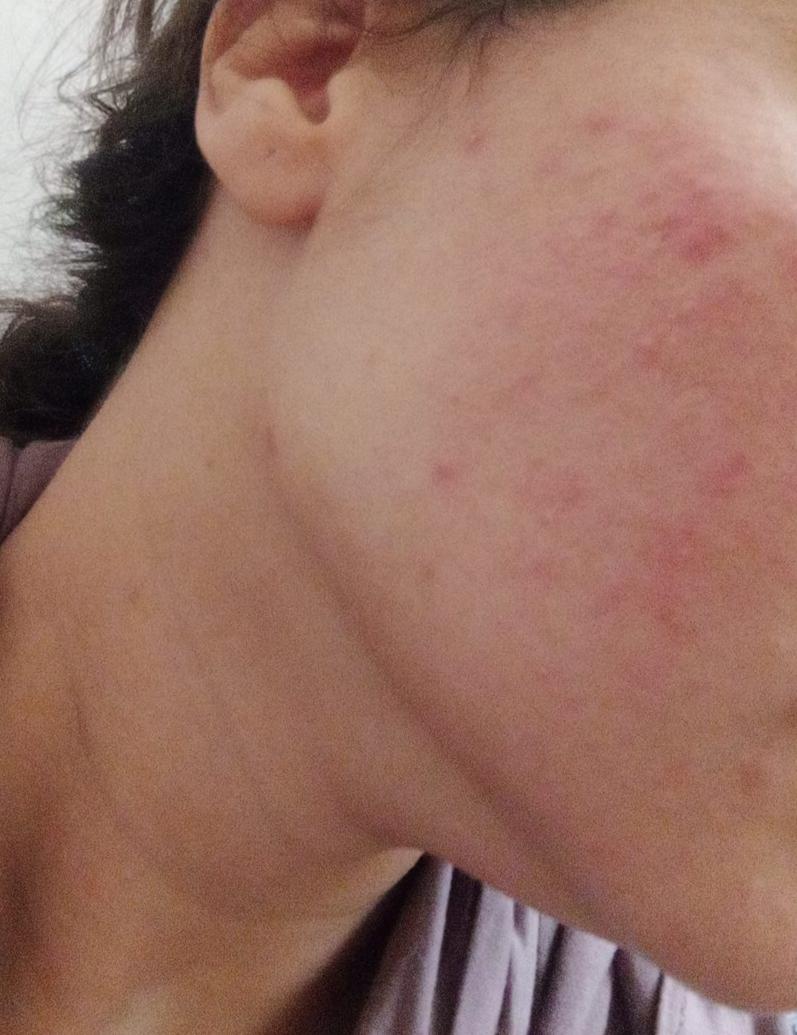
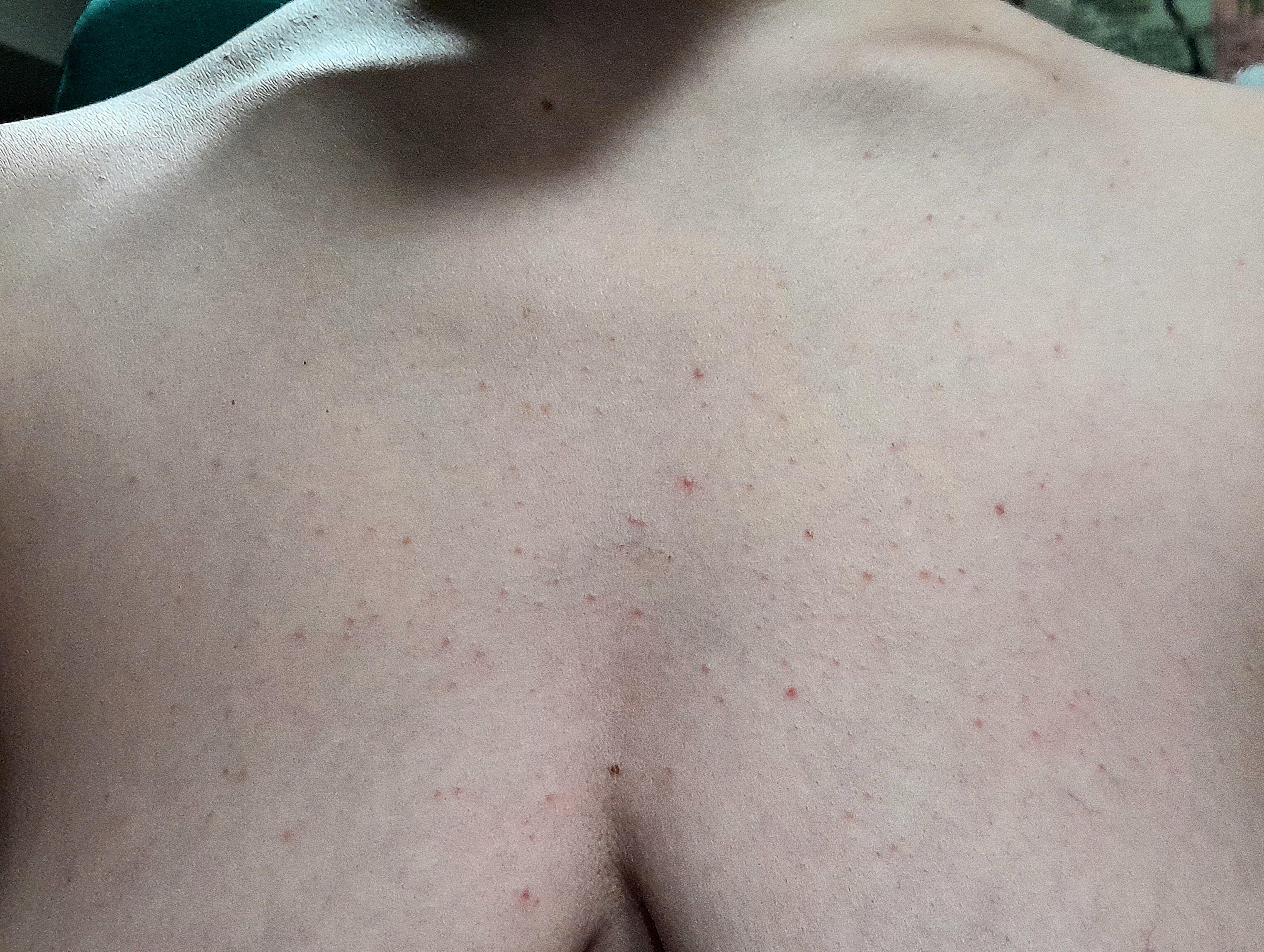
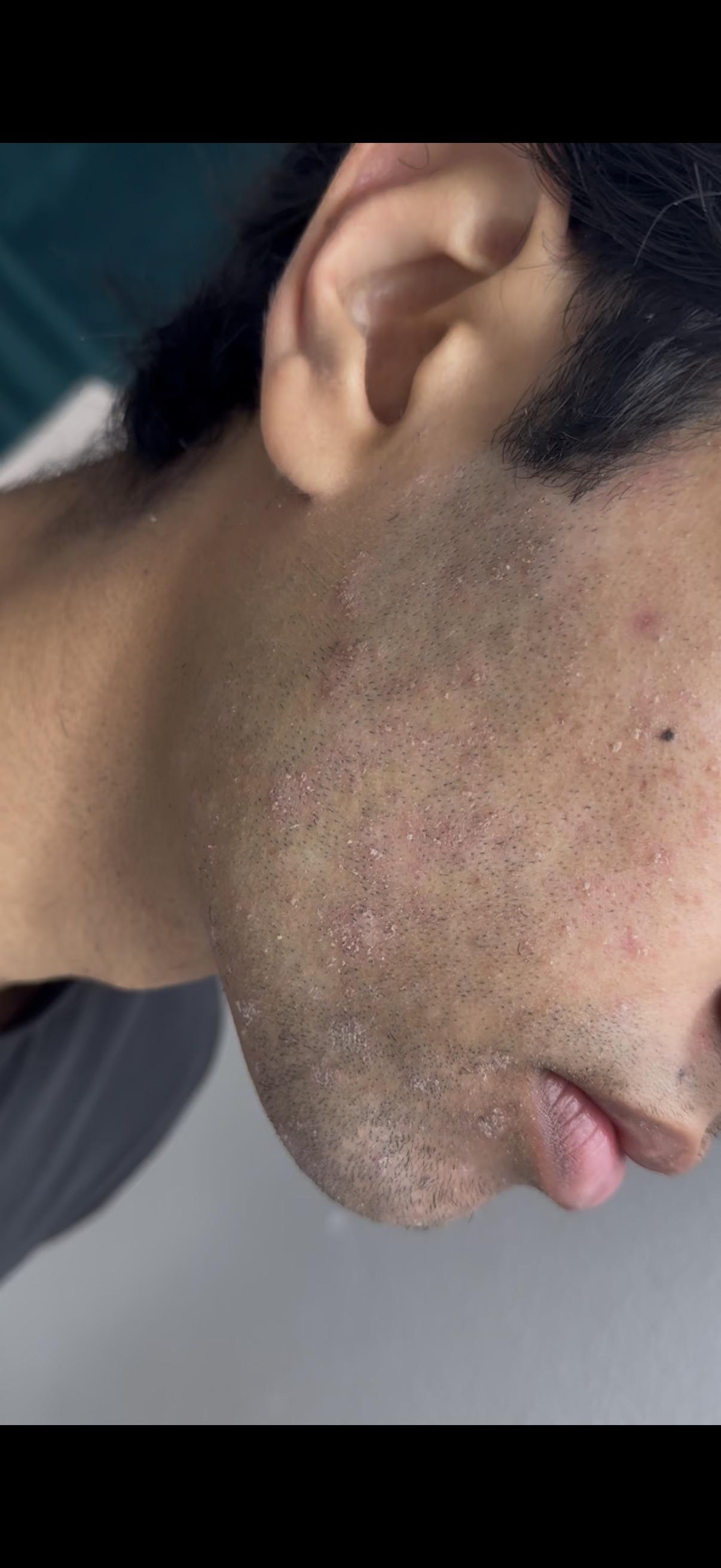
I am South Asian medium tone skin 46M from UK, I didn't know much about skincare. I used to use my fingernails to clear blackheads from the skin on my face as I went for a facial as a teenager and that's how it was done. I would get quite bad blackheads and acne in general, but I don't think I had Sebderm. I also had bad eczema but it wasn't on my face or scalp, I would get dandruff, but it wasn't anything out of the ordinary.
I used to somehow manage my skin, but at the age of 21 I accidentally applied some 'itar' (a type of perfume) on my face/scalp. From that point I would get terrible dandruff in my hair and beard. It's become steadily worse over the years, I continued using my fingernails to clear it every other day (and sometimes I would use a dedicated metal scraper). When I would go to the GP about the dandruff they said it's eczema and gave me Nizoral, it made a bit of a difference but didn't solve the problem. They gave me 1 or 2 others but the result was similar. My scalp would get hot and very itchy with red patches and what looked like cradle cap.
I went through a period of a few months where I stopped removing the oily buildup, the blackheads got really bad but even worse, the pores on my nose and cheeks enlarged, leaving me with very unsightly skin. I resumed removing the blackheads manually, but my pores, of course, stayed the same. Eventually, I got to the point where I have to scrape my face every day to keep up with the oily buildup. I get really dry skin and large flakes especially in my hair and beard, but the worst part is the oily build-up which I thought were blackheads. I went to a dermatologist but unfortunately she didn't diagnose me with seborrheic dermatitis, but when I started reading up on it, I realised it explained a lot of what I went through. I started using MCT oil to moisturise my skin.
This is what google summarised, but I'd like to ask how accurate the advice is:
When you have seborrhoeic dermatitis, your pores on the nose and cheeks often look stretched and prominent because of active inflammation, excess sebum, and trapped dead skin scale. To get them looking normal again without triggering a painful flare-up, you must treat the dermatitis first before introducing gentle pore-refining ingredients.
Daily scraping with your nails or a metal scraper is the primary reason your pores look enlarged. Physical trauma damages pore walls: Using a fingernail or metal extractor puts intense pressure on the delicate rim of the pore. Over time, this breaks down the collagen around the opening, leaving the pore permanently stretched and crater-like.
- Rebound oil production: Scraping strips away protective surface lipids. Your skin responds to this injury by pumping out even more sebum to protect itself, filling the pores back up within hours.
- What you are scraping out: The greasy plugs on your nose and cheeks are mostly sebaceous filaments mixed with yeast-irritated scale, not blackheads. They are a normal part of oily skin and will always refill, so manual extraction only damages the skin without solving the buildup. To let the stretched pore walls bounce back and stop the oily buildup, you need to replace physical scraping with gentle chemical dissolving and yeast control.
- Stop all scraping immediately: Put away the scraper and stop using your nails. Give your pore rims 4 to 6 weeks without physical trauma so the micro-swelling can subside.
- Use a salicylic acid cleanser (BHA): Wash your nose, cheeks, and beard area with a gentle 0.5% to 2% salicylic acid cleanser three to four times a week. Leave the lather on for 60 seconds before rinsing so it can chemically dissolve the oily plugs without you having to touch or squeeze them.
- Treat the yeast in your beard and T-zone: Twice a week, use an anti-dandruff shampoo containing ketoconazole 2% (such as Nizoral) or selenium sulfide as a 3-to-5-minute face and beard wash. This reduces the yeast causing the beard flakes and greasy facial buildup.
- Add a lightweight moisturiser with niacinamide: Apply an oil-free gel moisturiser containing 4% to 5% niacinamide daily. Hydrating the dry patches signals your oil glands to slow down, while niacinamide helps tighten the look of stretched pores.
TL;DR
I just want to understand do cleansers like cerave blemish control really dissolve sebaceous filaments, should I really stop scraping the buildup? I'm worried my skin will get even worse if I leave the buildup in my pores? Is this advice sound?