r/Goldfish • u/Foxhound_1 • 19h ago
ID that goldfish! Year 3 with this random fair goldfish my kid won....

537
Upvotes
r/Goldfish • u/IceColdTapWater • Sep 19 '25
By: u/IceColdTapWater, Edited By: u/TarantinosToes
For goldfish: 50-70 gal (200-280L) is required per adult common and 20-30 gal (80-120L) per adult fancy.
For koi: The general recommended minimum required is 250-300 gals (1,000-1,200L) and these are really better suited to large ponds.
Goldfish are indeterminate growers so while they do the most growing during the first 2 years of life, they never really stop growing so plan your tanks and stocking accordingly.
Ultimately water parameters (and fish behavior) will tell you if your tank dimensions, filtration, water change schedule is enough to manage the bioload produced by the number and size of the goldfish you have.
While smaller specimens may be okay on the lower end of the given volume range, larger specimens (10”/25cm+ for commons, 5”/12cm)+ for fancies roughly) may require even larger aquaria if not ponds. The bigger the better as bigger tanks are more stable in terms of water quality and parameters and will allow goldfish to grow to their full potential.
Fancy goldfish prefer horizontal over vertical swimming space, and some are bred to the point that their bodies are sensitive high water pressures (determined by the height of water). It is generally recommend to keep them in no more than 2’ (60cm) of water, especially for those with sensitive swim bladders. Common goldfish also appreciate horizontal swimming space so for this reason, avoid hexagonal and cylindrical tanks.
Some fancies, especially overbred ones and those that approach “show quality” conformations, may benefit from a heater set at a low setting (low-mid 70s °F (~ 21-24 °C)). The benefits of lower risks of constipation and bloat sometimes outweighs the negatives of a sped up metabolism.
Generally, it’s recommended for a filter to cycle through 6-10x the given tank volume per hour depending on bioload. ALSO, take into account the amount of media a given filter holds, as media offers crucial surface area for beneficial bacteria to colonize.
If heavily stocked or feeding frequently a stronger filter (or the use of multiple in tandem) may be needed. Some filter options include: sponge, hang off the back (HOBs), internal, and canister (often holds the most media).
Some wrap the intake with a thin material to avoid fish from being sucked onto/into the filter. This may be necessary if dealing with goldfish fry, juveniles and sick/injured fish.
Filter media that is porous and has a large surface area (like Seachem Matrix and other similar products) is great for encouraging and maintaining large colonies of beneficial bacteria.
People will have opinions on which filter system is better, so focus on the amount of media the filter holds as well as gallons/litres per hour and find something within your budget which works for you.
Media should not be changed out unless it has degraded and is now irreparable/unusable or has been contaminated by toxic chemicals like cleaning products. To sterilise filter media, rinse with boiling hot water.
For new media, this should be introduced a week or two before removal of the old media to give the beneficial bacteria a chance to colonize the new surface area.
SUBSTRATE
Substrate offers enrichment for goldfish, as they enjoy rooting through the enclosure bottom for food scrapes. Bare bottom tanks mean they do not have that extra enrichment, however bare bottom tanks make for easier maintenance so are fine for QT/hospital tanks. If running bare bottom tanks for aesthetic or medical reasons, then adding large pebbles, free floating plants and plain terracotta pots can also work to provide goldfish with enrichment and shelter.
Pool sand is very popular, or plant-supporting substrate like fluval stratum. Pebbles run the risk of impaction unless they are much larger than the goldfish’s mouths will ever be. For sand, rinse thoroughly before use and avoid pH/hardness altering sands or live sand sold for cichlid and marine tanks.
FYI goldies are prone to plant destruction. Also, some plants grow best in substrate and others with their roots exposed. A full rounded fertilizer is highly encouraged to have, like Aquarium Co-op’s Easy Green or NilocG Aquatics’ All in One.
Anubias, amazon swords, lilies (toxic to nonfish pets like cats/dogs), water lettuce, java fern (and other ferns), bacopa, rotala, cryptocoryne, hornwort, anacharis, cardinalis, crinum, and moss are all options. There are many more. For anubias and cryptocoryne plants, do not bury the rhizome.
Pothos is an option but their leaves must stay out of the water to grow. It’s also toxic to nonfish pets (cats/dogs) but is okay in water with a pH ~ 6.5-9 as calcium oxalate isn’t really soluble in that range. People have used it for top cover and nitrate control. Shrimps love the roots. Bamboo is another option but must only be semi-submerged for proper growth and longevity.
Duckweed. A highly invasive plant. One duckweed plant can quickly lead to hundreds of more plants. A firm favourite with goldfish but be warned! Once added to your tank, it is very hard to remove.
Other floating plant options are: frogbit, salvinia, water sprite, water lettuce, water hyacinths and others.
CYCLING/PARAMETERS
Cycling refers to the nitrogen cycle and establishing a nitrogen cycle in your tank. The nitrogen cycle in aquariums is the process where beneficial bacteria convert toxic fish waste (ammonia) into nitrite, and then into less harmful nitrate. This cycle keeps the water safe and balanced for your fish.
For a tank to be considered cycled, the parameters must read 0ppm ammonia, 0ppm nitrites and measurable nitrates; ideally keep nitrates below 40-50ppm.
To keep parameters within acceptable ranges (0 ammonia and nitrite, 5-40ppm nitrates), water changes are needed. It is a good idea to siphon the tank bottom regularly to pick up excess waste and prevent parameter spikes. Make sure to treat the water with a dechlorinator and ensure the temperature difference is within 1-2 °C (1-5 °F).
If conducting a fish in cycle, you want ammonia and nitrite to be barely present as these are the most aquatic compounds; for ammonia the toxicity thresholds starts at 0.02-0.05ppm and ~ 0.05-0.15 for nitrites.
Higher levels of ammonia/nitrite may start negatively impacting your fish, including the risk of illness and death (via ammonia/nitrite poisoning).
During ‘fish in’ cycling, parameter spikes are likely and therefore water quality and fish behaviour needs to be monitored closely.
‘Fish out’ cycling means that you have to monitor parameters and do water changes to bring parameters to happy fish levels (0 ammonia and nitrite, 5-40 nitrates), but without the risk of stressing/harming fish. Fish food or ammonia solutions can be used to cycle your tank before the addition of fish.
However, in instances where the fish are already bought and in a severely undersized tank it may be better to do a ‘fish in’ cycle rather than wait for the larger tank to cycle completely.
A tank (without fish) is considered fully cycled once 2ppm of ammonia is converted to nitrates in about 24 hours. A cycled tank with fish will have no ammonia, no nitrites, and some nitrates. Even then, note that sudden increases in bioload can lead to cycle imbalances and parameter spikes. Be sure to syphon uneaten fish food, fish waste and slowly and gradually add new fish to your tank to avoid overloading your cycle and its beneficial bacteria.
It is highly encouraged to have a liquid test kit that tests for at least ammonia, nitrite, and nitrate like the API Freshwater Master Test Kit. Test strips are less accurate (especially dependent on manufacturer, expiration, and storage conditions) but are ok to gather baseline readings, especially in older and stable tanks.
Other reliable test kits include Salifert kits and NT Labs kits. Local fish stores may also be able to test your water, but it is advised that you get your own kit so that you can test you water whenever you need to and avoid LFS not performing or reading the test correctly.
When you transfer goldfish from one enclosure to another, acclimation is typically necessary.
If the water source is the same and parameters are similar only temp/nitrate acclimation may be necessary. When the temp matches within ~ 2-5° F (1-2°C), parameter acclimation (if needed) can begin.
Gradually replace 20-30% portions of old water with the new enclosure’s water, waiting 5-15 minutes in between and carefully monitoring the fish.
These specific ranges are approximations, others methods or specifics may vary ie if drip acclimating. Also remember to try to transfer your old substrate and media when possible to help seed the process of cycle establishment.
It may be helpful to be extra vigilant of parameters during this time as well as fish behavior. Some stress may be expected at this time and the next few days, and some choose to do a light dose of aquarium salt to aid the process.
Goldfish are omnivores, and quite frankly always hungry (they don’t have stomachs). Get a good sinking pellet as a staple food (protein roughly 40%), pre-soaked before being given to any hungry goldie. You can also feed frozen items such as: brine shrimp, blood worms, spirulina, plankton, fish, etc. You can also feed blanched veggies/greens such as spinach, zucchini, chard, etc. A good goldie diet is a balanced and varied diet.
Some goldies, especially fancies, are predisposed to swim bladder issues and constipation. Feeding soaked high quality and sinking food in small amounts but more frequently may help mitigate the risks of developing swim bladder problems. Repashy is an excellent balanced gel food that’s very easy on sensitive goldie stomachs. Hikari also make excellent sinking pellets.
Medication will be more effective if given via feed rather than being introduced to the water column. If dosing in the water column, then make sure to remove UV, carbon media; smaller tanks can make it to easier to dose in the water column and ensure that the fish gets an effective dose of medication.
Medications often work by disrupting the growth cycles of organisms and their metabolic processes. That being said, do not give one medication via multiple ways at once and be very careful when mixing medications. This is best avoided, unless using safe medication combinations or following vet recommendation.
Be very mindful of dosage, and consider partial doses if your fish is very small or more weakly dispositioned. Note that some chemicals, like salts, are only removed via water changes are may adversely affect plants and scaless fish such as catfish and plecos. Weakened fish may not tolerate medication as well to be very careful; use half doses if necessary.
Also note that certain medication can impact water parameters or tank cycle stability. Oxygen levels can also be adversely impacted which is why it’s recommended to have extra surface agitation (add spray bars, air stones).
Raising the temperature of the water may help to disrupt certain infectious organisms’ life cycles as well as to provide a metabolism boost, but always ensure adequate oxygenation when using meds at the same as increasing the temperature.
FYI: API products with the suffix ‘-fix’ mainly use natural oils instead of manufactured medication and are less effective than said manufactured medications. Also avoid any algae-fix products, these can deplete oxygen levels and kill fish.
Antibiotics: Be careful when using antibiotics especially. Not only can these impact your beneficial bacteria, but they can also be rough on fish (i.e. kidneys etc) so only use if necessary to treat nasty injuries and infections.
Do not dose pre-emptively as a prophylactic measure. Note that getting antibiotics in certain countries is illegal without a veterinary prescription, so follow your local laws. Be careful when obtaining medications from abroad via third-party sellers.
Breeding tubercules on the gill plates/anterior portion of the pectoral fins, vent shape, and gamete expression (the only sure way) are the main ways to tell gender. As always there are spectrums for any particular phenotype and any one goldfish may not always fit a certain physical description.
When females are gravid, the males may harass them, especially by nudging their vents. Gentle egg expression and avoiding temperature fluctuations may help. You may need to separate if the female becomes stressed.
TANK MATES
A general consensus is to try to keep commons with commons and fancies with fancies (especially the slower swimming ones or ones with protruding eyes). Keeping them together runs the risk of the commons outcompeting or bullying the fancies, but cohabitation does successfully occur.
However, some keys points of success to consider are ample space, filtration, plants/wood/decor to block lines of sight, and enrichment. Ensure that aquarium décor is free of sharp edges and small holes. Goldfish are clumsy and curious and will get themselves trapped/injured looking for food.
You should be ready to temporarily/permanently separate individuals if necessary.
Commons and koi can potentially be kept together, given that the commons are of adequate size of about 6” (15cm). Some ryukins/fantails may also be possible, given that they’re also long enough and of a slimmer body conformation to keep up with the commons and the koi.
Here is a by no means comprehensive list of other potential/discouraged cohabitants. As with any situation, monitor fish behavior and make sure ideal parameter ranges are comparable.
Potential – Can usually coexist but caution is advised
White Cloud Mountain Minnows: Possible, but the goldfish may eat the minnows if they’re small enough and the minnows may fin nip.
Danios: Possible, but the same risk as the white cloud minnows.
Shrimp: Possible, but may become goldfish snacks depending on size and individual fish’s’ temperaments.
Snails: Possible, but goldfish may harass/eat them. It depends on the size of the snail and the individual fish’s temperament.
Dojo Loaches: May potentially bully goldfish, but the pairing may work in larger setups with lots of plants and décor (loaches love tunnels and caves). They will go after certain snails as well.
Mollies: Some species can tolerate lower temperatures than others. They may fin nip, and goldfish may try to eat them if they can fit in their mouths.
Platies: Some species can tolerate lower temperatures than others. Platys may nip at goldfish fins, and goldfish may try to eat them.
Hillstream Loaches: These fish require massive water flow and oxygenation that goldfish do not like and may find stressful.
Corys: Goldfish can choke on them, especially because of their defensive barbs. Some species have venomous barbs that can harm your goldfish as well. If a goldfish swallows a cory, the barbs can get lodged and make extraction very difficult.
Bettas: Bettas can be territorial and may try to “defend” their territory. Large enough goldfish might eat them if possible. Undue stress for both parties may occur, plus bettas are tropical fish.
Cichlids: Cichlids are subtropical/tropical, aggressive fish.
Barbs: Their temperature ranges only slightly overlap, and most are aggressive in nature and will fin nip.
Plecos/panaques: Some, like common plecos get absolutely ginormous and most prefer tropical temperatures and soft/acidic water. Even smaller types like bristle nose plecos can injure goldfish by latching on to them to feed off their slime coat.
Turtles: Many turtles will happily take chunks out of goldfish when given the opportunity. Goldfish, as prey animals, will also experience stress being homed with a predator.
Axolotls: Axolotls may accidentally nip at or consume goldfish, which is good for neither of their health. Goldfish are super waste producers and axolotls are particularly sensitive to parameters.
Frogs: Same risk of predation as turtles/axolotls. Parameter requirements may also differ depending on species.
Crawfish: Same risk of predation as turtles/axolotls/frogs. They are opportunistic predators and may happily feed on goldfish (especially if hungry).
FAQ/COMMON DISEASES
Q: Is my goldfish pregnant?
A: Goldfish do not carry live young, but females do develop eggs and then release them to be fertilized. Although this can make the female appear a bit engorged and swollen, check that she’s not egg-bound, constipated, or has dropsy (pineconing of the scales often also occurs in tandem). Manual expression is an option but should be researched and done with caution.
Q: Why is my goldfish changing colors?
A: Goldfish color is unstable, especially in their first 1-3 years of life when their growth rate is typically the highest. Fry typically start out very dark/bronzy, but usually develop colors due to their chromatophores developing after a few months of growth.
Black is especially prone to change. Note that the sudden appearance of blackened skin and scales can be a sign of a water quality issue, so check water parameters. If parameters are ok, then it is likely a natural color change so no treatment is needed.
Certain foods such as spirulina contain carotenoids, which are pigments that enhance goldfish color. Some carotenoids are also converted into astaxanthin which contributes to reddish coloration. Note that even a carotenoid heavy diet will not magically change a goldfish’s coloration, as genetics are the main factor.
Q: How to transport fish?
A: The most common way is a lidded bucket/container filled with tank water. A bubbler is suggested, especially for longer transports. Also account for the time to disassemble and reassemble your enclosure. Make sure to keep your substrate and filter media moist to seed the cycle in your new place.
Another way, for shorter trips, is a simple but very secure bag (I double bag) with enough water for the fish to be comfortably submerged but also with enough air for oxygen to diffuse. Sometimes people use methylene blue during transport to try to reduce stress. After moving, your fish may be stressed for a few days and may benefit from a few days of fasting, reduced feeds and reduced light.
Q: Aquarium salt vs epsom salt?
A: Aquarium salt (NaCl) is excellent for external issues/injuries, as well as stimulation of the slime coat and increased osmoregulation. It’s a good all rounder as an antibiotic/fungal/parasitic. Epsom salt (MgSO4) is excellent for internal issues such as constipation and fluid retention.
Epsom Salt Dosage: 1 tsp/5 gals (20L)(tank), 1 tbsp/gal (4L)(bath).
Aquarium Salt Dosage: 1tbsp/5 gals (20L)(tank), 1 tbsp/gal (4L)(bath).
Invertebrates, plants, and certain goldfish are sensitive to salinity. As with any treatment, monitor fish behavior. It may be good to have two baths of a salinity gradient to help lessen the transition to and from, and to change out salt in the tank slowly. Salt, like other treatments, may impact with oxygenation and a bubbler may be helpful.
Q: What is methylene blue and can I use other dyes?
A: Methylthioninium chloride is cationic dye used in the aquarium hobby as an antifungal/parasitic/bacterial. It is also helpful for ammonia and nitrite poisoning, but can crash your cycle, harm plants above 4mg/L (quart) and dye decor (which is often why it’s used as dips, dabs, or in hospital tanks). Dosages will differ depending on usage and percentage.
Methylene Blue Dosage (2.5%): 1tsp/10 gals (40L)(tank), 5 tsp/3 gals (12L)(bath)
You can use other dyes. Some others used include: malachite green, potassium permanganate, or gentian violet. Check dosages carefully.
Q: How to choose antibiotics?
A: Unless you know the specific bacterial infection, it’s best at first to a broad spectrum antibiotic (kanamycin, sulfathiazole, nitrofurazone). An aquatic vet (or very experienced keeper) can do a skin scrape/fecal test.
Gram positive antibiotics include: erythromycin, amoxicillin, and penicillin.
Gram negative antibiotics include: minocycline, tetracycline, kanamycin and oxytetracycline.
Both: metronidazole, sulfa meds, mitrofurazone
Note, medication can impact oxygenation and water quality so monitor parameters and fish behavior closely.
Q: Antifungals?
A: Dyes (methylene blue, malachite green, potassium permanganate, gentian violet) and aquarium salt are options via the water column. Note dyes will indiscriminately kill your beneficial bacteria too and are best given as baths or in hospital tanks
Metronidazole and copper sulfate are options you can give via feed or the water column. Note, medication can impact with oxygenation and water quality so monitor parameters and fish behavior closely.
Beware! Do not use aquarium conditioners and other reducing agents like Seachem Prime if using copper based products! Toxic copper compounds will cause harm if they are combined. Remove invertebrates like snails and shrimp as well.
Q: Antiparasitics?
A: Aquarium salt, praziquantel, copper sulfate, formalin, and metronizadole are options you can give via feed or the water column. Note, medication can impact with oxygenation and water quality so monitor parameters and fish behavior closely.
Q Why did my goldfish die?
A: There are many factors.
Where you got the goldfish and where the seller got them matters. If they were raised in horrendous conditions you may get stunted, diseased fish. Big box pet stores like Petsmart, Petco, and Pet Supplies Plus are notorious for their bad husbandry and their questionable animal breeders.
The tank must be properly cycled and able to handle the given bioload. An incompletely cycled tank or too big of a bioload increase can result in parameter spikes. It’s advised to add fish slowly, and to monitor water parameters via a liquid test kit.
The fish must also be properly acclimated. If two enclosures’ water parameters vary too wildly and the goldfish is added in too quickly they could go into shock. Temperature must also closely match to avoid undue stress.
Disease is very prevalent among fish, especially chain store fish or fish from improper breeders. Inflamed skin, stringy white poops, missing scales, torn fins, bulging eyes, grayed skin are all signs of disease or parasites although there are much more.
When making a sick fish post, try to include as much detail as you can along with helpful pictures and videos. Listing water parameters in numbers helps a ton.
Q: What is ammonia burn?
A: Ammonia burn is a chemical burn. Technically you want no ammonia, no nitrite, and 5-40ppm of nitrate. However, fish in cycling sometimes includes parameter spikes and the temporary “acceptable” levels of ammonia and nitrite are between 0.05-0.15ppm. To treat, water changes is the most important. Aquarium salt is also a common treatment. Fish exposed to ammonia can also benefit from being given a methylene blue bath which can chemically reverse the effects of ammonia poisoning.
A: Dropsy is fluid retention and is a symptom of organ failure rather than a disease in it of itself. Usually the resulting damage’s effects are chronic and will eventually result in the death of the fish, especially if caught in later stages (with pineconing).
Epsom salt is used to attempt to regulate fluids, along with a broad spectrum antibiotic in attempt to tackle infection. Ultimately dropsy is fatal, barring rare exceptions. If successfully treated, then view dropsy as a chronic condition the fish is in remission from but relapses are sadly very common.
Q: What is septicemia (red pest disease)?
A: A typically gram negative, contagious bacterial infection that causes hemorrhaging, red blotches on the body, and streaks of red in the fins. Septicemia can occur in tandem with ammonia poisoning as water quality is a common cause. Can also be confused with the effects of ammonia stress/poisoning as well as other conditions like flukes or bacterial epistylis.
Treatment typically involves dyes or aquarium salt, along with an antibiotic feed. Note that septicemia is quite rare and viral and infectious septicemia even rarer in private/small aquaria. Do not panic if you see red streaks or blotches on your fish. It’s probably not septicemia.
Q: What are these white spots?
A: Many potential causes.
Ich: Ichthyophthirius multifiliis, a contagious protozoan parasite. White, uniform and shape and flat to the skin, appears on both the body and the fins but not on usually the eyes.
Treatment usually includes aquarium salt or dyes, an antiparasitic med/feed, antibacterial/antimicrobial/antiseptic med and raising the water temperature to speed up ich’s lifecycle. If increasing the temperature, be sure to ensure plenty of oxygenation.
Epistylis: Epistylis is a genus of contagious, ciliated protozoan parasites. Can be grey to whitish in color, sticks out into the water, varies in sizes with patchy coverage and can also occur on the eyes. It can be fatal if left untreated and is a lot more aggressive than ich.
Treatment is the same as ich (aquarium salt or dye, an antiparasitic feed/med, antibacterial med/feed but avoid raising the water temperature).
Head and Lateral Line Erosion (Hole in the Head): HitH is caused by a mix of factors including stress, poor water quality, poor filtration, and an unbalanced diet. Potentially linked to Hexamita protozoans, potentially infectious. Mainly affects cichlids and rarer in goldfish.
Symptoms can manifest as inflamed/protruding lateral lines, as well as white lesions on the head that eventually can become deeply pitted and essentially erode the flesh. Open wounds can lead to secondary infections that in combination can be deadly.
Treatment includes fixing water quality, aquarium salt or dyes, medicated feed for secondary infections, and providing a more balanced and varied diet.
Carp Pox: Fish herpes HPV-1. Caused by a virus, symptoms can manifest as white dots to waxy white/pink/gray growths on the skin or small “blisters” on the tail as well as on the mouth. Infectious, and can come and go. More unsightly than harmful.
Treatment includes treating any open lesions with aquarium salt or dyes dips, treating any secondary infections, raising the temperature, and keeping the water clean.
Lymphocystis: A contagious viral infection caused by the Iridoviridae family. Commonly known as “cauliflower disease” due to the pinkish/whitish growths that look like little piles of curd.
Since it is viral in origin, no commercial antifungal or anti-bacterial treatments exist that specifically target it. However, treatments includes treating any open lesions with aquarium salt or dyes dips, treating any secondary infections, raising the temperature, and keeping the water clean. Vets can excise large, bothersome lumps.
Cotton Wool Disease (Saprolegnia): A “fungus” (actually a water mold) that usually presents as groups of fuzzy white filaments that stick out from the body.
Treatment includes an antifungal med, dyes, aquarium salt, and raising the temperature.
Anchor Worms: Anchor worms are parasites that present as whitish/brownish dots to full on whitish strings protruding from the body/fins of the fish. The place of connection is often red and inflamed.
Treatment usually includes aquarium salt or dyes, an antiparasitic feed, and raising water temperatures.
Q: What is this lump?
A: Multiple potential causes.
Tumor: Tumors contain cells that are multiplying out of control or fail to die. They can be either benign or malignant (cancerous and can spread). Treatment includes treating an open lesions and removing bothersome tumors, especially ones blocking gill and mouth function. For tumor removal, seek veterinary advice!
Cyst/Abscess: A fluid filled sack. Can sometimes be caused by bacterial infections. Treatment includes draining, antibiotic feed, epsom salt, and the treatment of open lesions.
Q: What is fish lice?
A: Parasitic crustaceans. Treatment involves aquarium salt and an antiparasitic feed. Methylene blue baths may also be beneficial. Severe infestations may require the cleaning of substrate/decor (even though this impacts the tank cycle).
Q: What is popeye?
A: Popeye can have many causes (commonly caused by the gram positive corynebacterium but also viruses, poor environmental conditions, etc). Symptoms include bulging eyes/sclera and potential eye bursting.
Treatment includes antibacterial feed, epsom salt, and the potential treatment of a popped/missing eye. If one eye is popping out, it is usually a result of trauma and will resolve by itself. If both eyes are popping out, there is likely an underlying infection at play (look for pineconing and signs of dropsy) and will require antibiotics.
Q: What is the swim bladder, and what is swim bladder disorder?
A: The swim bladder is a gas filled expandable sack in fish used to control buoyancy and swimming patterns. Disorders of the swim bladder can lead to buoyancy issues and potential bloating/constipation.
Epsom salt via a bath or tank addition is one of the typical steps for buoyancy issues, though dosage depends on whether the salt is to be a dip or a tank exposure (invertebrates and plants can be sensitive to salinity).
This is usually in tandem with a couple days of fasting, followed by small easily digestible meals such as Repashy or shelled peas. If no signs of improvement show in about a week or two, it may be a congenital issue or due to another factor eg trauma, fluid build up. At this point veterinary care may provide additional answers/treatment options (x-rays, swim bladder aspiration).
Q: What are flukes?
A: Flukes are contagious microscopic flatworms that can be both on the gills and the skin. Symptoms include flashing (twitching/itching), small red dots, red splotches, fin fraying, bottom sitting, laboured/fast breathing, and spitting food out.
Treatment usually includes aquarium salt or dyes, an antiparasitic feed/med (praziquantel works best). Since flukes can lodge in the gills and gill function and oxygen uptake, provide plenty of oxygenation and avoid increasing the temperature.
Q: What is Costia?
A: A single celled parasite, costia multiplies particularly quickly in cooler water temperatures. They will dig through the slime coat and attach to the skin/gills.
Treatment includes aquarium salt, elevated temperatures, and medicated antiparasitic feed. Methylene blue baths may also help.
*Q: What is Velvet Disease ?*
A: Velvet disease is caused by a parasite that manifests as small *gold/rust*-colored spots. Its three life stages are very similar to ich in which they have phases where they live freely in the column and attached to a fish.
Treatment includes aquarium salt, a medicated antiparasitic feed, and methylene blue applications. Do not raise the tank temperature. A UV filter may help kill the free floating form of velvet.
Q: What is Camallanus?
A: Camallanus are contagious flatworms that infect the digestive tract and can sometimes hang out of the fish’s vent as red threads. Symptoms also include bloating, white poop, and lethargy.
Treatment usually includes aquarium salt or dyes, antiparasitic feed/med, and raising water temperatures.
Q: Deformed gill plate?
A: Deformed gill plates are due to congenital malformations. Goldfish with deformed gill plates can live healthy long lives given extra precautions are taken for the exposed gills.
Q: White/clear/floating poop?
A: Sometimes fish occasionally pass opaque poops or poops with trapped gas in them. If only passed occasionally it can be normal. However, a lot of poop of that description can be a sign of internal parasites or infection.
Treatment could be antiparasitic feed/med, epsom salt, or smaller meals (soaking dry food beforehand). Blanched veggies are also easier on their stomachs.
r/Goldfish • u/Shimmer-glass • 21d ago
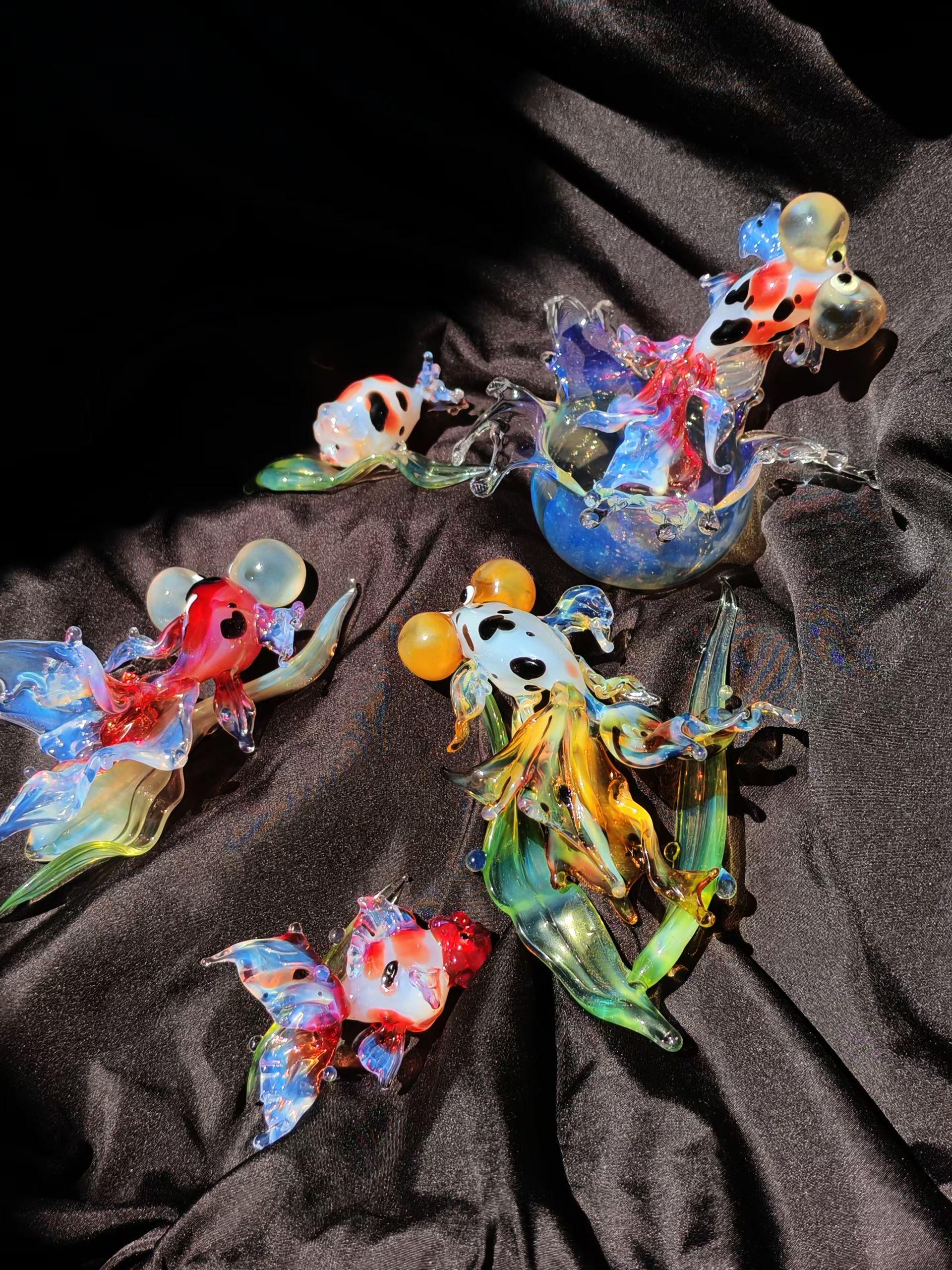
Hi everyone! Lampwork glass artist,and I mostly enjoy making little glass animals.
Here is colorful collection of glass goldfish I made for a client recently. They asked for custom pieces and gave me full creative freedom. They mentioned they love Bubble Eye goldfish,so I just went with the flow and made this vibrant little school!🐟🫧
I absolutely love how the iridescent glass catches the light—it makes them look almost magical. To my surprise,they were super happy with the result and asked me to ship them out right away haha.
Let me know what you think of these little guys .🥰✨
r/Goldfish • u/Foxhound_1 • 19h ago
r/Goldfish • u/lemilyflowers • 4h ago

Just thought I’d share an update on this guy he’s been growing well and has less of his baby face than before. The second picture is being photobombed by my 6” white ranchu (for size reference)
r/Goldfish • u/laura19902 • 1h ago

So happy with my two new fish, one us a phoenix egg fish and the other a yellow Wakin ( but in my aquarium he looks just orange 🥲).
They don’t like each other yet. Does anybody has the same experience with putting two new fish together? Never had this before, the phoenix egg fish was alone for a couple of weeks and is afraid of the wakin.
r/Goldfish • u/twinflxwer • 14h ago

Rest in peace my friend 💛 2008-2017
r/Goldfish • u/Asimplenerd1 • 7h ago
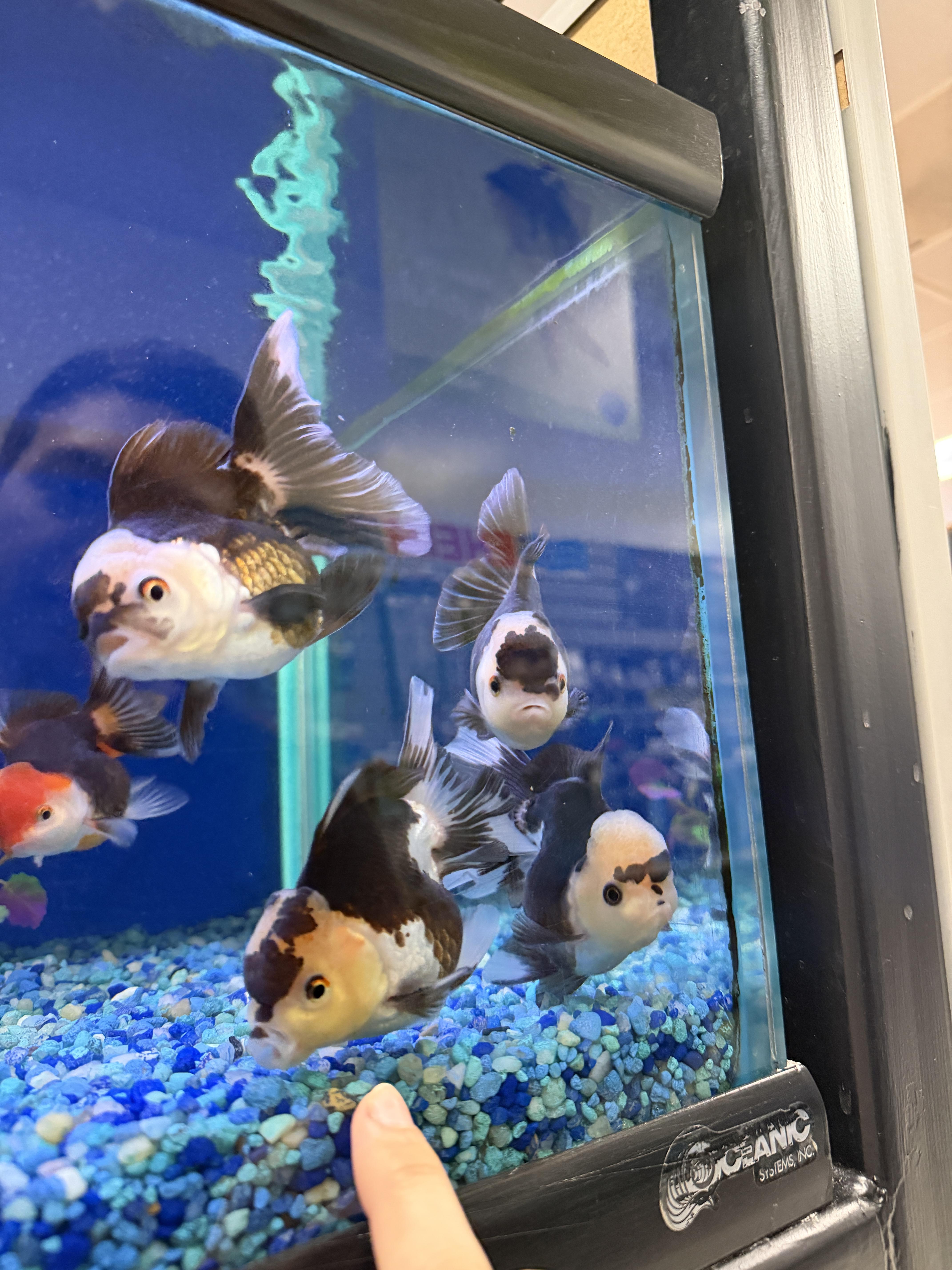
I saw Oranda goldfish and fell in love with them. I've only had tanks less than 30 gallons. After reading how big they get I went ahead and picked up a 75 gallon long aquarium so they have the absolute best life. I want to add 2 Orandas and lots of plants (I collect monstera and pothos). Do you guys have filter recommendations and also advice on building them the best possible tank. I want it absolutely perfect before I add the fish but Im inexperienced with canister filters.
Give me all the tips and what has worked for you!
Also throwing in a picture of some adorable panda orandas I saw for the vibes.
r/Goldfish • u/h4thelols • 3h ago
Hi everyone,
I’m looking for advice on how to help my goldfish, Tangy, well my children’s comets, in which I have personally grown attached to.
I don’t want to give up on her while she’s still showing signs of life and swimming.
I have three comet goldfish in a 90L tank. Over the past few days, I’ve noticed some concerning changes in my orange goldfish.
Symptoms:
I noticed these on Saturday, I’d say these physical symptoms have been there for no more than a week. Noticeably swollen, rounded abdomen (she wasn’t previously this round).
Pineconing
Both eyes bulging more than usual.
Extremely fine, almost transparent, hair-like string coming from her vent. I’m unsure whether it’s intestinal mucus or a possible parasite?
On Saturday, she spent considerable time floating near the surface and wasn’t swimming much, although she wasn’t gasping.
One of the other fish was occasionally nipping at her, although this seems to have stopped.
It’s now Monday, and she’s swimming more actively than she was on Saturday. Her swelling hasn’t noticeably increased, and she remains responsive. I’ve offered peeled, cooked peas, but I can’t confirm she’s eaten them.
Water quality: I performed a partial water change on Saturday using dechlorinated tap water. I had the water professionally tested at an aquarium shop today, and they said the results were excellent, although I don’t have the exact readings.
I’ve purchased API Stress Coat Plus and activated carbon, but haven’t started any medication.
I understand dropsy is a symptom of an underlying problem and that pineconing can indicate a serious condition.
My question:
Has anyone successfully treated goldfish showing these symptoms?
Would an Epsom salt bath be beneficial, and if so, what concentration and duration are considered safe?
Should I investigate broad-spectrum antibiotics for a possible internal bacterial infection?
Could the hair-like thread indicate an internal parasite?
Would you recommend a hospital tank, or is it safer to leave her in the established aquarium?
I don’t currently have a hospital tank, and purchasing a complete setup is quite expensive, but I’m willing to explore affordable alternatives if necessary.
I’m in Australia, so medication availability may differ from the US.
Please, I’d really appreciate advice from anyone who’s dealt with something similar. I know her prognosis may be poor, but while she’s still swimming and responsive, I want to give her a fighting chance.
Photos of Tangy attached.
ETA: total of 3 comets in 90L tank and has been established for approx 6 months.
r/Goldfish • u/Victorchu93 • 1d ago
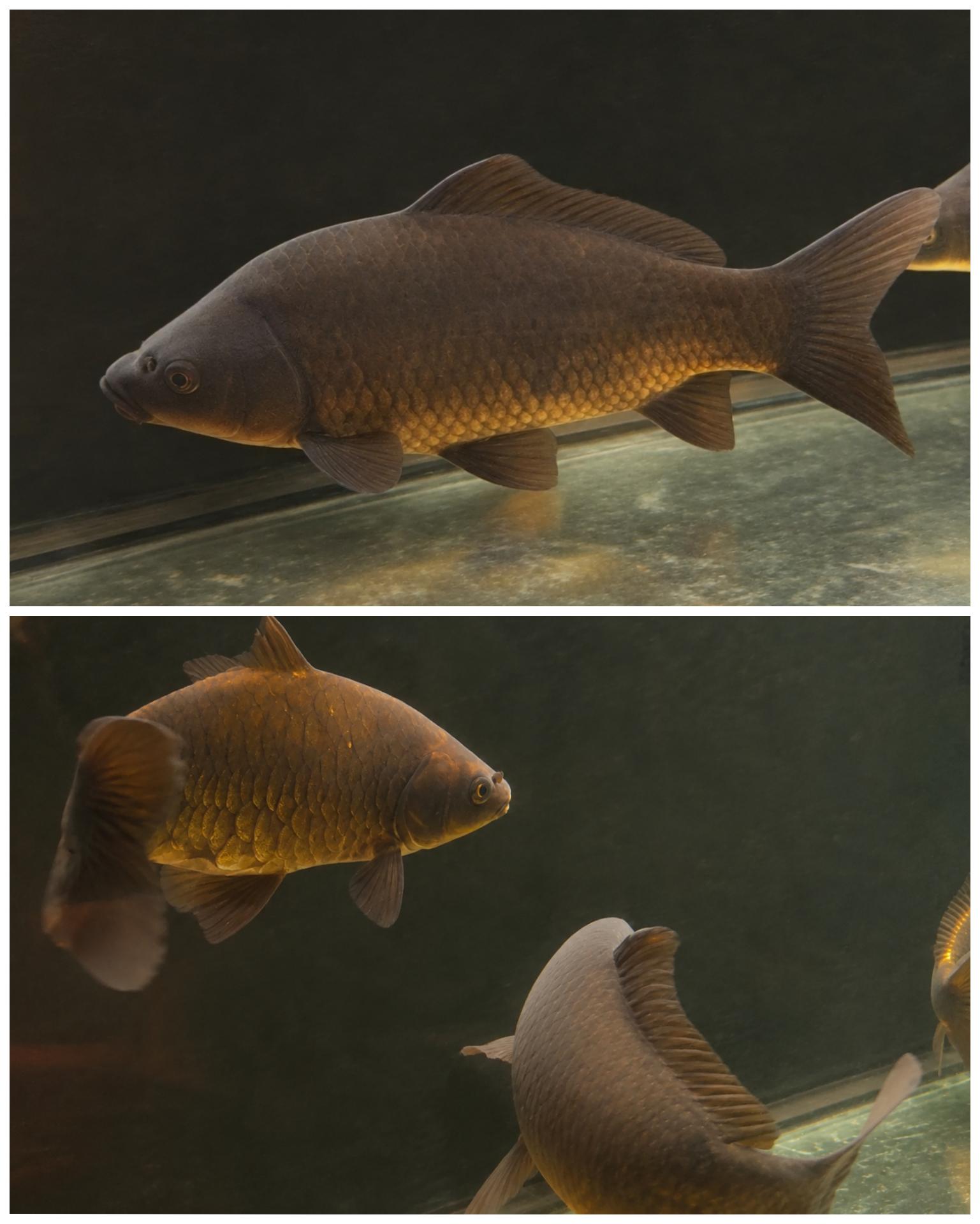
Here are two of my large wild-type goldfish. One got irregular looking scales that look like armoured scales. That one can get very light, sometimes almost a pale mossy yellow. For some reason I have always been obsessed with these wild-type goldfish. Anyone else a fan of them?
r/Goldfish • u/shush_imnothere • 12h ago
How should I transport then
Just leave them in the bag and be extra careful ? What’s the best way , there’s gonna be 3/4
r/Goldfish • u/Electrical_Item409 • 1d ago

Wanted to show off the progress on my rescue after two months and also was wondering if anyone knows exactly what it is or what it should look like full grown? I believe its a matte scaled ryukin but i cant seem to find any picture comparisons. Thanks :)
r/Goldfish • u/BlueOrbifolia • 1d ago

Meet Moonstone, Carnelian, Onyx, Chert, Jasper, and Sunstone!
I have been working on this tank since May and adding fish slowly since September. I’m so happy with how the tank is shaping up, but more so I’m happy with my little water puppies. All from my local independent store from their regular supply. I hope we get to be together for a very long time!🧡🧡🧡🧡🧡🧡
Jungle Val, Water wisteria, buccs, anubias, suswassertang, etc. They don’t seem to care too much of any of that, but duckweed disappears faster than the LFS and I can grow it out!
90 gallon plus 20 gallon sump and 5 gallon ATO.
The tank is vintage from the 90s.
My happy place. 😊
r/Goldfish • u/SvenGottfrid • 4h ago
There were a LOT of negative feedback on my previous post/pictures.
I KNOW that the tank is getting small for them, but I also realize the pics I sent makes the tank look smaller than it is, so here’s a video.
For you experts out there, if there are any obvious signs of distress in these fish, let me know..
r/Goldfish • u/SvenGottfrid • 6h ago

So, my son won 7 goldfish at a Fireman’s fair about 4 years ago.
Through some mishaps, one including “Aquarium wood decorations” from Temu that clouded the whole tank, prob due to Tannins, 2 of them died (they were all hanging on by a thread)
But, the 5 that survived has truly thrived!
Some observations :
Goldfish flakes from Tetra are GREAT! The fish seems to be thriving off them, and they don’t soil the tank.
One period where I had to travel, I bought some “Kaytee Koi’s Choice” pellets - and it kept them alive but GODDAAAMN it’s a dirty food.
I went from cleaning the tank about once a month to once a week - and that week was enough to make the tank and filters NASTY.
Seachem’s Purigen is a GODSEND.
Honestly, I ascribe the Fish’s survival to this magical fairy dust 😂 Love it.
Goldfish THINK.
I have some fluorescent pebbles in the tank, and I think the fish hates them, because they gather them up and put them in one corner of the tank 😂
They also absolutely show when they’re hungry by swimming up to the glass and staring through my soul 😬
I’ve got them, and a Pleco in a 75 Gal tank now, they seem to be doing fine, but considering getting something bigger… thoughts?
r/Goldfish • u/Foxhound_1 • 19h ago
r/Goldfish • u/Ok_Image7053 • 1d ago

Hello, everyone! Meet my new panda oranda, Pongo!! She’s named after 101 dalmatians because of her adorable little face!
r/Goldfish • u/ninidontjump • 1d ago

I was looking at this rural property listing in Washington state and couldn't believe my eyes when I saw the size of the goldfish (and amount) living in this outdoor pond. The listing doesn't mention anything about the goldfish being there. They appear to be at least several years old and are doing well. I am surprised as this region definitely gets snow in the winter and there doesn't seem to be much predator protection. If you're looking for a home with a pond for your goldies, maybe consider this one. The house seems to need a lot of work though.
r/Goldfish • u/some1_asian • 1d ago

Hello!
I’ve just inherited a goldfish named Gloria. I’m not even sure she’s a girl lol. I don’t have too much knowledge about keeping goldfish but I’m going to learn as I go!
Unfortunately Gloria has pretty huge lump on her left side. She seems fine, swims around loads and is eating. Does anyone know if I need to do anything to help her or is it just there now?
Appreciate your time :)
r/Goldfish • u/Alarmed_Ad7469 • 1d ago

Framingham.
r/Goldfish • u/Unusual-Permission47 • 1d ago

I got home from work and saw this hanging off my goldfish. His levels in the tank are good and I feed him around 4-5 pellets twice daily. He’s the only fish in a 55 gal tank! Is he okay? Should I give him a deshelled pea? I’ve had him since July.
r/Goldfish • u/nvgirl36 • 2d ago

Finally added fish after marinating my tank for weeks! All tests are good, so happy to have these cuties in the tank! They are already exploring and swimming together, I already love them so much!

