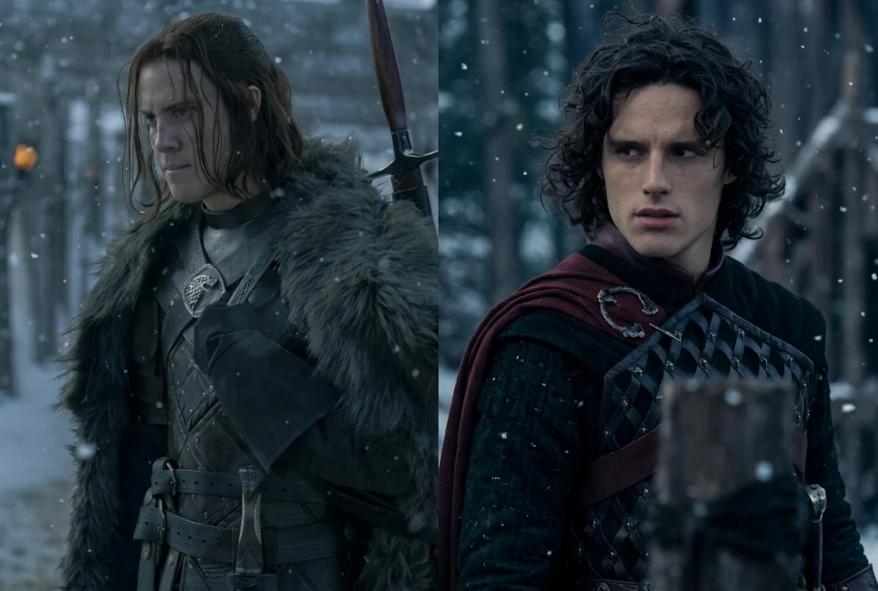
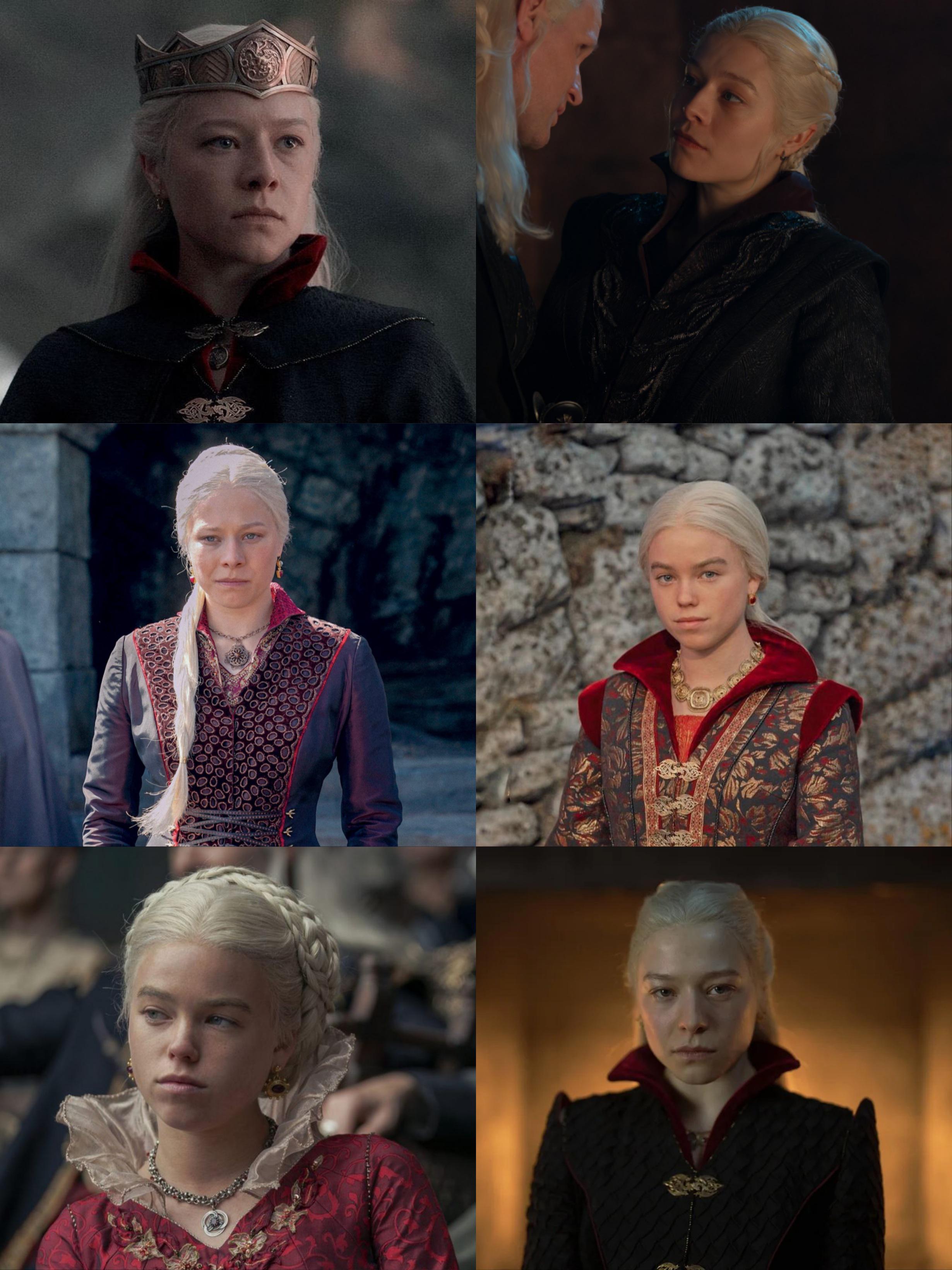
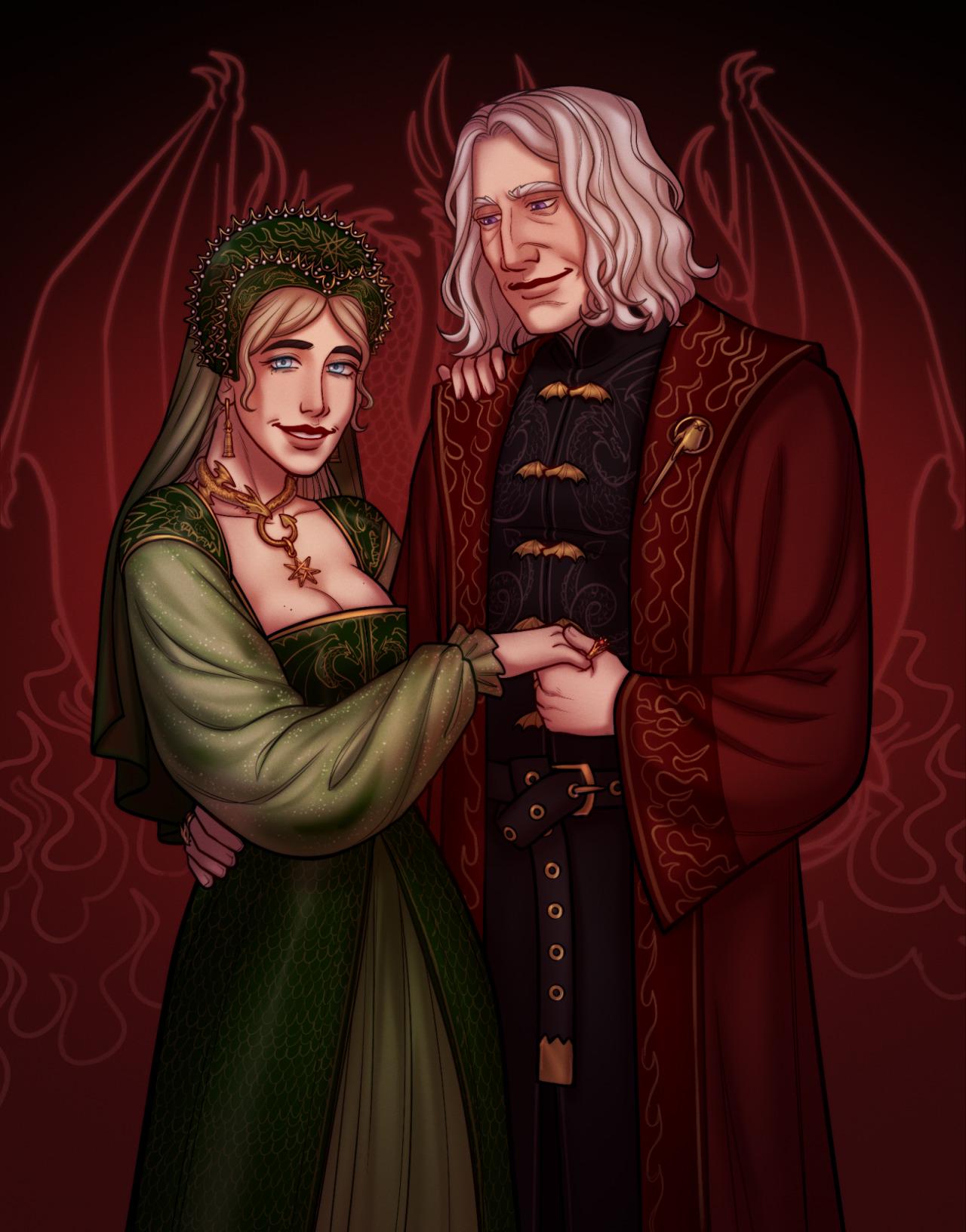
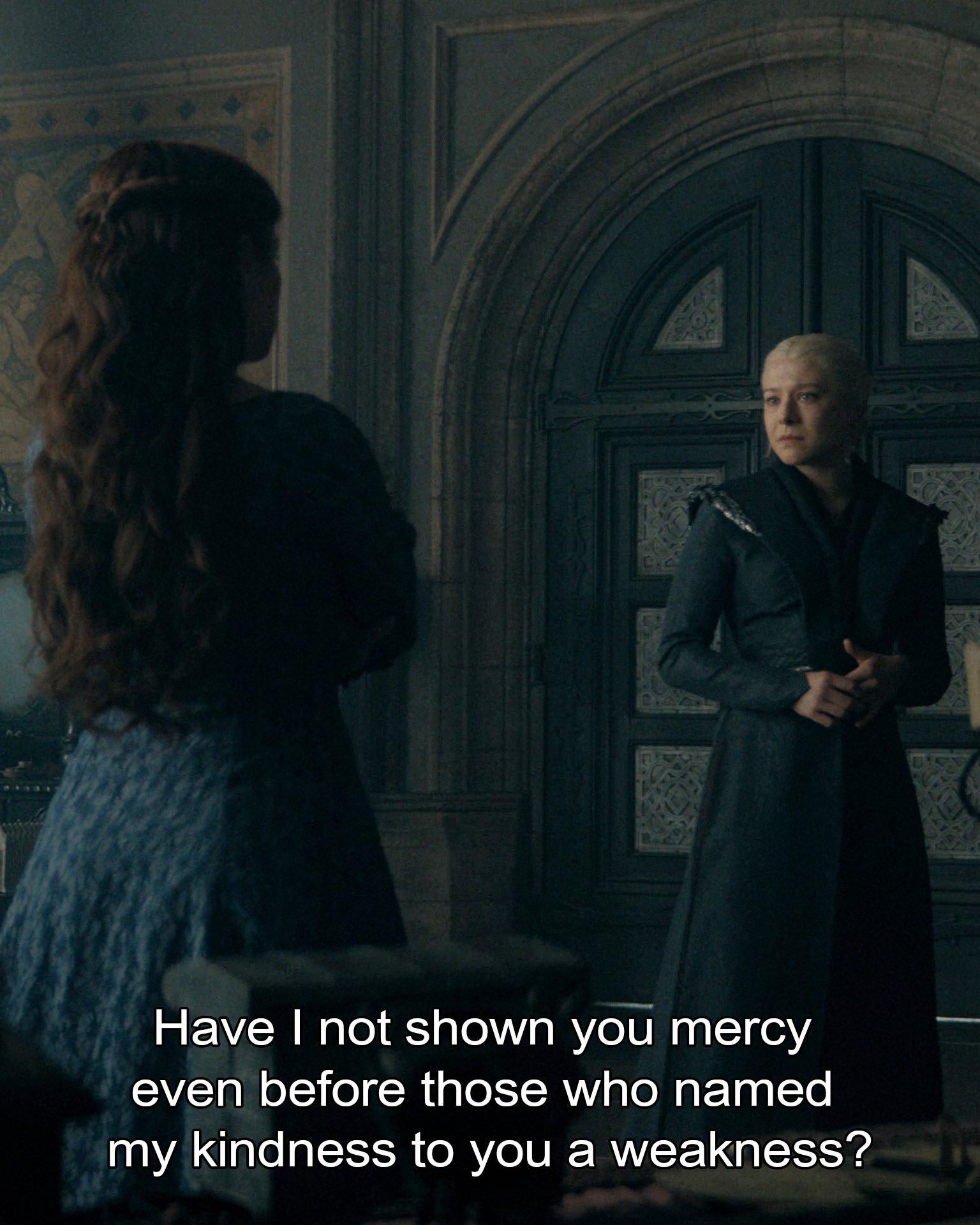
In Fire and Blood, the death of Jacaerys Velaryon at the Battle of the Throat marks the true turning point for Rhaenyra’s faction. Unlike in the TV adaptation, in the books Jace is portrayed much more explicitly as a precocious statesman, a brilliant negotiator, and a military leader capable of upholding the Black Cause while his mother was consumed by grief over Lucerys.
If Vermax had not fallen to the Triarchy’s fleet and Jacaerys had survived to win the war and succeed Rhaenyra on the Iron Throne, the story told by Archmaester Gyldayn would have taken a radically different course, especially given the bond forged with Cregan Stark at Winterfell.
- The True Nature of the Relationship Between Jace and Cregan in Fire and Blood
In the books, Jacaerys’s stay at Winterfell was neither a brief nor a purely ceremonial visit; he spent a considerable amount of time there living alongside the young Lord of Winterfell (who was only a few years older than him). Gyldayn recounts that the two shared similar interests—hunting, falconry, weapons training—and that they developed such a deep brotherly bond that they even swore a blood brotherhood on a rowan tree in the Godswood (not to mention the rumors spread by the jester Mushroom about Sara Snow, which, even within the lore, reinforce Jace’s intimate closeness to the House of the North). With Jace alive and crowned, that relationship would not have ended in the “Hour of the Wolf” with a bitter Cregan returning to the North after dispensing swift justice; it would have been a lifelong governing alliance between two sworn brothers. - The Literal Fulfillment of the Pact of Ice and Fire
In Fire and Blood, the Pact of Ice and Fire specifically stipulated that a princess of royal Targaryen blood would be sent to the North to marry Lord Cregan’s son and heir, Rickon Stark. In the canon, war wiped out most of the royal family, and the promise was never fulfilled (the Targaryens ended up compensating the Starks with lands such as New Banquet or empty promises, but never with a royal princess). With Jacaerys on the Iron Throne and married to Baela Targaryen—just as had been agreed upon since his childhood—his first daughters would have been given directly in marriage to the heirs of Winterfell, fulfilling his word to the letter and settling the debt owed to Roderick Dustin’s Winter Wolves. - Interdynastic Marriage and the Merger of Two Dynasties
If Jace and Cregan had united not only a Targaryen princess with the heir to Winterfell, but also a daughter of Cregan Stark with the crown prince of King’s Landing, the dynastic implications in the books would have been immense:
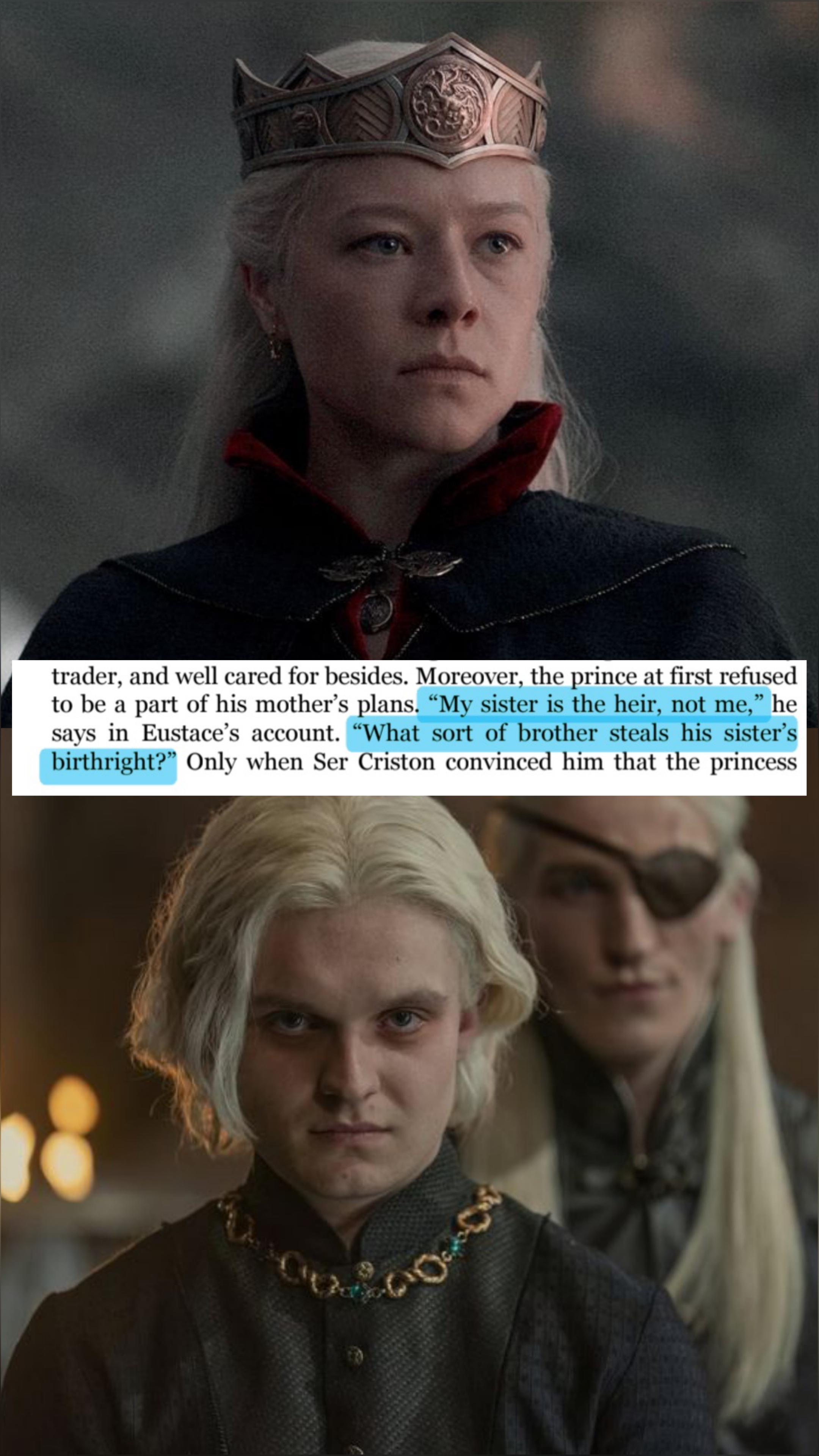
The definitive end to the rumors about the “Strong” family: In Fire and Blood, the alleged bastard status of Jace, Luke, and Joffrey was the primary propaganda weapon of the Greens and Eustace. However, by uniting his line of succession with the Starks—the oldest and most honor-bound house in all the Seven Kingdoms—and with Baela (daughter of Daemon and Laena Velaryon), any questioning of his legitimacy would have lost all political weight.
Impregnable geographical and military control: The North is nearly as vast as the other six kingdoms combined and virtually unconquerable from the south via the Neck. By uniting the Royal House with Winterfell through blood, the Crown would have secured the unconditional loyalty of the North, the support of the Riverlands (loyal to Rhaenyra through the Tullys and the Blackwoods, the latter also historically related to the Starks), and naval dominance over Markadrift.
4. Dragons at Winterfell: The Blood of the First Men and Valyria
In the books, the Dragonseeds (Hugh Hammer and Ulf the White) demonstrated that betrayal arises when dragons are entrusted to men without loyalty or honor. In contrast, giving dragon eggs or allowing children born of a Stark-Targaryen marriage to claim dragons would have produced riders molded by the code of honor of Winterfell and the discipline of Jacaerys.
A direct descendant with the blood of the Winter Kings and the Dragonlords, riding a dragon raised in the North—where the climate and remoteness would protect them from the intrigues of the Citadel and the Faith of the Seven—would have ensured the survival of the species far beyond the reign of Aegon III “Dragon’s Venom.”
5. A Westeros Without the Late Dance or the Fall of the Dragons
Much of the Targaryen decline chronicled in the second half of Fire and Blood stems from the fact that the war’s survivors were traumatized children (Aegon III and Viserys II) surrounded by ambitious regents like Unwin Peake. If Jacaerys had survived, the kingdom would have had an adult monarch, a war veteran, with his dragon Vermax still alive, backed by Corlys Velaryon at sea and Cregan Stark as his right-hand man on land.
Under a Jacaerys-Cregan leadership, House Targaryen would never have lost its greatest military power; the Wall would have received direct royal support against any threat beyond the border; and the resulting dynasty would have ruled Westeros without any possible opposition for generations.