While there are excellent growers located across the country, several of the vendors that are frequently talked about here are located in Southern Oregon. Now that the fall harvest season is wrapped, here are a few notes from the year:
Low Smoke
One of the biggest challenges facing Oregon hemp farmers the past several years has been air quality from wildfires. Smoke makes for difficult/dangerous working conditions for farm staff, filtered light that stunts vigorous plant growth (and restricts yield), and in very harsh conditions can affect flower density, aroma, and overall quality. An extreme example was 2020, when multiple large wildfires dumped several inches of ash on much of Southern Oregon, led to a sustained AQI of 1000+, and nearly ruined the season entirely for many farmers.
Thankfully, while wildfires were still common in 2026, wind and other factors kept Southern Oregon skies fairly clear, all the way through harvest.
Dry Fall
After the smoke risk passes, Southern Oregon farmers have a race to finish the season, squeezed between trying to take varieties to full maturity and pulling them in before fall rains set in. Sungrown plants can generally withstand some rain, however heavy, sustained rain combined with the temperature swing from nighttime cold to daytime warm can easily lead to botrytis mold, necrosis, and a quick drop in flower quality.
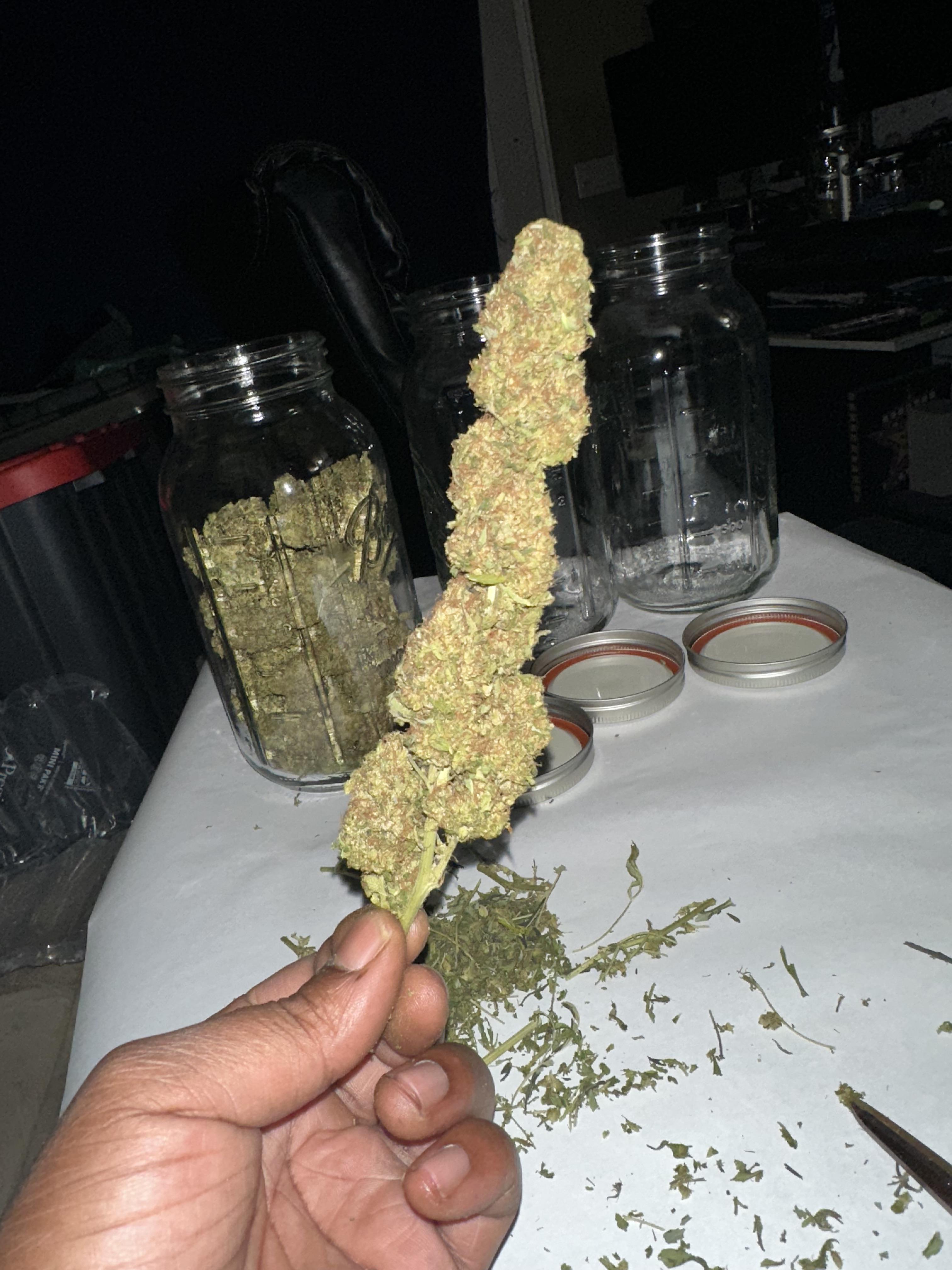
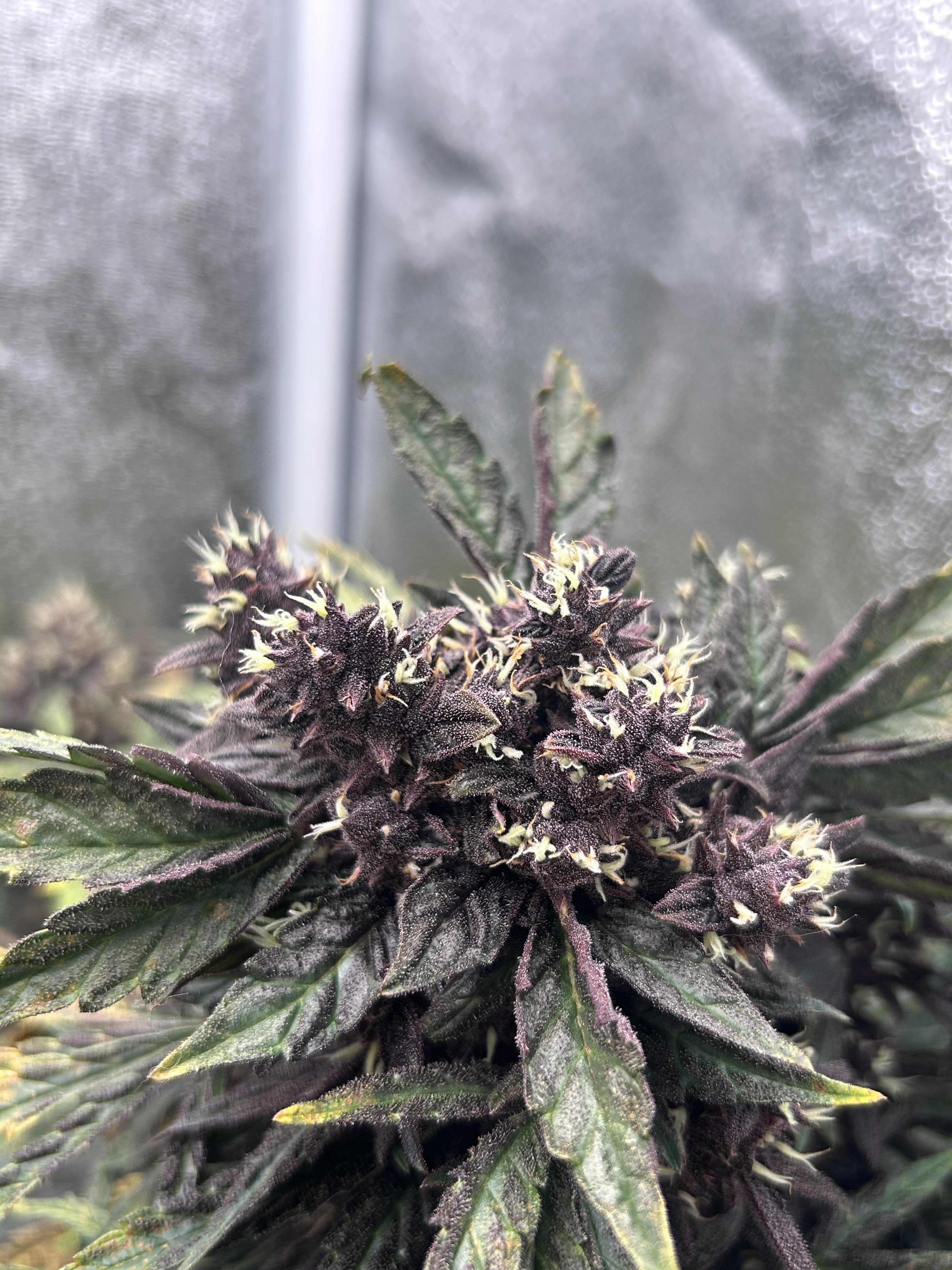
This year, miraculously, it didn't really rain in Southern Oregon until the last week of October, after most common varieties had reached full maturity and were safely moved through drying rooms. This was East Fork's 12th season of commercial-scale CBD farming in Southern Oregon, and the driest and sunniest harvest we can remember. This means good yields, dense buds, and low risk for botrytis mold and other quality concerns.
Major Market Shifts
While the growing and harvest seasons were largely dreamy, the unavoidable backdrop of this season was the looming federal "hemp ban" and the rapidly changing state-by-state patchwork of hemp rules and laws. Virtually all of the vendors talked about on this sub are small or very small businesses, with heavily involved owners doing their best to grow great hemp, treat employees well, and provide great service for their online shops. Even if "the ban" doesn't happen, this has been one of the most stressful, uncertain years in U.S. floral hemp farming, on par with 2020 when a massive oversupply of biomass tipped the market over and put hundreds or thousands of farmers out of business.
Many of our peers, processing partners, and service providers closed their doors this year due to the sketchy market conditions, leaving those of us still operating with far fewer resources to run our businesses well.
What's Next
All eyes are on Dec. 11, with hopes for another extension so the new Congress that's seated in January can take up one of the many bipartisan bills that have been put forth to fix hemp. Many operators, East Fork included, are taking it week by week, with the unfortunate chance that we may need to lay off most/all staff right before the holidays, and in some cases, shut down entirely.
While I'm no proponent of panic buying or making decisions from a place of fear, we are staring down a potential extinction event for this wonderful community of hemp enjoyers and growers. Thankfully, the plant is the plant, it will still be grown widely, and the amazing improvement of CBD, CBG, CBDV, etc. genetics over the past decade (big shout-out to GTR, Hoku, High Alpine, and others) means that home growers are in a much better place to keep hemp alive through what could be some dark times.
If "the ban" doesn't happen, and we make it through this looking glass, perhaps we'll look back on this time, a banner year for sungrown hemp in Southern Oregon (and elsewhere), and be stronger and more resilient as a community for the hard experience. We plan to be here, and hope you will too.
----
Mason Walker
Owner, East Fork (and Tweedle)