r/HistoryDefined • • 4h ago Regret

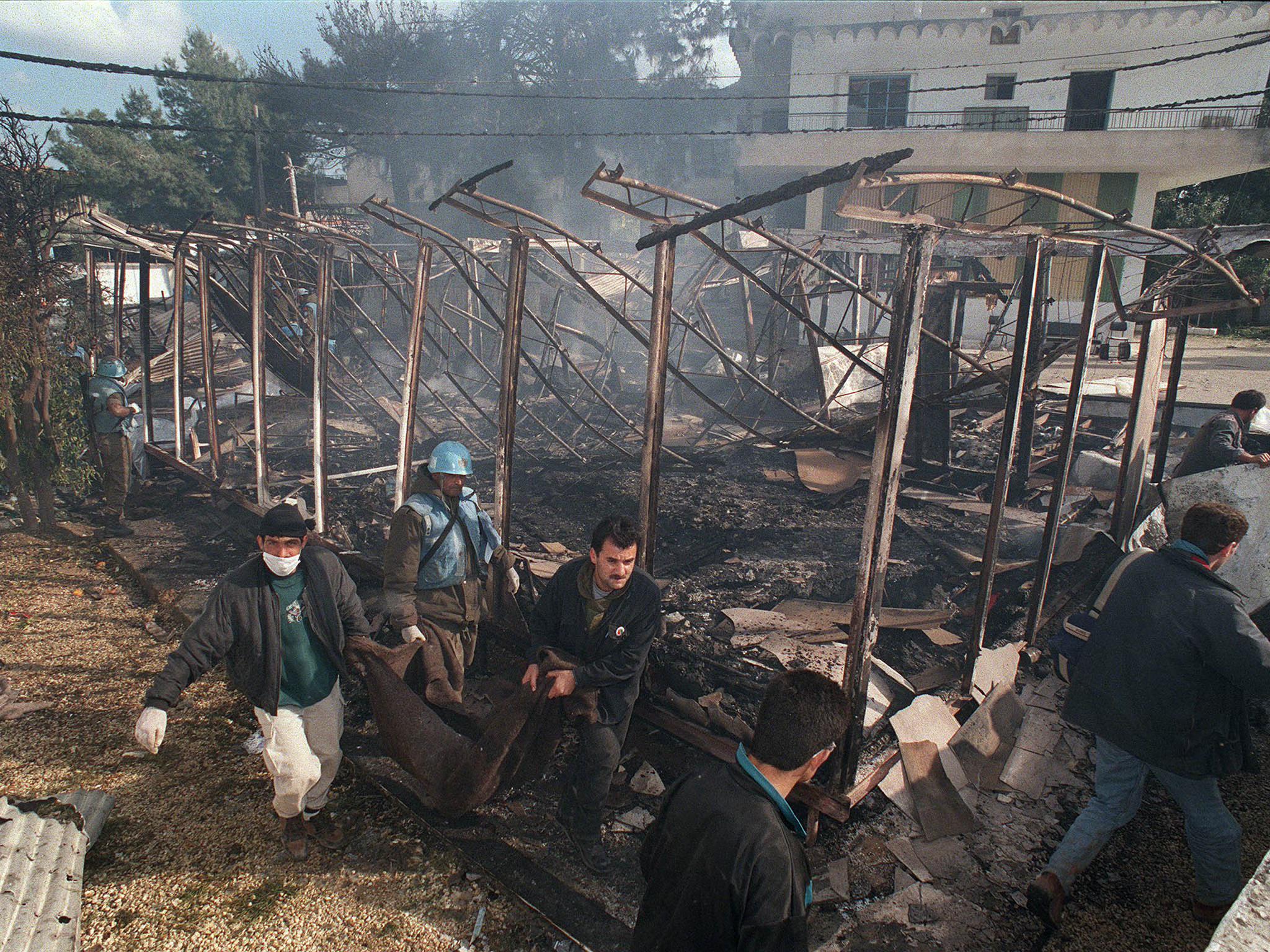
Aftermath of Israeli shelling on a U.N. compound in Qana, Lebanon, killing 106 civilians taking shelter

Post image
104 Upvotes

After the attack, Israel claimed that its soldiers had come under mortar fire, and that inaccurate mapping led to shells accidentally hitting the compound, asserting that they did not know civilians were inside.

However, a U.N. investigation found the shelling to likely be deliberate, noting a large shift in the trajectory of shelling, as the impact points drastically shifted away from the Hezbollah launcher towards the U.N. compound, with different shells being used. Additionally, they pointed to the fact that an Israeli drone was above the compound, indicating they were aware of the presence of civilians. Israel initially denied the existence of this drone, though after being told that video evidence was published, they later changed their story to say that the drone “was on a different mission.”

The commander of the ‘Qana massacre,’ Naftali Bennett, would become prime minister in 2022.

Ten years after the attack, Israeli airstrikes hit a residential building in the same village, killing 28 civilians, including 16 children. Human Rights Watch found no evidence of a military target when examining the aftermath.


r/HistoryDefined • • 1d ago

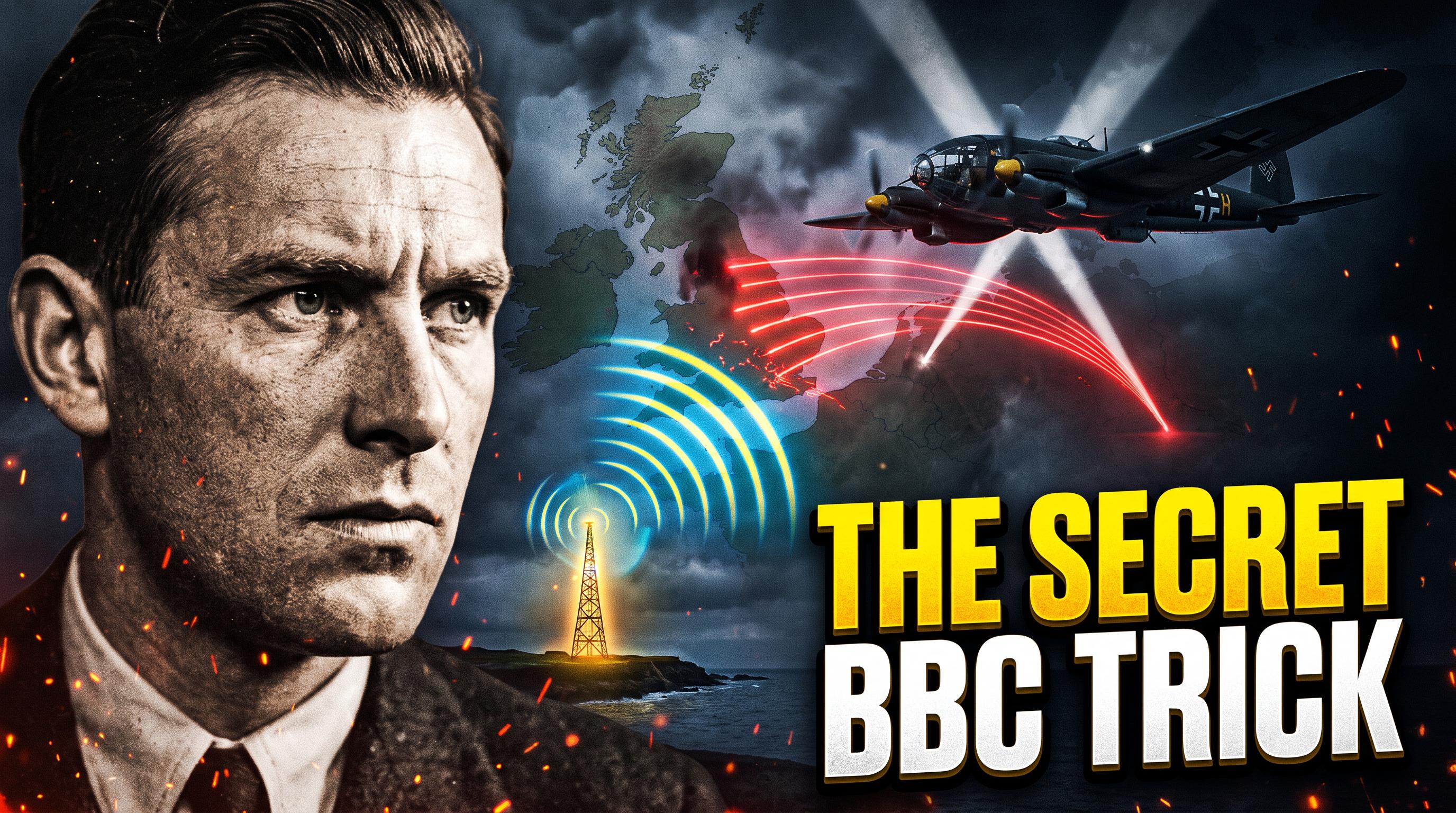
In 1941, Britain secretly used a silent BBC TV tower to hijack German bomber signals—so subtly that German crews and ground operators blamed each other for missing their targets.

Post image
13 Upvotes

In early 1941, the Luftwaffe had one of the most advanced night-navigation systems in the world, yet their bombers suddenly kept missing their targets. The flight crews blamed the ground operators, and the ground operators blamed the crews.

What neither side realized was that Britain had quietly turned their own guidance systems against them in a hidden electronic war known as the Battle of the Beams:

  • The Discovery: A 28-year-old British scientist, R.V. Jones, pieced together decoded messages and prisoner interrogations to realize Germany was projecting invisible radio beams across the English Channel—dots in the pilot's headphones meant drift left, dashes meant drift right, and a steady tone meant dead center.
  • Operation "Aspirin": After convincing a skeptical Winston Churchill, the RAF confirmed the beam using a radio receiver bought from a London shop. Britain's first jammers were literally medical machines borrowed from hospitals that buzzed on the same wavelength, followed by transmitters that added extra "dots" so pilots drifted off course without realizing it.
  • The BBC Twist: When Germany upgraded to a third, echo-based guidance system, Britain switched the silent BBC television transmitter at Alexandra Palace back on. It caught the German bombers' radio echoes and sent them back out of sync—deliberately at low power at first—making the German crews believe their own equipment was malfunctioning.

Think of it like shouting into a canyon and timing the echo to measure how far away the cliff is—except someone is hiding nearby shouting your word back a split second later. You'd swear the cliff moved, never suspecting the cliff had company.


r/HistoryDefined • • 2d ago Heartwarming

Donyale Luna (Born Peggy Ann Freeman, Detroit 1945) in her time as model for Rabanne in 1967. When Rabanne hired her, it got them banned from the US fashion world (but not europe)

Thumbnail
gallery
1.4k Upvotes

r/HistoryDefined • • 2d ago

Damaged autochrome of a lady with flowers, 1910s.

Post image
30 Upvotes

r/HistoryDefined • • 2d ago

11 Israeli soldiers facing trial for the 1956 Kafr Qasim massacre

Post image
87 Upvotes

In 1956, during the Suez Crisis, the Israeli military placed the village of Kafr Qasim under curfew. However, most villagers were at work, and were not aware of such a curfew. Upon returning to the village, Israeli soldiers, despite being aware of the villagers not knowing about the curfew, opened fire and killed 48 civilians, including 23 children and a pregnant mother.

After trial, all soldiers had their sentences reduced and some even faced pardons as well as promotions. No convict faced more than 3 years in prison for the massacre.

Token trials are not unusual, as Russia did similar to 2 soldiers in 2024.


r/HistoryDefined • • 2d ago

Why charging 300 Spartans was a death trap — the real story of Thermopylae

2 Upvotes

In 480 BC, Xerxes brought around 200,000 men to Greece. 7,000 Greeks held a mountain pass for three days — the pass was only 50 feet wide, and the phalanx turned the Persians' numbers into a disadvantage. It only ended when Ephialtes showed them a path around it. I made an 8-minute explainer on the full story — and why a battle the Greeks lost still won them the war. What mattered more — the pass, or the betrayal?

Feel free to check my explainer and point out any area of improvement.

https://youtu.be/kwn7whFu8IQ


r/HistoryDefined • • 2d ago

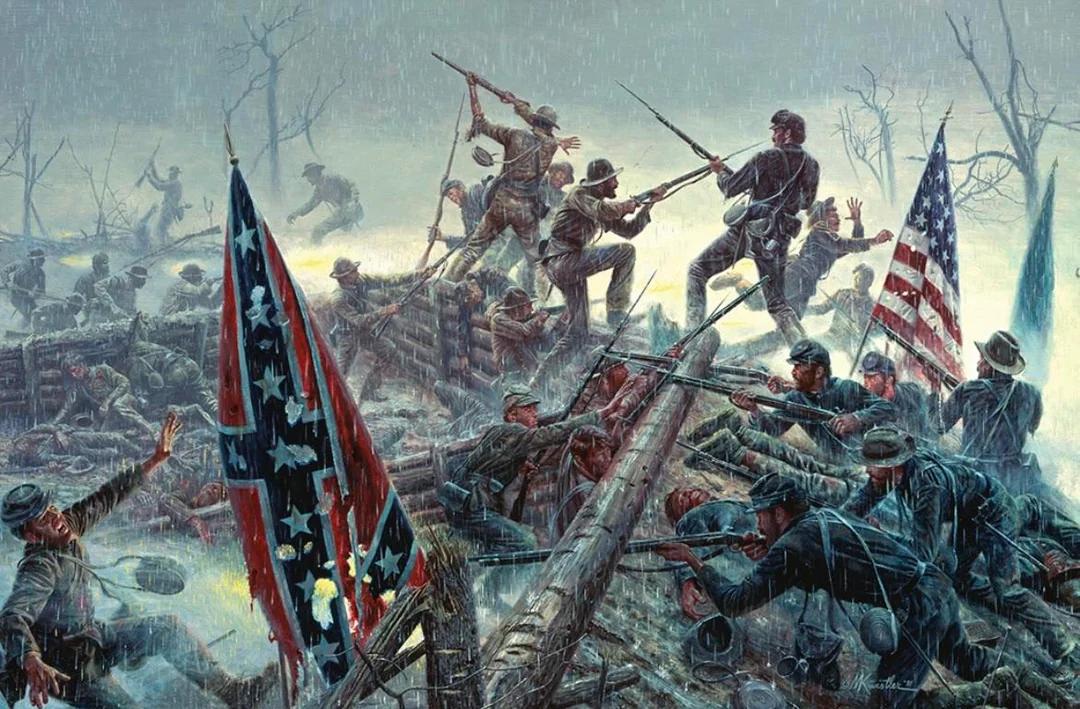
Several members of the same family fought in the same battle in the American Civil War. A father, his brother, and his sons fighting together to repel Confederate soldiers. Prior to the war they didn't get along. Painting is of the battle of Spotsylvania. 1864. Below is their tragic story:

Post image
51 Upvotes

I've done extensive research on the Tozier family and thought I'd share my research. The names of the soldiers are available to research ie veteran pension lists, census and genealogy records.

John Tozier married Thirza Tozier, they had seven children. Out of their seven children were going to talk about three of their sons, George, Andrew and Ezra. George enlisted in the 9th Maine Regiment Infantry. The 9th Maine was organized in Augusta, Maine in September 1861. Andrew enlisted in

the army and served in the 2nd Maine in 1861. Ezra illegally enlisted in the army when he was 15 years old, he served in the 14th Maine Infantry Regiment. John Tozier's brother, William, also enlisted in the army. William was 48 years old when he joined the army, he served in the 19th Maine Infantry. It wasn't uncommon for men in their 40s and 50s to enlist in the army during the civil war. Sometime in 1861 or early 1862, John Tozier abandoned his family.

Thirza pressured her young son, Ezra, into joining the army for income since John left them. Ezra joined the army. The 14th Maine embarked on a steamship to Louisiana. The 14th was located near New Orleans with Benjamin Butler's New Orleans Expeditionary Corp. Ezra was captured by Confederates on June 28, 1862. In a weird coincidence Ezra was captured by Confederates one day after his brother Andrew was captured 1000 miles away in Virginia following the battle of Gaines' Mill. Ezra was sent to a pow camp in Georgia where he died on October 15, 1862, aged 16. It was a full year before the Tozier family learned of Ezra’s death through a notice posted in a Philadelphia newspaper. Ezra's mother, Thirza, submitted to the US Pension Office a personal letter written by Ezra to his mother. The letter was dated two weeks before his disappearance from his regiment. This letter suggests that Thirza possessed a hidden motivation in aiding her underage son’s unlawful enlistment in the army, as it reveals that he was sending army pay home to his mother.

Andrew Tozier's civil war record is remarkable. He served with the 2nd Maine. The 2nd Maine fought in eleven battles most notably; First Battle of Bull Run, Gaines' Mill, Second Battle of Bull Run, Fredericksburg, Antietam and Chancellorsville. Andrew was wounded at the Battle of Gaines' Mill sustaining two wounds. He was shot in the hand and also shot in the ankle. He was taken prisoner and later exchanged. He was wounded at the Battle of Fredericksburg in December 1862. In a 1908 medical examination, Andrew explained of an old rib fracture as having been caused by a grazing cannonball at Fredericksburg. In mid June 1863 he was transferred to the 20th Maine infantry. He carried the flag for the 20th Maine. Andrew fought alongside the 20th Maine in the following battles; Gettysburg, Wilderness, Spotsylvania Court House, North Anna and Cold Harbor. During the battle of Gettysburg the 20th Maine wavered on Little Round Top. Andrew stood alone in an advanced position on Little Round Top holding the American flag in one arm and firing his musket in the other. He picked up ammunition at his feet. Seeing Andrew standing there alone inspired and rallied his comrades around him. Due to his heroic stand, Andrew won the medal of honor for his bravery. Later in the war Andrew was wounded again at the battle of North Anna on May 26, 1864. A bullet struck his head just behind his eye. Most of the bullet exited the skull, but a portion remained lodged inside. Despite this latest wound, he continued to serve until his original enlistment term expired on July 15, 1864. Andrew survived the war and died in Litchfield, Maine on March 28, 1910, aged 72.

George Tozier's civil war record is less impressive than his brother Andrew but nonetheless his regiment was in several battles; Fort Wagner, Second Battle of Fort Wagner, Drewry's Bluff, Cold Harbor, Second Battle of Petersburg, Second Battle of Deep Bottom, Battle of Chaffin's Farm, Battle of Fair Oaks & Darbytown Road, and the battle of Wilmington. George survived the war and later moved to Old Town, Maine. He died on November 15, 1902, aged 71.

William Tozier, the uncle of the Tozier boys. Having served with the 19th Maine infantry they suffered a 53% casualty rate at Gettysburg. The 19th Maine was one of the regiments to repel Pickett's Charge on July 3, 1863. Throughout the war the 19th Maine was engaged in the following battles: Fredericksburg, Chancellorsville, Gettysburg, Bristoe Station, Morton's Ford, Wilderness, Spotsylvania, Cold Harbor, Second Battle of Ream's Station, Boydton Plank Road and Hatcher's Run. William survived the war and lived in Milford, Maine. He died on August 24, 1893, aged 79.

To make matters more intriguing John Tozier enlisted in the army in 1864. The father whom ran away from supporting his family joined the army, he was 54 years old when he joined the army. By the time John enlisted in the army in 1864, his brother William, and his sons, George, Andrew and Ezra, had been away from home fighting in the war for at least a couple of years at this point. John served in the 31st Maine Infantry Regiment. The 31st Maine was organized in Augusta, Maine in March 1864. The 31st Maine engaged in the following battles: The Wilderness, Spotsylvania, North Anna, Cold Harbor, Battle of the Crater, Weldon Railroad and Fort Mahone. John survived the war and lived in Monmouth, Maine. He died in February 1891, aged 81.


r/HistoryDefined • • 3d ago

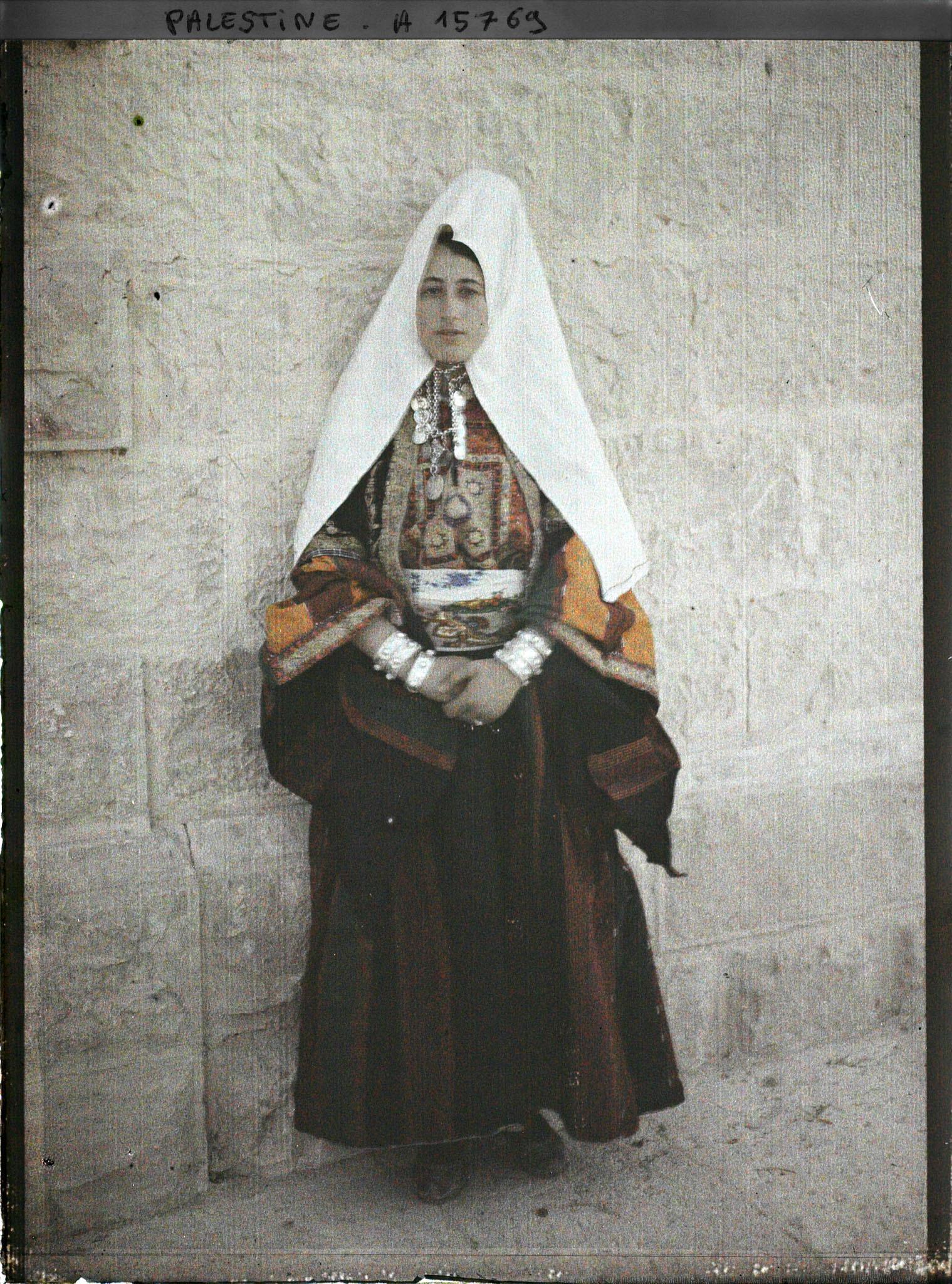
Autochrome shot of a palestinian woman, 1918.

Post image
228 Upvotes

r/HistoryDefined • • 3d ago

Cammie Lusko, 1st a bodybuilder after her only Miss Olympia in 1980, she focused in promoting olympic weightlifting for women. Herself could lift 130 pounds at a weighting of only 110. Photos of her in the late 1970s.

Thumbnail
gallery
168 Upvotes

r/HistoryDefined • • 3d ago

Wedding rings that were removed from holocaust victims before they were executed, c. 1945

Post image
15 Upvotes

r/HistoryDefined • • 3d ago

Bernie Sanders delivering a speech advising against the Gulf War to an empty Congress. 1991.

Post image
4.9k Upvotes

r/HistoryDefined • • 5d ago

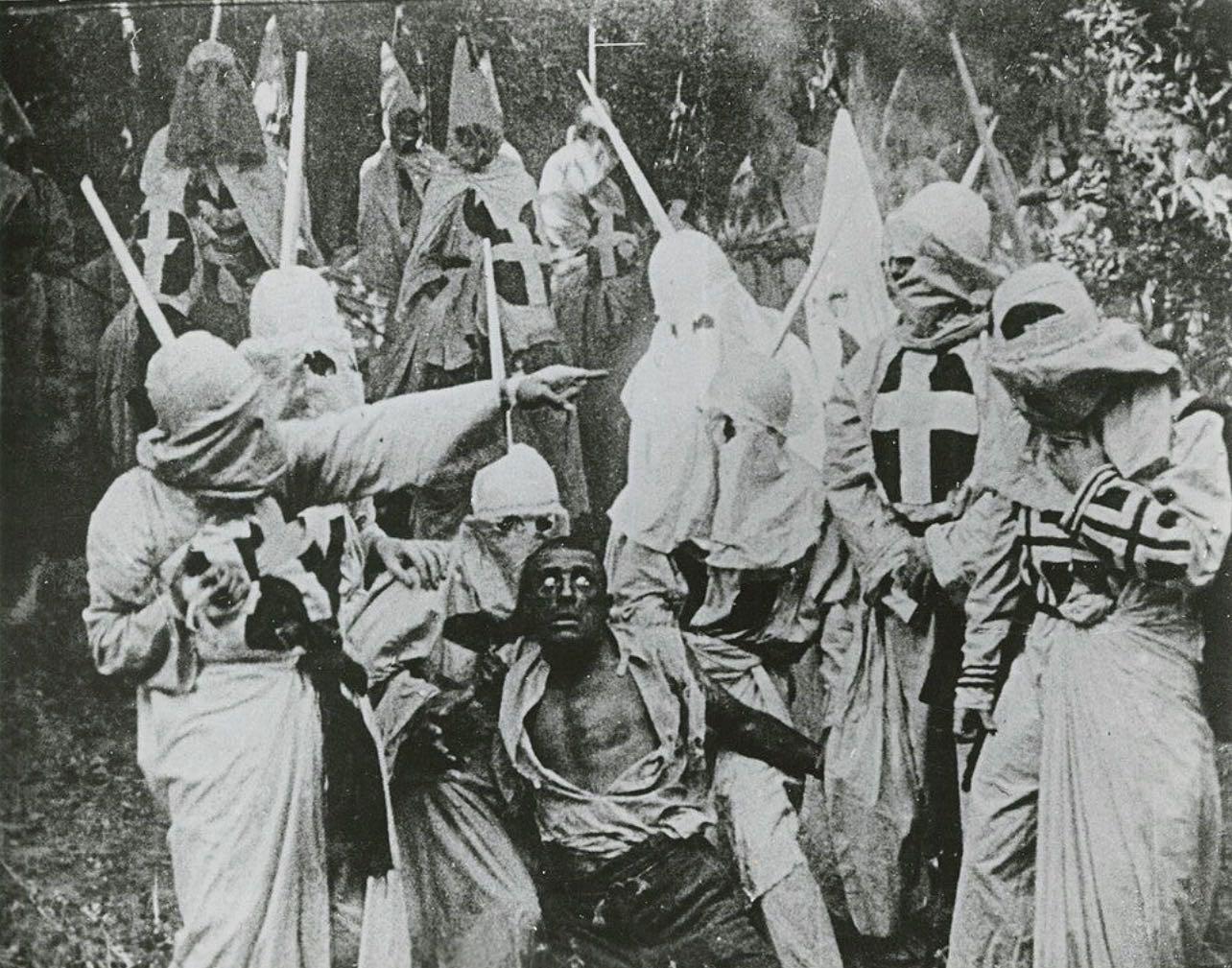
Klansmen capture the villainous freedman Gus in D.W. Griffith’s 1915 film The Birth of a Nation. The groundbreaking and incredibly racist film inspired the rebirth of the Ku Klux Klan and popularized the white robes and burning crosses that became its enduring symbols.

Post image
72 Upvotes

In 1915, the groundbreaking film The Birth of a Nation, directed by D.W. Griffith, was released to critical and commercial acclaim. Based on white supremacist Thomas Dixon Jr.’s 1905 novel and play, The Clansman: A Historical Romance of the Ku Klux Klan, the film helped revive the Klan.

The First Ku Klux Klan existed from late 1865 to the mid-1870s. It utilized terror tactics, including nighttime raids, physical and sexual assaults, lynchings, and murders, to suppress Black voting and civil rights, and to make people think twice about providing African Americans with either. The First Klan was a systematic force of terror, employing such extreme and horrific violence that it began to alienate even white Southerners.

In 1871, former Union General and Massachusetts Congressman Benjamin Butler introduced the legislation known as the Ku Klux Klan Act. The law was intended to combat the Klan by making certain acts federal offenses, authorizing the president to deploy federal troops, and allowing the suspension of habeas corpus to facilitate arrests. President Ulysses S. Grant signed it into law, and the already declining Klan began to wither away. By the mid-1870s, the First Klan was effectively dead.

But its memory wasn’t. Lost Cause mythology recast it as a heroic force that had supposedly defended white Southerners during Reconstruction. Dixon Jr.‘s work seized upon this mythology, and Griffith’s film brought it to the big screen.

The Birth of a Nation follows two families through the Civil War and Reconstruction. Its villains are African Americans, portrayed by white actors in blackface, who are depicted as unintelligent, violent, and sexually aggressive toward white women. Meanwhile, the Klansmen ride in to protect the innocent, glorified as heroic defenders of civilization. The film popularized Klan iconography, including the burning cross (an invention of Dixon Jr.) and the organization’s famous white robes. It was famously screened at the White House for President Woodrow Wilson.

The film inspired the Klan’s rebirth. Later that year, in 1915, a failed teacher and racist named William Joseph Simmons, inspired by the movie, began studying the Klan of old. He gathered friends who shared his horrible views, along with two elderly former Klansmen, climbed Stone Mountain east of Atlanta, Georgia, and proclaimed the birth of the Second Klan. Simmons declared himself the Imperial Wizard of the Invisible Empire of the Knights of the Ku Klux Klan.

While the First Klan was more openly violent, the Second Klan was respectable by American societal standards of the time. It became a recognized force, a political entity with national power. It expanded beyond the South, making inroads in the Midwest and West, and attracted millions of members. This was partly due to its emphasis on targeting not just Black people, but anyone deemed “un-American.”

Simmons drew the organization back toward its fraternal roots, creating badges and regalia to adorn Klan robes, most famously the Blood Drop Cross. Klan organizers recruited men by emphasizing the supposed threats to American women and values posed by people of color, Jews, Catholics, and immigrants.

Following the end of the First World War, the organization really exploded. Estimates of its membership at its mid-1920s peak range from 1.5 to 4 million. Drawing on fears surrounding race, changing sexual norms, and immigration, the Klan promoted anti-Catholic, anti-Jewish, anti-immigrant, and anti-Communist positions that resonated with large segments of Protestant America, attracting both men and women.

The Klan was a major presence at the 1924 Democratic National Convention, the apex of its political influence. Northern Democrats opposed the organization and attempted to introduce an anti-Klan plank into the party platform. The convention floor descended into violence, and, thanks in part to Klan influence, the plank was defeated. The convention then devolved into the longest-running stalemate in American political history before a compromise candidate was eventually selected.

If interested, I cover the history of the Klan here : https://aid2000.substack.com/p/hare-brained-history-vol-144-the?r=4mmzre&utm_medium=ios


r/HistoryDefined • • 5d ago Regret

Video from 9/11 captures a man who worked inside Tower Two, realizing how fortunate he is to have a day off.

1.1k Upvotes

r/HistoryDefined • • 5d ago

A Reston neighbor reflects on childhood polio, Smith College and a career as a trial lawyer

1 Upvotes

I produce The Reston Observer, and I recently interviewed my friend and neighbor Lyn Foster about her life.

Lyn contracted polio at age two, grew up in Massachusetts, attended Smith College and later became a civil litigator and a partner at two law firms. Much of the conversation concerns the everyday people and opportunities that helped her along the way: a mother who made a replica nurse's uniform, teachers who arranged help navigating school stairs, and classmates who became lasting friends.

She also describes her first jury trial, when opposing counsel assumed the young man carrying her exhibits was the lawyer. Later, she discusses her personal experience of post-polio syndrome.

Although much of her story takes place before she lived here, I thought it would interest neighbors who enjoy learning about the lives and experiences people bring to Reston.

What opportunities are there locally to record and preserve residents' oral histories?

https://youtu.be/C15aokwK0oU interview: 


r/HistoryDefined • • 6d ago

Kodachrome shot of Sophia loren at her apartment, Rome, Italy, 1955.

Post image
1.5k Upvotes

r/HistoryDefined • • 6d ago

Mildred Loving at her home with her children and grandchild, holding a photo of her husband, 11 of February 1979. Their effort and marriage halped codiffy a law to make all mixed marriages possible in the whole US due the case "Loving VS Virginia" 1967, and paved the way for gay marriage.

Post image
271 Upvotes

r/HistoryDefined • • 6d ago

In 1837, a man failed China's civil service exam 4 times, had a fever dream that he was Jesus's brother, and started a war that killed 20 million people.

620 Upvotes

In 19th-century China, passing the imperial civil service exam was the only ticket to wealth, status, and power. Candidates were locked inside closet-sized brick cells for days writing essays on Confucian classics—and roughly 99% failed.

Hong Xiuquan, the son of poor Hakka farmers whose family sacrificed everything for his education, failed four times.

After his third failure in 1837, he collapsed into a multi-day delirium. In his fever dreams, an old man in a black dragon robe with a golden beard handed him a sword and told him to drive out the "demons" poisoning the world—while a middle-aged elder brother fought beside him.

Six years later, after failing his final exam, Hong finally read a set of Christian missionary pamphlets he had left sitting on a shelf since 1836. Everything suddenly clicked in his mind:

  • The old man was God the Father.
  • The elder brother was Jesus Christ.
  • That made Hong God’s second son—and the Qing dynasty rulers were the demons.

Preaching to impoverished miners, farmers, and outcasts after the First Opium War, Hong amassed tens of thousands of followers. In 1851, he declared the Taiping Heavenly Kingdom, banned alcohol, opium, gambling, and footbinding, and marched north. By 1853, his army of hundreds of thousands captured Nanjing and made it their "Heavenly Capital."

For over a decade, the Taiping Rebellion tore China apart—ending only after internal paranoia fractured Hong's leadership and starving citizens inside besieged Nanjing were told to eat weeds ("manna" from heaven).

Between 20 and 30 million people died—making it the deadliest civil war in human history. And it all started with a failed test and a pamphlet left on a shelf for seven years.

(I put together a 6-minute animated breakdown covering the whole wild story—link in the comments if you want to watch it!)


r/HistoryDefined • • 7d ago

3 sisters arm themselves to save their ancestors' graves from being desecrated

Thumbnail
gallery
15 Upvotes

1899: Real estate speculators saw land in Kansas City just sitting around doing nothing but being a cemetery full of people they didn’t care about. The Huron Indian Cemetery. Among the marked graves were at least 400 without a marker.

1906: A federal spending bill has a little line in it about land in Kansas City for sale to the Interior Department. It was the Huron Indian Cemetery.

In response, 3 sisters named Conley locked the gates, built a shack, armed themselves, and posted warnings that trespassers would be shot. They held their position for years.

1909: Eliza Conley became the first woman of tribal descent approved to practice in the US Supreme Court. The Court heard her case, but she lost. Still, the sisters held their ground – whoever wanted the land could kill them for it.

1913: Senator Charles Curtis (who'd lost the 1912 primary, so was not re-elected) made it so the next federal spending bill re-appropriated funds meant to buy this land and diverted it for its upkeep.

This did not release the threat, so the Conley sisters held their ground.

1916: The once-again-Senator Charles Curtis had the Senate approve the land as a federal park, but Congress did not, so the Conley sisters continued to defend the land.

1918: A police officer enters the grounds and destroys the shack. Eliza Conley shoots him and is arrested.

It then became a federal crime to destroy any improvements (such as a beautiful shack where 3 sisters could enjoy a dozen or so years holding armed defensive positions).

1921: Congress approves the land being a federal park.


r/HistoryDefined • • 8d ago

Lumbee men Simeon Oxendine and Charlie Warriax pose with a KKK banner they seized after helping drive off and scatter a Ku Klux Klan rally at Hayes Pond, near Maxton, North Carolina, on January 18, 1958.

Post image
538 Upvotes

Robeson County, North Carolina, is home to the Lumbee Tribe, whose full federal recognition came only in 2025. The Lumbee are a distinct Indigenous people whose community formed through the blending of Native, Black, and white populations. By the 1950s, the county remained deeply segregated and rife with racial tension, increasingly stoked by the resurgent Ku Klux Klan.

In late 1957, North Carolina preacher and Klansman James William “Catfish” Cole turned his attention to the county. He had become something of a celebrity, traveling around the South delivering that uniquely American blend of proselytizing, hate-fueled preaching, and emotional crowd manipulation. His audiences sometimes numbered as many as 15,000. He encouraged violence against Black communities, and he and other Klansmen would often drive through Black neighborhoods to terrorize residents. Cole had shifted his attention to Robeson County and the “race mixing” taking place there, particularly among the Lumbee.

On January 13, 1958, Cole and several Klansmen invited a local journalist to accompany them on a night of Klannery. They burned a cross at the home of a Native American woman dating a white man in St. Pauls, then another near the home of an Indian (South Asian) family in Lumberton. Cole also told Roberts about the upcoming rally, which he hoped would attract hundreds, perhaps thousands, of Klansmen.

The Klan spread fliers throughout the county, while Cole and his followers drove around in cars equipped with loudspeakers, announcing their plans. Rumors circulated that local gun stores were selling out of weapons and ammunition.

The Lumbee were not happy. Sheriff McLeod knew it, too. He advised Cole against holding the rally, but the preacher refused to back down. After struggling to find anyone willing to lease him land near Pembroke, Cole eventually secured a cornfield beside Hayes Pond, a small, shallow, swampy pond south of Maxton.

Cole scheduled the gathering for 8:30 p.m. on Saturday, January 18, and promised 500 Klansmen. Reporters began arriving around 6:30. By 7:00, ten Klansmen had driven up in beat-up trucks, carrying firearms. One told a reporter from The News & Observer, “You’d better be careful. We’d hate to shoot the wrong man.”

They erected a light pole, set up a PA system, hung a banner emblazoned with KKK, and prepared a cross for burning. Sheriff McLeod arrived with sixteen deputies, while another dozen State Highway Patrol officers waited down the road.

By 8:00, around fifty Klansmen had arrived, most from South Carolina. They were considerably outnumbered by Lumbee men who arrived three to six to a truck. Many were armed with rifles, pistols, shotguns, and knives.

Around 8:15, the Lumbee began moving toward the field, shouting, “We want Cole!” and “God damn the KKK!” The Klansmen responded with the usual assortment of racial slurs. Sheriff McLeod pulled Cole aside and warned him that he couldn’t control the crowd with the men he had.

Accounts differ over exactly what happened next. According to historian Christopher Oakley, two Lumbee men rushed the light pole, knocked it over, and smashed the PA system, plunging the field into darkness. Lumbee man Sanford Locklear recalled he approached Cole with his brother-in-law, a member of the Lowry family, and told him, “Well, you ain’t gonna talk to these people tonight.” Locklear raised his rifle toward Cole, while his brother-in-law shot out the light and Locklear kicked the PA system.

Then the Lumbee began firing into the air. Some took aim at the tires of Klansmen’s vehicles. The reporters looked on in amazement, cameras flashing, as the scene descended into chaos.

The Klansmen began fleeing into the nearby swamp. Among them was Cole. Others scrambled into their cars, several promptly driving into ditches and trees. Cole’s wife managed to drive their car, children still inside, straight into a ditch. A reporter watched as she and the children climbed out and ran away. Lumbee men then “pretended” to help free her car, according to one account, while Lumbee tradition maintains that they actually did push it out. Either way, the Klansmen were making quite an exit.

Police eventually fired tear gas into the crowd, and the Highway Patrol moved in. By 9:00 p.m., the Lumbee had begun dispersing, taking what remained of the Klan’s insignia as trophies. Simeon Oxendine, a World War II veteran and son of Pembroke’s mayor, made off with the KKK banner. He and Charlie Warriax took it to the offices of The Charlotte Observer, where they posed for a photograph that would eventually appear in Life magazine.

If interested, I cover the story in full here: https://aid2000.substack.com/p/hare-brained-history-vol-144-the?r=4mmzre&utm_medium=ios


r/HistoryDefined • • 9d ago Heartwarming Bravo

Meet Sister Rosetta Thorpe. She was known as the "Godmother of rock" and was the inspiration for Elvis Presley and Johnny Cash

7.9k Upvotes

r/HistoryDefined • • 11d ago

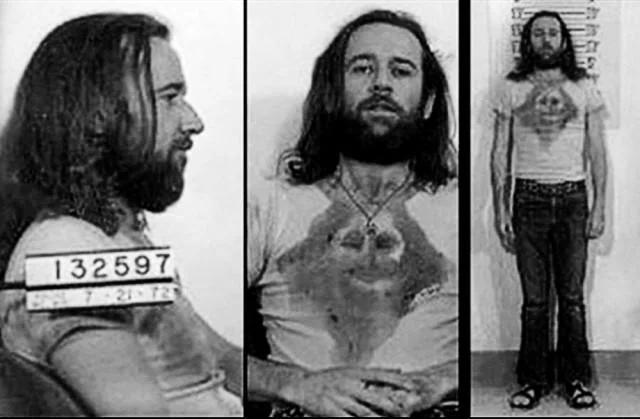
July 21, 1972, George Carlin was arrested for performing “Seven Words You Can Never Say on Television."

Post image
712 Upvotes

r/HistoryDefined • • 11d ago

Ex-slave John Barker with his dog at the porch of his home in Texas, 17 of July 1937.

Post image
110 Upvotes

r/HistoryDefined • • 11d ago

Ladies at the premiere of "Bwana Devil", the film that began the 1950s 3D craze. Promoting the 3d technology of the movie. 1952.

Post image
36 Upvotes

r/HistoryDefined • • 12d ago

Depiction of a drunken Sviatki procession by Peter the Great’s All-Joking, All-Drunken Synod, a fraternity of the Tsar’s friends whose guiding commandment was: “to get drunk every day and not to go to bed sober.”

Post image
9 Upvotes

Peter the Great is famous for modernizing Russia, founding Saint Petersburg and the Russian Navy, and dragging his country toward the West. He was also a prodigious drinker. Standing 6'8", bursting with energy, and famously irreverent, Peter surrounded himself with former tutors, soldiers, boyars, and foreign acquaintances whom he called his “Jolly Company.”

The group often gathered at the home of Swiss-born officer François Jacques Le Fort. Eventually, Le Fort’s modest house could no longer accommodate the growing crowd. In 1692, Peter funded an enormous extension: a beer hall capable of holding 1,500 people. All so the Tsar could drink and party with his friends.

At some point, these drunken gatherings evolved into something resembling a fraternity, complete with titles, rituals, and a hierarchy: The All-Joking, All-Drunken Synod of Fools and Jesters.

The exact origins are unclear, but the Synod emerged sometime during Peter’s early reign. The Synod was, in part, an elaborate parody of religious institutions. Peter took the comparatively lowly position of Deacon, while his former tutor and lifelong friend, Nikita Zotov, became the Kniaz-Papa, or Prince-Pope.

Gatherings began with a toast to the health of the members. Zotov drank water while everyone else drank vodka, kvass, or wine. He then blessed the group with the sign of the cross, using two long Dutch smoking pipes.

The members staged mock battles, earning themselves increasingly absurd titles. Boyar Ivan Buturlin became the “Polish King” after playing the role in one of their drunken war games. Fyodor Romodanovsky, head of the secret police, was so convincing as a ruler that he received the title “Prince-Caesar.” Peter even signed letters to him as “Your Majesty’s humble servant, Pyotr.” During negotiations with defeated Swedes, he reportedly introduced Romodanovsky as the Tsar.

Everyone had a title. There were Cardinals, Bishops, Archimandrites, Priests, and Deacons. Peter helped design elaborate ceremonies, rituals, and commandments, all revolving around drinking, debauchery, and general foolishness. The most important commandment was simple: “to get drunk every day and not to go to bed sober.”

Peter's brother-in-law, friend, and later ambassador to France, Prince Boris Kurakin, described the Synod's costumes and ceremonies in a letter. His account mentions a tin mitre, a costume decorated with playing cards, clay flasks in place of religious insignia, and a mock Gospel containing bottles of vodka. The festivities, he writes, revolved around “drunkenness, and fornication, and all kinds of brawls.”

The festivities weren't confined to Le Fort's beer hall. One of the Synod's biggest occasions took place during Sviatki, the traditional Russian Yuletide celebrations running from Christmas through Epiphany. The group took these existing festivities and added its own drunken theatrics.

On Christmas Day, the Synod paraded through Moscow, led by Prince-Pope Nikita Zotov. He wore a costume decorated with playing cards, a tin hat, and sat atop a barrel in a sleigh reportedly pulled by twelve bald men.

The procession carried crosses, mitres, and other ecclesiastical insignia, parodying an actual religious ceremony. Among the robed men was their enormous Tsar, red-faced, laughing, and singing.

The festivities continued throughout Sviatki, followed by another procession before Lent. This time, members dressed as penitents, wearing their costumes inside out and riding donkeys and oxen. Others traveled in sleighs pulled by goats, pigs, and even bears.

Eventually, the Synod expanded beyond Peter's original circle of drinking buddies. Noblewomen, government officials, the Tsar's mistresses, and even actual members of the clergy joined. Membership became something of a status symbol among the Russian elite, while also tying its members more closely to the Tsar.

If interested I explore the group here: https://aid2000.substack.com/p/hare-brained-history-vol-143-the?r=4mmzre&utm_medium=ios
r/HistoryDefined • • 13d ago

The Life and Legacy of Rachel Diana Ebanks (1931–2026) – A Caymanian Woman Remembered

Thumbnail
gallery
16 Upvotes

Rachel Diana Ebanks (1931–2025): The Life, Legacy and Memory of a Caymanian Woman

Remembering Rachel Diana Ebanks, affectionately known as Ms. Diana.

Rachel Diana Ebanks, lovingly known as Ms. Diana, was a Caymanian woman whose life was deeply connected to her family, her community and the island she called home.

Born on March 14, 1931, Ms. Diana lived through generations of change in the Cayman Islands. Her story is part of the wider history of Caymanian family life, community connections and the people who helped shape the character of their neighbourhoods.

Her Life on Thistle Lane

One of the most meaningful parts of Ms. Diana's story was her connection to Thistle Lane. This was not simply a road where she happened to reside. It was the neighbourhood where she spent her entire adult lifetime.

For decades, she was a familiar presence within the community. The people of Thistle Lane knew Ms. Diana, and her life became intertwined with the history and memories of the neighbourhood.

Her Contribution to the Cayman Islands

Ms. Diana dedicated more than 40 years of her working life to the Cayman Turtle Centre, formerly known as the Cayman Turtle Farm.

Her years of service represent an important part of her personal history and connection to one of Cayman's recognised institutions.

Her Family and Legacy

Beyond her working life and community connections, Ms. Diana was a mother, grandmother and great-grandmother whose family continues to remember and honour her.

Her legacy is carried through the memories, stories, photographs and family history preserved by those who knew and loved her.

Remembering Ms. Diana

Rachel Diana Ebanks passed away on August 31, 2025.

Her story deserves to be preserved beyond family photographs and personal memories. It deserves a place within the historical record of the Cayman Islands.

A person's legacy is not measured only by public titles or awards. Sometimes, it is measured by the years they spent in one community, the people who knew them, and the memories that remain long after they are gone.

May the name Rachel Diana Ebanks continue to be remembered.

This biography is shared as a family-led contribution to the preservation of Caymanian history and heritage.