r/JapaneseHistory • u/InternationalForm3 • 1d ago
The Obscure History of Japanese Sea Lords

8
Upvotes
r/JapaneseHistory • u/InternationalForm3 • 1d ago
r/JapaneseHistory • u/Yu_An_ju12 • 1d ago

Ik yall gonna say "but sutras at the time where expensive",but cmon dude it wasnt necessary to finnish the friendship for it in my opinion
r/JapaneseHistory • u/RoutineAway7059 • 1d ago
I heard some people saying that most Japanese are originally korean people, who immigrated to Japan , thousands years ago , or immigrated from china
r/JapaneseHistory • u/Grubbanax • 2d ago

Hello,
I am looking for more information on a person called Otogoro Inouye (1878-?) who lived in Brisbane, Australia from 1898 to at least 1923. He left Australia for his birthplace, Kumamoto, in 1919 and again in 1922.
He ran a laundry in Brisbane at 113 George Street and also lived in Toowoomba and Townsville at other times.
He married a woman called Pearl le Croft in 1910 and had two children to her who died soon after they were born.
His parents as per his marriage certificate are: Utaro Inouye and Tsuru Inouye.
I don't speak or read Japanese but I wondered how I could find information on Otogoro in the archives of Japan. I translated his name to 井上音五郎 to search online archives - is this translation correct?
thanks
r/JapaneseHistory • u/Grubbanax • 2d ago
r/JapaneseHistory • u/shinobischolar • 2d ago

This isn’t a new discovery. It’s a look at what the Edo-period sources actually say about the Hōjō clan’s “Fūma,” because the figure most people know from games and manga, Fūma Kotarō, doesn’t quite appear in them.
Source 1: Hōjō Godaiki (printed 1641)
The core of the story comes from the Hōjō Godaiki, written by Miura Jōshin (image 1).
Nowhere in this chapter does the name “Kotarō” appear. He is simply “Fūma.”
The author even admits he isn’t sure how to write the word. Some texts write rappa as 乱波, he says, “but the correct characters are uncertain.”
Source 2: Kamakura Kubō Kudaiki
The name “Kotarō” comes from a completely different book (image 2).
That’s about 140 years before the night raids at the Kise River.
Not even “Fūma”
In other words, at least in that edition, the Hōjō's "Fūma" was glossed with the same reading as the "Kazama Kotarō" of 140 years earlier. (Edit: a commenter rightly points out that Fūma is the standard reading; the gloss shows how this 1641 edition read the name, not necessarily how it was pronounced in the Hōjō era.)
Merged into one man in the 20th century
Treating the two as members of the same clan, and turning them into a single person called “Fūma Kotarō,” is said to be the work of writers and researchers in the 1930s. The spelling 風魔 (with the character for “demon”) is said to have come even later, after the war.
And the rivalry with Hattori Hanzō?
In games and manga, Kotarō is often Hanzō’s arch-rival. In the Tokugawa shogunate’s official genealogy, Hattori Masanari (Hanzō) is a spear-wielding commander who served Ieyasu. It records that he died in 1596 at fifty-five, but says nothing about how he died. I couldn’t find any record of the two ever fighting. The story that Kotarō killed Hanzō may simply be fiction filling that gap.
Strength of evidence
A question for anyone who knows: which 1930s work first combined “Fūma” and “Kazama Kotarō” into one person? I’ve only seen this attributed second-hand and would like to check the original.
Sources
I don’t read English. I researched and wrote this in Japanese from the sources above, checked it against the original pages, and translated it with AI.
r/JapaneseHistory • u/infidelthelemite • 3d ago
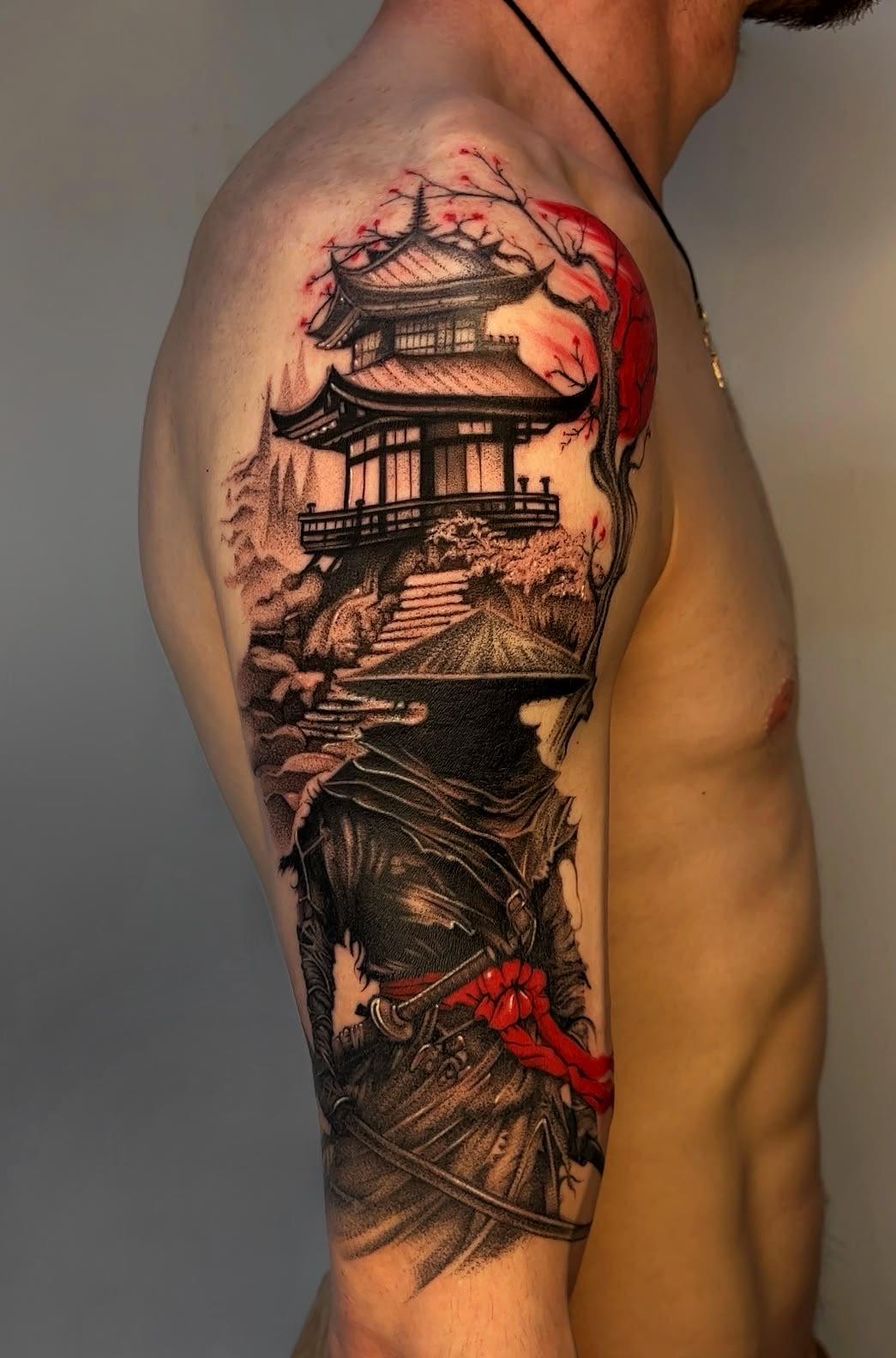
r/JapaneseHistory • u/Karendarai • 3d ago

ผมสนใจดาบที่มีชื่อ "นังกาโกะ" สลักอยู่ด้านหนึ่ง และ "..." สลักอยู่ด้านอีกด้านหนึ่ง (เพื่อเป็นการระลึกถึงวาระครบรอบ 2600 ปีแห่งการครองราชย์ของจักรพรรดิ)
ผมหาข้อมูลเกี่ยวกับช่างตีดาบที่ทำดาบเล่มนี้ไม่เจอเลยครับ อย่างไรก็ตาม ดาบเล่มนี้ถือเป็นเก็นไดโตะและมีใบรับรองจาก NBTHK ผมสงสัยว่าฝีมือช่างอยู่ในระดับไหน ทำไมพวกเขาถึงทำดาบเล่มนี้ ทำเพื่อใคร และทำจากเหล็กทามาฮากาเนะหรือไม่ ถ้าใครมีข้อมูลใดๆ โปรดแบ่งปันกับผมด้วยครับ
r/JapaneseHistory • u/RazzmatazzAccurate82 • 4d ago

Himiko is one of the most famous rulers in early Japanese history. However, we only know about her from Chinese sources. Japan’s own chronicles never mention her by name. So, what happened to her memory? I believe the answer lies in the Nihon Shoki’s treatment of Empress Jingū.
The Sources
The Records of Wei (Weizhi, late 3rd century) describes Himiko as a queen of Wa who ruled from a polity called Yamatai. She practiced a “way of spirits,” remained unmarried, and governed through a younger brother. She sent envoys to the Wei court in 239 CE and received the title “Queen of Wa, Friend of Wei.” She died around 248, and after a period of turmoil, a young female relative, Iyo (or Toyo), succeeded her.
The Nihon Shoki (720 CE) never names Himiko. However, in its chapter on Empress Jingū, the legendary regent who ruled after Emperor Chūai, the compilers insert interlinear notes quoting the Weizhi. Under Jingū’s 39th, 40th, and 43rd years, these notes record envoys between Wa and Wei: the queen of Wa sending envoys in 239 and 243, and Wei sending envoys to Wa in 240. In other words, the compilers knew the Chinese record of Himiko and lined up Jingū’s reign with hers. A further note under Jingū’s 66th year (266) quotes a later Chinese text about the queen of Wa, most likely Iyo, so Jingū’s reign actually stretches across both Himiko and her successor.
The Scholarship
That doesn’t mean Jingū is Himiko. True, there are parallels (a female ruler, oracles and spirit possession, and a male figure handling practical affairs, etc.). However, Jingū’s story also carries 4th-century Korean campaigns and later royal customs and culture. So, based on the evidence, I believe Jingū is best understood as a composite legendary figure anchored to Himiko’s dates.
A Power Struggle and a New Regime?
The Nihon Shoki deliberately grafted Himiko's dates onto Jingū. That much, I think, is well-supported. Some scholars think Himiko's line simply continued into later Yamato. But the Nihon Shoki (720) preserves her chronology without once naming her. In my mind that's strong evidence of a succession break, not just selective memory.
The Weizhi records “turmoil” after Himiko’s death. Though Iyo restored order, it shows rival factions already existed. Notably, the Shoki has Ōjin born in Kyushu, with Jingū then fighting rival princes to secure his throne in Yamato. To me, that sounds like a takeover dressed up as a legitimate succession. Additionally, this wouldn’t be the only seam in the Shoki’s “unbroken” line. The Shoki gives Sujin the epithet 御肇國天皇 (“first to rule the land”), paralleling Jimmu’s 始馭天下 ("first to ruled all under heaven"). Across East Asia (Taejo of Koguryo, Wang Geon of Goryeo, Yi Seonggye of Joseon) 太祖 / Tàizǔ (Taiso in Japanese) marks a dynastic founding. Japan’s court couldn’t use the temple name openly (that would imply operating inside the Chinese tributary framework), but it appears to me that the Shoki gives Sujin the functional Japanese equivalent.
Conclusion
Thus, I believe a rival line eventually took over and grafted its history onto Himiko’s. Rather than name a queen from the old regime, it gave her dates, and the prestige of her recognition by Wei, to its own (probably composite) matriarch: Jingū. That would explain why Himiko was never named in the Shoki. This is a personal inference, and a minority view, and I fully acknowledge that.
Most scholars see the graft as a chronological device rather than a political/succession one. However, a purely chronological device doesn’t explain why the compilers kept Himiko’s deeds and dates but erased who she was. Embarrassment over her Wei vassal title (親魏倭王) is one major explanation. But that explains suppression of her title better than suppression of her name and identity, and the compilers kept her friendly relations with Wei and dates intact. A change of regime explains both more parsimoniously.
I welcome discussion and pushback, especially from those who see the graft as purely chronological.
r/JapaneseHistory • u/Peirce-Consortium • 4d ago

Early Party Politics
The volume of Japanese publications is immense, yet the vast majority remain unknown abroad—and the field of modern Japanese history is no exception.
I have written an overview of various topics in modern Japanese history, incorporating excerpts from works by scholars in each fields. The text position is "notes written by a student."
I would appreciate your feedback—specifically:
—Is the text clear and easy to follow? Are there any parts that might be misunderstood?
—Do you have any comments on the content itself?
Please let me know your thoughts.
(Note: I have already contacted the respective publishers to obtain permission for the quoted paragraph.)
r/JapaneseHistory • u/MaverycHero • 6d ago
I’m looking for pictures and peer-reviewed information on real historical examples of Kunai the farming tool. I have looked everywhere and all the information I find is about ninjas and highly styled modern reproductions.
r/JapaneseHistory • u/ArtNo636 • 6d ago

r/JapaneseHistory • u/OkScientist9217 • 6d ago
Hello! I'm writing a story that takes place in the Heian Era of Japan.
The main characters include an outcasted rebel living in an abandoned mountain shrine and a servant woman that served a fictional high-ranking member of a military family that served the Fujiwara family.
What things about daily life or culture should I know? This story is fictional, but I want to make the time period feel as realistic as possible! What sorts of things would you include?
- this story will contain courting scenes and tsukimi and that sort of thing, but it will also have fighting and bloodshed
- the differences between the servants girl life at the estate with the high ranking family and her new life serving the rebel in the mountains will also play an important part in the story as she adjusts to this new life.
important
- this story is set in the Heian era but does not specify an actual time period within that era, it's more general and it does not take place during any specific emperors reign.
- the girl served the Sakanoue family, but there are no real historic people in this piece, it's just inspired by the era.
r/JapaneseHistory • u/Rigolol2021 • 7d ago
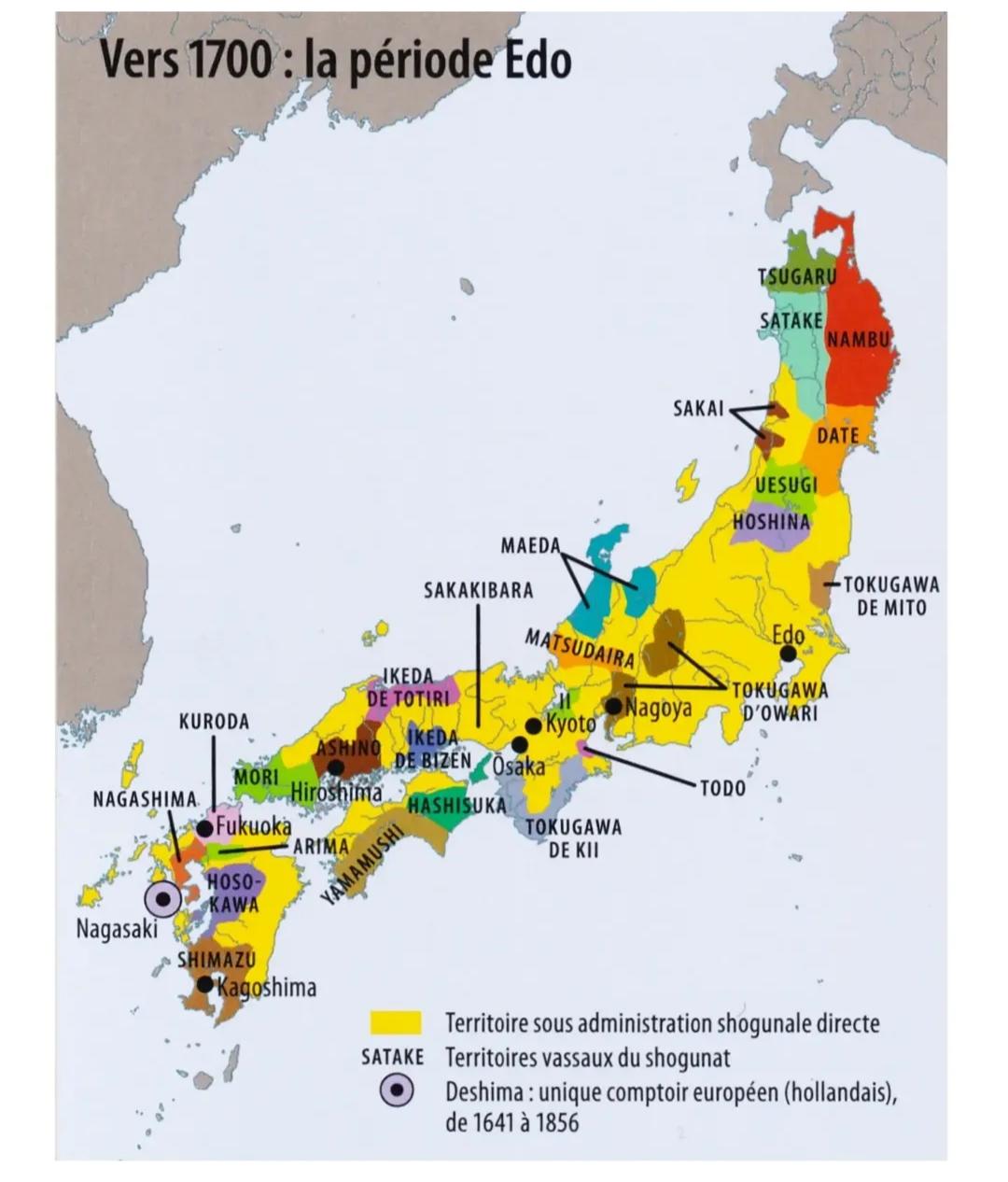
r/JapaneseHistory • u/dnldlny • 8d ago

Hello, I recently started making Japanese history videos and thought you might enjoy my latest. Thanks.
r/JapaneseHistory • u/nimofanKatana • 8d ago
r/JapaneseHistory • u/Available-Road131 • 8d ago
r/JapaneseHistory • u/shinobischolar • 8d ago

You often see this in ninja articles: Prince Shōtoku (574–622) used a man named Ōtomo no Hosohito as a "shinobi" (志能便), and this was Japan's first ninja.
I wanted to see what the official chronicle of Shōtoku's own time actually says, so I checked the Nihon Shoki in the National Diet Library Digital Collections.
[Image 1]
「秋九月辛巳朔戊子。新羅之間諜者迦摩多到對馬。則捕以貢之。流于上野。」
"A spy of Silla named Kamata (迦摩多) came to Tsushima. He was caught and sent to the court, and exiled to Kōzuke (modern Gunma)."
- 間諜者 ("spy") is glossed ウカミヒト (ukamihito), roughly "a watcher, one who spies out."
- The same year, Shōtoku begins building his palace at Ikaruga, envoys are sent to Goguryeo and Baekje about Mimana, and the court discusses attacking Silla. The next year, an army of 25,000 under Prince Kume is sent against Silla.
- So this spy turned up just before a war with Silla, and he was caught.
2. The Koji Ruien, a Meiji-era encyclopedia (c. 1906)
[Image 2]
Its military section has an entry for 間諜 (spies). The entry says spies are also called 間者, 諜者, and 忍者 (ninja), and mentions the men of Iga and Kōka, and the suppa and rappa, as the same kind of people.
The first example it cites is this Nihon Shoki entry about Kamata. Ōtomo no Hosohito does not appear on this page.
3. When does "志能便" appear?
I searched the NDL full text for 志能便. The earliest hits that tell the Shōtoku / Hosohito story are from 1958 (a magazine and a travel book). By the 1960s, books were calling Hosohito "ninja number one."
What this shows
- The one "spy" recorded in Shōtoku's time is not a Japanese shinobi. He is a captured agent from Silla.
- A Meiji-era encyclopedia, which already counted ninja as a kind of spy, started Japan's history of spies with this entry, not with Hosohito.
- Within what I found, the Hosohito story spreads in postwar books.
Caveats
- The Nihon Shoki was finished in 720, over a century after these events, and its Shōtoku passages have long been suspected of embellishment.
- Edo-period handwritten books (including ninjutsu manuals) are not covered by the NDL full-text search. The Hosohito story may come from one of them.
- The text doesn't say what Kamata was trying to do.
How strong is the evidence?
- Strong: the Suiko 9 entry about Kamata (checked in the original text).
- Medium: the Koji Ruien puts this entry first under "spies" (checked).
- Weak: that the Hosohito story spread after the war (based on full-text search only).
Does anyone know the earliest source for Ōtomo no Hosohito as Shōtoku's "shinobi"? I'd like to trace it further back.
Sources (National Diet Library Digital Collections)
- 『六国史:国史大系』日本書紀,経済雑誌社,大正6. https://dl.ndl.go.jp/pid/950693 (参照 2026-11-15) — frame 232
- 神宮司庁古事類苑出版事務所 編『古事類苑』兵事部3,神宮司庁,[明39]. https://dl.ndl.go.jp/pid/897726 (参照 2026-11-15) — frame 15
I found and checked the original texts myself in the NDL Digital Collections. I used AI (Claude) to help read the old Japanese and to translate my draft into English.
r/JapaneseHistory • u/Peirce-Consortium • 9d ago

Hello. We are a small group called the "Peirce Consortium" in Tokyo.
— Our goal is to organize modern Japanese history based, as much as possible, on factual evidence.
: The period we cover spans 100 years, from 1850 to 1950.
— We have defined a format—which we call "Peirce"—designed to present a single topic within one or two A4 pages; it is concise enough to be read in under 10 minutes.
— As this is an introductory post, we are sharing a "mapping" of the "Peirce" had written in the 2025 fiscal year.
— We aim to publish new one entry per month. We would be very encouraged to receive questions from you!
— If your questions help us identify any errors, we will make corrections and republish the updated "Peirce" entry at a later date. : The number at the end of the serial number indicates the revision count.
The first one is scheduled for November 20th.
We look forward to your interest.
Best,
r/JapaneseHistory • u/PTCarnahan • 9d ago
r/JapaneseHistory • u/Living-Fail500 • 10d ago

r/JapaneseHistory • u/Demot13 • 10d ago
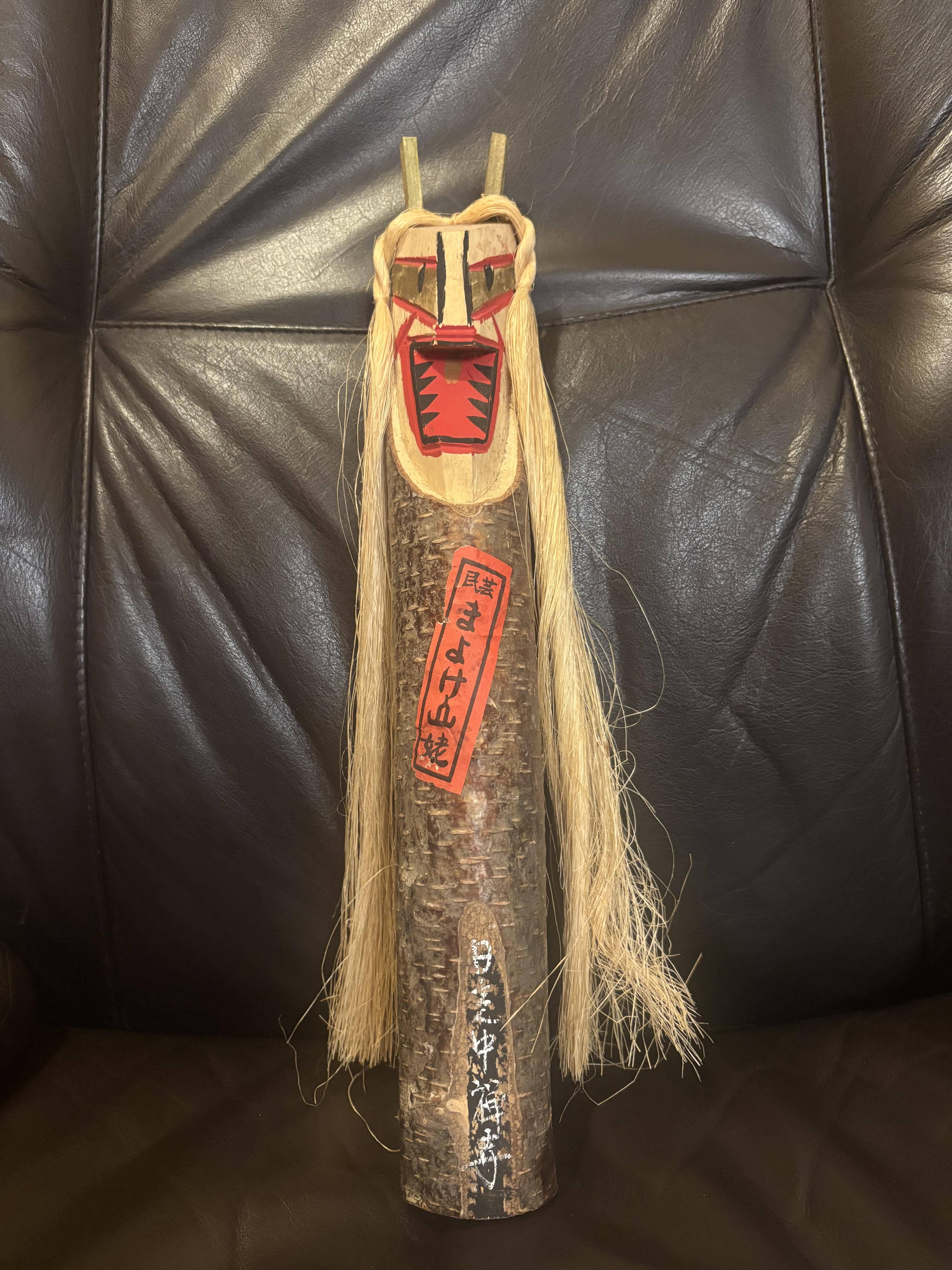
Hello!
I found a handmade Mayoke in a small shop in Nikko, depicting Yama-uba, a witch from Japanese folklore.
From what I understand, a Yama-uba Mayoke is a protective charm traditionally placed at the entrance of a house to ward off evil and keep the home safe.
Could anyone confirm whether this is correct? Does anyone own one or have you ever come across a doll like this? I'd also love to hear any additional information you might have! 😁
Thank you!
r/JapaneseHistory • u/hoffnarr • 10d ago
This page, created primarily for students using mainly English as their research language, has two sections: useful links to online resources at the top and then a database of over 4,000 open access primary sources on modern Japan with links
https://froginawell.net/reference/modern-japan/
Seperate pages for Taiwan, Korea and others on Frog in a Well.
r/JapaneseHistory • u/nimofanKatana • 10d ago

r/JapaneseHistory • u/SnakebiteCafe • 10d ago
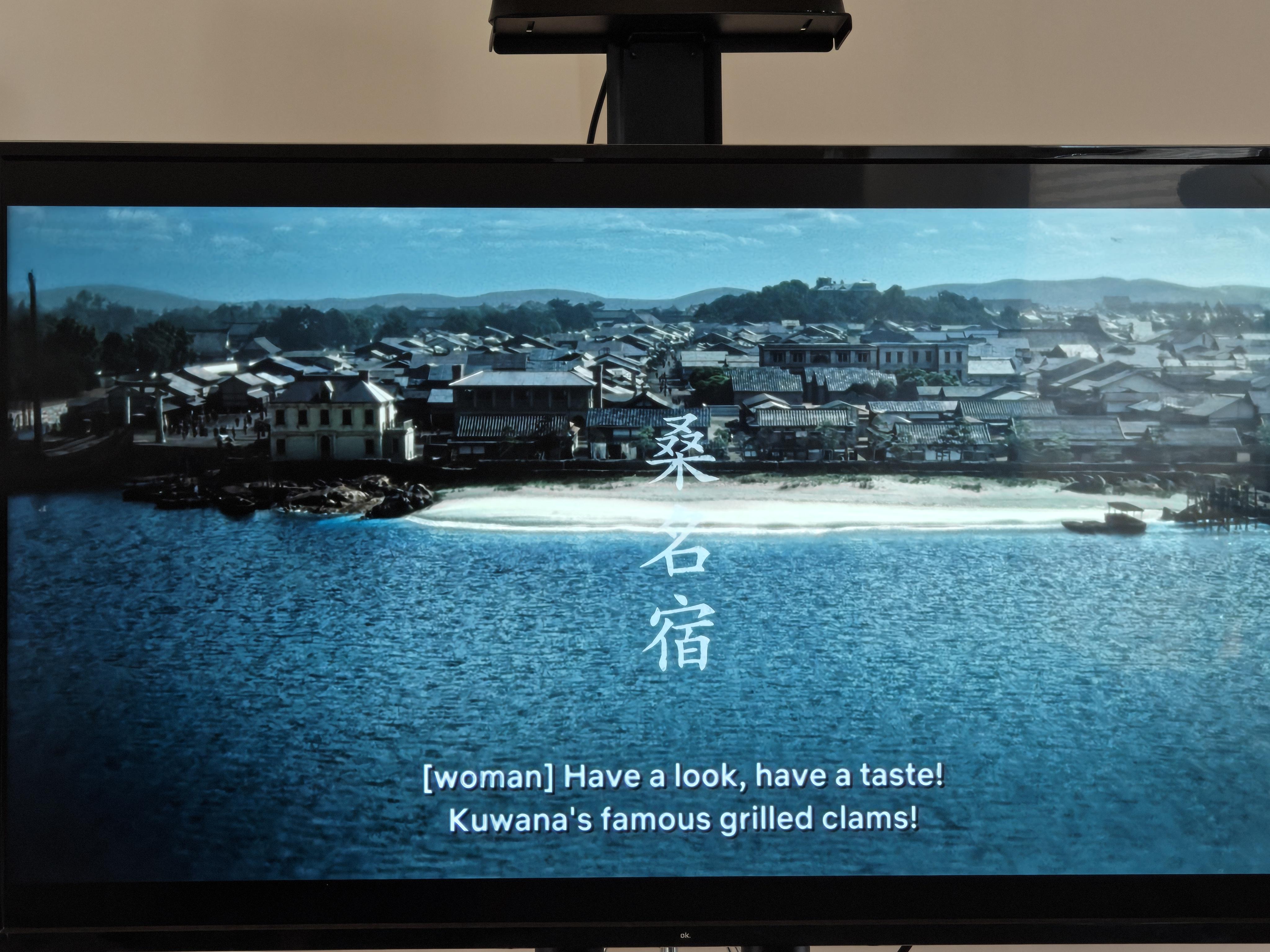
The establishing shots of Japanese towns in Last Samurai Standing are really gorgeous. Is there a collection somewhere of old photographs establishing similar views? Aerial or otherwise?