TLDR: Build it to Hayes, and the opposition's arguments aren't solid enough.
Bit of a long word salad here, but I've been reading a bit of discourse online about the second phase of the Bakerloo Line Extension to Hayes/Beckenham Junction, and honestly after looking at the situation, I genuinely think it needs to happen and I don't get the opposition. Obviously this analysis assumes the first phase to Lewisham will happen (which is looking optimistic) and the Bakerloo Line gets the 2024 Stock or a variation of it. I will say that the extension, according to TFL, is still very popular, but just not universally so, like the rest of the BLE. Anyway, here's my piece:
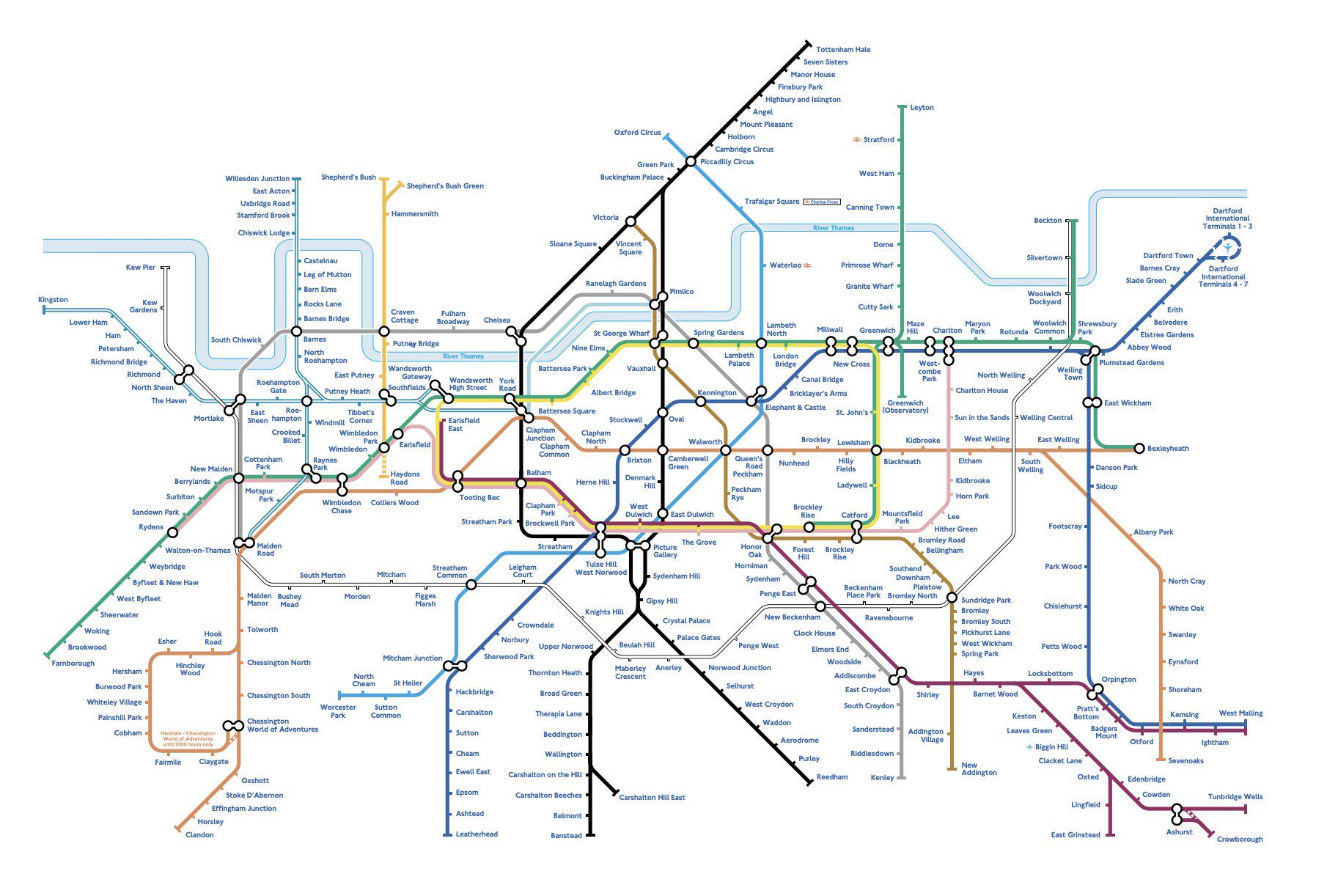
When I was looking at the Hayes Line, I realised something odd about it: It's literally one of the only National Rail Lines (discounting the Overground) that is a) Completely isolated from the rest of the network (south of Lewisham at least), and b) is wholly within Greater London. With no freight capacity or diversion usage, its pure role is for commuter traffic solely. Which means the line is of no use to Network Rail or Southeastern, who can only use it to run its current service of 4tph, which given it uses space at a mainline terminus, can't be increased much. Such examples of lines have been taken over by the tube before as well (see both ends of the Central Line, Northern Line to High Barnet or District to Upminster as examples), and given the location of the new depot built for the extention near enough is just north of Ladywell, it very easy to do from a planning and engineering perspective.
But I have heard many objections to it, and honestly, I don't really get them. Looking at them:
London Bridge: So this is brought up the most and it's fair because the direct service would be lost. But I don't think this is as big of a deal as it's made out to be. London Bridge is technically considered the most common endpoint for commuters on the line, but that doesn't really tell the full story. Firstly, it's one of the only main terminus end points, so it wins that by default. Secondly, that doesn't account for passengers changing to the tube. The Bakerloo Line connects with the Jubilee Line at Waterloo and the Northern Line Bank branch at Elephant & Castle, the latter of which is in the process of getting a massive capacity upgrade. And even then, there could still be alternatives to get to the final destination. For example, Canary Wharf can be accessed via the DLR at Lewisham, which is technically possible now, but at only 2tph stop at Lewisham compared to the estimated 12, so this makes that journey more attractive, all whilst avoiding Zone 1. Or say the West End, which would now have a direct service. Even for London Bridge itself, changes can still easily be made at Lewisham, New Cross Gate, E&C, or Waterloo with frequent services. It might suck at first, but I reckon it's a worthy and not really problematic sacrifice.
Speed times to Charing Cross: I believe TFL has stated that with the 2024 Stock, it would actually be quicker to get to Charing Cross on the Bakerloo than the main line. That stock is built for fast acceleration and for going through many stops quicker, in a way that some of the SE trains aren't as good at. And that's just the journey itself, coupled with an uptake in frequency, the dwell time is drastically shorter on average.
Less Capacity/smaller trains etc.: I think the uptick in frequency solves these problems, and it's still a London commuter service, which I'd say belong more on the tube. For example, no one is requesting the Central Line to Epping becomes a main National Rail Line.
Cost: I mean that's the case with every infrastructure project, but most of the cost on this section will come from 4th rail electrification, and refurbishing the stations, including with step free access. And the line could do with it. At what it offers, including as part of the core of the BLE, it's worth it in the end.
And then the positives vastly outweigh it:
Currently, at 4tph, the line has a really sparse service for an outer London commuter line. For contrast, Morden on the Northern Line gets 20, and Epping gets 9 and that's not even in Greater London. I believe TFL's plans would hope to increase this to 12tph, which is about average for outer branch lines. This not only increases frequency, but also capacity, and can allow for additional development around the stations too, in addition to giving the existing stations a refresh. And the locations it opens up also helps too, including the West End, connections to most tube lines within Zone 1, and connections to two London termini in Marylebone and Paddington, the latter including the Elizabeth Line and Heathrow Airport. Compare that to just London Bridge, Waterloo and Charing Cross (the latter two of which are still served), it's night and day by available destinations, and connects it way better to the existing network.
There's also the case of the rest of the Southeastern network. Losing Hayes means freeing up Charing Cross and London Bridge for more Southeastern communter services, and can also help with overcrowding at London Bridge too, which is a major issue currently. Much better I reckon to redirect some of that crowd flow either to Elephant & Castle, which is getting new capacity, or keeping people on the train in one go to their destination
Also before someone mentions is, running both is not a good idea, and TFL has ruled it out. It won't free up Charing Cross/London Bridge for other SE services, it makes step free access nearly impossible, and the amount of trains you'd be able to run would vastly decrease. It only happens at the northern end of the Bakerloo Line because it was already like that, and the alternatives are just not really feasible. Just keep the line with London Underground and let Southeastern focus on the big stuff.
In conclusion (or if you didn't read the whole thing), it needs to happen with the rest of the extension, and I think the negatives are vastly overshadowed by the positives. But I am willing to listen to opinions.