r/MicrosoftFlow • u/HashTurns • 10d ago
Discussion What B2B workflow automation stack are you building for 2027.
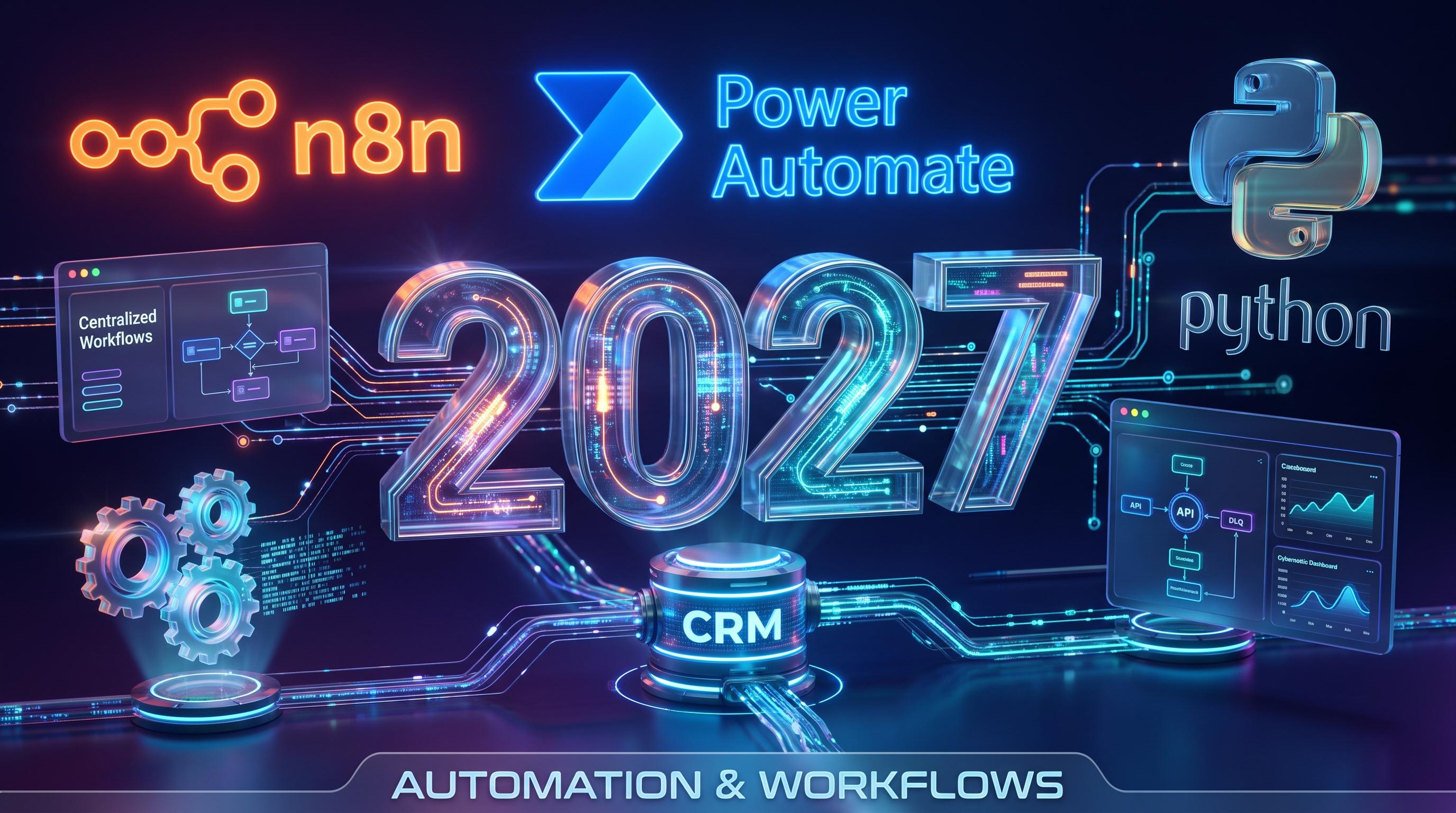
A lot of agency owners are already locking in their 2027 operations. Most teams are still wasting hours on manual data entry and lead generation. We are seeing a massive push to fix this before the new year.
At our agency we are moving clients away from scattered Zapier setups and building centralized systems. We are focusing heavily on custom API integrations, smart error handling, and automated web scraping to feed CRMs directly. Buyers are already searching for reliable workflow automation to scale next year instead of just playing whack a mole with broken flows.
What specific operational bottleneck are you trying to eliminate before 2027 hits? Are you looking into n8n Power Automate or custom Python setups?
3
u/NavaFlow2000 10d ago
From the workflow side: the bottleneck we keep seeing isn’t the integration layer. It’s that nobody wrote down the process before automating it. Teams wire up Zapier, n8n, or Python scripts around how they think work moves. Then the first exception shows up (a missing field, an approval that sits for a week, a record that has to be corrected after the fact), and the flow either breaks or quietly does the wrong thing.
What’s helped most for the teams we work with (mostly government records and case workflows, where audit trails aren’t optional):
On n8n vs Power Automate vs custom Python, I’d pick based on who has to maintain it in a year. Power Automate makes sense if you’re already deep in M365 and your citizen developers will own it. n8n is great if you have someone technical who wants flexibility without starting from scratch. Custom Python gives you the most control, but it’s also the easiest way to end up with a system only one person understands.