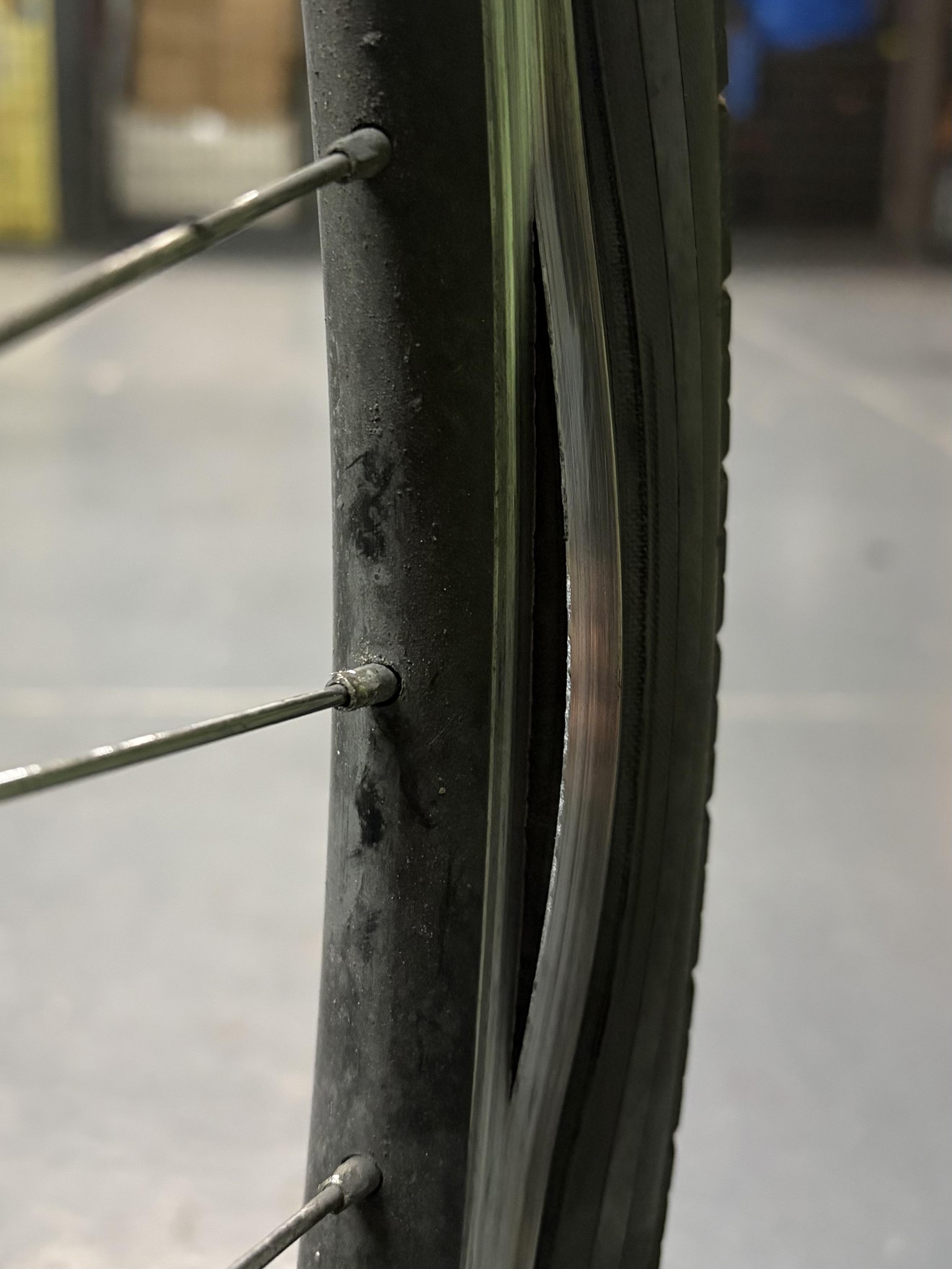
With the new $3.65 cap on Citi Bike e-bike rides, I've been thinking about the unintended safety consequences of making e-bikes more accessible without addressing rider education and accountability.
I'm generally supportive of making biking more affordable and accessible in NYC. But I'm increasingly concerned about how many people use Citi Bike e-bikes simply because they're a convenient way to get around, without necessarily knowing traffic laws or even having much experience riding bicycles.
The issue isn't just bikers deliberately disregarding traffic laws. It's also people who don't know them, don't understand how to operate a bike safely, or underestimate how much more dangerous an e-bike can be when operated improperly.
For example: knowing how to anticipate stops, brake progressively rather than abruptly, maintain control at higher speeds, and navigate around other cyclists and pedestrians are basic cycling skills. But someone can hop on a Citi Bike e-bike with little or no experience, immediately accelerate to 15mph, and share the road with everyone else.
There's also the concern of people choosing Citi Bikes as a convenient way home after a night of drinking, potentially operating them while impaired. Which I've seen happen often.
I personally know three people who have been involved in accidents with Citi Bike e-bikes, including:
- One incident where an e-bike rider caused approximately $1,500 in damage to a car.
- Another where an e-bike rider did a hit and run: crashed into a woman on a regular bicycle, broke her collarbone, and left her with approximately $2,000 in expenses.
- Have had e-bikes crash into my bike when riding
In 2 incidents, the riders fled the scene. When Lyft was contacted, it offered no meaningful assistance. In the incident involving the broken collarbone, Lyft was given the time and location of the accident and had access to trip/GPS records, but refused to help identify the rider.
Citi Bike is a centralized rental platform. Lyft has access to trip records, user accounts, and mechanisms to restrict riders from using its service.
I'm not suggesting Lyft should be automatically liable for every reckless rider or freely disclose riders' personal information. But there should be meaningful procedures for investigating serious incidents, preserving trip records, cooperating with law enforcement, and suspending riders responsible for dangerous behavior.
If NYC is going to encourage greater e-bike adoption, shouldn't there also be corresponding investments in safety education, enforcement, and accountability?
I'm curious whether others have experienced similar issues:
- Have you had accidents or close calls involving inexperienced or reckless Citi Bike e-bike riders?
- Have you noticed riders who seem unfamiliar with basic cycling skills or traffic laws?
- If you've reported an accident to Lyft/Citi Bike, how did they respond? Were they helpful?
- Does anyone know whether Citi Bike actually suspends or bans riders for dangerous behavior?
I'm planning to write to Citi Bike/Lyft, NYC DOT, and the mayor's office about improving rider education and accountability, particularly as e-bike ridership expands.
I'd be interested in hearing firsthand experiences, especially from people who've been injured or tried to get assistance from Lyft after an accident. I'd like to understand whether these are isolated incidents or evidence of a broader problem.