r/Naturewasmetal • u/Dr-David-XIII • 6h ago
r/Naturewasmetal • u/Any-Syllabub8282 • 1d ago
This Tiny Shrimp Hits Like a Bullet? đŚ
r/Naturewasmetal • u/Penguin-11681 • 1d ago
The Largest Animal From Every Period
Credited to the Owner: https://youtu.be/yLtz7G2e0cI?si=wTR9YXVQHZBVNL61
r/Naturewasmetal • u/aquilasr • 1d ago
An amicable greeting between an Acrocanthosaurus and its mate returning with prey (by TaliMonsters)
r/Naturewasmetal
•
u/Iamnotburgerking
•
2d ago
Hatzegopteryx, the mightiest predator to ever grace the skies
r/Naturewasmetal
•
u/Ge0s_psiptus
•
2d ago
A tiny Catopsbataar lunges over a Gobivenator, by me
r/Naturewasmetal • u/Hopeful_Lychee_9691 • 3d ago
Langenberg Quarry by Joschua KnĂźppe
r/Naturewasmetal • u/Chill-guy771 • 3d ago
Vasuki indicus, one of the largest snakes to have ever lived
artwork: hodari nundu
i think many people already know about this one
So vasuki indicus is one of the largest snakes to have ever lived, it was a semi aquatic ambush predator that used rectilinear locomotion and had a unknown diet( possibly opportunistic), since we have no skull yet we donât know about its diet
it had a length estimated of 10.9-15.2 meter range, though the actual animal ( based on bone dimensions comparison with gigantophis suggest the real animal was likely somewhere in 13.6-14.2 meter) and had a body diameter of 44cm, from the same site where vasuki was discovered ,a mid trunk vertebrae was founded ,the bone dimensions are larger then any prehistoric snake( excluding vasuki and titanoboa), and the centrum length of this specimen is larger then the centrum length of vasuki by over 5mm, though vasukiâs bone Width is bigger than the unnamed madtsoid suggesting vasuki was heavier and masculine while the other madtsoid was leaner and potentially longer then vasuki due to having more vertebrae segment, and it had 7 different anatomical differences compared to vasuki while still having some famillar traits shared with vasuki, which is either the madtsoid was the opposite sex of vasuki or a second species to the vasuki lineage( a sister ), was co existing with vasuki at the same habitat
r/Naturewasmetal • u/AramRex • 3d ago
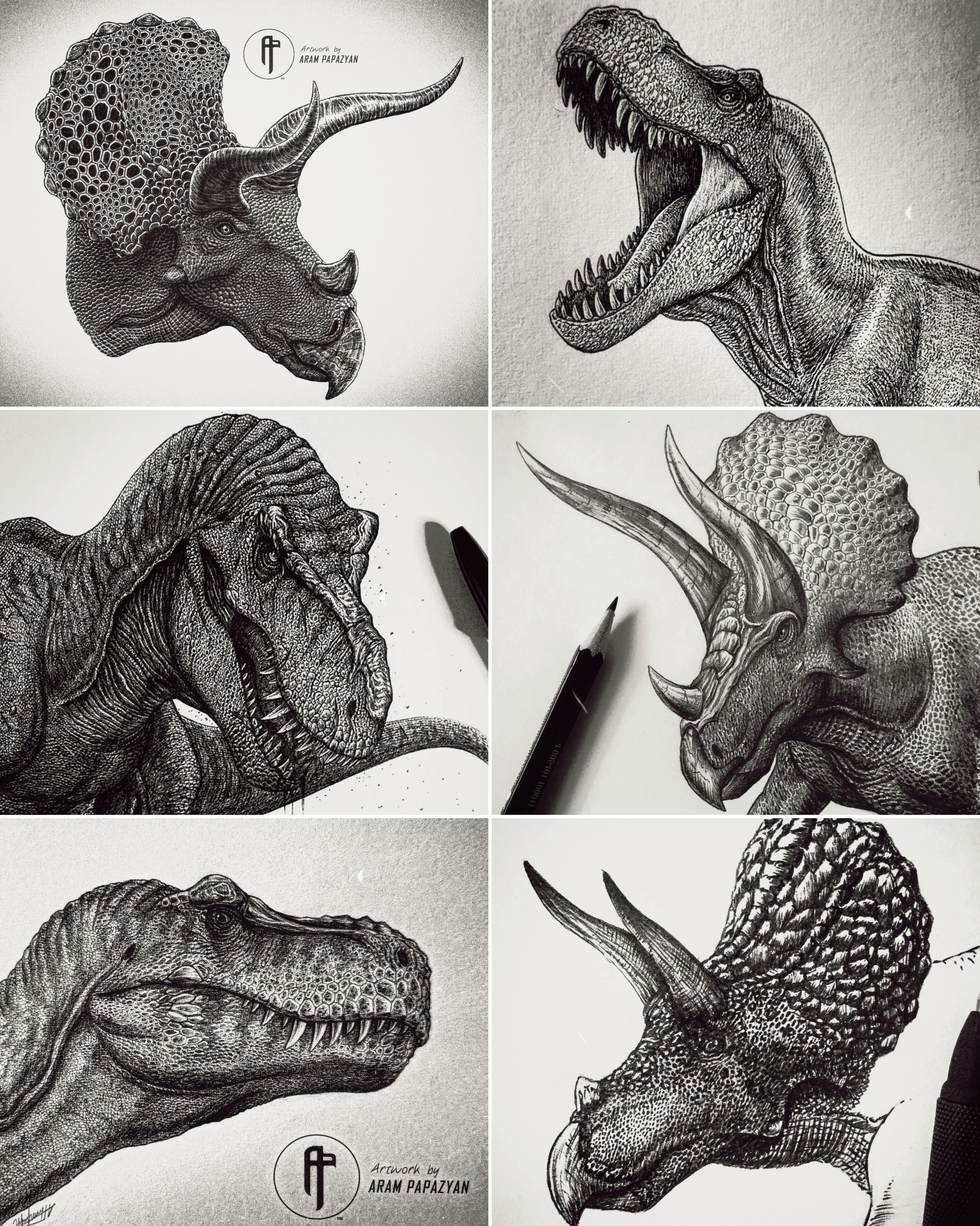
Two of the greatest animals to have ever lived. Change my mind. Artworks from 2017 - 2025
r/Naturewasmetal • u/aquilasr • 4d ago
Some extinct members of the tortoise family (by artbyjfc)
r/Naturewasmetal • u/aquilasr • 6d ago
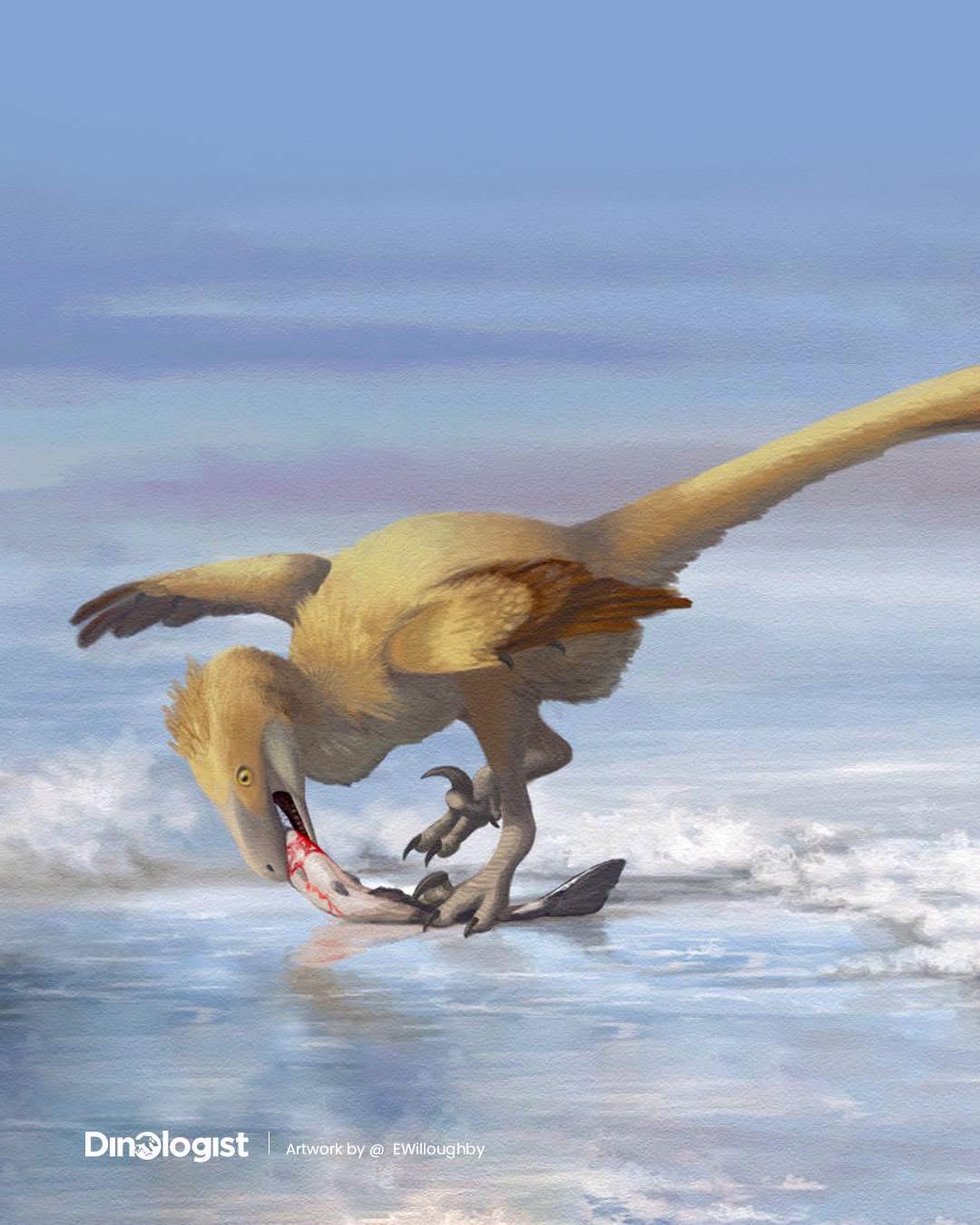
A well feathered Deinonychus opportunistically snatches a fish (by E. Willoughby)
r/Naturewasmetal • u/Ornery_Television_53 • 6d ago
Tapiroprotodon
Marsupial Tapir
r/Naturewasmetal • u/Fearless-East-5167 • 6d ago
Size comparison between Megalodon and orca..
Credits to:joli aqualslander from X....
r/Naturewasmetal • u/Mamboo07 • 7d ago
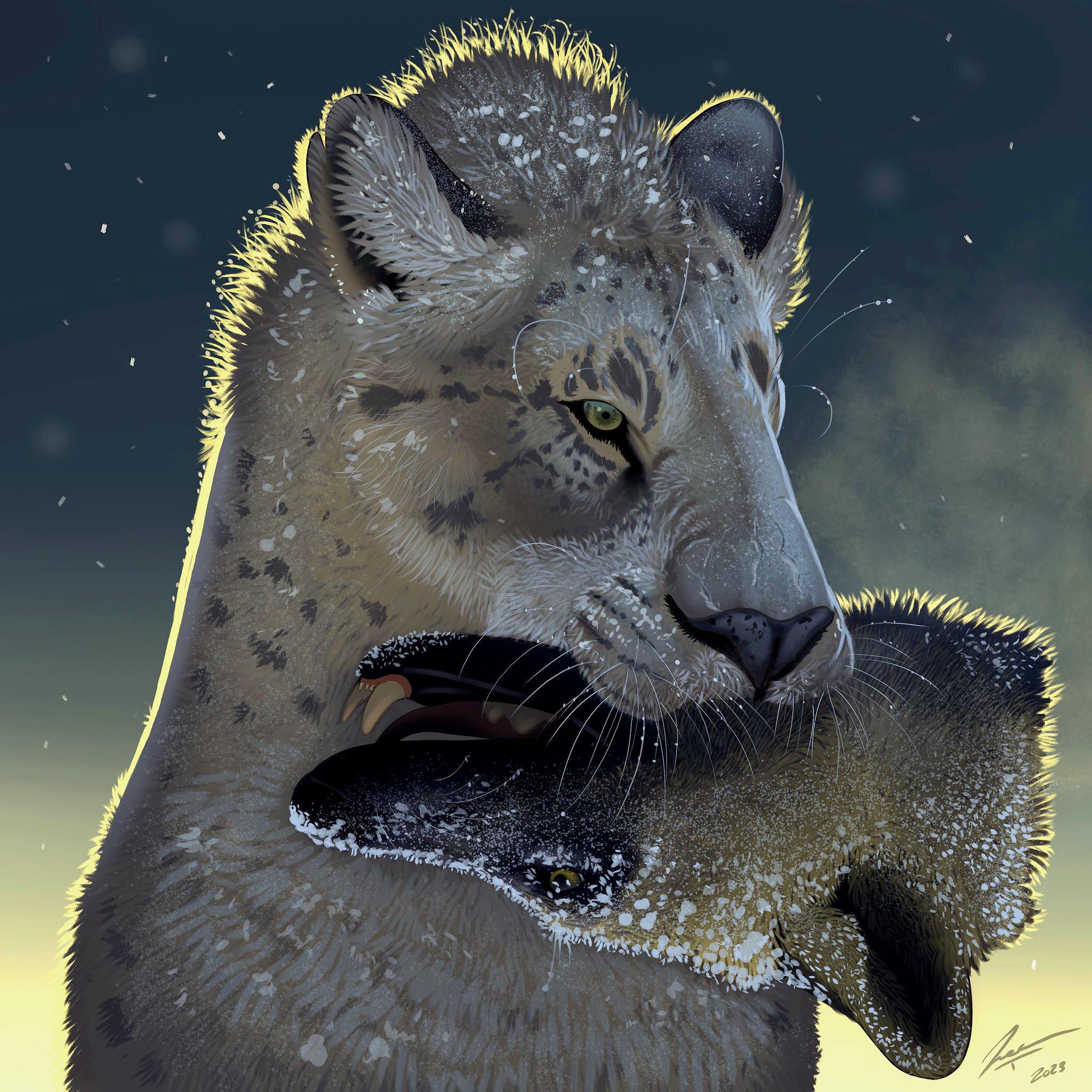
Somewhere in Miocene Europe, the fossa-sized genet Semigenetta and the mustelid Trocharion have decided to team up and hunt together instead of fighting, perhaps upping their odds of survival in a dangerous world⌠(Art by HodariNundu)
r/Naturewasmetal • u/Upstairs_Metal_8136 • 7d ago
Prestosuchus chiniquensis skeletal edit v2: Added mass estimate, added etymology, and GDI
Prestosuchus chiniquensis is an extinct species of pseudosuchian.
(For more info, check my main post about Prestosuchus.)
r/Naturewasmetal • u/Sauroarchive • 7d ago
Morrison Formation Sauropods - Illustration commissioned by The Dinosauria Project [O.C]
Illustration commissioned by The Dinosauria Project, a modding and creative team within the Path of Titans community, which celebrated its 5th anniversary this week!
The artwork features three sauropods from the Morrison Formation, which coexisted during the Jurassic and have already been released in the game by the team: from left to right, Camarasaurus, Brachiosaurus, and Diplodocus. Also featured are smaller dinosaurs that will be added to the game by the mod team in the future: Gargoyleosaurus, Dryosaurus, and Allosaurus.
Beyond their differences in scale, it's interesting to observe some of their dietary differences: the imposing Brachiosaurus feeding on towering Araucariaceae, the massive Camarasaurus browsing on gymnosperms from the family Ginkgoaceae, and the long-bodied Diplodocus grazing on Equisetales among the low-growing vegetation.
I'm grateful for the opportunity to create this artwork and wish The Dinosauria Project continued success, as well as all the best to the entire community of this wonderful prehistoric-themed game!
r/Naturewasmetal • u/SetInternational4589 • 7d ago
New Book Announced:- Fossil Treasures from the Burgess Shale The Flowering of Cambrian Life (July 2027)
Fossil Treasures from the Burgess Shale The Flowering of Cambrian Life (July 2027)
By: Jean-Bernard Caron
The new titles are coming thick and fast and at last an up to date book on The Burgess Shale!
Publishers blurb:-
The Burgess Shale in the Canadian Rocky Mountains offers an unmatched glimpse into early animal life. At 508 million years old, its exceptionally well-preserved fossil communities are some of the oldest on Earth and one of the most important palaeontological resources for deciphering the extraordinary expansion and diversification of life during the Cambrian explosion. Infused with the latest scientific discoveries, this richly illustrated book provides an accessible description of a remarkable geological site and its fossils. At its heart is a survey of over 175 species, brought to life through beautifully detailed photographs and scientifically accurate artistic reconstructions of the organisms. The fossil groups are structured around the major branches of modern animal life, providing readers with an intuitive guide into their evolutionary relationships. This stunning book will appeal to anyone interested in natural history and the dawn of animal life, as well as students and researchers in palaeontology and evolutionary biology.
Contents
Dedication
Foreword
Preface
Acknowledgements
- The Burgess Shale today and its significance
- Parks Canada: history and stewardship
- History of research: over a century of discovery
- Geological background: the making of the Burgess Shale
- The Burgess Shale communities: life in the Cambrian seas
- An introduction to the tree of animal life
- Fossil chapters: an evolutionary journey
- Index
- References
360 pages hardback
r/Naturewasmetal • u/ExoticShock • 8d ago
A Pack Of Dinocrocuta yingliangi Hunting A Tusked Rhino In The Liushu Formation of Late Miocene China by SomniosusW
Original Paper recently released disclosing the species:
https://drive.google.com/file/d/1XP-hLmtfgWHO0Q3ccEG54hEdh8tf-EYI/view
r/Naturewasmetal • u/aquilasr • 8d ago
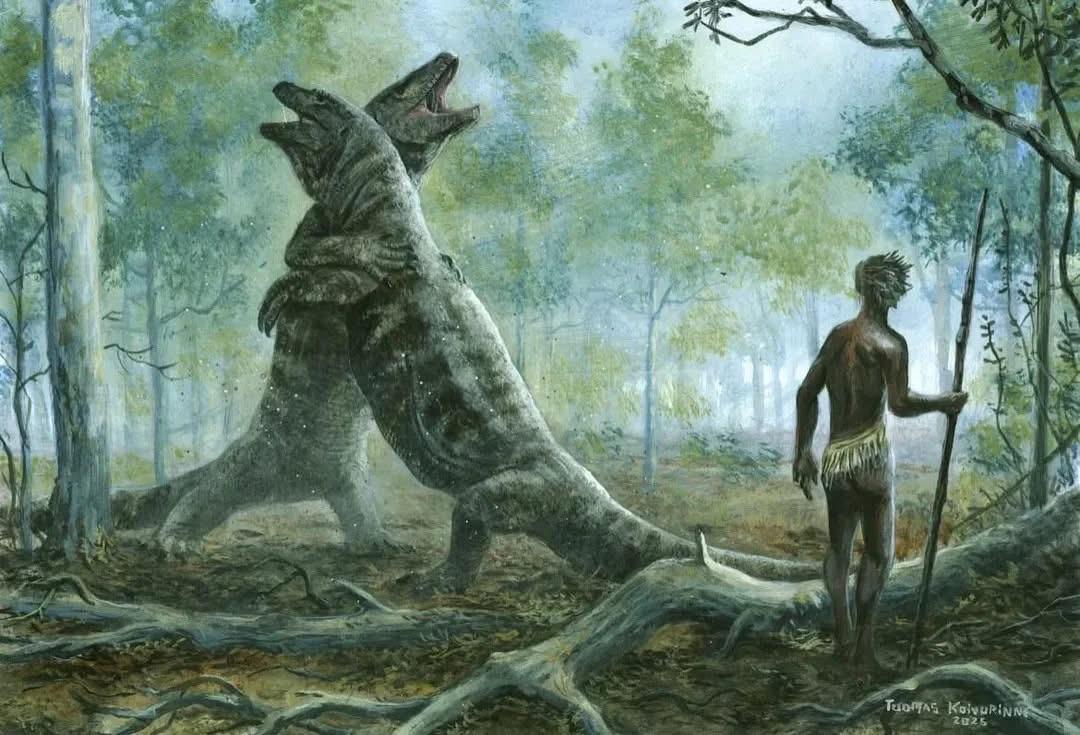
Dragons of Pleistocene Oz: an indigenous Australian comes across two megalania fighting (by Tuomas Koivurinne)
r/Naturewasmetal • u/SetInternational4589 • 8d ago
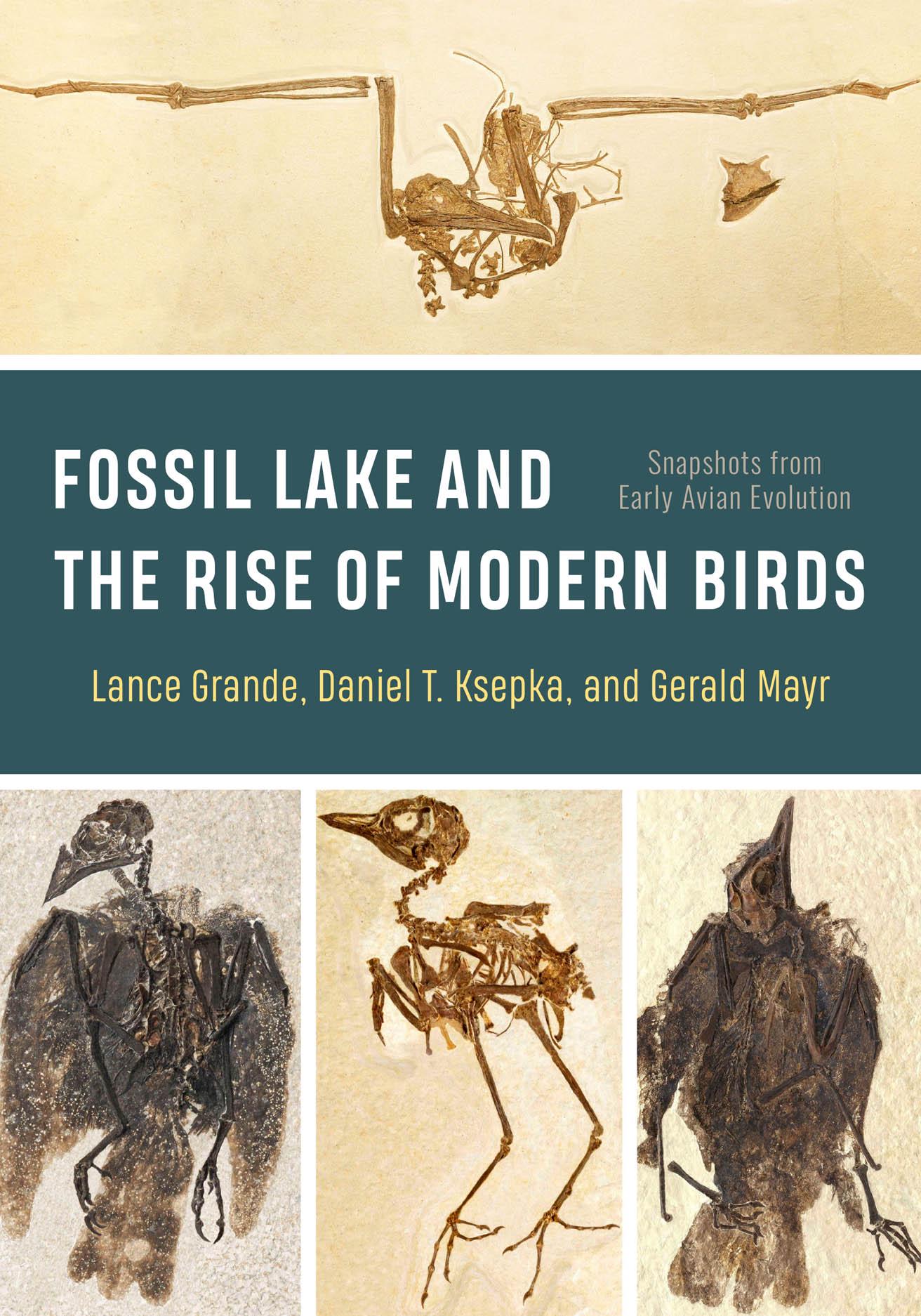
New book announced: - Fossil Lake and the Rise of Modern Birds by Lance Grande, Daniel T Ksepka, and Gerald Mayr.
Publication Date April 2027
Publishers blurb:
Lavishly produced with color fossil photographs throughout, the first comprehensive summary of findings at one of the worldâs best fossil bird localities, offering profound insight into early avian evolution after the end-of-Cretaceous extinction event.
What is today a high mountain desert in southwestern Wyoming was, 52 million years ago, a magnificent subtropical lake system. Part of the famed Green River Formation, the limestone layers of this regionâs Fossil Lake provide an unparalleled record of life in the Early Eocene of North America. Evolutionary biologist Lance Grande has spent much of his career collecting and studying the beautiful and diverse assemblage of fossils from this locality. Since his 2013 book, The Lost World of Fossil Lake, researchers have uncovered many new fossil bird specimensâoften stunningly preserved skeletons, sometimes even including feathersâand benefited from significant advances in our understanding of avian evolution. Their findings help to illuminate the early days of bird life on Earth.
In this volume, Grande and his collaboratorsâpaleornithologists Daniel T. Ksepka and Gerald Mayrâexplore these birds of Fossil Lake, where various researchers have formally named and described thirty avian species. The authors also present an additional twenty possible new species awaiting further study and formal review, birds that may soon be added to that list. Fossil Lake and the Rise of Modern Birds then places these avian ancestors within the global context of other fossil birds. Like Grandeâs previous publications, this comprehensive work features stunning imagery, including nearly two hundred detailed fossil photographsâfifty that have never appeared elsewhere.
Whether you are an ornithologist, paleontologist, evolutionary biologist, or amateur fossil enthusiast interested in the early evolutionary diversification of modern birds, this book is a treasure.
304 pages | 138 color plates, 27 halftones
Available for pre order Chicago University Press
r/Naturewasmetal • u/SetInternational4589 • 8d ago
New book announced: The Princeton Field Guide to the Ice Age by Emily Lindsey and Matt Davis Illustrated by Gabriel Ugueto
The churn of books from Princeton University Press continues! Latest title announced is Princeton Guide to the Ice Age. Due April 13th 2027 272 pages long and best of all artwork by the very talented Gabriel Ugueto.
This is the publishers blurb:-
The Pleistocene Epoch, known as the Ice Age, saw the rise of many iconic and charismatic species, from Saber-toothed Cats to Woolly Mammoths. It also witnessed one of the most dramatic extinctions in Earthâs history, as climate change and a new, bipedal primate speciesâhumansâchanged the structure of Earthâs ecosystems forever. The Princeton Field Guide to the Ice Age is a captivating and authoritative introduction and reference to the species that thrived during this era. From big-name megafauna to smaller mammals, birds, plants, and more, the book examines how enormous ice sheets and lowered sea levels shaped a world where giants dominated every continent except Antarctica. Using the latest paleontological discoveries and cutting-edge research, the book provides up-to-date descriptions and scientifically accurate illustrations of every species, bringing the Ice Age to life.
- Features more than 130 full-color illustrations
- Covers ecosystems, megafauna, small mammals, reptiles, amphibians, fish, birds, invertebrates, insects, plant life, early humans, and more