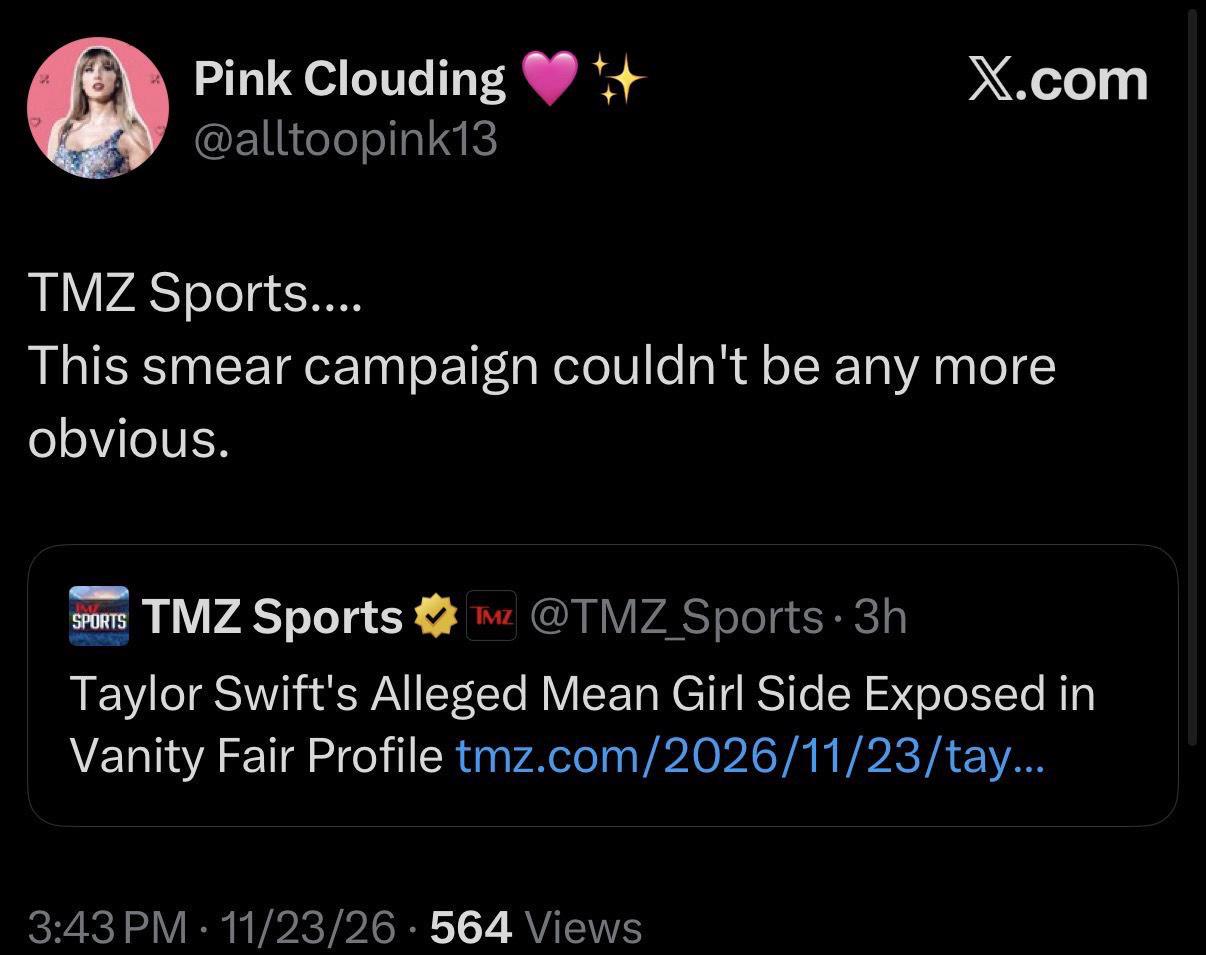
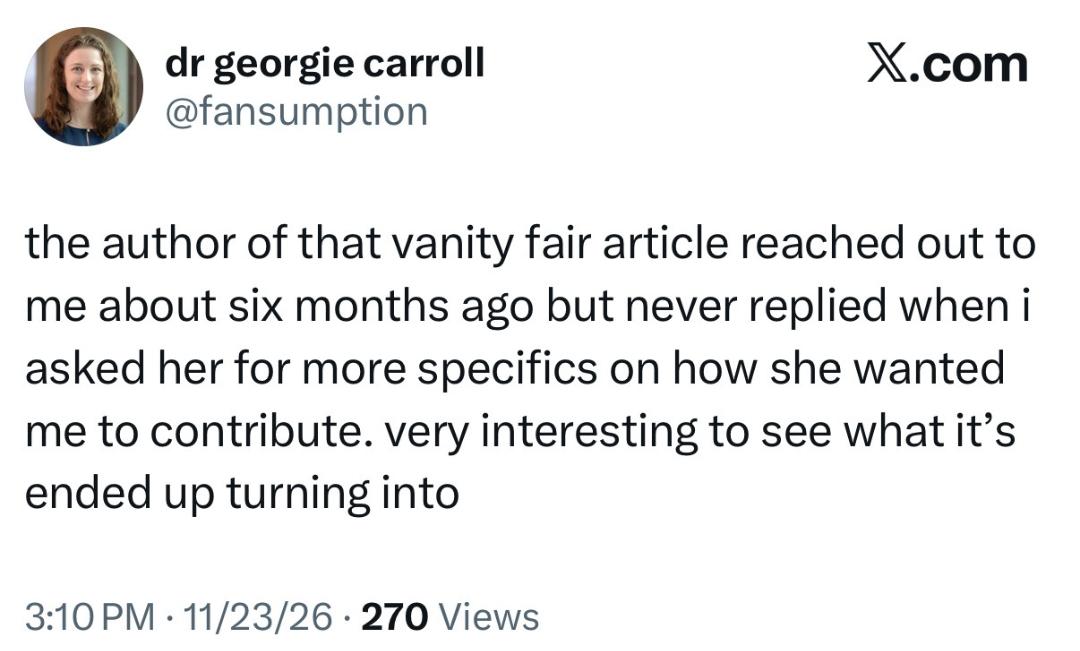
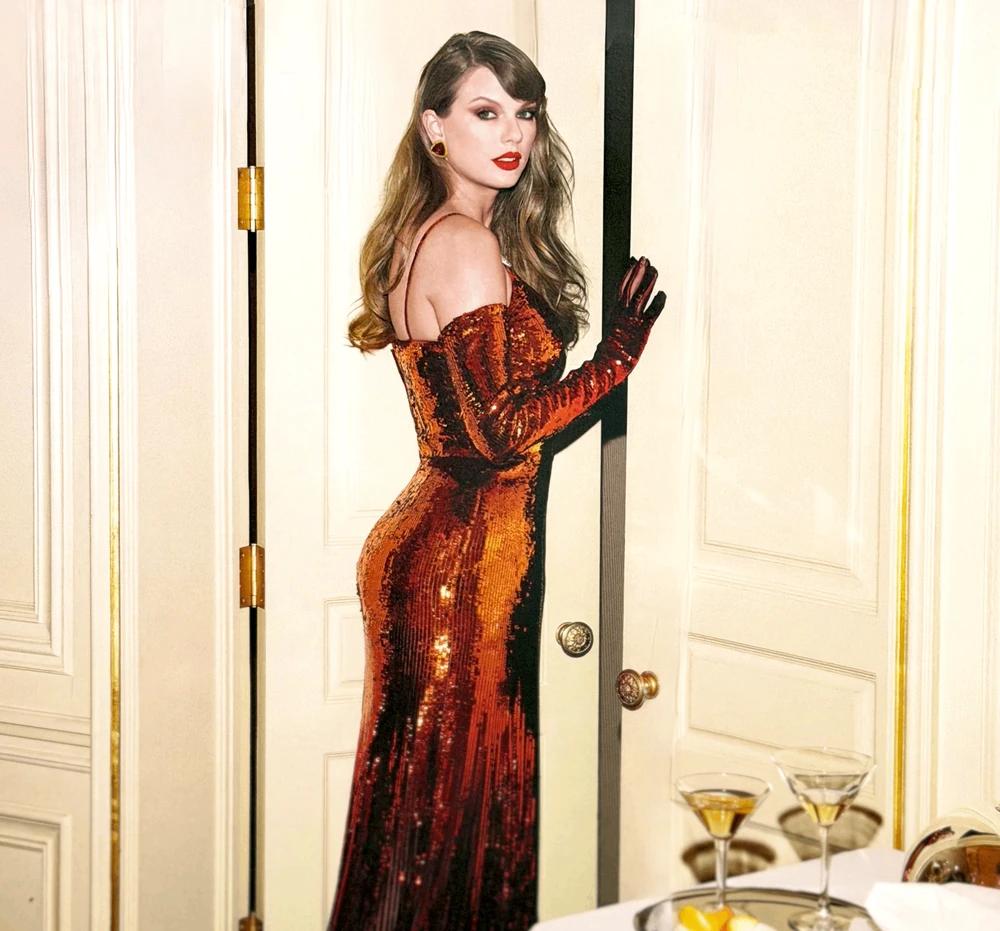
It seems we have stumbled so far into the world of post-fact emotional consumerism that, for a reputable magazine such as Vanity Fair, it is a better business decision to publish a hit piece on Taylor Swift that reads like a weird personal vendetta than to invest in actual journalism.
Unfortunately, there are no real insights or investigative findings that warrant a multi-page essay, and the only question we are left with is: what has Taylor Swift done to The Author personally, and why are they trying to drag the reader into it? Are they a spurned, disillusioned fan who has turned their parasocial obsession with Swift into fuel for hate? They point their finger in an accusatory fashion, at times simply flat-out insulting a person they don't personally know, stating that Swift is "a child pretending to be an adult", all while exhibiting the maturity of a middle schooler.
Apart from being blatantly bad journalism, the article excels at two things.
Firstly, it completely ignores that Swift is a human being who has risen to fame by bringing other human beings joy. Music is a deeply personal experience that touches the human soul in different and nuanced ways. And, contrary to all the examples The Author so casually cites to illustrate billionaire status, such as the notorious neo-Nazi Elon Musk, Swift has made her money by creating music and touring with it. Contrary to The Author's beliefs, Swift is not famous for having been bullied in school or for growing up on a quaint farm with a rich father. She is famous for making music that brings other people joy.
In fact, most people in the entertainment industry come from a decent amount of money because, as The Author points out but neglects to interpret correctly, you only become famous if you really want to and have the means to try. This is true across the entertainment industry. And the fact that, like Swift's classmate who sells saws, I showed promise but am not wealthy is precisely the reason I am not currently a successful Vanity Fair journalist writing a hit piece about someone I personally dislike.
Secondly, and probably most alarmingly, both in the writing and the publication of this diary entry disguised as an article, is its blatant anti-feminist negligence, or, dare I say, agenda. The Author delves into conspiracy theories at one point.
Taylor Swift's worst crime according to The Author is being a successful woman who came from money, is driven, and is allegedly assertive and unforgiving towards people she dislikes, while being incredibly kind to those she likes. But the biggest tragedy is this: Taylor Swift's music is liked, enjoyed, loved, and lived by mostly women, girls, and queer people.
At Taylor Swift concerts, people in glitter and friendship bracelets laugh, cry, hug, dance, wear whatever they like, and express themselves in an utterly safe space, surrounded by a crowd of like-minded people who embrace them for who they are. For one night, they get to experience a sense of community. Swift's music helps those who are bullied, belittled or heartbroken and made to feel small feel seen. And it does not matter whether she herself was actually bullied in school or not, because her music conveys that experience either way.
There are no elaborate hit pieces in Vanity Fair about male domestic abusers who are also stars, or about male musicians who are billionaires and sometimes invite people whose values do not align with their own as plus-ones to their functions. Because they are men who cater to men.
There is a disturbing trend of belittling that which is primarily enjoyed by women. This extends far beyond music and into the world of literary fiction, where hugely popular fantasy series are now being called "fairy smut" and ridiculed at every turn for the crime of containing sexually explicit content that, unlike that in other hugely popular books by men, does not revolve around sexual assault against women.
But The Author is a woman herself, you say? Well, "women like hunting witches, too, doing your dirtiest work for you." In the end, it seems that if you have nothing to say, you can always write a hit piece on Taylor Swift, basking in the reflected light of her fame for just long enough to make money off the grift