r/Presidentialpoll • u/Begin_ThePurge • 1h ago
Alternate Election Lore A New Birth of Freedom: Presidency of Eugene V. Debs (1901-1902)

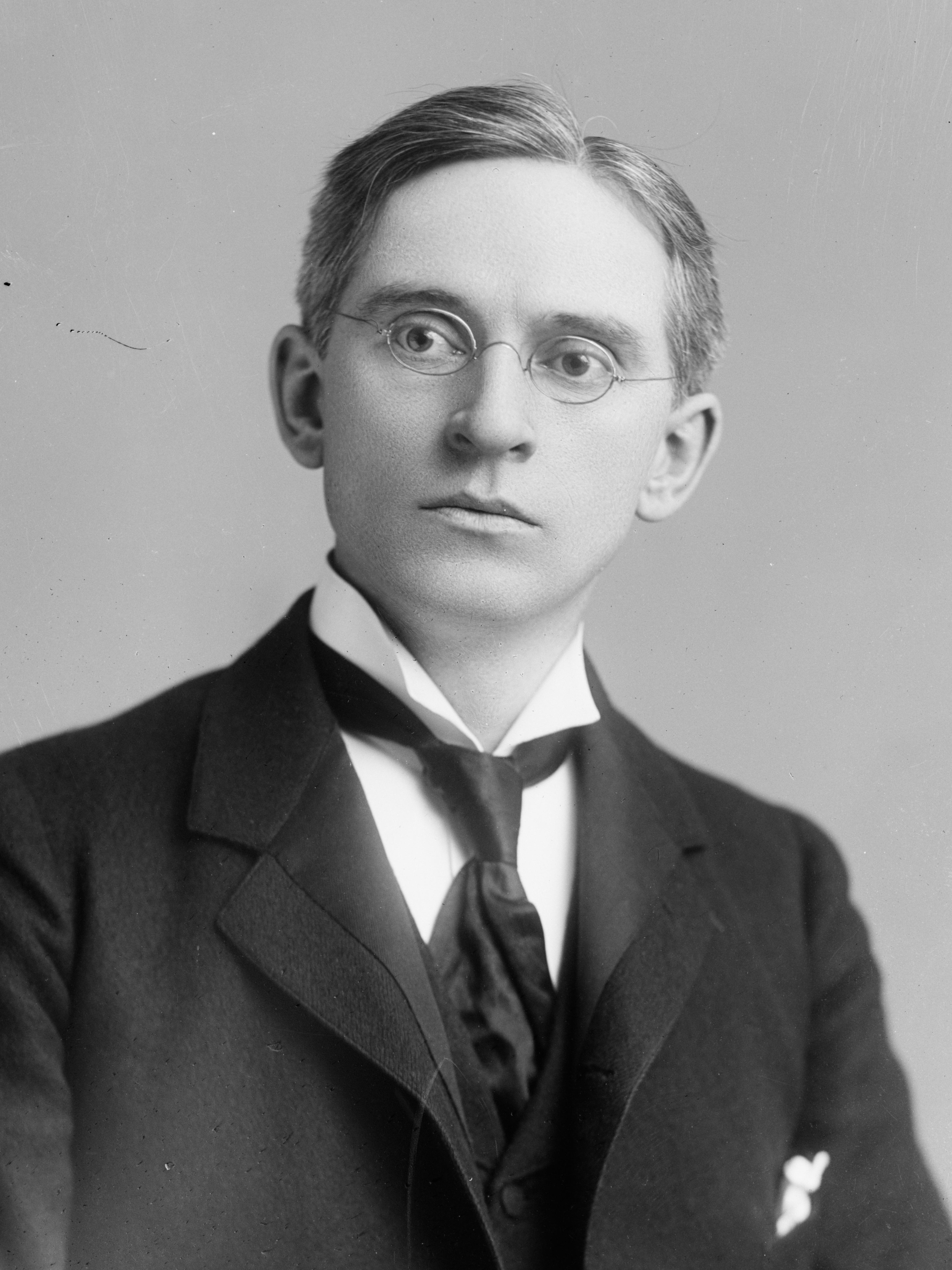
Cabinet
Vice President: Charles A. Towne
Secretary of State: Victor L. Berger
Secretary of the Treasury: Wharton Barker
Secretary of War: William A. Peffer
Attorney General: Henry Slobodin
Secretary of the Navy: Ignatius Donnelly
Postmaster General: John Lind
Secretary of the Interior: James H. Kyle
Secretary of Agriculture: Thomas E. Watson
Events
March 4, 1901: Eugene V. Debs is inaugurated as the 22nd President of the United States of America; Charles A. Towne is inaugurated as the 20th Vice President of the United States of America
March 5, 1901: President Debs nominates fellow socialist Victor L. Berger as Secretary of State who is confirmed only by an incredibly narrow margin and burning through much of Debs small political capital
March 7, 1901: Socialist Henry Slobobin is nominated as Attorney General and once again only narrowly approved after Vice President Towne casts a tie breaking vote. Not wishing to waste anymore political capital on appointments, Debs fills the rest of his cabinet with comparatively moderate Farmerite appointees
March 13, 1901: Associate Justice Benjamin Harrison dies from pneumonia at his home Indianapolis; President Debs nominates former North Carolina Governor Daniel Lindsay Russell as his successor and is approved thanks to crossover support from Southern Black Republicans
March 15, 1901: Failing to find a suitable alternative candidate, President Debs nominates Ignatius Donnelly for the role of Secretary of the Navy. Donnelly retains his leadership over the US Geographic and Geological Corps
April 1901: Socialist Representative Charles H. Kerr introduces the Mines and Minerals Control Bill which would nationalize all mineral and oil deposits along with their attendant mines. While reluctantly supported by Farmers alongside enthusiastic support from Laborite congressmen, Democratic-Republicans vote the bill down.
May 1, 1901: President Debs signs an executive order to create a national Labor Day to celebrate American workers and commemorate the Haymarket Riot. The constitutionality of this order is quickly challenged in court
May 1901: Congressman Frederic O. MacCarney introduces a constitutional amendment to guarantee the right to collective bargain and strike but it is quickly voted down
June 1901: Congressman Ben Hanford introduces the National Work Regulation Bill which would restrict working hours to 8 hours a day without cuts to wages, bans the use of child labor across all industries and mandates a maximum 5 day work week. The bill is overwhelming defeated following major defections from Farmerites when exceptions for farms on the child labor bans are not introduced
July 1901: Congressman Hanford introduces the Railroad Nationalization Bill to place the nation's railroads directly under the control of the Department of the Interior. The bill is defeated but President Debs signs an executive order nationalizing the railroads anyway and orders the US army to seize control of all tracks which refuse to cooperate
July 4 1901: President Debs nationalizes the United States's coal mines and orders the army to deputize any and all miners willing to aid in their nationalization. The order is immediately challenged in court
July 10 1901: The Supreme Court rules both of President Debs's executive orders as unconstitutional and orders the return of the all seized property back to its owners. The President refuses to compile
August 1901: Reports of top level Army officers preparing plans to disobey the President and remove him from office should the need arise reach the White House. Debs subsequently fires most of the US Army's general staff and promotes officers considered more loyal to the Socialist cause. Congress is outraged and begins holding official investigations into the nature of these firings
September 1901: In response to Congressional opposition, labor leader "Big" Bill Haywood organizes a general strike which grinds the nation to a halt. Public sympathy for the President and the strikers is incredibly low and clashes with police are frequent.
October 1901: President Debs signs an executive order legalizing all forms of labor striking including wildcat strikes while reports of Federal armories being raided by workers begin spreading in the national media. Debs is forced to reinstate most of the officers he fired
November 1901: President Debs signs an executive order creating the Federal Agriculture Price Authority to place price controls on foodstuffs despite the warnings of Secretary of Agriculture Thomas Watson. Congressman William Jennings Bryan formally denounces President Debs and much of Farmer-Labor's agrarian supporters defect to the Democratic-Republicans
December 1901: President Debs signs an executive order creating a national workers' insurance program paid for by a national income tax. The Supreme Court quickly rules an income tax is unconstitutional
February 1902: The House of Representatives finally introduces Articles of Impeachment for abuse of power against President Debs following the conclusion of their investigations and break down in negotiations between Congress and the White House. The House overwhelmingly votes to impeach the President and Eugene Debs becomes the first President to ever be impeached in US history.
February 24, 1902: Following a meeting with Bill Haywood, President Debs denounces his impeachment and travels to Chicago that same night before he can be formally removed from office by the Senate
March 1902: Surrounded by loyal followers and workers, President Debs declares himself still the legitimate President of the United States and announces a Second American Revolution. The Senate quickly votes to remove him from office but already striking workers across America seize control of numerous cities, mines and industrial sites in the name of the Debs government in Chicago.