The purpose of this Q&A is to provide searchable summary-level and detail-level content for users of the sub. This will be a 'living document' and will be edited over time for clarity and detail, as well as for new questions and new answers.
Last Updated 13 Feb 2024
Sections:
- Do I have sciatica?
- Why do I have sciatica?
- Do I need to see a doctor?
- What kind of doctor should I see?
- Is my sciatica treatable? Will it go away?
- How do I know if I need surgery?
- Should I be worried about surgery?
- Have I re-herniated after surgery?
- I feel like I have no hope of living pain-free. Is my normal life over?
- Does my lifestyle make a difference?
- Does my mindset matter?
- What about natural remedies?
- What medications are effective?
- After all options have been pursued I am still suffering, what is my hope for the future?
Do I have sciatica?
Summary: if you feel tingling, pain, or numbness/weakness somewhere along a line from your buttocks to your foot, you might have radiculopathy (sciatica) – but, not always. Talk to your doctor.
Details: Sciatica is an informal term to describe radiculopathy, which is often felt as pain or tingling at points along the length of the sciatic nerve. This nerve, the body’s largest, is formed from several spinal root nerves in your lower back, then descends from your buttocks and supplies off-shoot nerves down your legs and into your feet. Sciatica can be felt in different ways: pain that is shooting, burning, or aching, and tingling, weakness, or numbness. Sciatica can range from infrequent and mild to very severe and constant.
While you may have one or more symptom which sound like sciatica, a medical doctor is best suited to evaluate you. Other common or uncommon medical conditions can resemble these sensations.
It is important to keep in mind that even the most extreme cases of sciatica pain and disability can be treated to achieve an improvement, and life can be better for all sufferers of sciatica.
Why do I have sciatica?
Summary: Degenerative changes in the spine caused by excess body weight, deficient posture habits over a long period of time, sports-related compressive forces, accidents, and genetics are the most common causes of sciatica.
Details: Each patient is different, but sciatica tends to occur most in those whose bodies have developed an enabling environment for degeneration in the spine, which leads to compressive pressure on the nerves which descend through the leg. Sometimes sciatica also occurs when the nerve becomes squeezed by a muscle or other tissue somewhere along its path through the leg, such as the piriformis muscle.
Sports involving high-impact forces (running/jogging, football, basketball) and exercises such as weight lifting put routine excess pressure on the spinal discs, and are a frequent cause of injury to the discs such as bulges, protrusions, and herniations. When damaged discs related to such activities come into contact with spinal nerves or the spinal cord, pain such as sciatica can be a result. Something as simple as doing yardwork or household chores can also lead to a herniation in weakened discs.
Being overweight is a frequent driver of disc degeneration, with the discs of the spine exceeding their threshold for absorbing compression. Degenerated discs can lose their shape or become injured, triggering compression of spinal nerves and resulting in sciatica. Almost everyone experiences disc degeneration as they age, but in patients whose weight puts extra pressure on their spine, this degeneration occurs more rapidly. The greater the degree of excess weight, the more excess pressure is applied to the spine, and the simple formula of (force + time = degeneration = pain) will play out in the body.
Other patients present with a traumatic injury or with a genetic predisposition to having weak discs. As a result of injury or due to genetically weakened disc structure, these patients may be experiencing pressure on their spinal nerves which result in sciatic pain.
Do I need to see a doctor?
Summary: If your symptoms are severe or have not improved with rest and OTC medicines, please consult a medical doctor (MD).
Details: Many varied irritations and mild injuries to nerves, muscles and ligaments can cause symptoms in the legs, feet, buttocks, and lower back, and many of these will resolve with time and rest. However, if your symptoms do not resolve over a few days, and do not respond to treatment with over-the-counter medicines like acetaminophen (Tylenol) and ibuprofen (Advil), you should consult a medical doctor at your earliest convenience to evaluate whether you have signs of sciatica.
Consulting a doctor is important, as the most common causes of sciatica are related to degenerative changes in the lower back which, in more severe cases, have the potential to lead to chronic (long-term) pain and disability. Many of these degenerative changes can be prevented or limited if detected early, and if improvements are made in lifestyle, posture, and body mechanics. For example, a common cause of sciatica is pressure applied to one of the spinal nerve roots at lower-back vertebrae levels L4, L5, or S1, resulting from a degenerative spinal change or weakness at one of these levels. This change may be a bulge or herniation of the spine-cushioning discs between vertebrae but may happen for other reasons as well. Such degenerative changes are treatable through timely medical care, and frequently the accompanying symptoms of pain can be resolved with conservative non-surgical means such as physical therapy, weight loss, and improved posture and movements.
However because pressure on spinal nerves can also lead to lasting or permanent nerve damage, it is important for a doctor to determine exactly why you are feeling sciatic-type or low-back pain, tingling, numbness, or weakness. Left untreated and in the worst cases, pressure on spinal nerves in the low back can cause loss of bladder and bowel function, loss of function in the feet, difficulty walking, and chronic unrelenting pain. Fortunately, most cases of degeneration and sciatica are treatable with the help of a medical doctor, and future degeneration and pain can be managed or prevented.
What kind of doctor should I see?
Summary: Please see a medical doctor first. A chiropractor does not utilize approaches evidenced as being able to treat sciatica.
Details: A medical doctor is the most qualified person for both diagnosis and initial treatment. A medical doctor will have the training and tools to evaluate you comprehensively, judge the seriousness of your symptoms, and recommend the right next-steps for treatment. Most of the time a doctor will guide you through conservative treatment which will offer a combination of methods which together are likely to resolve sciatica symptoms. Other times, a doctor will be able to refer you for specialized imaging such as an MRI, or to a specialist in spine, orthopedics, or sports medicine. These specialists will often be called orthopedic surgeons or neurosurgeons, but will provide treatment and counseling about options both surgical and non-surgical. It is not recommended to see chiropractic or naturopathic doctors for sciatica treatment. The base of evidence suggests that the types of treatment available through such doctors do not address degenerative changes in the spine or nerves, and in many cases can worsen conditions such as bulging or herniated discs, spine instability, and compressive damage to the spinal nerve roots.
Is my sciatica treatable? Will it go away?
Summary: Sciatica is almost always treatable and will usually go away with proper care and time. In some cases more advanced treatment is needed.
Details: Most sciatica symptoms are treatable and will go away over time with the right corrective action being taken. Your sciatica arose through a set of enabling physical circumstances, and it is important to identify which circumstances created an environment for sciatica to occur – and then, correct those circumstances so that sciatica does not reoccur or worsen. For sciatica caused by degenerative changes in the lower back, treatment needs to focus on correcting or slowing those changes so that pain and other sensations are relieved.
About 4 out of 5 sufferers of sciatica are able to achieve relief of their symptoms with conservative non-surgical treatment and healthy changes in lifestyle, posture, and movements. For some patients, minimally invasive outpatient surgical treatment is required and similarly about 4 of 5 sciatica patients who progress to surgery will experience a strong recovery and reduction or elimination of their symptoms.
A small number of sciatica sufferers will fail to achieve full relief following both non-surgical and surgical treatment, or in some cases will undergo multiple surgeries, or require a more invasive surgery such as a lumbar spinal fusion. These patients are often enrolled in helpful combination pain management and physical therapy programs, as many treatment options exist to reduce or blunt nerve sensitivity and restore sufficient function for maintaining quality of life.
No matter your condition and level of pain, there is a treatment option for you to explore and a reason to be hopeful that you will experience relief.
How do I know if I need surgery?
Summary: Sciatica which does not respond to more conservative treatment will often require surgery, if the symptoms you experience exceed your ability to cope with them. Surgery is usually symptom-based and will be pursued based on how relatively severe your symptoms are.
Details: There are several different surgical approaches to treat sciatica depending on the underlying cause, though the most common are called microdiscectomy and laminectomy. A decision to proceed to surgery should be made carefully in consultation with your primary doctor and a specialist doctor (orthopedic surgeon or neurosurgeon). Many patients will benefit from getting opinions from more than one surgeon. A decision for surgery is often based on symptoms and is meant to treat symptoms: pain which is worsening or unrelenting, or the presence of weakness or numbness which reduces function of leg and foot. In cases where bowel or bladder function is diminished, emergency surgical treatment is often immediately needed to preserve these functions (a condition called cauda equina syndrome).
While most painful or disabling sciatica symptoms will not require surgery given enough time, uncommonly symptoms will not resolve over time and will require surgery to restore quality of life and prevent nerve damage or disability. It is not always immediately clear which cases are which. Severe unrelenting pain, and especially weakness and numbness, are frequent indicators that surgery may be needed.
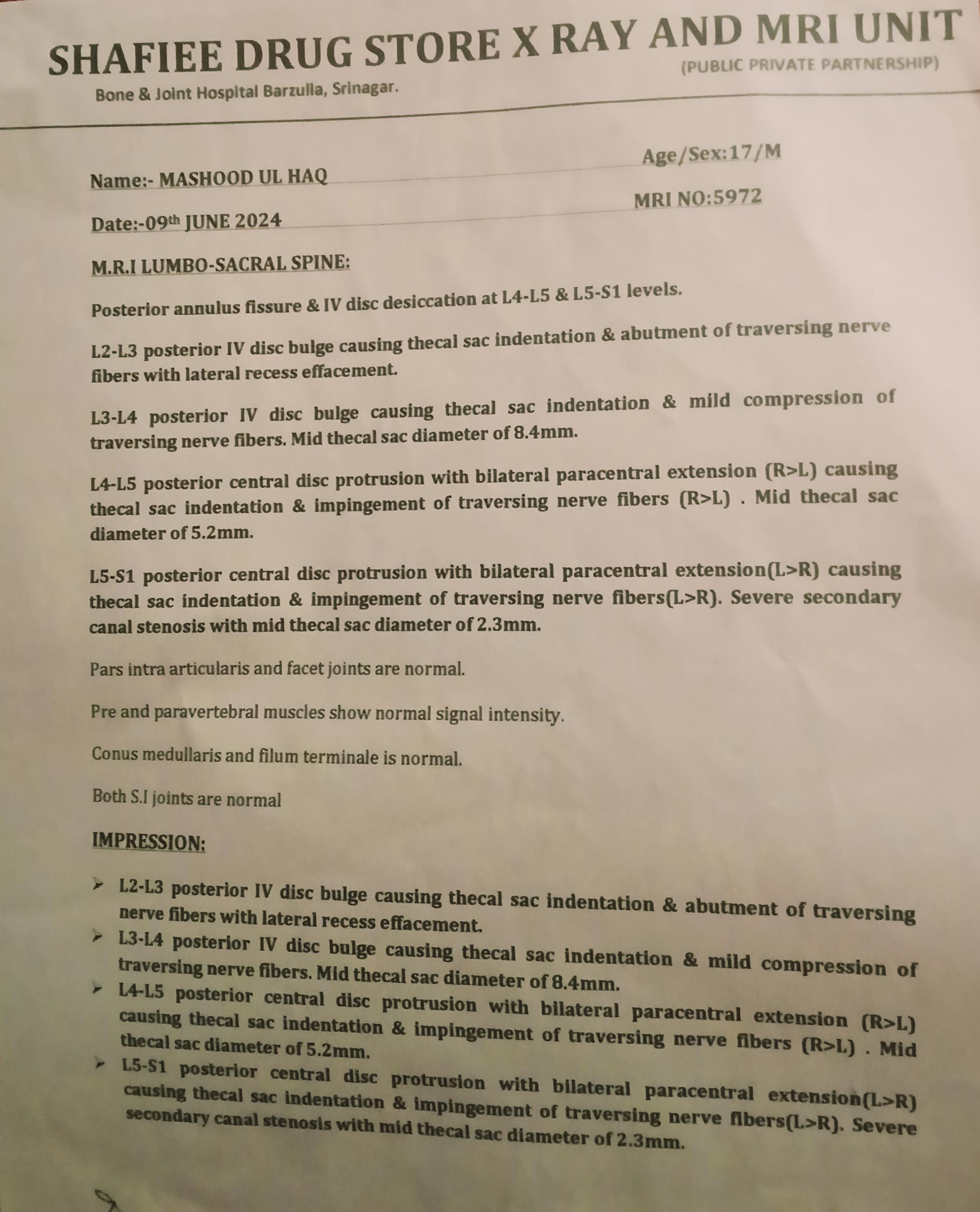
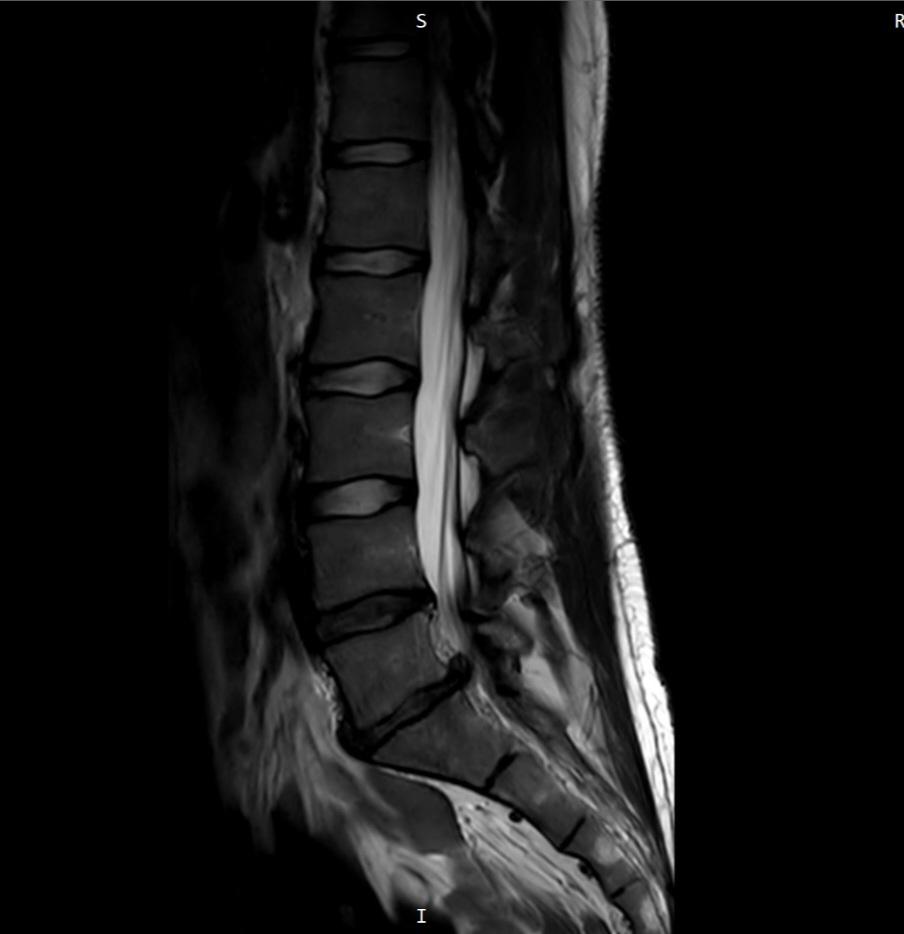
MRI imaging is a useful diagnostic tool for determining whether surgery is needed. An MRI allows a doctor to judge the presence and severity of a disc bulge, protrusion, or herniation. A doctor will then compare the imaging results to your symptoms, and determine whether the symptoms and imaging are consistent with each other. This comparison helps shape an informed medical opinion as to whether your symptoms are caused by the degenerative changes shown in your imaging, so that a prediction can be made as to whether or not a surgical correction will result in symptom relief. Often the patients who need surgery will have unambiguous MRI results which support a clear pathway to surgery.
Surgery does not immediately heal the injured spinal nerves which most frequently cause sciatica. Instead, surgery relieves compression and helps foster a healthier environment in which your body can undertake its own lengthy healing process to clean, repair, and restore damaged nerve tissue. Surgery does not automatically prevent additional degenerative changes, and so successful surgical outcomes require additional healthy lifestyle changes, posture changes, and alterations to movements and body mechanics.
Should I be worried about surgery?
Summary: Surgical techniques used today are safe and effective. The great majority of these surgeries are successful and uncomplicated, and able to achieve the result the patient hopes for over time.
Details: The surgical treatments for sciatica used today are very safe and effective, and the success rate for surgical treatment tends to be very high. Most patients will be discharged from the hospital on the day of surgery and will return home. Almost all surgeries will be done under a general anesthesia which is safe and effective, with an exceptionally low rate of complications which surgeons and anesthesiologists encounter very rarely and are highly skilled in addressing.
Repeat surgeries tend to have a lower rate of effectiveness, especially as one proceeds from a second surgery to a third surgery and beyond, and especially when the second or third surgery simply repeats what was done in the prior surgery. However, most patients will still be helped by second and third (or more) surgeries, and the success rate is still high in comparison to doing nothing. Any patient considering a second, third, or more, should get a second opinion to balance viewpoints in how likely these repeat surgeries are to help them individually.
A note on surgery: please ‘shop around’ for a surgeon who is a good fit for you. Not all surgeons have the same training, same approaches, or same track record. While most surgeries for the back and spine are very routine and simple, surgeons will have different levels of detail-orientation and care during surgery. A surgeon who demonstrates a high level of focus and patience when interacting with you during office visits will often be a surgeon who demonstrates focus and patience with you on the operating table. Also note that some hospitals are ‘teaching hospitals’ and your surgeon will defer a portion of your surgery to a surgical fellow in training. These trainees tend to be highly skilled surgeons already, but, know whether the surgeon you are meeting with will the only surgeon operating on you.
Have I re-herniated after surgery?
Summary: Many patients amidst a recovery from surgery worry they have re-herniated their disc, and this concern is almost universal for post-surgical patients at some point. In most cases pain sensations post-surgery are normal and do not indicate a re-herniation.
Details: Nearly every patient will feel post-surgical pain of a severity that they become fearful of a re-herniation. Most of these patients are worrying needlessly, as statistically speaking this type of re-herniation is rare. While some rare users of this subreddit will in fact be experiencing a re-herniation, almost all are experiencing normal post-surgical pain.
The pain post-surgery can be intense while the nerve heals, and while the nerve and tissue surrounding it remain inflamed. It is important to remember that the surgery has not automatically healed the injured nerves, it has just helped provide a better environment in which the nerves will have a chance to heal through a long natural process of cleanup and repair. Most nerves will not even begin healing in a technical sense for several weeks to a month, though pain sensations can certainly be decreased during this time due to compressive forces being relieved.
The healing process for nerves, and the process through which inflammatory tissues are generated and eventually dissipate, will take weeks to months for most patients. During this time flare-ups can be regular, and pain can at times be intense. The most important advice is to strictly follow your post-surgical instructions, maintain a healthy diet, abstain from drugs and alcohol, and maintain a level of activity which keeps your surgical site and your nerve mobile.
I feel like I have no hope of living pain-free. Is my normal life over?
Summary: Every patient is treatable and can find a treatment promising good results for them. This process can often require patience and multiple attempts at testing treatment options.
Details: Every spinal defect causing pain can be treated in some way, and everyone has one or more treatments which will help. There is no medical evidence that a patient can ever be ‘written off’ as a lost cause with no options. All patients can experience relief and enjoy an improved quality of life, given the time and patience necessary to find the treatment which works for them.
Treatments usually begin with ‘conservative’ approaches which are meant to provide relief of symptoms and allow your body time to heal itself in an environment which is supportive for healing. Most sciatica can be effectively treated this way, and this is a promising category of treatment for most people to achieve a state of reduced pain and improved quality of life. These treatments include medications, physical therapy, and lifestyle changes such as weight loss or a change in activities which contribute to spinal degeneration.
Some patients fail to experience relief with conservative treatment, and can progress to surgery. Most surgeries are very safe and successful, and typically pain is reduced by 80% to 100% in successful surgeries. Some patients will require more intensive surgeries such as a spinal fusion, but these too are typically successful.
Rarely a patient does not experience adequate relief through surgical treatments, but almost all of these cases can achieve an improved quality of life through a comprehensive pain management program which brings significant pain relief through a combination of medications and lifestyle changes.
Spinal science is constantly advancing, and even the most complex cases which have ended in a comprehensive pain management program are likely to find new hope in future treatments which are even now under investigation in the research community. Stem cell therapies and new materials for spinal surgeries offer great promise and will be transitioning to mainstream treatment in the coming five to ten years.
Does my lifestyle make a difference?
Summary: Lifestyle makes the biggest difference of all, and overall physical health is a primary driver of whether or not a patient can heal from sciatica.
Details: Lifestyle is the most important variable in spinal health for symptomatic patients experiencing sciatica, followed closely by genetics. Most cases of sciatica can be traced to one or more root causes found in the patient’s lifestyle. Excess body weight is not only a variable which frequently corresponds to disc degeneration, disc injury, arthritis in the spine, and pain such as sciatica, but correcting the condition of being overweight often leads to improvement in symptoms such as pain and spinal instability. The discs of the spine are able to bear a certain amount of compression, but, when excess weight causes this threshold to constantly be exceeded, even normal body movements and posture will eventually lead to disc degeneration and possibly to pain like sciatica.
Activity: Other lifestyle variables include prolonged and habitual defective posture (slouching, improper bending, improper lifting) and fitness-related causes of disc degeneration which impart compression and stress to the spine. Weight lifting, running/jogging, and other high-impact exercises will almost always increase the rate of degeneration in the body’s softer tissues, and for patients without the genetic gift of especially durable spinal discs and especially strong back muscles, a common eventuality is the pain of sciatica resulting from bulging or herniated discs.
Nutrition: Another related lifestyle variable is found in nutrition, and specifically inflammation. When spinal nerves are irritated or compressed due to the pressure of an adjacent disc or a narrow bone structure they tend to become inflamed as a way to protect themselves and heal. This state of inflammation is often painful. Poor nutrition will deposit compounds into the blood which intensify inflammation and inflammatory pain, by increasing the body’s inflammation response even further. Sugars, saturated fats, refined processed foods, and alcohol are all strongly inflammatory substances which can intensify feelings of pain such as sciatica, due to the relationship these have with the body’s relative inflammatory response.
Brain Chemistry: A final important lifestyle variable, one of the most important, is brain health. The way the brain processes pain signals is strongly related to balances of certain chemicals in the brain, and when these chemicals are off-balance, the brain’s perception of and response to pain signals can be greatly intensified – often to the extent of feeling severe or frequent pain instead of mild or infrequent pain.
Common ways the brain will become ‘hypersensitive’ to pain includes a brain which is accustomed to the presence of alcohol, and therefore doesn’t produce as many chemicals of its own to inhibit pain and generate calm – because the brain is used to alcohol being present to add these effects in the brief time it is in the bloodstream. Similarly, habitual caffeine in excess levels can cause the brain to produce less of the chemicals which blunt pain signals and instead cause the brain to become hypersensitive to pain sensations. Conversely, alcohol and caffeine in strict moderation are less likely to imbalance the brain’s ability to handle pain on its own.
It goes without saying that over time using drugs such as cannabis, amphetamines, opiates, and others, can be harmful to the brain and its ability to blunt pain signals on its own. To single out one such, despite the reputation cannabis has for blunting pain and promoting calm, for many habitual users cannabis is taking over the brain’s ability to do a part of this on its own, and patients are usually worse-off for having their brain’s natural abilities diminished. There is no conclusive science evidencing cannabis as being medicinal for sciatica. For another such drug, opiates (even as prescriptions) used over a long duration will diminish your brain's ability to fight pain on its own. This and other side effects, and the addictive potential, will cause your doctors to recommend alternative pain medications for treating sciatica in anything but a post-surgical environment.
The bottom line is that the brain will always weaken its own abilities in response to harmful substances introduced from the outside. As a general rule, if a drug makes you feel calm, over time with habitual use your brain will lose its ability to be sufficiently calm on its own. If a drug causes you to feel euphoric, your brain will become less capable to feel happy on its own. Drugs which decrease your body’s sensations and cause you to feel a ‘body high’ will diminish your brain’s ability to blunt negative sensations, and in fact will lead to an experience of more intense negative sensations such as sciatica pain.
Does my mindset matter?
Summary: Mindset is equally important as lifestyle, and a worried mind will frequently experience symptoms at a greater intensity than an unworried mind. The body tends to follow the brain’s prompting.
Details: Mindset is a very important aspect of pain management. As both a strength and a weakness, the brain is able to govern an ‘intensity dial’ for what we perceive in our bodies. A worried and anxious brain will prompt the body to operate in a state in which, chemically, pain sensations will be likely to be heightened and intensified. A calm brain can prompt the body to blunt pain sensations and greatly reduce discomfort. This is why certain safe and prescribed pharmaceuticals, such as gabapentin and pregabalin, are able to achieve relief: they ‘stand in’ for chemicals the brain produces both as a cause and an effect of feeling calm, and can blunt pain signals as a result.
Many patients can experience relief through therapy with a trained counselor, training their brains to shift focus away from worry and anxiety over symptoms -- with the worry-focus fueling a vicious cycle which worsens symptoms and then worsens worry and anxiety further. Patients who are able to shift their mind’s attention away from their pain are simply evidenced to experience less intense pain, along with higher levels of happiness and calm.
What about natural remedies?
Summary: Natural remedies range from being mildly helpful to being actively harmful. No supplement has yet been evidenced as being a treatment for sciatica overall. It can be difficult to know what helps vs what hurts, but it is best to let the authority be the medical doctor you see for your overall sciatica treatment.
Details: Many claims are made for natural remedies being helpful for sciatica, including supplements derived from cannabis, from animals such as shellfish and fish, or from other natural sources. Some of these supplements have a basic level of evidence in terms of their therapeutic value, such as omega fatty acids which complement a healthy diet and can exert an anti-inflammatory influence on the body. Vitamins fall into a similar category, and it is generally agreed that vitamin supplementation can aid patients whose normal diet fails to provide sufficient levels of vitamins (though a healthy and balanced diet is a superior source of all needed nutrients). Curcumin, derived from turmeric, is believed by some researchers to show signs of being an alternative to anti-inflammatory medications.
Some supplements such as glucosamine and chondroitin have been investigated for therapeutic effects in arthritis-type illnesses, including degenerative disc disease. The evidence has been limited and at times contradictory, with some studies showing a possible benefit and other studies showing such supplements as being potentially harmful.
Supplements derived from cannabis are widely claimed to have therapeutic benefit, though these claims are not evidenced or accepted by mainstream medicine and use of such supplements may in fact be harmful. At present it is best to accept these claims as unsupported, and users of such supplements do so at their own risk. As research progresses it is possible that one or more compounds derived from cannabis may be shown to have therapeutic benefit, though it does not appear that these compounds have yet been isolated or developed into a medical intervention which achieves a therapeutic result.
What medications are effective?
Summary: Please consult your doctor before and during any use of any medications of any kind, as use, overuse, and mixed-use of medications can be dangerous to your health. Depending on the underlying cause, sciatica tends to respond moderately well to medications from different classes of drugs you can ask your doctor about. However, medications will not be able to heal the underlying cause of sciatica and for some patients may only be partially helpful at treating symptoms such as pain and inflammation.
Details: Please consult your doctor before and during any use of any medications of any kind, as use, overuse, and mixed-use of medications can be dangerous to your health. Medications prescribed to treat sciatica arise from different classes of drugs which achieve either an anti-inflammatory or pain-blocking effect in the body. These drugs include:
NSAIDs: Non-Steroidal Anti-Inflammatory Drugs such as Ibuprofen (Advil and others) work by blocking enzymes the body uses to generate inflammation. By reducing the body's inflammatory response, pain can be reduced. This seems to be particularly effective for patients whose sciatica tends to originate in inflammation of tissues and nerves in cases of mild nerve compression, but may not help all patients. NSAIDs can also be prescribed in a more potent prescription-only form with drugs like Diclofenac, though a doctor should be consulted as prescription medications can have more serious side effects given their potency. Long-term use or overuse by patients can be dangerous, so a doctor should be consulted even if the medication is purchased over-the-counter.
Paracetamol/Acetaminophen: Often sold as Tylenol, this class of drug is not totally understood but is able to achieve a pain-blocking effect through means which are still being researched. Often this drug will be used in conjunction with NSAIDs. Overuse and overdose of this drug can lead to liver damage and possibly death, so please consult your doctor on use of this medication as a part of sciatica treatment
Anti-Depressants: Often prescribed within the category of tricyclic or SSRI antidepressants, for some patients either low or moderate doses of these drugs can balance chemicals in the brain in such a way that a pain-blunting effect is achieved. The evidence behind the use of these drugs for sciatica is mixed, and not all patients will benefit from their use. In fact, some patients whose mental state is otherwise stable and healthy will experience anxiety, malaise, or other unpleasant side effects.
Anti-Seizure / Nerve-Blocking: Drugs such as Pregabalin and Gabapentin are often prescribed to prevent seizures, but are also effective at blunting the pain signals from nerves. The evidence for these drugs in treating sciatica is reliable, though mental and/or emotional side effects may occur for some patients. However, this class of drug is often a front-line option for treating sciatica in patients who do not respond well to less potent drugs like acetaminophen and ibuprofen.
Opiates: Often considered the "drug of last resort", opiate medications like hydrocodone and oxycodone are typically not effective in treating sciatic pain but for some patients will become a part of a comprehensive chronic pain management program. These drugs have a high potential for addiction and a wide set of undesirable side effects, but used properly within the context of a carefully monitored pain program there can be a therapeutic benefit to opiate use.
Self Medicating: All use of medications should be done in consultation with a doctor. Patients with a pattern of self-medicating with nicotine, alcohol, cannabis, opiates, and other hard drugs, consistently have the worst medical outcomes. Self-medicating has been proven to be harmful over time, and will almost always lead to worse pain and worse potential to heal as compared to patients developing a doctor-approved use of pain medications.
After all options have been pursued I am still suffering, what is my hope for the future?
Summary: There are numerous promising treatments under investigation in the field of pain medicine and spine health, treatments which are likely to benefit you in your lifetime. Do not lose hope!
Details:
Medicine is constantly advancing! As an example of this many spine surgeons take a break for annual training on the newest emerging techniques so that they can stay up-to-date. Even as compared to 20 years ago, spinal surgeons today are achieving a level of success far beyond what was possible in earlier generations. That trend shows signs of accelerating over time.
Stem Cell Therapy: Many surgeons feel that stem cell therapy will change spinal surgery, and researchers across the best research institutions and pharmaceutical companies are working on better applications of stem cells to cure spinal injuries. Already there are therapies which have shown promise using adult stem cells, derived from your own body, with the potential to achieve better healing and regeneration in damaged discs. Such therapies today may have the ability to slow disc degeneration and help patients avoid the need for more invasive and irreversible surgeries such as spinal fusion. Evidence is still being generated and better techniques are under development, but great promise is shown in results to-date.
Improved Hardware and Techniques: Presently there isn't great evidence that existing artificial disc hardware is superior to spinal fusion, but improved hardware and replacement techniques are under investigation by researchers. With advances in this area, it seems likely that a true disc or nucleus replacement will be possible in a way that demonstrates clear superiority to spinal fusion, and helps relieve both pain and functional deficits in patients who are otherwise expecting to need a spinal fusion.
Improved Fusion: Researchers are investigating materials and techniques to increase the rate of successful spinal fusions which are less prone to failure and occur with fewer side effects.
Improved Medications: Pain scientists have made strong advances in understanding the complex nature of pain, and how to better treat it, over the last 8-10 years. Very promising investigations of improved classes of medications are likely to enter human trials in the near future, and one or more of these trials seems likely to lead to a new treatment option for pain-disabled patients.