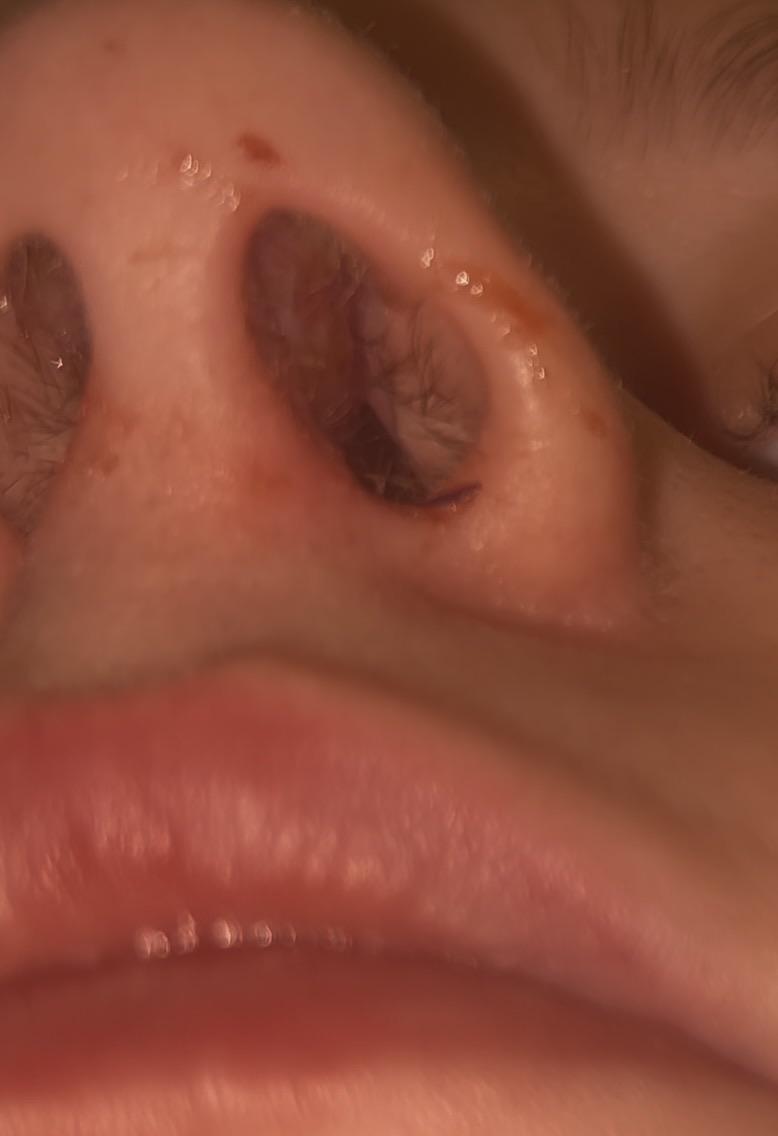
I had my septoplasty and turbinate reduction just over three weeks ago, and I wanted to share my experience for anyone who might be going into surgery feeling anxious or looking for firsthand accounts of what recovery is actually like.
I was pretty nervous going into it, and I found reading other people’s experiences beforehand really helpful. During the first week of healing, I also found myself going back to Reddit posts to compare my recovery and reassure myself that certain things I was experiencing were normal. So hopefully this helps someone else!
Preparing for Recovery
Before surgery, I honestly wasn’t entirely sure what to prepare for. I had read a few people’s experiences mentioning that they really struggled to cook for themselves or manage much during the first few days, so I made sure to have some easy food options on hand.
I was definitely feeling pretty out of it while taking the T3s, and my appetite wasn’t great, but I personally had no problem making small meals for myself when I needed to. I tried to focus on higher-protein foods, like eggs, and made sure I was drinking lots of fluids.
I also stocked up on easy options like TV dinners, quick heat-up meals like cheese egg bites, things that didn’t require cooking, fruit, and cereal. Cereal was honestly a lifesaver because it was easy and fairly bland, which was about all I felt like eating most of the time. Overall, I felt like I could have cooked if I needed to during those first few days, but having everything readily available made things much easier.
Of course, everyone’s experience with medication, pain management, and surgery is different, so I can only speak to my own experience.
I also made sure to have lots of tissues on hand and Polysporin ready in case the skin around my nose became dry or irritated. I kept a small layer of Polysporin around the opening of my nostrils, which helped prevent the area from becoming chapped.
And definitely don’t forget a good lip balm - Laneige Lip Sleeping Mask was my go-to! I found that the swelling through my face seemed to have some residual effect on my lips and they definetly did become dry.
Surgery Day
Everything at the hospital was relatively straightforward. The staff were great and easy to deal with. I had quite a bit of waiting time before going in, but I was able to zone out for the most part. I was fasting, so by that point I was absolutely starving.
Once it was time, I pretty much walked myself into the operating room, climbed onto the table, and the anesthesiologist got everything going fairly quickly. I believe the actual surgery was around 30 minutes.
Coming out of anesthesia was relatively easy for me. I didn’t feel confused or disoriented, and I was pretty relaxed. Mostly, I was just tired, which I think was partly from the travel to the hospital and being exhausted before I even went in.
I was probably there for about an hour after waking up before I was communicating normally and ready to head home. I mostly felt pressure and soreness from the surgery, but pain management was good while I was there.
I had expected to be home in time to take my next dose of T3s, but that didn’t happen. During the trip home, I ended up in quite a substantial amount of pain, mainly from the pressure and the bleeding/discharge. That was probably the roughest part of surgery day for me.
Days 1–3
There was quite a bit of bleeding during the first three days. I was consistently changing the gauze/bandage under my nose, and it was mostly very bright red blood with some clots. Nothing seemed out of the ordinary compared to what I had read from other people.
By day three, the bleeding had started to slow down considerably. It was mostly mucus with a little bit of blood, although I was still wearing the bandage because there was a constant drip.
The pain also started to ease around day three. I stopped taking T3s after day two and was able to manage with Advil and Tylenol. I was still resting a lot and felt pretty exhausted.
At that point, the pain itself wasn’t really the biggest issue anymore. It was more the pressure and discomfort from having the stents in. I felt like I couldn’t breathe through my nose at all with them in, which was incredibly frustrating.
Sleeping as a Side Sleeper
One thing I definitely had to figure out was how to sleep comfortably. I’m normally a side sleeper, so sleeping partially upright and on my back was a bit of an adjustment.
I probably had about ten pillows involved in my setup! It took a few nights to figure out what worked, but by day three, I had a pretty good arrangement and was actually getting decent sleep.
I had a firm pillow under my knees, another pillow across my stomach that I could hug, and pillows on either side of my hips to help keep me in place. I also wedged a feather pillow behind my neck, almost like a travel pillow with the side bumpers, to help keep my head from moving around.
I was sleeping at roughly a 40–45-degree angle, which seemed to work best for keeping me comfortable and preventing me from rolling onto my side.
I definitely tossed and turned quite a bit during the first couple of nights, particularly with the discomfort and the amount of bleeding coming from my nose. I also found my sleep felt pretty light, partly because I was taking T3s, which made me quite groggy, and partly because I wasn’t exerting much energy during the day like I normally would.
I kept that sleeping position until the stents were removed, and then for one additional night afterward because my nose was still quite sore and I was worried about accidentally resting on it.
Days 4–6
By around day five, I was able to stop wearing the bandage under my nose and just keep tissues nearby.
There was still a lot of dried blood and mucus coming out. I was doing gentle saline rinses to help loosen things up and would lightly blow my nose to get the excess saline out. I had quite a few dry chunks of blood coming out during this time.
Nothing particularly alarming happened during this stage, but I was definitely irritated and uncomfortable from the stents. I was looking forward to getting them out.
Day 6 — Stent Removal
Getting the stents removed on day six was such a relief.
My doctor said everything looked good and was healing well. He recommended leaving everything alone for another day or two before going back to saline rinses, which I then resumed and have been doing consistently at least twice a day. If something feels stuck or I need a little extra help, I’ll do another rinse.
I noticed an immediate difference in my breathing as soon as the stents were removed, even with the swelling still present.
When I got outside into the fresh air, it almost felt like the air was too cold and there was suddenly so much airflow. It was such a strange sensation that I felt like I had to half-breathe or take smaller inhales because the amount of air coming through was so intense.
I guess that’s what normal breathing feels like? 😂
Weeks 1–3
Since having the stents removed, recovery has generally been pretty smooth.
I’ve had a few ups and downs with some scabbing coming out and certain areas feeling a little sensitive or irritated afterward. There have been a couple of times where I thought something might be bordering on an infection internally, but those symptoms seemed to resolve fairly quickly.
I’ve also had some of the sutures come out, which has been an experience in itself. One particularly long suture came out a couple of days ago, and honestly, I think I preferred having chunks of dried blood come out over the sensation of that long suture coming out from between both nostrils. That was weird.
Another piece came out last night, and some of the other sutures had started shedding just before I had the stents removed. I’m sure other little bits and pieces have come out throughout the healing process while doing the saline rinses.
Overall, everything seems to be healing well internally.
Three Weeks Post-Op
I’m now just over three weeks post-op, and I can already tell that my breathing is significantly better.
I’m still experiencing some swelling and occasional irritation, but the difference in airflow has been noticeable from the moment the stents came out. It’s honestly hard to describe how different it feels when you’ve been struggling to breathe properly through your nose for so long.
I have felt a little under the weather here and there since surgery, but I think those were just a few minor things that resolved themselves fairly quickly. Unfortunately, I think I’ve now come down with a cold, so wish me luck! I was hoping to avoid getting sick during recovery, but it is that time of year when everyone seems to be catching something.
Thankfully, it didn’t happen during the first two weeks of healing, and everything internally seems to be doing pretty well.
I still have one more follow-up appointment, but I’m feeling optimistic about it because I haven’t had any major issues since my last appointment.
Overall
Going into surgery, I was pretty anxious, and I found other people’s experiences incredibly reassuring. So I wanted to share mine for anyone who is currently preparing for septoplasty and turbinate reduction or is in the middle of recovery and wondering whether what they’re experiencing is normal.
The first few days were definitely the most uncomfortable, particularly the bleeding, pressure, and having the stents in. Getting those removed on day six was a huge turning point for me.
Three weeks out, I’m feeling pretty good overall and already noticing a significant improvement in my breathing. I’m still healing, but so far I’m happy with how things have gone.