r/TLRY • • Sep 30 '21

Lounge r/TLRY Lounge

462 Upvotes

r/TLRY • • 28m ago

Bullish UK-EU Agreement Establishes Temporary Exemption for CBD Food Products Through October 2029

Post image
1 Upvotes

NOTE: This UK-EU agreement is a major win for Tilray Brands ($TLRY).

Giving authorized CBD food products a clear path in the UK through October 2029 opens a huge door for Tilray's European expansion. With BrewDog Brewery & Distillery now part of the company—and Manitoba Harvest already the #1 hemp foods brand in the world—Tilray has the exact drinks, distribution, and hemp expertise needed to lead this market over the next three years.

Nov 28, 2026 By Anthony Martinelli the marijuana herald

The United Kingdom and European Union have agreed to a temporary exemption that will allow authorized cannabidiol (CBD) food products to continue being manufactured and sold in Great Britain through October 31, 2029, under a broader agreement aligning British and European food safety regulations.

The exemption is detailed in documents published November 26 by the UK’s Food Standards Agency (FSA) ahead of its December 9 board meeting. The agency also revealed that thousands of CBD products could benefit from pending regulatory approvals.

The Sanitary and Phytosanitary Agreement, announced November 20 at the UK-EU Summit, is scheduled to take effect March 1, 2028, subject to the completion of necessary regulatory procedures. Under the agreement, Great Britain will adopt relevant EU food safety regulations and generally cease issuing independent market authorizations.

However, CBD is one of three categories of novel foods granted an extended transition period. CBD products that receive British authorization before March 1, 2028, can continue to be manufactured and introduced to the domestic market through October 31, 2029. Existing inventory can continue to be sold beyond that date until supplies are exhausted.

The draft agreement, which remains subject to legal review, requires products benefiting from the exemption to carry a “Not for EU” label. It also specifies that an EU decision approving or rejecting a particular novel food could supersede the temporary exemption for that product before October 2029.

The FSA disclosed that 10 CBD novel food applications have completed risk assessments, in addition to three applications that have already undergone public consultation and are advancing toward ministerial decisions. Those first three applications alone are associated with approximately 3,000 products on the agency’s public list of CBD products.

The agency says additional applications could receive authorization before the March 2028 deadline, although the number will depend on regulatory resources and the progress of individual assessments.

CBD extracts and isolates have been classified as novel foods in the UK since January 2019. According to FSA guidance updated November 23, none have yet received formal novel food authorization, despite an established consumer market. Certain existing products have been allowed to remain available in England and Wales while their associated applications are under review.

The agreement gives British regulators a limited window to issue the country’s first formal CBD food authorizations before responsibility for future approvals transitions to the EU.


r/TLRY • • 1d ago

News Daily cannabis use now more common than daily drinking in Canada

Post image
12 Upvotes

An estimated 1.8 million adults use cannabis every day or almost every day, with younger Canadians far more likely to report frequent cannabis use than frequent drinking.

Nov 27, 2026 Leafie

More adults in Canada use cannabis daily or almost daily than drink alcohol that often, according to a study of almost 100,000 people.

Researchers found that 5.7% of adults reported daily cannabis use, compared with 5.2% who drank daily. Cigarette smoking remained more common overall, at 8.5%, but the pattern changed sharply with age.

The research, published in the Canadian Medical Association Journal, analysed responses from 99,920 adults to the 2023–2024 Canadian Community Health Survey. Daily or near-daily cannabis use was more common than daily or near-daily drinking among adults under 50. It also exceeded daily cigarette smoking among those under 35.

“This study suggests a generational shift in substance-use behaviours has taken place, which will likely have long-term implications for population health,” said André McDonald, the study’s lead author and a researcher at McMaster University’s Peter Boris Centre for Addictions Research.

The difference was especially pronounced among young women. Among those aged 18–24, 6.6% reported daily cannabis use, compared with just 0.4% who drank daily and 2% who smoked cigarettes daily.

Men aged 25–34 had the highest rate of daily cannabis use among the age and sex groups studied, at 10.8%, compared with 2.9% for drinking. Among people aged 65 and above, daily drinking was considerably more common than daily cannabis use.

Daily use was also more common among people reporting mood or anxiety disorders. The authors said that some of this may reflect people managing symptoms themselves or using prescribed cannabis.

Despite the availability of legal edibles and other products, 68% of people who used cannabis daily reported smoking as their main method of consumption. Daily cannabis smoking alone was more common than daily cigarette smoking among adults aged 18–24. The two were comparable among people aged 25–34.

Senior author Dr Daniel Myran, an associate professor at the University of Toronto, said the findings raised concerns about future effects on heart and lung health. He argued that the continued preference for smoking limits one potential benefit of legalisation: encouraging people to use cannabis without burning it.

Around 41% of daily consumers in the survey said they had started using cannabis that often after Canada legalised adult use in 2018. However, the timing alone cannot show that the law change caused them to do so.

The researchers called for clearer information about risks, restrictions on marketing and retail sales and targeted harm reduction for younger adults. Speaking to CBC, Dr Romina Mizrahi, a psychiatrist at the McGill Research Centre for Cannabis, agreed with the study authors: “The more we talk about this, especially for young people, the more they’re going to be aware of it, and maybe they are going to reduce their [cannabis] use.”


r/TLRY • • 1d ago

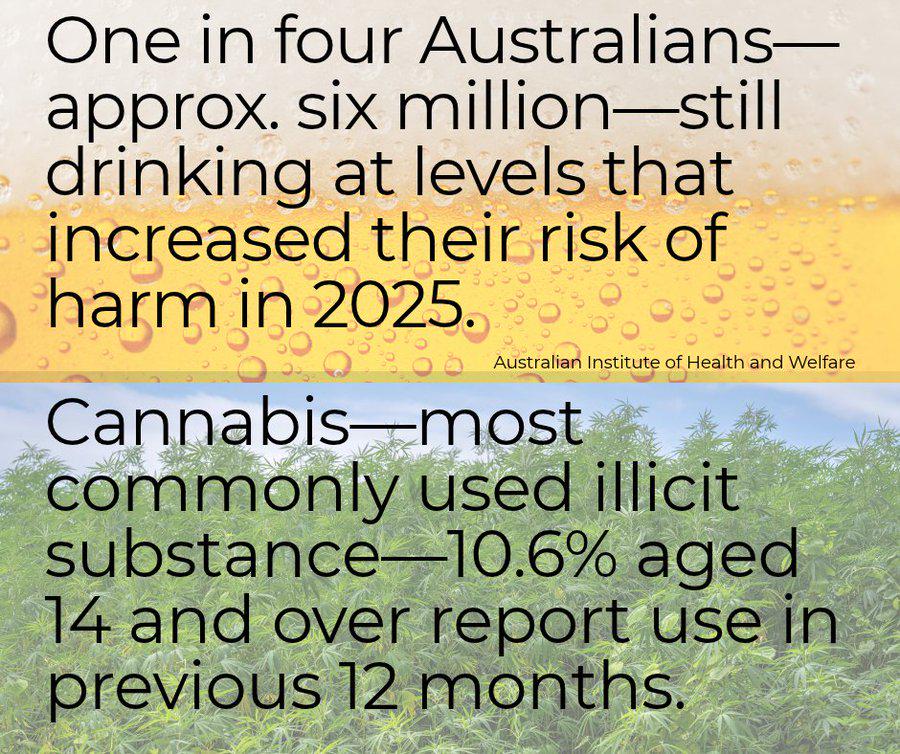
Bullish Bedrocan losing their #1 spot in Cannabis in Australia, Tilray is already there. With all the heavy drinkers down under, Australia BrewDog Brewery & Bars has to be a good investment. (Remember Australia BrewDog was thrown in for FREE when Tilray bought US BrewDog for just $9 million).

Post image
7 Upvotes

Australian Institute of Health & Welfare released findings of National Drug Strategy Household Survey 2025
Just over half of people aged 14 & over (51%) reported having used an illicit ‘drug’ at some point in their lifetime in 2025, up from 47%, 2022-2023.

26 Nov 2026

Risky drinking declines, National Drug Strategy Household Survey shows

The Australian Institute of Health and Welfare (AIHW) has today released findings of the National Drug Strategy Household Survey 2025. 

More than 17,500 people aged 14 and over across Australia were asked about their use of and attitudes towards alcohol, illicit drugs, e-cigarettes and tobacco. 

Alcohol use

In 2025, the proportion of people in Australia aged 14 and over drinking at levels that increase their risk of harm fell from 31% in 2022–2023 to 26%. 

Despite the decline in risky drinking, around 1 in 4 people – an estimated 6 million – were still drinking at levels that increased their risk of harm. 

‘Alcohol remains one of the most commonly used drugs in Australia, but we’re seeing fewer people drinking at risky levels,’ AIHW spokesperson Alistair Beasley said. 

‘In 2025, 20% of people aged 14 and over were drinking more than 10 standard drinks a week on average, down from 25% in 2022–2023.  

‘We also saw a decline in people having more than 4 drinks on a single occasion at least monthly, from 24% to 20%.’ 

The survey measures risky drinking against national alcohol guidelines, which recommend that healthy adults drink no more than 10 standard drinks a week and no more than 4 on any one day to reduce the risk of alcohol-related disease or injury.  

Illicit drug use

Just over half of people aged 14 and over in Australia (51%) reported having used an illicit drug at some point in their lifetime in 2025, up from 47% in 2022–2023. The proportion reporting use in the previous 12 months was 18% in 2025, similar to 2022–2023. 

Cannabis was the most commonly used illicit drug, with 10.6% of people aged 14 and over reporting use in the previous 12 months, followed by cocaine at 4.7%. 

‘The overall proportion of people reporting recent illicit drug use was similar to 2022–2023, but that doesn’t tell the full story,’ Mr Beasley said. 

‘There were different trends across individual drugs, including an increase in hallucinogen use.’ 

The proportion of people aged 14 and over reporting hallucinogen use in the previous 12 months increased from 2.4% in 2022–2023 to 3.2% in 2025 – equivalent to around 700,000 people using hallucinogens in 2025. Hallucinogens remained the third most commonly used illicit drug. 

Among people who reported using hallucinogens in the previous 12 months, more than 7 in 10 (71%) reported using them once or twice during that period. 

Attitudes and perceptions

The survey also asked people aged 14 and over about their perceptions of alcohol and other drugs. 

In 2025, 2 in 5 (40%) nominated alcohol as the drug they believed causes the most deaths in Australia. This finding reflects people’s perceptions, rather than a measure of deaths attributable to different drugs. 

When asked what first came to mind on hearing the term ‘a drug problem’, 42% nominated methamphetamine or amphetamine. For the first time, cocaine was the second most commonly nominated drug, ahead of heroin and cannabis. 

E-cigarettes, vaping and tobacco smoking

Previously released findings showed that current e-cigarette use among people aged 14 and over declined from 7% in 2022–2023 to 6% in 2025. Daily use remained relatively stable, at 3.6% in 2025. 

Among young adults aged 18–24, daily e-cigarette use was 8.3% in 2025, compared with 9.3% in 2022–2023. Less frequent use declined from 11.3% to 5.8% over the same period. 

Three in 4 people aged 14 and over (75%) supported restricting the sale of e-cigarettes or vapes to pharmacies. 

Daily tobacco smoking among people aged 14 and over declined from 8.3% in 2022–2023 to 5.6% in 2025. 

Findings by population group and geography

The report includes detailed findings for a range of population groups, providing a more complete picture of alcohol, tobacco, e-cigarette and illicit drug use across Australia. 

Results can also be explored by state and territory, remoteness and socioeconomic area. 

‘The AIHW has been reporting on this survey since 1998, giving us almost three decades of insights into how people’s attitudes and behaviours around alcohol, tobacco and other drugs have changed,’ Mr Beasley said. 

‘It’s an important source of evidence for governments, researchers and health organisations to understand emerging trends and inform decisions about policies and services.’

AIHW media enquiries: contact 0407 915 851 or media@aihw.gov.au.

Release


r/TLRY • • 1d ago

News French Government Confirms January Timeline for Advancing Permanent Medical Marijuana Program

Thumbnail
themarijuanaherald.com
26 Upvotes

r/TLRY • • 1d ago

Bullish Australia’s Medical Marijuana Patient Population Reaches Nearly 700,000, Up 30-Fold Since 2019

Post image
9 Upvotes

Nov 27 2026 By Anthony Martinelli

NOTE: And just think Bedrocan WAS big in Australia. Tilray just recently added BrewDog. Australia ia a growing market for Tilray.

Nearly 700,000 Australians used prescription medical marijuana in 2025, a roughly 30-fold increase since 2019, according to an analysis released today by the Penington Institute.

The analysis, based on the latest National Drug Strategy Household Survey, estimates that 697,000 Australians used prescribed medical marijuana in 2025, up from approximately 209,000 in 2022–23 and 23,400 in 2019.

Australia legalized medical marijuana at the federal level in 2016. The number of people using prescribed marijuana has more than tripled since the previous national survey.

“Medicinal cannabis has moved from the margins into mainstream healthcare in a remarkably short period of time,” said Penington Institute CEO John Ryan.

According to data released yesterday by the Australian Institute of Health and Welfare, approximately one million Australians ages 14 and older used marijuana for medical purposes in 2025, including those who obtained marijuana without a prescription. This represents 4.3% of the population in that age group.

Among those using marijuana for medical purposes, 55% obtained it exclusively through a doctor’s prescription, compared with 22% in 2022–23 and just 1.8% in 2019. The percentage obtaining medical marijuana exclusively without a prescription declined from 70% to 30% between the two most recent surveys.

Telehealth has become the dominant means of accessing prescriptions. Among those using exclusively prescribed medical marijuana, 60% typically obtained their prescriptions through telehealth services, compared with 25% through in-person consultations.

Despite the rapid growth in prescribed medical marijuana use, the percentage of Australians reporting non-prescribed marijuana use in the previous year declined from 11.5% in 2022–23 to 10.6% in 2025.

Consumption preferences have also changed considerably. Among those using illicit marijuana, the percentage identifying edibles as their primary form of consumption increased from 8.7% to 16.3%, while the percentage primarily using marijuana flower declined from 85.5% to 75.2%.

The national survey also found that 41.1% of Australians support legalizing marijuana for personal use, compared with 37.5% who are opposed. Support remains substantially higher than the 27% recorded in 2004, although it has declined from 44.6% in 2022–23.

The Penington Institute is scheduled to release its annual Cannabis in Australia report in mid-December, providing a more detailed examination of the country’s marijuana market, consumption trends and regulatory policies.


r/TLRY • • 1d ago

News Anti-Hemp GOP Senators Float ‘Carveouts’ For Veterans And Seniors To Keep Legal Access As Compromise To Outright Ban

Post image
7 Upvotes

November 27, 2026

Republican senators who have been leading a push to ban hemp THC products appear to be offering a compromise that would keep some products legal for certain populations as the White House is calling on Congress to include cannabinoid-related provisions in an end-of-year funding bill.

Sen. Pete Ricketts (R-NE) told Bloomberg that he and Sen. Ted Budd (R-NC) “are working to make some carveouts for veterans and for seniors.”

“But other than that, these products should be banned from our convenience stores,” he said.

The outlet’s report did not specify what types of products the two senators want to exempt from the broad ban that is currently scheduled to take effect on December 11, how veterans’ and seniors’ certified for legal access or where and how they would make purchases.

When contacted by Marijuana Moment on Friday, a spokesperson for Budd pointed to an interview the senator did in August in which he said that President Donald Trump is “misinformed” about hemp policy.

Full article: https://www.marijuanamoment.net/anti-hemp-gop-senators-float-carveouts-for-veterans-and-seniors-to-keep-legal-access-as-compromise-to-outright-ban/


r/TLRY • • 1d ago

Bullish Half Day US Markets Closed

6 Upvotes

Nasdaq GS - Nasdaq Real Time Price•USD

Tilray Brands, Inc. (TLRY)

1.9000+0.0700(+3.83%)

At close: 1:00:00 p.m. EST

Yahoo:

  • Volume 2,732,406 (Half Day)
  • Avg. Volume 4,432,393 (Full Day)

r/TLRY • • 1d ago

News Minister Hermans promises Parliament a letter about the situation regarding Bedrocan

5 Upvotes

According to the minister, part of the additional purchased Bedrolite did not have the right quality.

Dutch Health Minister Hermans calls much of the Bedrolite bridging stock poor quality, with an EU tender ahead.

NOTE: Can you believe Bedrocan had a QUALITY ISSUE?? Imagine the other countries get word of that? Maybe In House supplies maybe replaced with medical cannabis extracts sooner than expected?

November 26, 2026

Minister Hermans (VWS) sends the House of Representatives a detailed letter about the developments surrounding Bedrocan. According to the minister, a significant portion of the additional purchased stock of Bedrolite was not of good quality. Bedrocan is said not to have harvested that batch well. The minister said this on November 26 during the committee debate on medicinal cannabis and the cannabis experiment in the House of Representatives.

Bedrolite is a variety of Bedrocan with a high CBD content and a very low THC content. Preparation pharmacies make oil from it, which is mainly used for children with epilepsy. The Agency for Medicinal Cannabis (BMC) made additional purchases to bridge the transition to a new supplier. Due to quality problems, BMC was able to purchase less than was desirable, according to Hermans.

The debate was attended by Sneller (D66), Van den Brink (CDA), Bikker (Christian Union), Van Meetelen (PVV), Verkuijlen (VVD), and Vliegenthart (PRO, formerly GroenLinks-PvdA). Other parties would have been prevented because other committee meetings were also taking place simultaneously, but it was certainly notable that, just like on November 11, turnout was low. Only Sneller and Van den Brink contributed to medicinal cannabis.

Hermans did not specify a date for the promised letter.

Hermans' letter about conflict with Bedrocan

Sneller called the course of events since the departure of former minister Kuipers (D66) "rather unacceptable." According to him, there is no new policy yet, but there is a bankrupt company. He pointed to sharp accusations from those involved directed at the ministry.

The Erkelens family accuses VWS and BMC of destroying the company. Director Jaap Erkelens called the course of events to RTV Noord "the business variant of the childcare benefits scandal." Founder Tjalling Erkelens previously accused Hermans of having selectively informed the House.

Hermans said he had read those allegations. She promised an extensive letter about the actual state of affairs between VWS, BMC, and Bedrocan. According to the minister, the real story is "much more balanced and nuanced." She did acknowledge that bankruptcy is severe for employees and owners.

Bedrolite stock inventory

VWS is now mapping the entire stock, including cannabis oil already at preparation pharmacies. Hermans said he was hopeful but gave no guarantee. It informs the House as soon as there is more clarity.

In the letter to Parliament of November 6, the cabinet still assumed delivery of Bedrolite until the early third quarter of 2027. Whether that expectation is still correct, the minister did not say. A new supplier must be selected through a European tender, which according to Hermans will start this year.

Regime 2 rejected again

Sneller again requested to amend the policy rule for regime 2. Under that scheme, exports were already expanded earlier this year, including for scientific research. Wholesalers and pharmacies want to be able to use this faster. He pointed to British patients who still have supplies until May 2027.

Hermans also rejected this request. According to her, quality assurance goes through the BMC, and for more trades, she cannot guarantee it. Because the Netherlands currently has no active grower, an adjustment would mainly result in imports outside the BMC.

The Erkelens family is working on restarting Bedrocan with a smaller lineup in Emmeloord. According to RTV Noord, which published a report on Wednesday, it is hopeless as long as the BMC does not approve delivery in the Netherlands or export.

The minister also asked for consultations with patient associations from the United Kingdom and other countries about short-term solutions. Hermans did not promise to consult on this. However, in the letter she promises to go into detail about regime 2 and the availability of Bedrolite abroad. The BMC will stop exporting medicinal cannabis at the end of 2026.

No medicinal cannabis from cannabis experiment growers

Van den Brink asked whether medicinal cannabis can be purchased from the growers of the cannabis experiment. According to Hermans, the regulations do not allow that. The exception to the Opium Act applies only within the closed chain of the experiment. Otherwise, it is no longer possible to investigate whether cannabis leaks into the illegal circuit.

In response to Van den Brink's question about scientific evidence, the minister referred to ongoing research. VWS funds projects related to medicinal cannabis through the ZonMw program Good Use of Medicines. She did not announce any new research.


r/TLRY • • 1d ago

News Consumer cannabis in pharmacies: VCA initiates model project

Post image
5 Upvotes

Quality-certified consumer cannabis – coming from pharmacies? 

NOTE: Wouldn't the clean tested EU GMP medical cannabis import market into Germany increase with this proposal? 3X, 5X, 10X??? Tilray already partnered with 16,000 pharmacies.

The member pharmacies of the Association of Cannabis-Supplying Pharmacies are ready for a model project to dispense cannabis for consumption. Swiss pilot projects could serve as a model.

Created on 23.11.2026, deutsche-apotheker-zeitung

With an amendment to the Medical Cannabis Act, the Federal Ministry of Health aims to ensure that medical cannabis is no longer so easily obtained by connoisseurs. Until now, various platforms have enabled anyone who can skillfully fill out an online questionnaire to easily access the prescription medicine. This causes discontent – including for the Federal Health Minister Carsten Linnemann (CDU), who has been in office since the summer. Nevertheless, the bill has been limping along since the first reading in the Bundestag in mid-December (Link öffnet in neuem Fenster) (Link opens in a new window) (Link opens in a new window) last year.

The Association of Cannabis-Supplying Pharmacies (VCA) is now advocating testing the controlled dispensing of cannabis for consumption through pharmacies in a scientifically supervised model project. Participating pharmacies should be able to dispense cannabis flowers to registered adults without a doctor's prescription. The member pharmacies of the VCA are ready to participate as soon as the legal framework is in place, according to a press release from the association.

The trigger for the initiative was the interview last week in Handelsblatt by the Federal Government's Commissioner for Addiction and Drugs, Hendrik Streeck (CDU (Link öffnet in neuem Fenster) (Link opens in a new window) (Link opens in a new window)). He had introduced pharmacies as distribution points for cannabis for consumption. In any case, for him, the question arises "whether these people really should run to the dealer." Ultimately, only a few consumers used home cultivation and cultivation associations.

And so the VCA explicitly addresses its proposal to Streeck as well as to Minister Linnemann and SPD health politician Matthias Mieves.

Limited dispensing, counseling, and recording of consumption behavior

Based on Swiss pilot trials, the VCA envisions pre-packaged, labeled bags with quality-tested cannabis flowers and a binding THC upper limit. The pharmacies would check the age of participants, limit dispensing quantities, and advise on health risks. A scientific accompanying study should also comply, in compliance with data protection, capture how access via pharmacies affects consumption behavior. Likewise, whether it leads consumers to shop less often on the black market.

"Pharmacies can check product quality, document dispensing in a traceable way, and provide on-site advice on health risks. A model project aims to show whether such access leads adults away from the black market," explains VCA managing director Christiane Neubaur.

An expert report commissioned by the VCA from the law firm Fieldfisher describes how pharmacies already combine quality assurance, consulting, and regulatory supervision in medical cannabis. It discusses the standard approval under § 36 of the Medicines Act as a possible long-term option for individual standardized cannabis medicinal products. Dispensing these medicines without a prescription would have to be examined separately. For the pilot trial with cannabis for consumption, the VCA proposes its own legal framework.


r/TLRY • • 1d ago

News Medical Cannabis in France: Stéphanie Rist Postpones Regulatory Changes Until January 2027

Post image
4 Upvotes

November 25, 2026 newsweed

NOTE: France's Health Minister Rist sends the medical cannabis evaluation decree to the Council of State in January.

Nearly three years after the legalization of medical cannabis in the Social Security Funding Act, new French patients still lack access to these treatments. When questioned on November 24 in the National Assembly, the Minister of Health, Stéphanie Rist, announced that a decree would be submitted to the Council of State in January 2027, though no date was specified for when the program would actually begin.

This new deadline comes as patient advocacy groups, lawmakers, and industry representatives are stepping up their efforts to resolve the medical cannabis in France from its regulatory impasse.

Last week, the The Senate passed an amendment to the Social Security Financing Bill (PLFSS), calling on the government to submit a report on the rollout of medical cannabis in France. The amendment was sponsored by Socialist Senator Marion Canalès, who was joined by numerous senators who expressed their bewilderment at France’s lag in this area and condemned the administrative inertia.

A regulatory timeline that continues to grow longer

During Question Time, the Renaissance representative Nicole Dubré-Chirat recalled the commitments made under the 2024 Social Security Financing Act. That act had introduced a specific legal status for cannabis-based medications into the Public Health Code, paving the way for their integration into the French healthcare system.

«How much longer will patients have to wait?» asked the lawmaker.

In response, Stéphanie Rist attributed the delays to the complexity of the regulatory process, which must, in particular, define the procedures for the authorization, prescription, distribution, and evaluation of medications. The minister nevertheless made a commitment: «The decree governing the evaluation of products by the High Authority for Health will be submitted to the Council of State in January.».

However, this announcement does not constitute a guarantee, given the many unfulfilled commitments on this issue. Since 2021, the timeline for the medical cannabis in France has continued to slide.

The pilot program, originally intended to last two years, has been extended several times. It stopped accepting new patients on March 27, 2024, even though the nationwide rollout promised in the amendment to the 2024 Social Security Financing Bill («January 1, 2025, at the earliest») had not yet taken effect.

The two decrees on production specifications and security, which had been finalized well in advance, were not notified to Brussels until March 19, 2025.

The decree on evaluation and pricing, for its part, would have been «forgotten» as part of former Minister Yannick Neuder’s teams. Unveiled in February 2026, it was to be finalized within a month and then published in late June. In June, Minister Stéphanie Rist had promised a release in July, and the government announced that it would be forwarded to the Council of State.

At the start of the school year, we discovered that that transfer had not taken place. Without this decree, the HAS cannot issue its opinion, which was originally expected in October or November 2026. Nor can companies begin the process of bringing their products to market.

The first reimbursed prescriptions have now been postponed until 2027, a presidential election year.

Only 400 patients remain on treatment

Launched in March 2021, the’French medical cannabis trial remains the only way for patients enrolled in these programs to access the relevant medications. According to figures provided by the minister, more than 400 patients are still receiving treatments funded by the government on an exceptional basis, compared with 700 in early January.

«Abruptly discontinuing their treatment would not have been justified,» Stéphanie Rist acknowledged before the members of Parliament.

More than 300,000 people with treatment-resistant conditions are still waiting, while in Canada, the Netherlands, and Germany have been providing access for years, or even decades.


r/TLRY • • 1d ago

Bullish BREWDOG - BLACK FRIDAY SALES

Thumbnail
gallery
4 Upvotes

100 BEERS. £100.

100 cans of Punk IPA, Hazy Jane, Cold Beer and Wingman.

All for just £100.

It doesn't get better or simpler than that. DELIVERY & RETURNS

GIVE MORE, GET MORE

Gift the gift of a BrewDog bar voucher and we'll top it up with up to £20 bonus on us.**

20% OFF SPIRITS

Stock the cabinet ready for the Christmas festivities - with 20% off all spirits and cocktails + 2 gin minis on us when you shop.

20% OFF AF

Whether you're cracking open a hop-forward AF IPA or kicking back with Mello, we've got you covered with 20% off our alcohol free range.


r/TLRY • • 1d ago

Bullish Italy: 2 proposals to legalize the sale of recreational marijuana and allow home cultivation of up to five plants

Post image
3 Upvotes

On November 23, 2026, two separate amendments were submitted to the Italian budget law for 2027, legalizing the sale of recreational marijuana. Both were brought to the Chamber of Deputies as part of the work on project C. 3174-bis, but they propose completely different market models — from state monopolies to regulated commercial sales. None of them have been adopted yet.

NOTE: Italy's opposition files two budget amendments to legalise adult-use cannabis, one with a 37% excise tax.

I'm really surprised seeing this news coming out of Italy. Remember Tilray is the ONLY medical cannabis FLOWER supplier in the country since 2024. MAYBE it's the 37% proposed taxes???

State monopoly versus commercial model

The first amendment, numbered 34.02, was submitted by Marco Grimaldi from the Alleanza Verdi e Sinistra party along with eight other deputies. It provides for a state monopoly on the cultivation, processing, import, and sale of marijuana, entrusted to the Agenzia delle Dogane e dei Monopoli — the Italian customs agency that already manages tobacco and gambling monopolies. The agency would issue licenses for its activities, and citizens could additionally grow up to five female plants for their own use. Grimaldi argues that such a model would cost the illegal market and criminal organizations up to 5 billion euros annually.

The second amendment, number 34.01, was submitted by Riccardo Magi and Benedetto Della Vedova from the +Europa party. It proposes another solution: legal recreational sales from January 1, 2028, within a regulated commercial market, a 37 percent excise tax, a ban on advertising, sales exclusively to adults, and mandatory labeling of THC and CBD content on the packaging. Home cultivation would be allowed up to three plants.

What are the chances of admission

Both amendments are currently legislative proposals, not adopted law. As emphasized by The Marijuana Herald, "none of the legalization proposals have been approved." Similar amendments have appeared in previous budget laws and were rejected. The Italian parliamentary majority is currently the center-right led by Fratelli d'Italia, a party strongly opposed to the legalization of recreational marijuana. The chances of adopting any of the amendments during this term are assessed as close to zero.

Legal context: between medical marijuana and cannabis light

In Italy, medical marijuana is legal by prescription, although access varies between regions. Recreational marijuana remains prohibited. Additionally, since April 12, 2025, the so-called Sicurezza Decreto (safety decree, transformed into Law 80/2025 of June 9, 2025) has been in effect, which in Article 18 prohibits the import, processing, sale, and transport of hemp buds and products based on them, including CBD oils and extracts. This ban, which affected the entire segment of so-called cannabis light, is currently being challenged by the Italian Constitutional Court and the Court of Justice of the European Union — both cases have not yet been decided.

This is not the first attempt to change Italian cannabis law by means other than a regular law. In 2022, Italians had the chance to vote in a referendum on legalizing marijuana and psilocybin mushrooms — the initiative ultimately did not make it to the ballot papers due to procedural reasons.

FAQ

Is recreational marijuana legal in Italy? No. Currently, both the production and sale of recreational marijuana are illegal. Only medical marijuana, available by prescription, is legal.

What does the Grimaldi Amendment propose? A state monopoly on cultivation, processing, import, and sale, managed by the customs agency, plus home cultivation of up to five plants for personal use.

What does the Magi and Dell Vedova correction propose? Legal commercial sales from January 1, 2028, a 37 percent excise tax, a ban on advertising, and home cultivation of up to three plants.

Will these amendments come into effect? That is unlikely. Similar amendments have already been rejected in previous budget laws, and the current parliamentary majority opposes legalization.

What is Decreto Sicurezza and how does it affect cannabis? This is a 2025 law that banned the import, processing, and sale of hemp flowers and CBD products (so-called cannabis light). The ban is being challenged before the Italian Constitutional Court and the Court of Justice of the European Union.

Sources


r/TLRY • • 1d ago

News New Infarmed requirements may compromise Portugal's role as a European hub for medicinal cannabis

Post image
2 Upvotes

NOTE: Tightening rules down will certainly remove the cheap weed.

November 26, 2026 canna reporter

Infarmed updated, on November 17, 2026, the documentary requirements for issuing import and export certificates for cannabis for medicinal purposes. In addition to the prohibition of subcontracting audits for the qualification of suppliers and customers, from January 1, 2027, the Portuguese authority requires written confirmation from the competent authorities of exporting countries regarding compliance with the European Good Agricultural and Harvesting Practices (GACP). The requirements raise doubts about their alignment with the guidelines of the European Medicines Agency (EMA) and could compromise Portugal's role as a platform for processing medicinal cannabis from third countries.

The two Infarmed documents, related to supporting documentation for import and export applications for cannabis for medicinal purposes through the NDSWEB platform, establish requirements for supplier qualification, audit evaluation, raw material traceability, and manufacturing process control.

The provisions have raised concerns among industry experts, notably Luís Meirinhos Soares, auditor and consultant at Bring Knowledge, who, in two posts on the social network LinkedIn, drew attention to the potential consequences of these requirements for the Portuguese industry and international supply chains.

The main issue at stake is two: the impossibility of using external entities to carry out audits of suppliers and customers and the requirement for official confirmation of compliance with European GACPs issued by the authorities of exporting countries.

Written confirmation of GACP may constitute a barrier to imports from third countries

In a publication released this Wednesday, November 25, Luís Meirinhos Soares identifies a requirement he considers potentially more difficult to meet than the prohibition of outsourcing audits: the submission of a 'Written Confirmation' regarding compliance with European GACP, issued by the competent authority of the exporting country.

In the document related to import requests, Infarmed requires manufacturing entities to provide a "Written confirmation, if the raw material originates from a third country, issued by the Competent Authority, confirming that the said raw material was produced in accordance with the provisions of the European GACP legislation."

A written confirmation regarding the GACP of the exporting country is also required in the chapter dedicated to cultivation entities wishing to import cannabis seeds and clones.

Auditor and consultant Luís Meirinhos Soares (center) participates in several international events and was a speaker at PTMC – Portugal Medical Cannabis in September 2026. Photo: Renato Velasco | PTMC

The difficulty, according to Luís Soares, lies in the fact that the regulatory authorities of exporting countries may lack the competence, legal framework, or administrative procedures that would allow them to issue a declaration of compliance with European standards.

"Infarmed grants cultivation licenses based on GACP requirements, so it is in a position to issue this type of declaration," explains Soares. "I am not aware of any other authority confirming compliance with EMA's GACP guidelines."

Luís Meirinhos Soares recalls that several countries exporting medicinal cannabis have their own benchmarks for good agricultural practices, but these do not necessarily correspond to the European benchmark.

Thailand, for example, may issue a declaration of compliance with the Thai GACP, while Israel has the IMC-GAP benchmark and Colombia has the BPA (Good Agricultural Practices).

"None of these benchmarks correspond to the EMA's GACPs. These are national standards, drafted for national purposes, and an authority that manages one of these systems does not have an obvious mandate, nor the habit, of signing a confirmation regarding a different standard," he states.

The issue thus exceeds the technical capacity of international producers to meet European requirements. Even if a company demonstrates, through an independent audit, that its operations comply with European GACP, it may not be able to obtain the official statement required by the Portuguese regulator.

"An importer can therefore do everything correctly. You may qualify the supplier, have a qualified and independent auditor evaluate the CAPA (Corrective and Preventive Actions), and have a report without non-conformities, and still not be able to obtain the certificate because no one on the other side is willing to sign," warns Soares.

Is Portugal's role in the medicinal cannabis industry at risk?

In recent years, Portugal has established itself as a platform for the import, processing, and export of medicinal cannabis, including raw materials from third countries, which are subsequently processed in national facilities operating according to European Good Manufacturing Practices.

The requirement for a written confirmation issued by the authorities of exporting countries may introduce an administrative obstacle that does not directly depend on Portuguese manufacturers or their international suppliers.

The possibility of importing raw materials will also depend on the capacity and willingness of foreign authorities to certify compliance with a European benchmark.

"Is this the end of Portugal's role as a GMP hub for flowers coming from third countries? I'm not sure, but it will certainly restrict it to the origins whose authorities can and want to issue this confirmation, which today constitutes a short list," considers Meirinhos Soares.

The auditor and consultant admits that the Portuguese requirement may encourage exporting countries to adapt their regulatory systems, similar to what happened with the written confirmation regime applicable to the import of active substances.

However, it also identifies other possible scenarios, namely the replacement of suppliers from third countries by producers established in the European Union or the transfer of trade flows to other Member States with less restrictive requirements.

In this latter scenario, Portugal may lose competitiveness compared to other European jurisdictions that allow the import and processing of raw materials from third countries without an equivalent requirement.

The documents published by Infarmed do not clarify whether declarations of conformity with national references considered equivalent to European GACPs can be accepted, nor whether there is a harmonized 'Written Confirmation' model that can be used by foreign authorities.

Infarmed prohibits outsourcing of audits starting January 2027

Another provision with the greatest impact on the Portuguese industry is transversal to both documents and determines that, starting next year, manufacturing companies will no longer be able to use external entities to conduct audits of suppliers and customers.

"The qualification of clients and suppliers can only be carried out by those responsible for the entity authorized by Infarmed within the scope of manufacturing the cannabis plant for medicinal purposes, and audit services related to suppliers and clients cannot be subcontracted, from January 1, 2027, to other entities," the documents read.

As of January 1, 2027, Infarmed prohibits outsourcing audits for the qualification of suppliers and customers and requires written confirmation from the competent authorities of exporting countries. Photo: Laura Ramos | CannaReporter®

The measure gives companies just over a month to adapt their internal qualification procedures, potentially requiring the hiring or training of their own auditors, including conducting audits of international suppliers.

In an initial publication about the Infarmed documents, Luís Meirinhos Soares expressed his agreement with some of the requirements presented by the Portuguese authority, but questioned the decision to eliminate the possibility of outsourcing audits.

"I welcome most of these measures. Requesting the auditor's resume and a conflict of interest statement allows you to resolve a real weakness in supplier qualification. An audit that never evaluates CAPA says very little about a facility's ability to fix its problems," he wrote.

CAPAs (Corrective and Preventive Actions) correspond to corrective and preventive actions aimed at resolving non-conformities identified during audits and preventing their recurrence.

EMA guidelines allow audits conducted by third parties

Luís Meirinhos Soares draws attention to the question and answer document from the European Medicines Agency (EMA), updated in April 2025, regarding Part II of the European Good Manufacturing Practice Guide, applicable to active substances used as raw materials.

When asked whether an audit conducted by a third party is acceptable, EMA answers affirmatively, provided certain conditions are met.

Article 46(f) of Directive 2001/83/EC provides that the manufacturing authorization holder may verify compliance with GMP directly or through an entity acting contractually on their behalf, without prejudice to their liability.

The EMA establishes that procurement must comply with Chapter 7 of the European GMP Guide, that the contracted entity must be properly assessed, that potential conflicts of interest must be declared and analyzed, and that audit reports must be available for consultation by the competent authorities.

"Thus, the European approach manages the risk of audits carried out by third parties, while the new Portuguese requirement eliminates them," emphasizes Luís Meirinhos Soares.

The consultant admits, however, that there may be a distinct legal basis, given the classification of cannabis as a controlled substance and the possibility for national authorities to establish more restrictive conditions.

The expert also questions whether the Portuguese regulator's decision could constitute a deliberate attempt to combat so-called 'GMP washing' — a term used to describe practices that seek to give an appearance of compliance with Good Manufacturing Practices without proper support — or whether it represents an excessively restrictive response to a problem that could be resolved through mechanisms to control conflicts of interest.

Import certificates: what changes?

The import document updated by Infarmed establishes distinct requirements for three categories of operators: manufacturing entities, distributors of active cannabis substances for medicinal purposes, and cultivation entities wishing to import seeds or clones.

Manufacturing entities

For the import of raw materials from third countries intended for processing at the manufacturer's facilities, the complete supplier qualification process, including the respective audit report, is required.

The required documentation includes:

  • Auditor's curriculum, proving their experience and technical qualification;
  • Declaration of conflict of interest, signed by the auditor;
  • Evaluation of corrective and preventive actions (CAPA);
  • Written confirmation issued by the competent authority of the third country, confirming that the raw material was produced according to European GACP;
  • Certificate of Analysis (CoA) of the product to be imported;
  • Quality Agreement related to the product;
  • Description of the stages of the manufacturing process and their respective control points;
  • Final product specifications;
  • Model batch documentation relating to manufacture and/or packaging;
  • Model of the product analysis certificate after processing;
  • Identification of the final product's target market.

Infarmed expressly clarifies that audits that do not include an evaluation of the CAPA will be rejected.

Active substance distributors

In the case of distributors of active cannabis substances for medicinal purposes, Infarmed requires the presentation of a 'Written Confirmation' issued by the competent authority of the country of origin, the active substance analysis certificate, and the supplier's qualification process.

When the import comes from a third country, the complete qualification process, including the audit report carried out by the requesting entity to the supplier, must be submitted.

The destination and purpose of the imported active substance must also be identified.

Cultivation entities: import of seeds and clones

The document also includes specific requirements for the import of plant propagation material, namely cannabis seeds and clones.

The import of seeds and clones also has new rules, according to Infarmed. Photo: Laura Ramos | CannaReporter®

Among the requested elements are the supplier's authorization for trade and export, the identification and authorization of the originating grower, written confirmation regarding the GACP, official documentation on identity and variety, the expected THC content, the phytosanitary certificate, and seed analysis certificates.

Information is also required regarding the carrier, the planned route, the Portuguese customs of entry, and the purpose of the seeds, including the quantities to be sown, estimated production, destination of the production, and cultivation techniques used.

Export certificates: scrutiny of the origin of raw materials

Regarding the export of cannabis for medicinal purposes, the document updated by Infarmed establishes requirements related to the traceability of raw materials, the qualification of suppliers and customers, and the documentation of manufacturing processes.

Manufacturing entities must submit the specifications and the certificate of analysis of the products to be exported. The document provides for the possibility of submitting a Quality Agreement accompanied by a commitment statement for the issuance of the analysis certificate.

Identification of the origin of the flower used in manufacture, the respective certificate of analysis, and documentation related to the supplier's qualification are also required.

The manufacturing process flowchart must include the identification of the dried flower supplier, the GACP specifications of the raw material, and the corresponding certificate of analysis.

When manufacturing or processing operations are carried out by subcontracted entities, such as sterilization, the technical addendum to the contract and proof of the qualification of the entity responsible for those operations must be submitted where applicable.

The prohibition of outsourcing audits does not correspond, therefore, to a general ban on subcontracting manufacturing operations.

Distributors of active substances and cultivation entities must submit the specifications and the certificate of analysis of the products to be exported, as well as the customer qualification process.

Orders may be canceled if documentation is not delivered within five business days

In addition to the technical requirements, both documents include administrative provisions applicable to all processes submitted through the NDSWEB platform.

Infarmed clarifies that each request is evaluated autonomously, with no automatic migration of documentation between processes. Companies will therefore have to attach all relevant documents to each application, even when these have previously been submitted to the regulatory authority.

The email notification feature associated with correction requests is also active on the NDSWEB platform, with users receiving a notification whenever such a request is issued.

Requests for clarification are intended exclusively to obtain additional information or to clarify the elements initially submitted. If a company takes advantage of this phase to change or replace elements that were part of the order, the process will be canceled.

The same shall apply when the documentation requested in connection with a correction request is not submitted within five working days.

The payment of the certificate issuance fee must be made at the time of submitting the application, accompanied by the respective payment slip and proof of payment.

In the case of exports, the issuance of the certificate may also be subject to verification of the authenticity of import certificates and quotas from the destination country with the respective competent authorities.

Does Portugal adopt a more restrictive approach than other European countries?

The requirements now presented by Infarmed raise issues that go beyond the strictly technical domain of quality assurance, potentially having consequences for the international competitiveness of the Portuguese medicinal cannabis industry.

On the one hand, the prohibition of outsourcing audits could increase companies' operating costs and hinder the qualification of international suppliers, particularly in the case of smaller manufacturers.

On the other hand, the requirement for official confirmation of compliance with European LAGPs may condition access to raw materials from third countries, regardless of product quality or actual compliance with European standards by producers.

Questions remain regarding the validity of audits carried out by third parties before January 1, 2027, the existence of possible transition periods, the recognition of foreign references for good agricultural practices, and the procedures that should be adopted when the authorities of exporting countries do not have the competence to issue the required declarations.

Infarmed's documents do not specify the specific legal basis for prohibiting the outsourcing of audits, nor do they clarify how the requirement for written confirmation of GACP will be implemented with foreign authorities.

CannaReporter® sent a request for clarification to Infarmed but has not yet received a response.

In an increasingly internationalized European market, where supply chains involve producers from different continents, harmonizing regulatory requirements is particularly important. It remains to be seen whether Portuguese demands will help raise the quality standards of international supply chains or, on the contrary, will end up favoring the transfer of commercial and industrial operations to other European Union Member States.


r/TLRY • • 1d ago

News Why the UK pub closures are actually a big win for $TLRY

Post image
1 Upvotes

NOTE: Don't let this headline below fool you. This is actually a positive setup for Tilray and BrewDog.

The UK is not losing people, and folks still go out when you give them a good reason. Just look at the crowds during the recent World Cup. Small mom-and-pop pubs are closing because they cannot compete with what Tilray is bringing to the table.

Tilray picked up BrewDog for pennies on the dollar and is giving customers real reasons to show up. They are running kids-eat-free deals, birthday freebies, student specials, and big watch parties for Rugby, Football, and US Football. Plus, their brewery is now making 9 more US sister beers, alcohol-free options, and seasonal brands. Sales are already beating what the old owners did. When the small shops close, those customers still want a pint—and Tilray is right there to take that business.

article:

27 November 2026 brauwelt

Britain is on track to lose one pub a day in 2026 United Kingdom

Almost 300 pubs have permanently shut their doors in the first nine months of this year, according to the British Beer and Pub Association (BBPA), which counted 295 closures between January and the end of September. The trade body said on 12 November that it expects the losses to continue at a pace of one pub a day through 2026, reaching an estimated 360 venue closures. The number is slightly lower than in 2025, when more than eight pubs closed per week. It is still worrying, though, as this could result in around 5000 job losses, with over half of these roles filled by under-25s – an age group particularly affected by high unemployment rates... paywall

Bottom line: Fewer competing pubs and stronger beer sales means Tilray is in a great spot to grow its UK market share.


r/TLRY • • 2d ago

News Organigram and Aurora File Joint Management Information Circular in Support of Arrangement Agreement to Establish a Global Cannabis Leader

Thumbnail
bnnbloomberg.ca
11 Upvotes

Published: November 26, 2026 at 11:53AM EST

This press release is provided by Business Wire and is published as received.

TORONTO & EDMONTON, Alberta--(BUSINESS WIRE)-- Organigram Global Inc. (NASDAQ: OGI) (TSX: OGI) (“Organigram”) and Aurora Cannabis Inc. (NASDAQ: ACB) (TSX: ACB) (“Aurora”) today announced that they have filed a Joint Management Information Circular (the “Circular”) for the special meetings of their respective shareholders, each to be held on Wednesday, December 23, 2026 (collectively, the “Meetings”). The Circular relates to the previously announced arrangement agreement between Organigram and Aurora dated November 2, 2026 (the “Arrangement Agreement”).

The Arrangement

Under the terms of the Arrangement Agreement, Organigram will acquire all of the issued and outstanding Aurora common shares (the “Aurora Common Shares”) by way of a plan of arrangement (the “Arrangement”) for consideration valued at C$7.80 per share. Each Aurora shareholder may elect to receive, for each Aurora Common Share, (i) C$7.80 in cash, (ii) 5.8626 Organigram common shares (the “Organigram Common Shares”), or (iii) C$3.75 in cash plus 3.0431 Organigram Common Shares, subject, in the case of (i) and (ii) to proration.

The consideration represents approximately a 93% premium to Aurora’s unaffected closing share price on August 10, 2026, and approximately a 21% premium to the implied value of the Curaleaf hostile bid (the “Curaleaf Hostile Bid”) as of November 2, 2026, which was unanimously rejected by Aurora’s Board of Directors (the “Aurora Board”). The transaction is anticipated to be completed in January 2027, subject to receipt of all required court, shareholder and regulatory approvals.

Reasons to Support the Arrangement Agreement

Organigram and Aurora expect that the Arrangement will establish a global cannabis leader with leading positions in Canada, Europe and Australia, supported by Organigram’s strategic shareholder, BT DE Investments Inc. (“BAT”), a wholly-owned indirect subsidiary of British American Tobacco p.l.c. The combined company is expected to have a platform with greater scale, broader capabilities, financial strength and international reach, bringing together Organigram’s recreational cannabis leadership, production network, research and development platform and European medical commercial operations with Aurora’s global medical cannabis leadership, established international presence, and EU-GMP certified manufacturing capabilities.


r/TLRY • • 2d ago

News Prediction: This Is When the U.S. Will Legalize Marijuana | The Motley Fool

Thumbnail
fool.com
10 Upvotes

Will you wait it out?


r/TLRY • • 2d ago

Bullish German Pharmacy Association Proposes Pilot Program Allowing Recreational Marijuana Sales at Pharmacies

Post image
9 Upvotes

Nov 25 2026 By Anthony Martinelli  the marijuana herald

A German association representing pharmacies that dispense medical marijuana has proposed a scientifically supervised pilot program that would allow participating pharmacies to sell marijuana for recreational use without a prescription.

The proposal, announced November 23 by the Association of Cannabis-Dispensing Pharmacies (VCA), would establish a regulated distribution system for registered adult consumers, with researchers examining whether providing a legal source of marijuana reduces reliance on the illicit market.

Under the proposal, participating pharmacies would distribute prepackaged and labeled marijuana products subject to THC potency limits, purchase restrictions and age verification requirements. Pharmacists would also provide consumers with information about the potential health risks associated with marijuana use.

The association argues that pharmacies are well positioned to participate in such a program given their existing experience distributing medical marijuana, ensuring product quality and maintaining supply chain oversight. Its members have expressed a willingness to participate once an appropriate legal framework is established.

The proposal draws inspiration from ongoing pilot programs in Switzerland, where researchers are examining the public health and social impacts of regulated recreational marijuana sales through pharmacies and other authorized outlets.

Germany legalized the possession and personal cultivation of marijuana in April 2024, allowing adults to possess up to 25 grams in public, store up to 50 grams at home and cultivate up to three plants. The law also established nonprofit cultivation associations, but commercial recreational marijuana sales remain prohibited.

The VCA’s proposal comes amid renewed debate over how Germany’s estimated five million marijuana consumers obtain the substance. Federal Drug Commissioner Hendrik Streeck recently questioned whether consumers should continue relying on illicit dealers, although his office has clarified that he has not endorsed recreational sales through pharmacies.

Earlier this year, Germany’s Federal Office for Agriculture and Food rejected a proposed pharmacy-based marijuana distribution pilot in Wiesbaden, citing an insufficient legal basis.

The new proposal would require government authorization before participating pharmacies could begin selling marijuana for nonmedical use.


r/TLRY • • 2d ago

Bullish 20% OFF US BEERS, UP TO 20% OFF MIXED PACKS

Thumbnail
gallery
4 Upvotes

Thanksgiving just got even better.

We've brought some of the most sought-after craft beers from across the US straight to the UK.

Stock up on stateside favourites and save 20%.*

Get ahead of the festive rush with up to 20% off BrewDog mixed packs.

Packed with crowd-pleasing beers, they're perfect for stocking fillers, secret Santas, and treating the craft beer lover in your life.


r/TLRY • • 2d ago

News Whitney Economics Chief Economist Warns of Marijuana Industry “Death Spiral,” Blames Regulators and Oversupply Rather Than Hemp

Post image
6 Upvotes

Nov 25 2026 By Anthony Martinelli the marijuana herald

NOTE: Which Global marijuana company operates in 21+ countries, over 6M sq ft of Grows & soon producing 325+ metric tonnes of EU GMP certified medical cannabis. By far the most DIVERSIFIED marijuana company, soon to be operating in the USA.

Tilray produces more EU GMP certified medical cannabis than all the USA licensed / USA grown cannabis combined.

article:

The U.S. marijuana industry is beginning to show signs of an economic “death spiral” driven by excessive cultivation capacity, declining prices and misguided regulatory and tax policies, Whitney Economics founder and Chief Economist Beau Whitney told The Marijuana Herald in an interview today.

Whitney pushed back on claims that intoxicating hemp products are primarily responsible for the financial struggles facing marijuana businesses, arguing that the data instead points to decisions made by state regulators, particularly their authorization of far more cultivation capacity than consumers demand.

“So when the cannabis industry says hemp is killing our business, that’s just a false narrative,” said Whitney. “It’s just not showing up in the data.”

“What’s killing the marijuana businesses is the marijuana regulators,” he added, pointing to the substantial oversupply authorized by state licensing systems across the country.

According to data provided to The Marijuana Herald by Whitney Economics, regulators nationwide have authorized more than 122 million pounds of marijuana cultivation capacity. That compares with an estimated annual demand of between 48 million and 50 million pounds across both regulated and unregulated markets, with just 15 million to 20 million pounds sold through the legal market.

The figures are based on an analysis conducted by Whitney Economics that examined cultivation licenses across the country, accounting for authorized growing space and different cultivation methods, including indoor, outdoor and greenhouse production. Demand estimates account for marijuana used to manufacture edibles, concentrates and other products, in addition to marijuana sold as flower and pre-rolls.

The analysis indicates that authorized cultivation capacity is more than twice what would be needed to meet the country’s entire demand for marijuana, even if all consumers purchased through legal channels.

Whitney said the problem has become increasingly apparent as the industry transitions away from the rapid expansion that characterized much of the past decade. The launch and subsequent expansion of legal markets in populous states such as Illinois, Missouri, Maryland and New Jersey helped sustain double-digit national revenue growth for years, masking the effects of declining marijuana prices.

With fewer large untapped markets remaining and existing markets approaching maturity, Whitney said those conditions are changing. Falling prices are increasingly offsetting growth in legal participation and the volume of marijuana being purchased.

“And because the demand is so predictable, I think regulators now should take the time to right-size their markets now that they’re mature,” said Whitney. “And they should right-size them to make sure that they’re not being oversaturated with too many retailers, or too much supply.”

Data shared by Whitney shows that 24 states experienced marijuana revenue declines in 2025, compared with 16 in 2024, 15 in 2023 and 14 in 2022. Just two states experienced revenue declines in 2021.

Whitney warned that the response from state lawmakers could exacerbate the problem, particularly as governments that have grown dependent on marijuana tax revenue look to make up for declining collections by increasing taxes.

According to Whitney, consumers are generally willing to pay a premium of between 10% and 15% to purchase marijuana through regulated stores, where products are subject to testing, packaging and other requirements. However, tax increases that push legal prices substantially above those found in the unregulated market risk driving consumers away from licensed retailers.

Whitney pointed to Michigan’s 24% wholesale marijuana tax as an example of a policy he believes is contributing to the problem.

The combination of excessive supply, falling prices and tax policies that undermine demand for regulated products can create what economists refer to as a “death spiral,” Whitney said, in which businesses face increasingly narrow profit margins until they can no longer remain operational.

“That’s kind of what we’re starting to see in the United States,” said Whitney, also attributing the problem to what he described as a lack of federal regulatory stewardship.

Despite these challenges, Whitney Economics continues to anticipate growth in nationwide marijuana revenue. A forecast shared with The Marijuana Herald today, initially released in March, projects legal marijuana sales of $30.5 billion in 2026, up from $29.1 billion in 2025.

The firm projects revenue will increase to $33 billion in 2027, $35.1 billion in 2028, $39 billion in 2029 and $43.3 billion in 2030.

Whitney emphasized, however, that declining revenue in individual markets should not necessarily be interpreted as declining consumer demand for marijuana. Instead, falling prices can result in businesses generating less revenue even as consumers continue to purchase substantial quantities.

How state lawmakers and regulators respond to those revenue declines, Whitney said, will play a significant role in determining the future of the nation’s marijuana industry.


r/TLRY • • 3d ago

News Federal Court Pauses DEA Medical Marijuana Rules

Thumbnail
marijuanamoment.net
7 Upvotes

r/TLRY • • 2d ago

News Triple-Blind Clinical Trial Finds Marijuana Extracts Provide Meaningful Cancer Symptom Relief in Majority of Patients

Post image
5 Upvotes

Nov 24 2026 By Anthony Martinelli  the marijuana herald

Medical marijuana extracts provided clinically meaningful relief from cancer-related symptoms in 56% of patients participating in a randomized, placebo-controlled, triple-blind clinical trial published today in the peer-reviewed journal Current Oncology.

The study, which The Marijuana Herald previously reported on in June when its findings were released as a preprint, was conducted by researchers affiliated with the University of British Columbia, the University of Manitoba, the University of Ottawa and several other Canadian institutions.

Participants recruited from eight Canadian cancer centers received three types of marijuana oil: THC-dominant, cannabidiol (CBD)-dominant and a roughly equal combination of THC and CBD. Each participant also received a placebo, with treatments administered in randomized order over periods of four days each.

Of the 89 participants evaluated for the primary outcome, 50 experienced clinically meaningful improvement with at least one marijuana extract compared to placebo. All three active formulations produced statistically significant benefits across the study population, although individual responses varied considerably.

Improvements in sleep, fatigue and anxiety contributed most to the overall therapeutic benefits. Among participants who identified anxiety as their most troublesome symptom, 60% met the threshold for a meaningful response.

Two-thirds of participants expressed a clear preference for one of the marijuana extracts, while just 9% preferred the placebo.

Moderate or severe side effects were uncommon and occurred more frequently with higher THC doses. None required hospitalization, although researchers noted that the relatively short treatment periods prevented them from assessing long-term effectiveness or delayed adverse effects.

The researchers concluded by stating “Medical cannabis extracts can be meaningfully beneficial for cancer-related symptoms in at least half of eligible patients. A starting dose of 2.5 mg of THC/CBD up to three times a day was safe and well-tolerated by most participants. Personalization of treatment is required to optimize response.”


r/TLRY • • 3d ago

News Streeck denies supporting the sale of recreational cannabis in pharmacies and calls for stricter regulations

3 Upvotes

Newsletter of the German Cannabis Business Association

2026-11-26 News of the week

2026-11-20 | The office of the Federal Government Commissioner on Narcotic Drugs, Hendrik Streeck (CDU), reportedly rejected media reports as misrepresentations in comments to the Pharmazeutische Zeitung, according to which he had spoken out in favour of selling recreational cannabis in pharmacies. In the underlying interview with the Handelsblatt on 18 November 2026, Hendrik Streeck had instead criticised the massive increase in medical cannabis imports to more than 300 tonnes and called for stricter legal regulations. Specifically, the politician proposed mandatory electronic private prescriptions, severe penalties for doctors issuing prescriptions improperly, and a public consumption ban, while leaving open whether his coalition partner, the SPD, would support this approach. On the same day, Dr Christos Pantazis (Member of the Bundestag, health policy spokesperson for the SPD parliamentary group and member of the Health Committee) clarified on the platform abgeordnetenwatch.de that reversing legalization or restricting home cultivation was not an issue for his parliamentary group. According to the scientific evaluation reports, there would be no need for fundamental legislative changes. Instead, bureaucratic hurdles for cultivation associations needed to be reduced.

The German Cannabis Business Association (BvCW) welcomed the general aim of curbing the black market in a press release, but disagreed with Streeck on indiviual points. Rather than limiting itself to distribution channels such as pharmacies, the association called for a broader legal basis for scientific pilot projects under the “second pillar” to curb the black market. The BvCW also rejected Streeck’s claim that home cultivation yielded an average of up to two kilograms – according to the EKOCAN evaluation, the average was 91.8 grams (median: 50 grams) – and advocated allowing six flowering plants without a private possession limit. Regarding medical cannabis, the issue was merely an enforcement deficit: to avoid jeopardising patient access through telemedicine and mail-order delivery, foreign platforms should be required to appoint a domestic authorised recipient.

The Association of Cannabis-Supplying Pharmacies (VCA) expressed support for the idea on LinkedIn as part of the debate. According to a statement by its Managing Director Christiane Neubaur, the association proposed a scientifically monitored pilot project for the controlled sale of adult-use cannabis in pharmacies. Following the example of the Swiss pilot trials, pharmacies would be permitted to sell quality-tested, pre-packaged cannabis flowers to registered adults without a prescription, subject to a binding THC limit, quantity restrictions and personal consultation.

The German Hemp Association (DHV) also sharply criticised Streeck’s statements in its news report of 20 November, accusing him of conflating possession limits (25 vs. 50 grams) and evaluation data. The association also rejected the model of selling recreational cannabis in pharmacies, citing the lack of expert advice on consumption and effects as well as insufficient involvement of regional producers. Instead, it advocated specialist retail shops and the abolition or increase of the private possession limit to 600 grams.


r/TLRY • • 2d ago

News Eight Medical Marijuana Companies Urge Federal Court to Block DEA’s November 29 Restrictions, Warn of Mass Layoffs and Business Closures

Post image
2 Upvotes

Nov 25 2026 By Anthony Martinellithe marijuana herald

Eight medical marijuana companies submitted new filings Tuesday urging a federal appeals court to block Drug Enforcement Administration (DEA) supply chain restrictions scheduled to take effect November 29, warning that the requirements could result in widespread layoffs, business closures and disruptions to patient access.

The filings, submitted to the U.S. Court of Appeals for the District of Columbia Circuit across three cases, come in response to the Department of Justice’s opposition to emergency requests to temporarily block the restrictions. Three of the companies are specifically requesting that the court intervene by today, November 25. The three filings can be found here, here and here.

The dispute centers on guidance issued by the DEA on October 30 directing medical marijuana businesses to establish supply chains consisting exclusively of federally registered entities or businesses that submitted complete registration applications between April 28 and June 26. Companies that continue conducting business with entities that do not meet those requirements could face the denial of their applications or the revocation of existing federal registrations.

Although the Justice Department maintains that the guidance merely reiterates existing federal requirements, the companies argue that the DEA imposed substantive new restrictions without undergoing the legally required public notice and comment process, contradicting the attorney general’s April order moving state-licensed medical marijuana to Schedule III.

Four Pennsylvania medical marijuana companies allege that DEA representatives specifically advised them against using the agency’s generic manufacturer registration form, instructing them instead to wait for an application designed specifically for medical marijuana manufacturers. That application did not become available until October 5, more than three months after the deadline for qualifying as a timely applicant.

The companies say the restrictions would prevent their manufacturing divisions from supplying even their own dispensaries, despite those dispensaries having submitted timely applications.

In a separate filing, Pennsylvania manufacturer PennAlt Organics, which operates as Penn Health Group, said it anticipates losing 95% of its third-party customers and potentially being forced to lay off all 48 of its employees.

The filing includes copies of emails from several of the nation’s largest marijuana companies, including Trulieve, Curaleaf and Green Thumb Industries, requesting documentation verifying PennAlt’s federal registration status. Both Trulieve and Curaleaf warned that failure to provide the requested information could restrict or suspend their ability to conduct medical marijuana transactions with the manufacturer.

The potential disruptions extend well beyond Pennsylvania. Arizona-based Verde Americano anticipates losing approximately $600,000 in monthly sales, representing 40% to 50% of its revenue, and expects to lay off roughly 70% of its 136 employees. Oklahoma-based NW Confections warned of potential insolvency, while Standard Wellness Utah anticipates losing approximately $275,900 in monthly sales to medical marijuana pharmacies.

The companies also pushed back against the Justice Department’s assertion that approximately 7,100 timely registration applications demonstrate that businesses have sufficient opportunities to establish compliant supply chains. They argue that national application totals fail to account for the realities of individual state markets, where marijuana cannot legally be transported across state lines.

“On November 29, the Information will split each State’s medical marijuana market into two, forcing timely applicants to cut off longtime state-licensed partners or risk denial of their own applications,” attorneys for three of the companies wrote.

The companies are asking the court to preserve existing state-regulated medical marijuana supply chains while it considers the legality of the DEA’s guidance, arguing that doing so would be consistent with the Trump administration’s stated objective of minimizing disruptions to patients and existing medical marijuana programs.


r/TLRY • • 3d ago

News Tilray Medical Forms Strategic Partnership in Italy to Broaden Access to Medical Cannabis Extracts

Thumbnail ir.tilray.com
28 Upvotes