I recently read an article about bigfoot and it made me think of the yeti and thus of Tintin in Tibet. Considering the fact that Tintin is usually grounded in realism, I wanted to know your opinion on the appearance of that "mythical beast" in a comic like Tintin.
I don’t really mind its appearance because Hergé portrayed him quite well, making him seem almost human.
I recently 100% completed The Adventures of Tintin: Secret of the Unicorn (2011) video game by Ubisoft Montpellier, finding all the collectibles across the main story and the "Tintin and Haddock" co-op mode, and this unlocked all the content in the Bonus gallery of the game including concept arts made for the game showing off production sketches and environment designs.
I figured a lot of people in the community might have missed out on this game, or never got around to unlocking these, and I wanted to put together a visual archive documenting the game's incredible art direction and development. The team did a phenomenal job blending Hergé’s classic ligne claire style with the aesthetic of the Spielberg movie. I also found some concept pieces on the blogs of the original Ubisoft artists that never actually made it into the game, so I decided to include them here as well.
Credits to Renaud Bec, Ulrich Brunin, Christophe Messier, and Lu Yang for the amazing concept arts made for the game!
I´ve decided that I am going to post memes every Wednesday (provided I won´t run out of ideas) to honor the "Captain, it´s Wednesday" meme, starting today. Hope you enjoy!
I recently 100% completed The Adventures of Tintin: Secret of the Unicorn (2011) video game by Ubisoft Montpellier, finding all the collectibles across the main story and the "Tintin and Haddock" co-op mode, and this unlocked all the content in the Bonus gallery of the game including concept arts made for the game showing off production sketches and environment designs.
I figured a lot of people in the community might have missed out on this game, or never got around to unlocking these, and I wanted to put together a visual archive documenting the game's incredible art direction and development. The team did a phenomenal job blending Hergé’s classic ligne claire style with the aesthetic of the Spielberg movie. I also found some concept pieces on the blogs of the original Ubisoft artists that never actually made it into the game, so I decided to include them here as well.
Credits to Renaud Bec, Ulrich Brunin, Christophe Messier, and Lu Yang for the amazing concept arts made for the game!
Incident: various events following a week of intense activity between Belgium and Great Britain.
Cumulative Trauma Tally≥ 70 documented physical, environmental, and neuropsychiatric insults
Current Triage Classification: CRITICAL — URGENT EMERGENCY EVALUATION REQUIRED
I.Clinical Introduction and History of Present Illness (HPI):
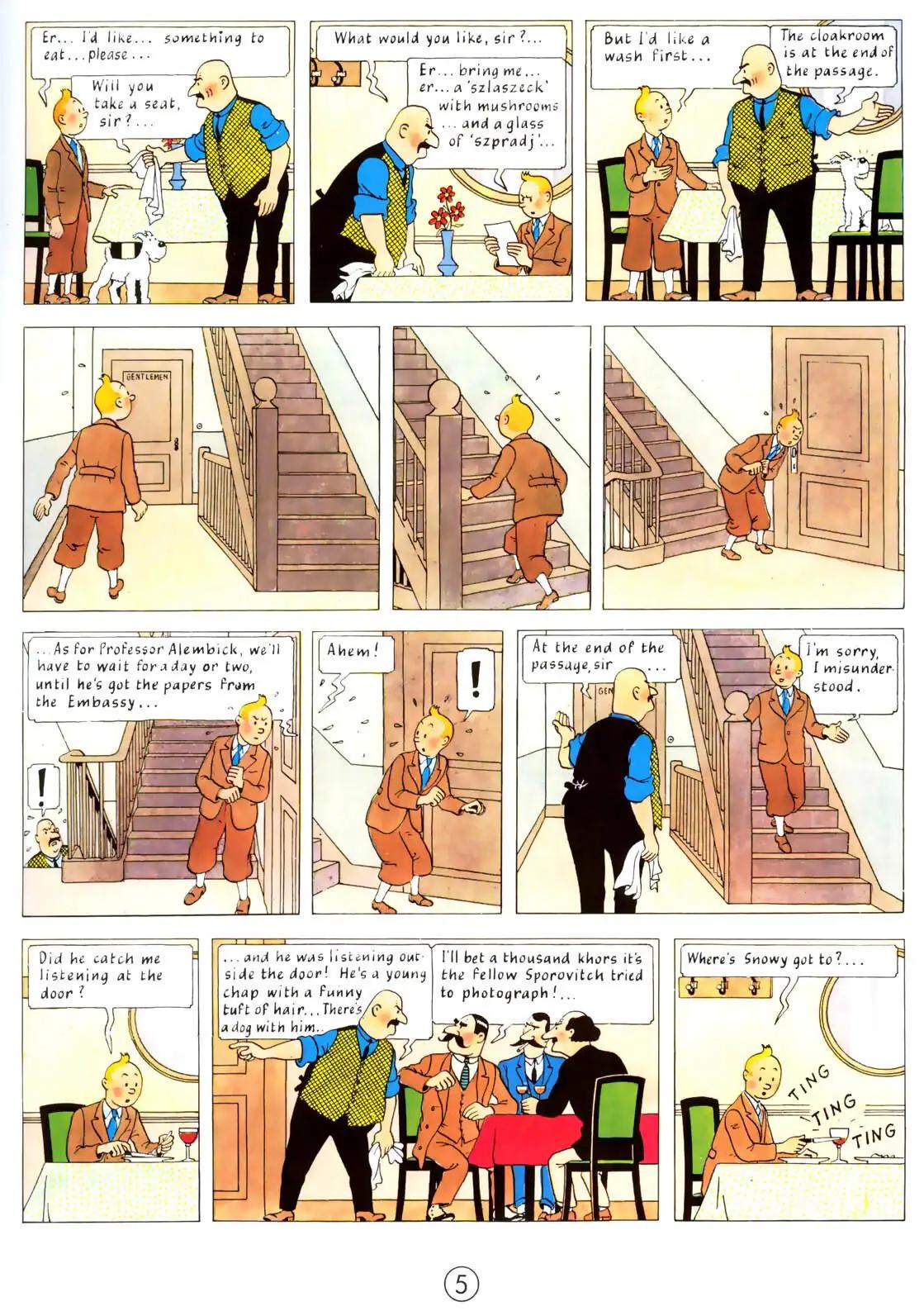
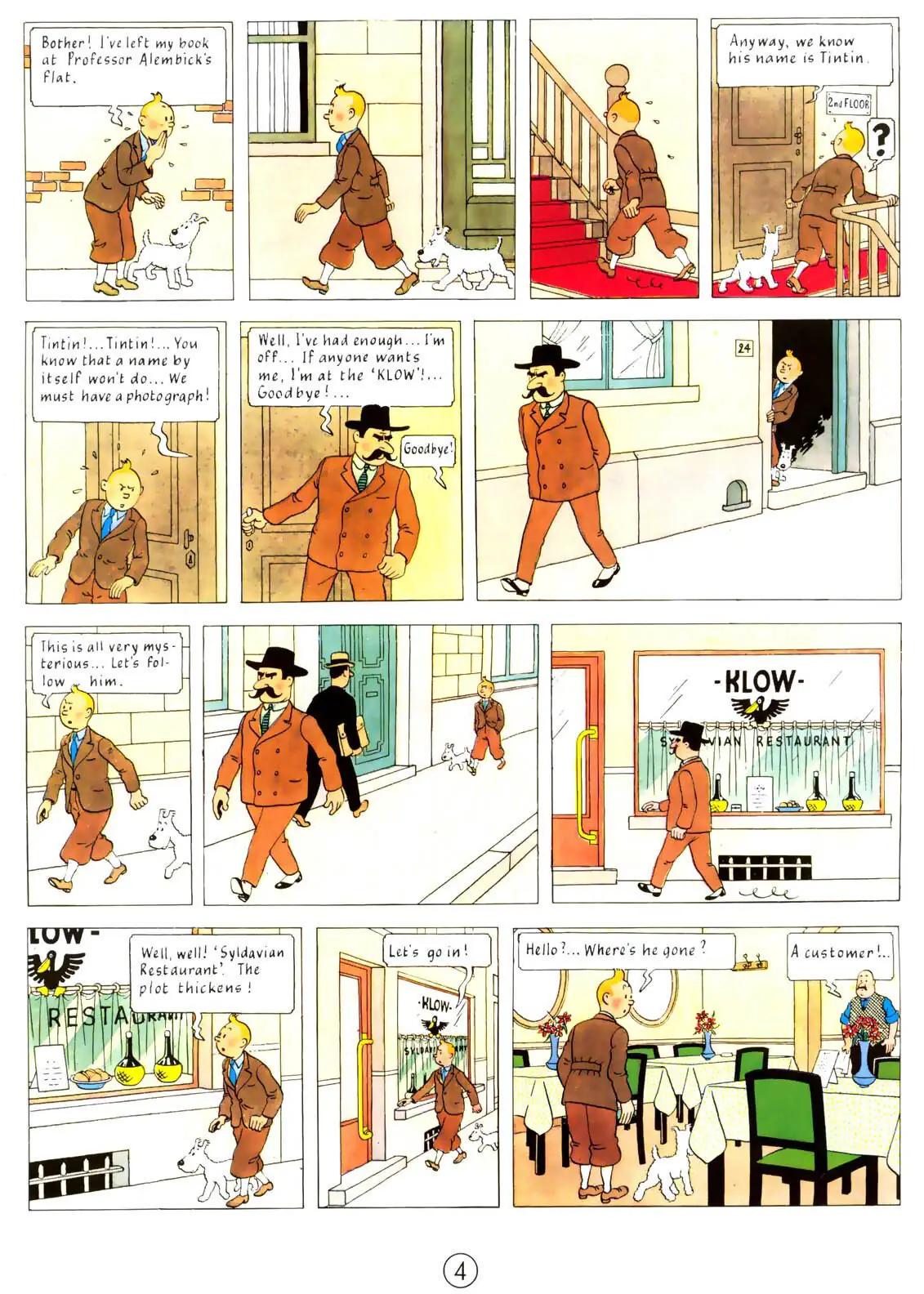
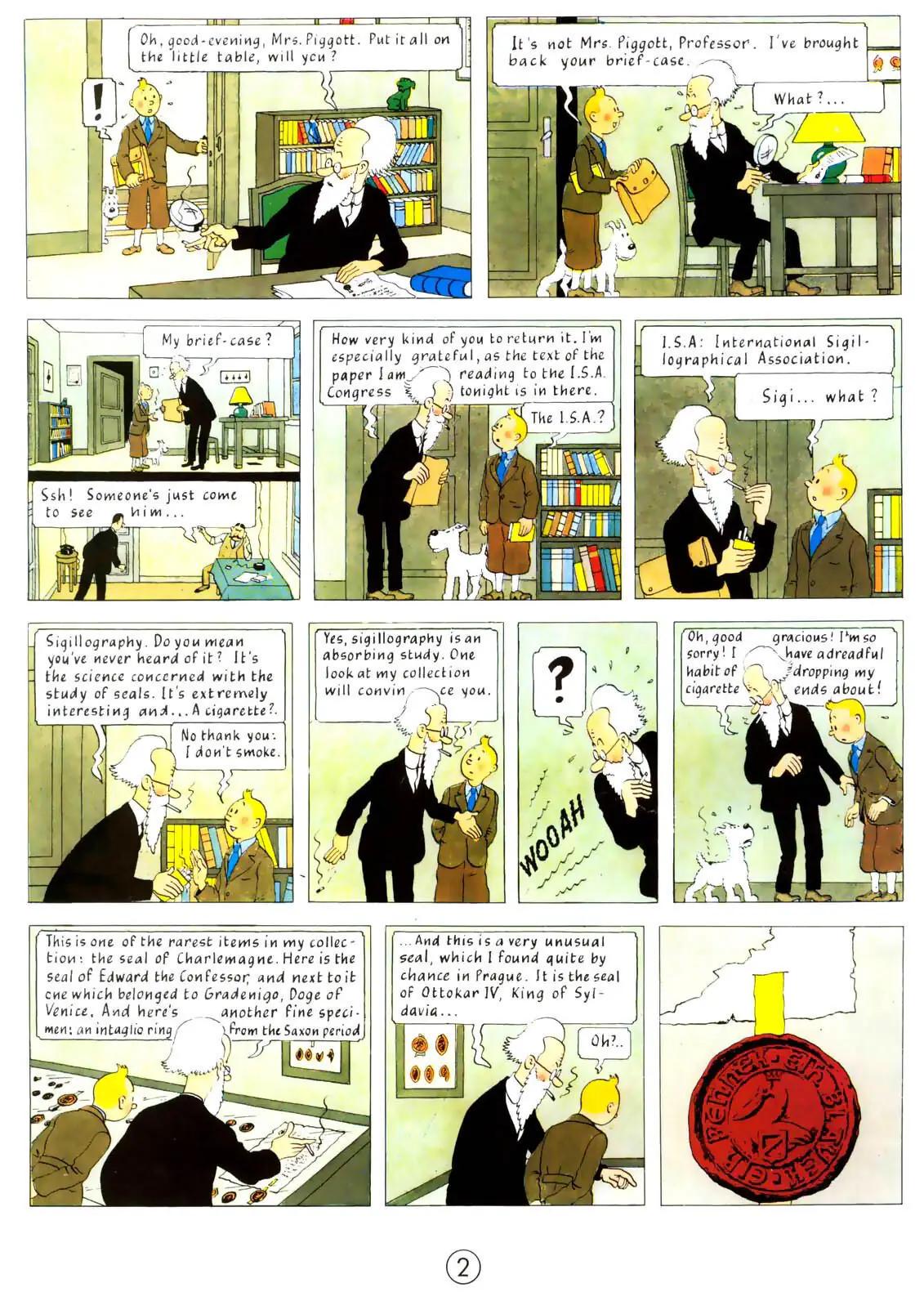
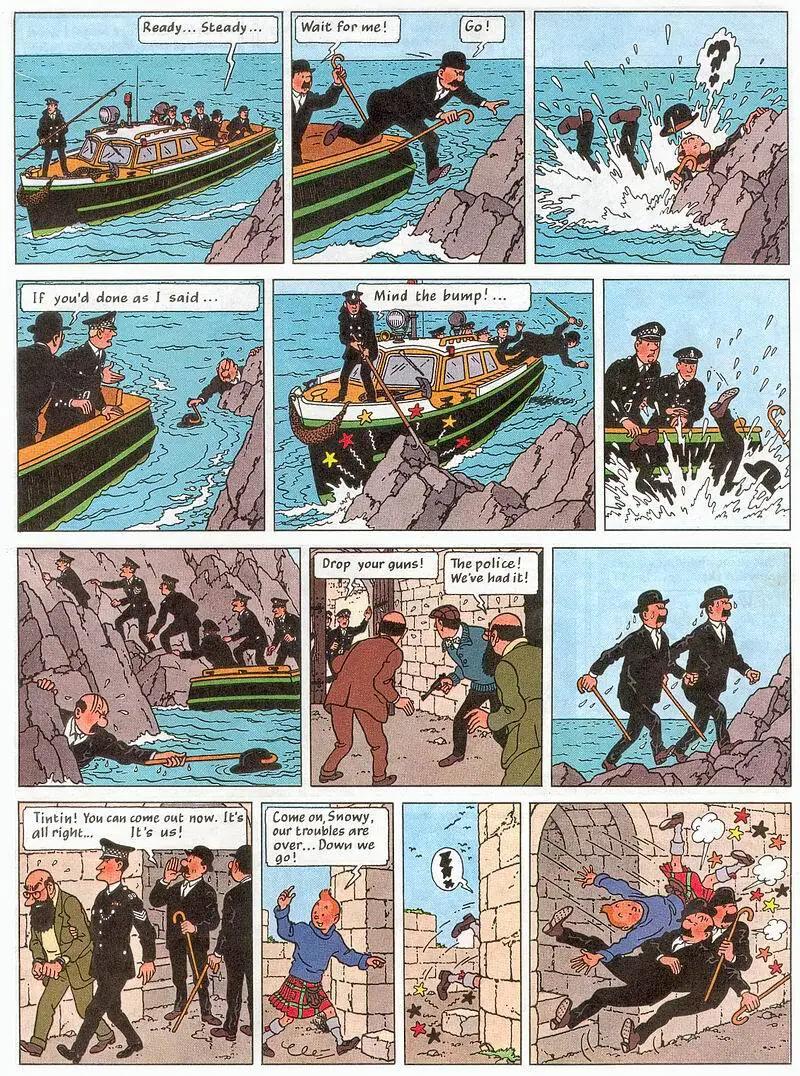
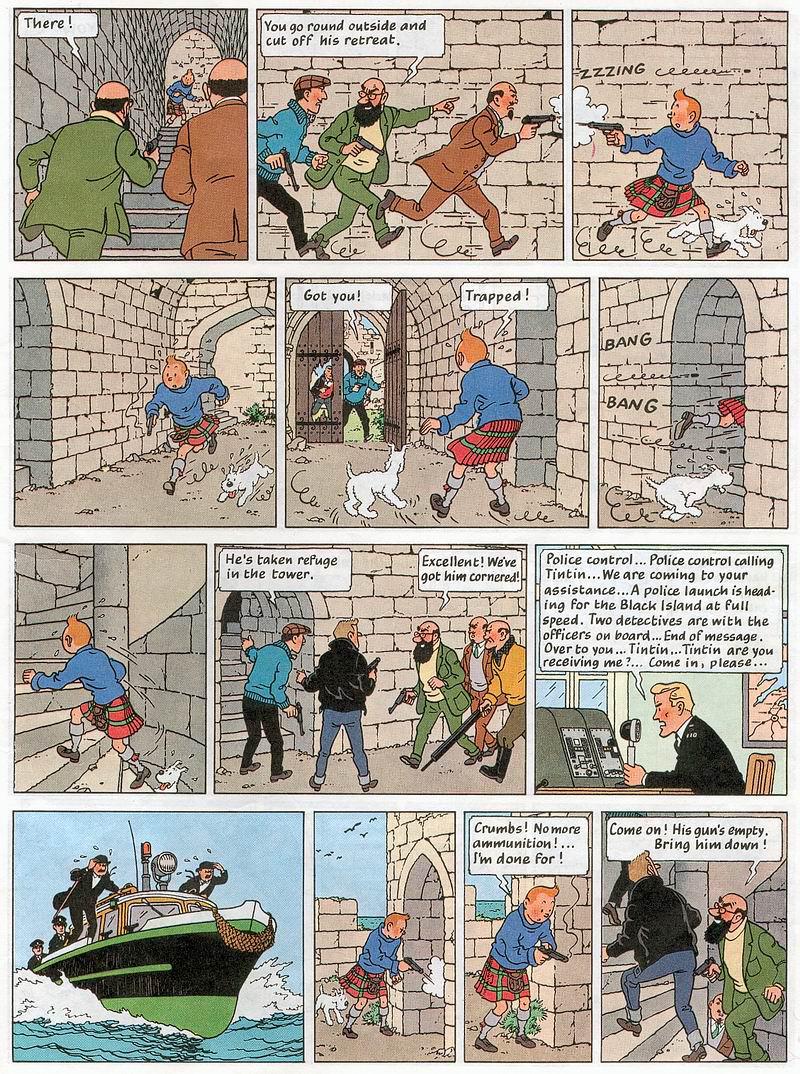
The patient, an adolescent-to-young-adult male of undetermined age (estimated 15–17 years), is referred for immediate multidisciplinary trauma evaluation following an uninterrupted, high-intensity sequence of polytrauma sustained across the operational span designated "The Black Island."
Over the course of 62 documented chronological report, the patient accumulated a minimum of 70 discrete medical insults spanning blunt-force craniocerebral trauma, ballistic grazing, mechanical entrapment, volatile chemical incapacitation, vehicular and aviation ejections, megafaunal close-quarters combat, cold-water immersion, repetitive acoustic blast exposure, and severe autonomic/neuropsychiatric shock. Most alarmingly, the clinical record reflects at least six distinct Loss of Consciousness events occurring without interval medical stabilisation, neurological clearance, or rest. Despite an objectively catastrophic cumulative injury load, the patient currently presents ambulatory, coherent, and unassisted. In trauma medicine, such outward functionality is clinically deceptive: it reflects extreme physiological resilience sustained by prolonged sympathetic nervous system activation (catecholaminergic overdrive) rather than an absence of internal pathology. The full chronological log of documented medical issues follows below.
II. Chronological Log of Medical Issues Sustained
Grazed on the ribs by a bullet; lost consciousness.
Hit on the back and posterior after being thrown onto the floor by the sudden stop of a moving train.
Clubbed on the back of the head; lost consciousness.
Tripped on a rock, injuring his right heel and falling onto his back.
Hit on the back of the head with a large bone.
Tripped on another rock, falling to the ground hands-first.
Acute anxiety from believing a large canine is mauling (off-panel) his dog companion.
Clamped on his right shin and calf by a wolf trap.
Sustained various blows during a fistfight, including a strike to the face.
Hit on the back and posterior after being thrown onto the floor by a shoulder throw.
Knocked out by volatile chloroform vapours and fell onto his back; lost consciousness.
Exposed to high heat and smoke from a blazing fire.
Tripped on a wire, falling to the ground hands-first.
Struck on the head by a falling lamp; experienced slight dizziness.
Struck in the face after stepping onto a rake; experienced momentary loss of consciousness.
Fell onto a dirt road from the top of a wall, striking his chin, hands, and potentially his arms and chest; experienced momentary dizziness and disorientation.
Sustained unspecified blunt force impacts after being violently thrown headfirst from a crashing caravan into a shallow body of presumably clean water.
Sustained unspecified pulled muscles from climbing onto a moving truck (original version).
Inhaled smoke and soot in a tunnel while lying on the roof of a train; experienced potential skin contamination as well.
Struck in the face and chest by bumping into a gentleman.
Sustained unspecified pulled muscles from grabbing onto the handrail of a cistern wagon on a train traveling at full speed.
Cervical trauma and asphyxiation threat from being forcibly pulled by the neck with a wooden walking cane.
Recurrent cervical trauma and asphyxiation threat from being forcibly pulled by the neck a second time with a wooden walking cane.
Acute anxiety from watching a plane dive directly toward him.
Minor blunt force impacts to the anterior torso while forcing himself to the ground to avoid being struck by the diving plane.
Acute anxiety from flying under bad weather and having a distressed landing.
Acute stress and imminent mortality awareness from being thrown out of a crashing plane.
Potential multiple injuries upon being thrown out of the plane, from contact with the vehicle, high-velocity air resistance, whiplash, severe deceleration, and exposure to debris and unknown environmental conditions.
Sustained superficial and dermal lacerations to the face, hands, and exposed skin, alongside extensive tearing of garments, upon falling headfirst into a dense bush of Scotch thistle.
Acute psychological distress from managing his dog companion's recurrent ethanol consumption.
Acute stress and anxiety from witnessing his dog companion's uncontrolled tumble down a steep, rocky incline.
Acute startle response and psychological apprehension triggered by sudden, loud, unidentified booming acoustic stimuli.
Acute startle response and psychological shock triggered by a roaring gorilla emerging from a doorway at point-blank range.
Upper extremity blunt vibration trauma and kinetic shock resulting from breaking a solid hardwood walking stick across a primate's skull.
Severe acute terror / claustrophobic apprehension induced by an ineffective attack against a megafaunal predator.
Superficial dermal impact to knees and hands sustained when scurrying face-down onto unyielding stone paving during an evasion manoeuvre.
Acute panic response induced by being cornered against a locked heavy wooden door with an approaching hostile animal
Acute upper-extremity kinetic strain and rotator cuff torque resulting from hurling a heavy masonry stone.
Extreme acute psychological stress and mortality terror triggered by being cornered and threatened by a savage animal.
Acute acoustic shock from standing in close proximity to a heavy stone boulder smashing through a solid wood door.
Minor epidermal excoriations and blunt contact strain from diving through a jagged, splintered wooden aperture.
High-exertion musculoskeletal strain from a high-speed sprint across steep, irregular, rocky coastal terrain.
Extreme acute psychological distress and panic surge upon discovering his sole escape vessel missing while trapped on a rocky shoreline under active enemy pursuit.
Lower-extremity impact strain from leaping down uneven terrain under active pursuit.
Minor friction abrasions and soft-tissue compression to the shoulders, torso, and extremities from forcefully squeezing through a narrow and harsh opening.
Severe acute psychological trauma and existential panic induced by entrapment within an enclosed space facing rapid submersion.
Near-miss ballistic trauma within inches of his head, with acute hydrodynamic shockwaves from the nearing shots
Potential immersion hypothermia and thermal stress sue to prolonged exposure to chest-deep cold seawater while wearing heavy drenched woollen garments
High-exertion musculoskeletal strain from swimming and climbing a steep, wet rock.
Acute psychological stress and covert tactical tension, from facing external stressors.
Closed head injury from an uncontrolled, headfirst fall from an elevated position directly onto solid ground; experienced slight dizziness and momentary incapacitation.
Potential axial cervical compression from fall.
Acute psychological stress and adrenaline surge from defensive manoeuvres.
Upper extremity musculoskeletal exertion from manually securing tight rope bindings and forcefully swinging a heavy metal handgun as a blunt weapon.
Acute upper-extremity torque and musculoskeletal exertion caused by swinging of a dense, heavy industrial ink roller.
Sustained adrenal hyperarousal during the high-stress execution of a close-quarters tactical ambush.
Acute traction and rotational strain to the lower extremity, sustained when an adult opponent firmly gripped the distal tibia/fibula with both hands and executed a forceful upward yank, rapidly destabilising the talocrural and tibiofemoral joints.
Posterior blunt force trauma caused by fall onto solid stone masonry, resulting in compressive contusions to the posterior torso, scapulae, and elbows.
High-exertion kinetic strain, generated by executing a forceful upward kick from a mechanically disadvantaged prone position.
Severe craniocerebral blunt force trauma, sustained from a heavy, falling masonry block striking the parietal and occipital regions of the skull.
Axial traction and glenohumeral strain, sustained while being lifted and dragged by a single arm by a primate possessing massive upper-body strength.
Secondary blunt facial trauma on the mandible, sustained when abruptly dropped from a height by the gorilla, resulting in an uncontrolled chin-first impact against solid stone.
Acute Psychological Shock and Autonomic Whiplash from finding out hostile agents are free, after prolonged distraction and tactical impairment.
Acoustic trauma and Maximal anaerobic exertion from close-range gun rounds and sprinting through castle corridors.
Acute terror from entrapment in tower.
Acute lumbar and upper extremity strain from hoisting and heaving a heavy masonry block down the stairwell and positioning a second stone block.
Acute startle shock from sudden appearance of hostile primate
Distal lower-extremity blunt trauma from stairwell tumble and high-kinetic deceleration collision.
Brief sensory crowding from a dense mob multitude, followed by bewilderment.
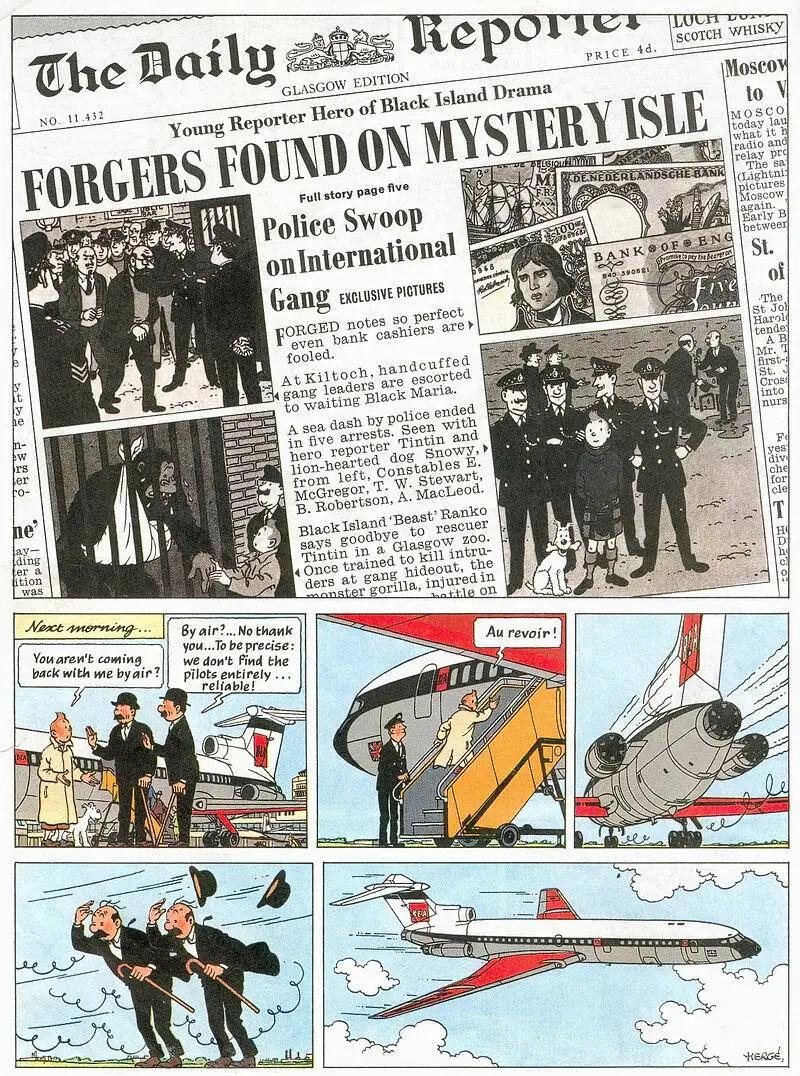
Otic barotrauma and acoustic stress from standing on the tarmac conversing near a commercial jetliner.
The patient has sustained at least 70 documented damage points across 62 pages—a conservative floor that likely undercounts subclinical secondary impacts. Although all acute external threats have now been resolved and the patient displays an extraordinary capacity to function without visible assistance, this apparent stability masks a catastrophic underlying trauma burden, most acutely driven by at least six documented Loss of Consciousness events.
Under established trauma medicine standards, the abrupt cessation of danger and the resulting drop in circulating catecholamines upon reaching safety place M. Tintin at immediate risk of:
Delayed vasovagal syncope and acute post-adrenal hemodynamic collapse.
Severe post-concussion syndrome and progressive neurocognitive deterioration.
Occult cervical or lumbar spinal injury previously masked by adrenergic analgesia.
Delayed intracranial haemorrhage (subdural or epidural haematoma) or cerebral oedema secondary to cumulative closed-head impacts.
Immediate Clinical Directives:
Emergency Admission and Observation: Immediate transfer to an acute trauma centre for continuous neurological monitoring and cardiovascular stabilisation.
Diagnostic Imaging: Urgent non-contrast cranial CT (and follow-up MRI as indicated) alongside cervical, thoracic, and lumbar spinal imaging to exclude occult fractures, disc compression, or intracranial bleeding.
Secondary Workup: Orthopaedic assessment of the right lower extremity (wolf-trap and traction sites) and left/right glenohumeral joints, audiometric evaluation for blast/barotrauma, and respiratory screening following smoke and chloroform exposure.
Aeromedical Contraindication: Commercial air travel is strictly contraindicated. Exposure to cabin pressurisation shifts and mild hypobaric hypoxia poses an unacceptable risk of tension pneumocephalus, worsened cerebral oedema, or severe otic barotrauma until comprehensive cranial imaging and formal neurological clearance have been completed.
Playing Cigars of the Pharoh on Xbios series X. I'm at the part where I'm trying to catchup to tge car thart kidnapped the prince and I'm in the Himalayas. But it keeps freezing and is very slow. Is this a bug? If so, what do I do?