For context:
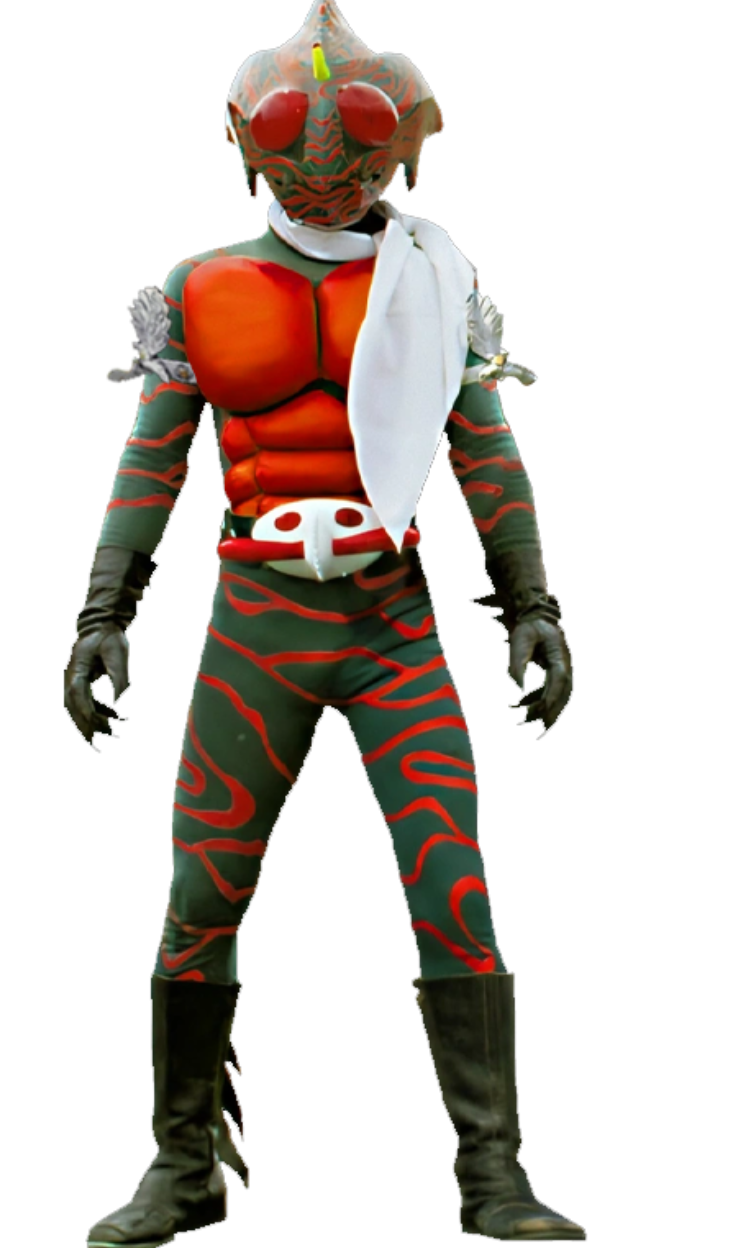
The Great Leader is an unapologetic card-carrying villain whose ambition is basically world domination, turn humans into monsters, and proudly proclaims himself as the embodiment of evil.
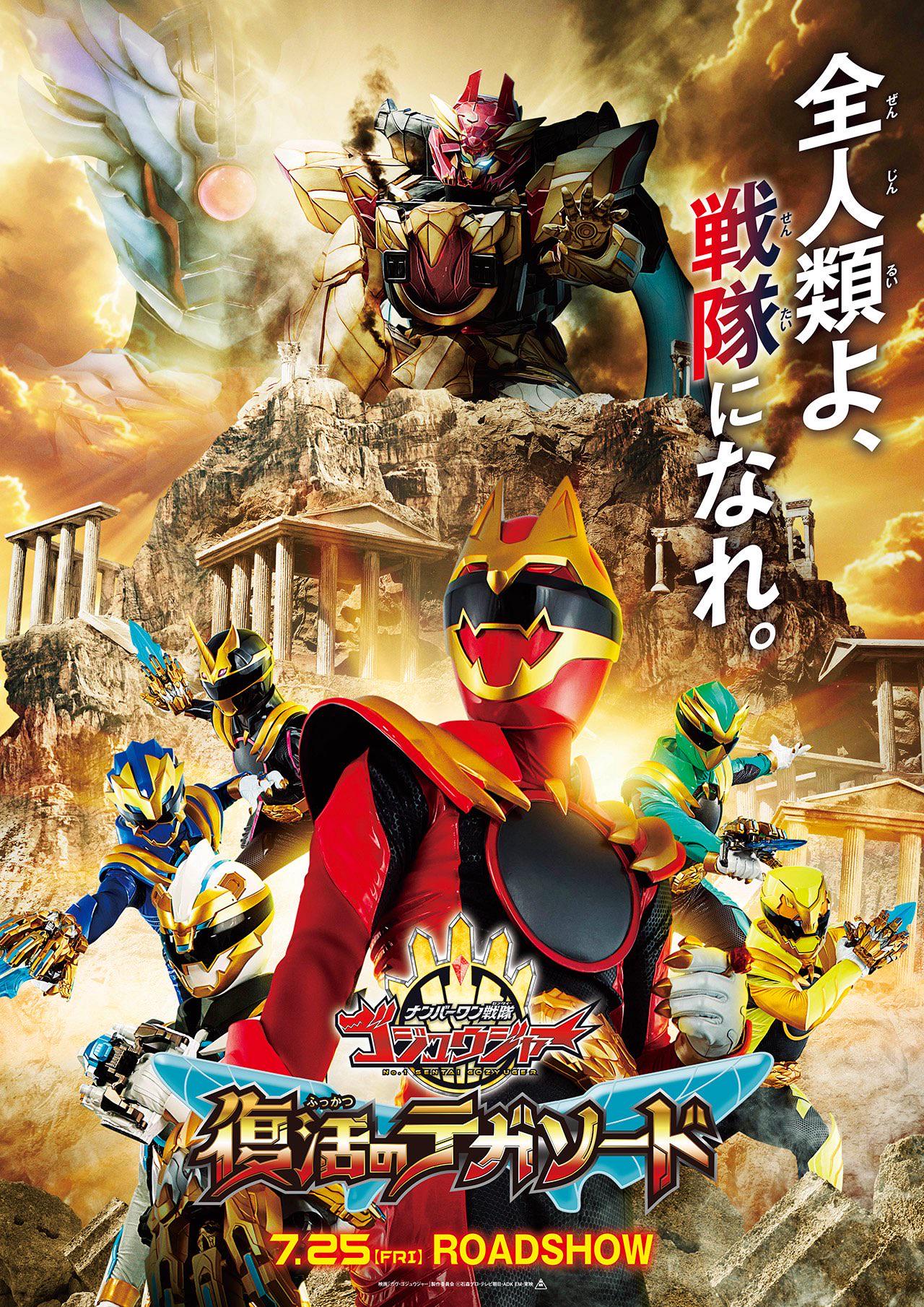
Zein, on the other hand, is another level. The easiest comparison to Zein in terms of villainy is Light Yagami from Death Note. In fact, most of Zein's negative behavior are a case study of moral disengagement: Zein insists that it can do no wrong while believing itself it has the right to judge all of mankind (Moral justification). Treats its genocidal actions as a euphemism for eradicating malice (euphemistic labeling), Zein finds Banno's evil more repulsive, but it is far more depraved than Banno himself, yet Zein doesn't seem to acknowledge that Zein itself isn't any better (advantageous comparison). Zein uses its own allies as scapegoats for its atrocities after discarding them like disposable pawns (Displacement and diffusion of responsibility). Since Zein is an artificial intelligence, in its point of view, it can do whatever it wants without any fear of consequences (downplaying injurious consequences), and views human beings as software bugs that needed fixing (dehumanization).
The Great Leader never makes excuses for all the crimes he has done. He's attempted genocide, done human experimentation, kills his own minions for failing him, threatened innocent people, and the list goes on and on. Zein is the epitome of claiming "I can do no wrong, so I am never wrong.", the fact it was originally meant to learn human benevolence, but never experienced failure, criticism, and rejection. Not to mention, Zein crossed too many lines that no hero or antihero should have crossed.