Okay, let me be a little more serious about this. I never really dug too deeply into this because, one, I'm Jewish, and two, I'm bi. But this has always been something that interested me regarding Enid's character, which is why I was so happy to see this sort of topic actually explored in something like The Body.
From the little we know about their culture, werewolves seem to be pretty conservative compared to the other Outcasts. There's something about their expectations that reminds me of more conservative Catholic culture, particularly the emphasis on finding a partner, settling down, and following a very specific idea of what your future is supposed to look like. Between the conversion therapy shit in Season 1 and Enid's experience of being an outcast among her fellow wolves, there's a lot to unpack about the expectations placed on her and what happens when someone doesn't fit into them.
Something I've always found interesting is how hell-bent Enid seems to be on finding a boyfriend in both seasons. Personally, I read Enid as a lesbian, so I can't help but look at that through the lens of compulsory heterosexuality.
Like, what if some of that desperation comes from growing up in a culture where finding a partner is simply what's expected of her? Having a boyfriend, eventually finding a mate, and building the kind of life her community considers acceptable could all be things she's been conditioned to want. There's something particularly sad about the possibility that she's been chasing a future she thinks will make her feel accepted without ever really questioning whether it's what she wants.
Which brings me to the graveyard scene in Episode 6, when Wednesday tells Enid that she won't let her be alone.
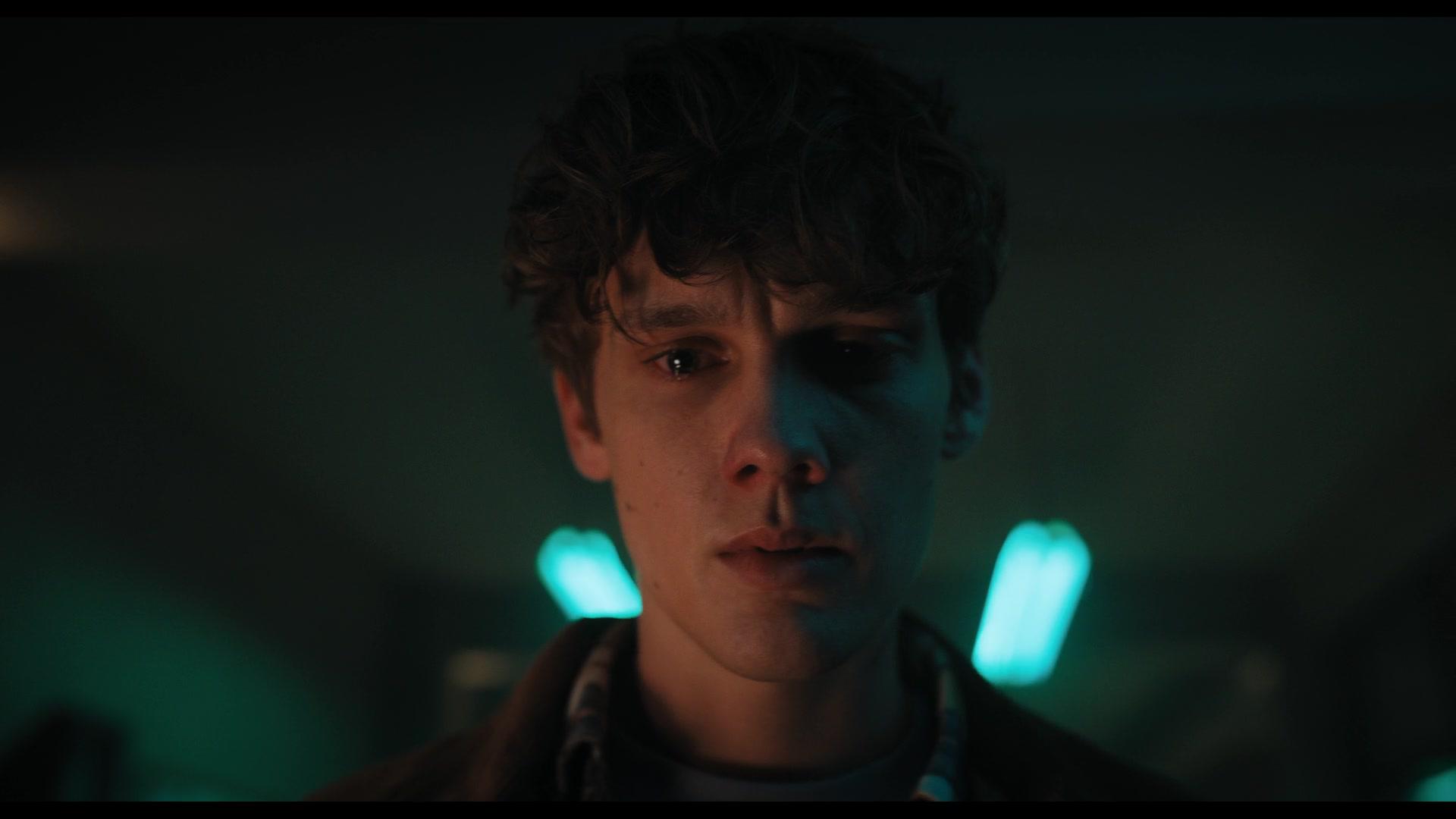
The relief in Enid's eyes was honestly so vulnerable. Even with Jenna portraying her because of the body swap, that emotion came through beautifully. It was as if something had finally been lifted off her shoulders. Wednesday wasn't promising to find her someone or help her fit into werewolf society. She was telling her that she wouldn't have to face the world alone.
And I find it interesting how that seems to carry all the way to Episode 8. Enid doesn't even seem particularly bothered by Bruno cheating on her. She pushes past the whole thing with surprising ease, even going as far as complimenting Sofia. Considering how much importance she's placed on finding someone throughout both seasons, I find that reaction pretty telling.
Maybe it was planned, maybe it's a fluke. But whatever Emma and Jenna cooked up as they helped shape this character really shows how much damage someone's culture and its expectations can do to them. Enid is such a repressed character in Season 1, and I think she still carries some of that repression into Season 2.
But after she embraces being an Alpha and transforms to save Wednesday, something seems to shift. Despite the pain, the obvious trauma, and everything that could come with stepping outside the expectations she's grown up with, she finally seems more comfortable with herself. I think there's a coming-out interpretation here that's worth exploring.
Coming to terms with being gay can mean confronting the possibility of disappointing your family, losing your community, or realizing that the future you've been taught to want isn't actually the one you want for yourself. For Enid, that could mean more than accepting that she's different from the other wolves. It could also mean letting go of the expectations surrounding who she's supposed to love and what her life is supposed to look like.
And that's where Wednesday becomes so important. Her acceptance doesn't magically make Enid who she is or erase the struggles she'll have to face. But Wednesday gives her the reassurance that she won't have to go through any of it alone. Enid doesn't have to conform to make herself worthy of being loved. She doesn't have to find a boyfriend or become the kind of wolf her family wants her to be.
I think that's what makes the graveyard scene so meaningful to me. Wednesday is essentially telling Enid that she has a place with her, regardless of what anyone else thinks.
You don't have to read Enid as gay to find this interesting. Even if you don't subscribe to that interpretation, it's hard to ignore how much queer-coded content surrounds her character.