The Story of “Jus Lyke Compton”
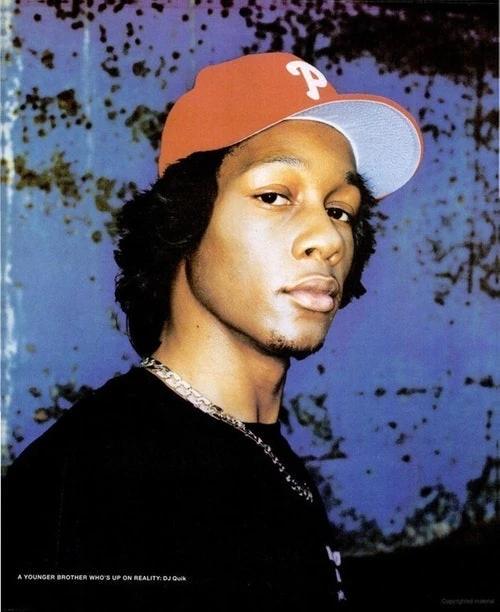
On October 13, 1991, DJ Quik was scheduled to perform an all-ages show at the Mammoth Events Center, a roller-skating rink in Denver, Colorado. What happened that night would become one of the most infamous incidents of his career—and eventually inspire the final verse of “Jus Lyke Compton” from his 1992 album Way 2 Fonky.
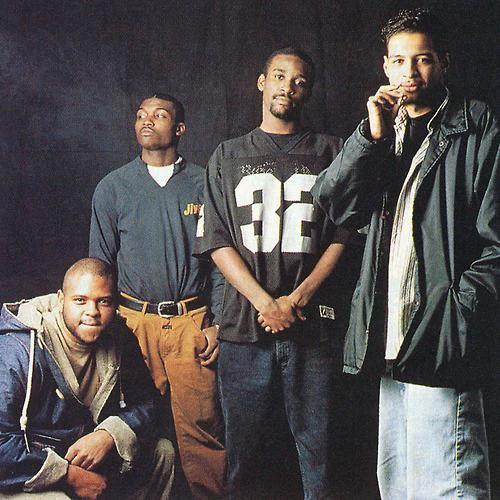
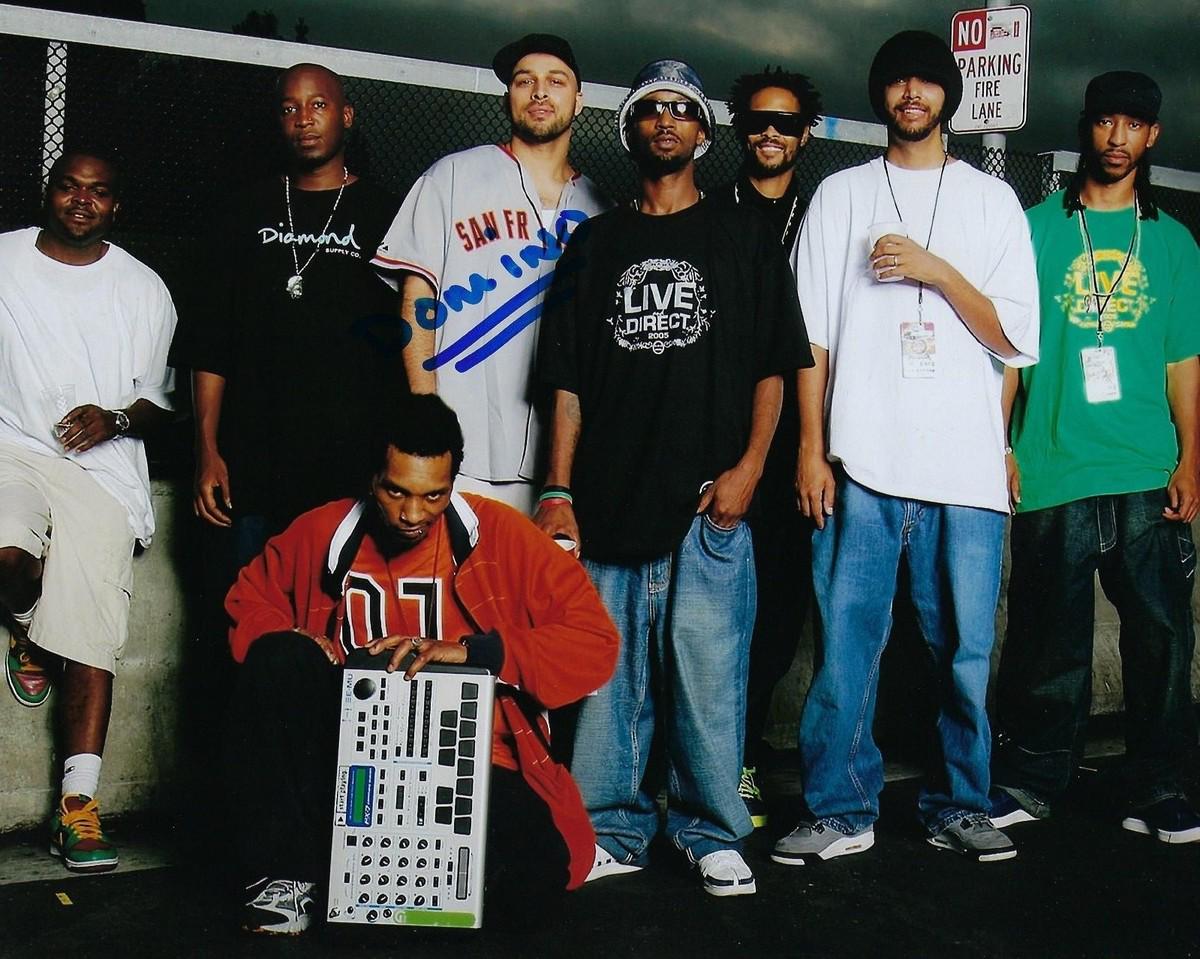
At the time, Quik was touring behind his gold-selling debut album, Quik Is the Name. The tour had already become dangerous, with riots, shootings, and gang confrontations taking place in other cities. Traveling with him was an entourage that included AMG, Hi-C, and the duo 2nd II None, consisting of KK and D.
The Booking Blunder
The Mammoth Events Center was located in the territory of the East Side Crips, while Denver's Blood sets were concentrated primarily in nearby Park Hill. The promoter apparently failed to account for the city's gang geography and the tensions surrounding the show when arranging the event.
DJ Quik was an active Tree Top Piru Blood from Compton, and members of his entourage also had affiliations with the Pirus. Security was under-equipped for the situation, which was unfolding during Denver's violent period known as the “Summer of Violence.”
Gang Tensions Outside the Venue
Local Denver rap group Tha Homeboys were scheduled to open the show. But before Quik even hit the stage, gang tensions were already escalating outside the venue.
Park Hill Bloods—including reputable OG Billy Mack—had initially shown up deep with the red team to support Quik. However, a fight broke out between the Park Hill Bloods and East Side Crips right before the show, prompting security to deny entry to the Park Hills.
With the local Bloods unable to get inside, the venue was overwhelmingly packed with rival Crips from both the East and West sides of Denver, leaving Quik and his Compton entourage isolated on stage.
Quik wore a Chicago White Sox hat with red accents and Chicago Bulls gear, which was a standard uniform for Bloods during that era. While performing, he noticed groups of Crips in the audience who weren't dancing but instead stood around staring down him and his crew.
As he continued to perform, the crowd began taunting him, flashing gang signs, and throwing objects. Quik allegedly responded by changing the lyric “Fuck it, let's shoot some craps” to “shoot some crabs,” flipping off the crowd, throwing up rival gang signs, and spraying beer toward the audience.
The Mammoth Events Center Riot
The stage featured street-themed props, including empty 40-ounce bottles, a fake trash can, and a streetlight. At some point, a member of Quik's crew threw a bottle into the audience. The crowd retaliated by throwing bottles back, and within minutes, the venue erupted into a full-scale melee.
After the show, the violence continued outside. The windows of Quik's limousine were smashed, and two concertgoers reportedly required stitches. One 21-year-old suffered a gash to the cheek.
DJ Quik's Arrest, Trial & $135,000 Legal Fallout
Approximately two hours later, police arrested Quik at his hotel near Stapleton Airport. He was charged with misdemeanor second-degree assault.
Quik returned to Denver on October 19, 1992, for trial. By then, the incident had already become part of his music: the final verse of “Jus Lyke Compton,” from Way 2 Fonky, included a direct diss aimed at Denver.
During the trial, a witness changed his testimony and said he was uncertain about what had happened. Quik and three others maintained that Quik had not thrown any bottles. The judge ultimately sided with Quik, and he was acquitted.
The legal trouble didn't end there. Quik also faced civil lawsuits from a concertgoer and the promoter. The legal costs and settlements reportedly totaled approximately $135,000.
The Source Interview and Denver's Rap Retaliation
Later that month, Quik addressed the Denver incident in a cover-story interview with The Source magazine. Denver residents took his comments as disrespect, and the fallout made the city a virtual no-fly zone for him. He was effectively unwelcome in Denver, and DJs faced backlash from local crowds if they played his music.
Denver's rap scene responded on wax. G.S.O.M. (Gangsta's State Of Mind) released “Suicide” on its 1993 debut album, Who's Got My Back?, taking aim at Quik over the incident.
The feud resurfaced in 1996 when Deuce Mob, Northwest Denver Chicano rap pioneers and the first Colorado rap act to land a major deal, released “Where You From” featuring A.W.B. on their album Going Solo. The track included a threat directed at Quik, warning that he could end up “on a stretcher.”
The responses:
The Apology That Ended the DJ Quik–Denver Feud
Years later, Quik buried the hatchet and apologized to Denver, bringing an end to a feud that had lasted well beyond the original concert. To this day, the incident remains a defining chapter of Denver hip-hop lore.
Who had the better response to the Denver incident: DJ Quik with “Jus Lyke Compton,” G.S.O.M. with “Suicide,” or Deuce Mob with “Where You From”?