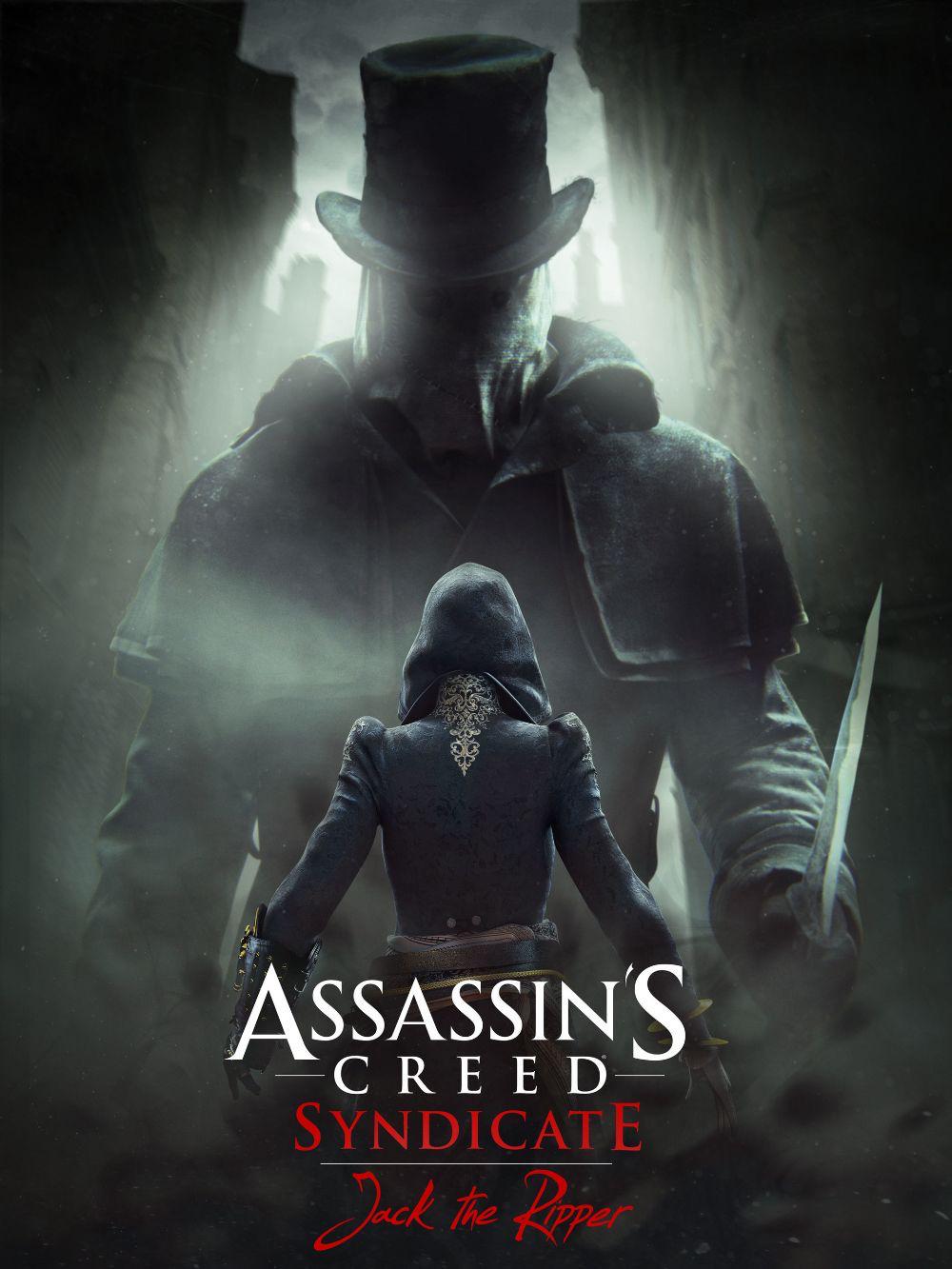
Ubisoft had their own Civil War game in the works — Project Scarlet — and they shelved it in mid-2024. This is my version, and it's better. I've been thinking about this one for years.
The hook
You don't start free. You start enslaved and the tutorial is the escape north to freedom. The game teaches you to climb, hide, and fight because your character is literally learning to survive in real time. No "press X to climb this haystack for no reason."
Harriet Tubman guides the escape. She's your mentor for the opening: she teaches the parkour, the hiding, the stealth and how to defend people, not just yourself. She carried a pistol on every run and protected her passengers; if someone wanted to turn back, she made it clear the only way was forward. The tutorial isn't just "get yourself out" it's "get everyone out."
The Templars
The Templars are the slave hunters in the escape, they're the ones chasing you. In AC lore they're all about "order" and control, and what is the plantation system if not that?
Here's the thing though I don't want the hunt to be permanent. Always having people after you would make it too difficult. But a wanted system works if you can fight it back down: switch outfits to change your look, bribe the bounty hunters to call them off, and your wanted level drops. Classic AC notoriety the pressure is real, but it's a resource you manage, not a punishment that never ends. Once you're North, the hunt is over as a mechanic. The Templars stay the enemy and you meet them again in the war and after it, but you're not running forever. The escape is the opening, not the whole game's pressure.
And the wanted level never quite hits zero. Back then, Black people weren't allowed to carry weapons so a Black man walking around visibly armed with a sword, a knife, or a gun, even up North, would instantly catch a guard's or a soldier's eye. Being an Assassin means you always carry a little heat. You keep it low by keeping weapons concealed, wearing the right outfit, and bribing when you have to but the floor is never zero. That's the tension that never fully goes away, and it's why the hidden blade matters: a weapon nobody sees.
But there's one outfit that solves the weapons problem outright: the Union Army soldier uniform. A Black man in Union blue, carrying a rifle up North, doesn't read as a threat he reads as a soldier guarding the streets. That's your free-pass outfit for carrying weapons openly, and it ties straight into the 54th Massachusetts chapters: you earn it by enlisting.
Going back South: rescue missions
The escape isn't one-way. After you're free, you take missions back South to help others get free guiding them North, hitting plantations at night, breaking people out. That's where the outfits earn their keep: enslaved people's clothes as a disguise to blend in on a plantation, a laborer's outfit, a driver's outfit. The wanted system lives here down South the hunters are a real threat again, and the disguise and the bribes are how you get in and out. Up North, you're safe; down South, you're playing the old game again, except this time you're the one doing the rescuing.
The war
Once you escape north, you fight in the Union Army in an all-Black unit, the 54th Massachusetts, the regiment from Glory. Their assault on Fort Wagner in July 1863 is the big set-piece battle. Like AC3, the major Civil War battles are the missions.
Lincoln is your Washington figure the leader who comes to trust you the way Washington trusted Connor. He really did meet with Black leaders like Frederick Douglass in the White House.
The story's turning point: the Emancipation Proclamation, January 1, 1863 the moment the war's purpose changes.
After the main story: the one-off Texas mission
The main game ends at Appomattox Courthouse Lee surrenders, April 9, 1865, the war is over. But it isn't over everywhere. So there's a one-off epilogue mission: a ride to Texas to carry the word of the surrender yourself. Confederate forces keep fighting there the last battle of the whole war, Palmito Ranch, is fought in Texas on May 12–13, 1865, after Appomattox and enslaved people there don't hear they're free until Union General Gordon Granger lands in Galveston on June 19, 1865 and reads General Order No. 3, the day we now call Juneteenth. You go through Confederate holdouts and Templars who are suppressing the news to keep slavery alive. The last people to hear they're free are the ones you free.
The cities
Washington, DC — the capital and the hub: Lincoln, the White House, Douglass's visits. The political heart of the game.
Philadelphia — the Underground Railroad's great station: William Still's hub, a big free Black community, the city Henry "Box" Brown shipped himself to in a wooden crate. The Northern safe city.
Richmond — the Confederate capital: spy missions inside Davis's house (Mary Bowser), Van Lew's spy ring, and the fall of the city in April 1865 as the endgame.
Savannah — the port city at the end of Sherman's March to the Sea, and the gateway to the Sea Islands where Tubman ran the Combahee River Raid.
None of these has ever been a major AC city. DC, Richmond, and Savannah have never been playable AC locations at all and Philadelphia never was either: in AC3 you only visit one building there for the Declaration of Independence scene. The devs skipped Philly as an open world because its grid layout didn't work for parkour. So all four cities are fresh ground for the series.
The countryside: Philly to Richmond
Between the cities, one continuous countryside: Pennsylvania, Maryland, and northern Virginia, running all the way from Philadelphia down to Richmond. It ties the North and the South together in a single map like AC3's Frontier, but it's the borderland itself. The Underground Railroad routes run through it, both armies march through it (Gettysburg in Pennsylvania, Antietam in Maryland, the Shenandoah Valley campaigns), and it's where the war actually gets fought. The cities are the hubs; the countryside is the road between them.
Naval missions
The Civil War had real naval warfare, and AC already knows how to do ships. The set-pieces write themselves:
Monitor vs. Merrimack - the Battle of Hampton Roads, March 1862: the first ironclad duel in history. The Confederate Virginia sinks two Union wooden ships on day one; the Union's Monitor shows up and they slug it out to a draw.
The blockade - the Union's Anaconda Plan, blockading Southern ports. Hunt blockade runners slipping cotton out and supplies in or run the blockade yourself.
Farragut at Mobile Bay - August 1864, "Damn the torpedoes, full speed ahead," lashed to the mast.
The CSS Shenandoah - a Confederate raider that kept hunting Union ships after the war ended; it didn't learn of the surrender until August 1865 and gave up in Liverpool that November. Same theme as the Texas mission: the war didn't end everywhere at once.
Why this version beats the one Ubisoft had
Ubisoft's Project Scarlet started with the hero already free and out west, then heading back South to fight the KKK. Mine starts with the escape the part people would remember.
The real history underneath it
54th Massachusetts - first Black regiment raised in the North; Fort Wagner, July 1863.
Emancipation Proclamation -January 1, 1863.
Lincoln met Frederick Douglass in the White House.
Juneteenth- General Order No. 3, Galveston, June 19, 1865; last battle of the war, Palmito Ranch, Texas, May 12-13, 1865.