"I was supposed to be fired. I was not fired, but the character was meant to be killed off," he said.
At the same time, Clifton was dealing with family and personal challenges of his own. There was an unexpected parallel between what he was experiencing in his life and what Liam was facing on screen.
"It felt like, okay, life is hard for a reason, and it's going to be okay. It's always going to be okay," he reflected. "It retroactively placed a kind of meaning on what I was going through at the time."
It was a deeply personal connection to a storyline that would ultimately become one of the most significant of his tenure on the show.
The arc led to Liam learning to let the people closest to him grieve with him before his death rather than after it.
"People want to suffer with you, not because they're masochists, but because shared suffering is always easier," Clifton said. "It was a lesson the character had to learn."
Eventually it was revealed Liam didn't have an inoperable brain tumor after all, he survived, and remarried Hope.
For the actor, that opportunity to portray genuine personal growth is one of the things that makes a storyline especially rewarding. Soap operas present a unique challenge because their characters can continue for decades without the traditional beginning, middle, and end found in other forms of storytelling.
"If you're lucky enough to have a career on a soap opera for a decade, two decades, or more, there has to be a kind of stasis," he noted. "We rarely get the opportunity to have these moments of genuine growth."
ON LIAM
When Liam first arrived in Los Angeles, he was presented as a wholesome, well-intentioned young man who wanted to do the right thing. But Clifton believes the character's actions gradually began to contradict the narrative the show was presenting to viewers.
"The character was always written with a certain narrative spin," he explained. "There's the character's actions, what they actually do and say and choose on paper, and then there's the narrative—what the show expects or predicts the audience will think about those actions."
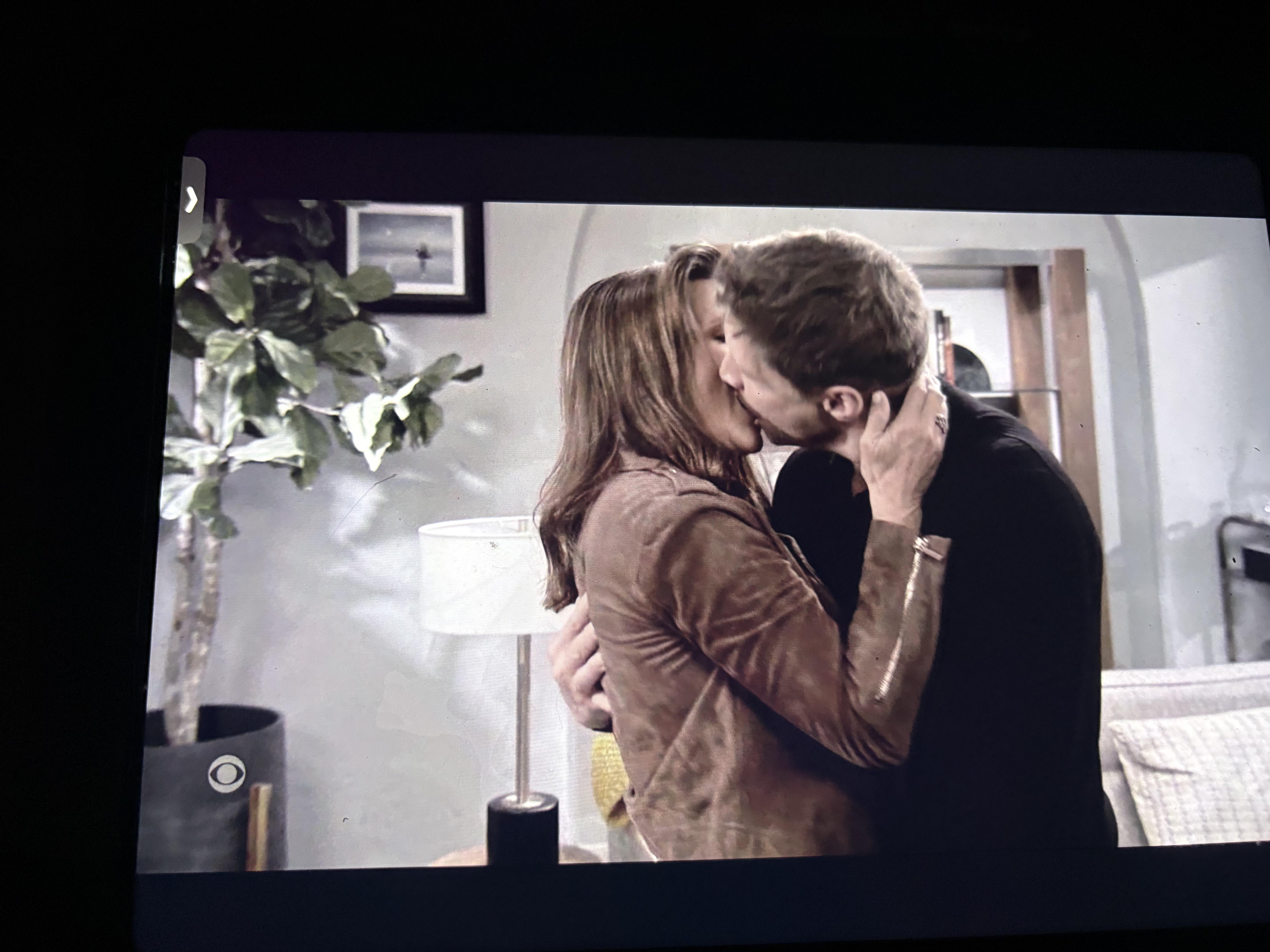
That disconnect became increasingly apparent as Liam found himself involved in romantic entanglements with Hope and Steffy, going back and forth between the two.
Clifton admitted that he was never particularly comfortable with the traditional leading-man love triangle. He didn't feel Liam had the qualities necessary to make a man constantly caught between two women particularly appealing.
"It never felt attractive to me. It felt increasingly unattractive about the character," he said.
Liam saw himself as the good guy, perhaps even a victim of circumstances beyond his control. The reality, however, was that he repeatedly made poor decisions, often because he was afraid of disappointing anyone.
"Sometimes those choices were motivated by the fear of disappointing anyone, which in turn disappointed everyone," Clifton observed.
"The character started spotless and stained himself over the course of 15 years or so," Clifton said.
Following that experience, Liam returned to the values he had originally hoped to embody. Clifton described him as having become honest, faithful, loyal, and forthright.
In a sense, Liam's greatest character development involved returning to the person he had wanted to be all along.
There is, however, one classic soap opera trope he has yet to experience: playing an evil twin.
"I would love to do that one day," he admitted.
But there is another storyline he'd love to see explored, one that goes all the way back to his first week on The Bold and the Beautiful.
During an early confrontation between the two men, Bill questioned Liam about his surname, Cooper. Liam's mother did not have that last name, so Bill wanted to know about the man who had helped raise his son.
Liam's response was brief but intriguing: "He was a nice man."
And that was essentially the end of the story.
Clifton has never forgotten that mysterious figure from Liam's past. He sees an opportunity to explore the influence of the man who served as a father figure during Liam's childhood and perhaps discover whether there was more to the relationship than viewers ever learned.
"Was he a nice man, or was that ironic? Was he a bad guy?" Clifton wondered. "There's this other man who was a huge influence in Liam's life, a paternal sort of figure who never gets mentioned again."
He acknowledged that the opportunity to revisit Liam's childhood and explore his complicated family history may have passed, but it's a storyline he has always wanted to see
ON HOW SOAPS SHOULD CHANGE
Specifically, he believes the traditional soap opera love triangle needs to evolve.
Clifton pointed out that the genre developed during a very different cultural era, when expectations surrounding masculinity, femininity, and romantic relationships were considerably different.
For decades, leading men were often portrayed as stoic, invincible womanizers, with multiple women competing for their affection. That dynamic was frequently presented as romantic or desirable.
But audiences see those relationships differently today.
Clifton doesn't believe love triangles need to disappear. Instead, he thinks writers should approach them with a greater understanding of the dysfunction and emotional consequences involved.
Rather than presenting a man caught between two women as an ideal romantic situation, the story can acknowledge that the characters are making unhealthy decisions.
"Being in a love triangle is a problem. It's not this cool, sexy thing," he emphasized.
For Clifton, the challenge is finding new perspectives on familiar soap opera storytelling traditions. The genre doesn't necessarily need to abandon its established conventions, but it does need to reconsider how those conventions are presented to modern audiences.