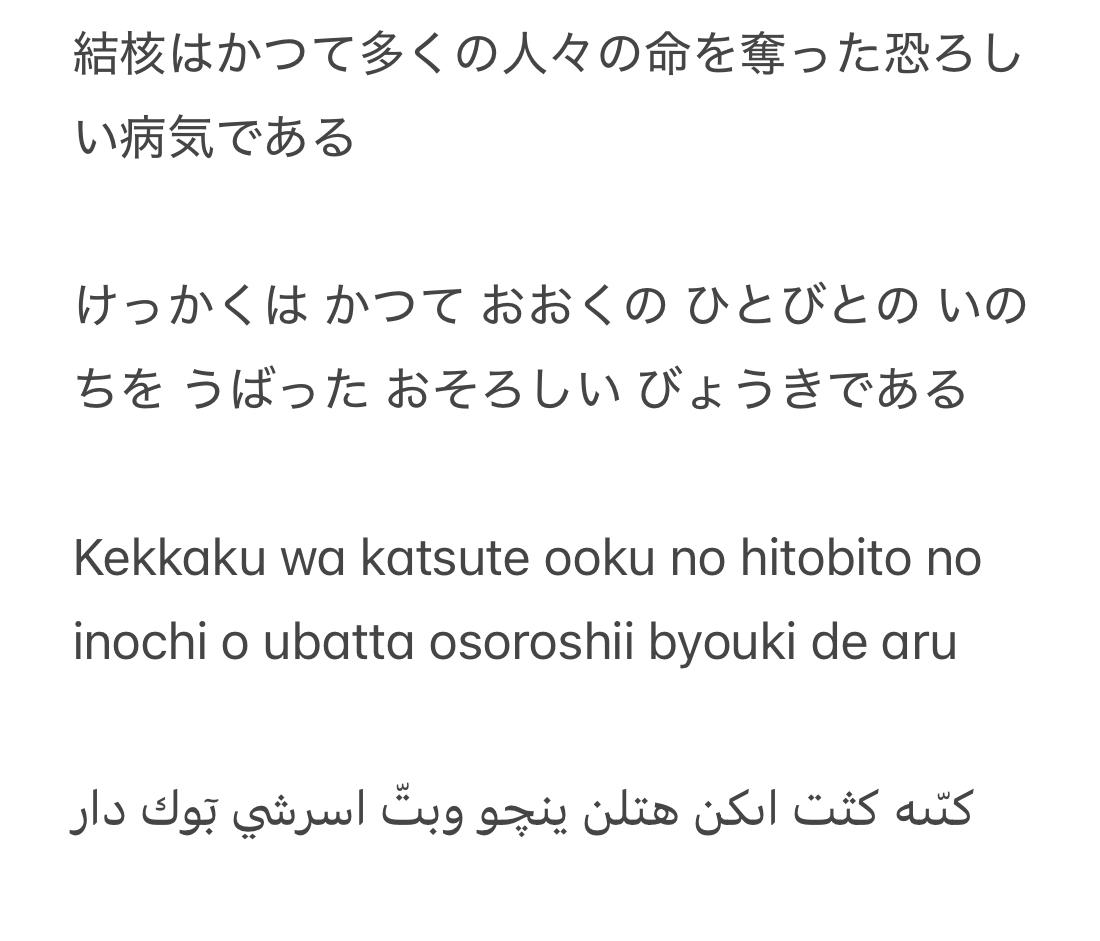
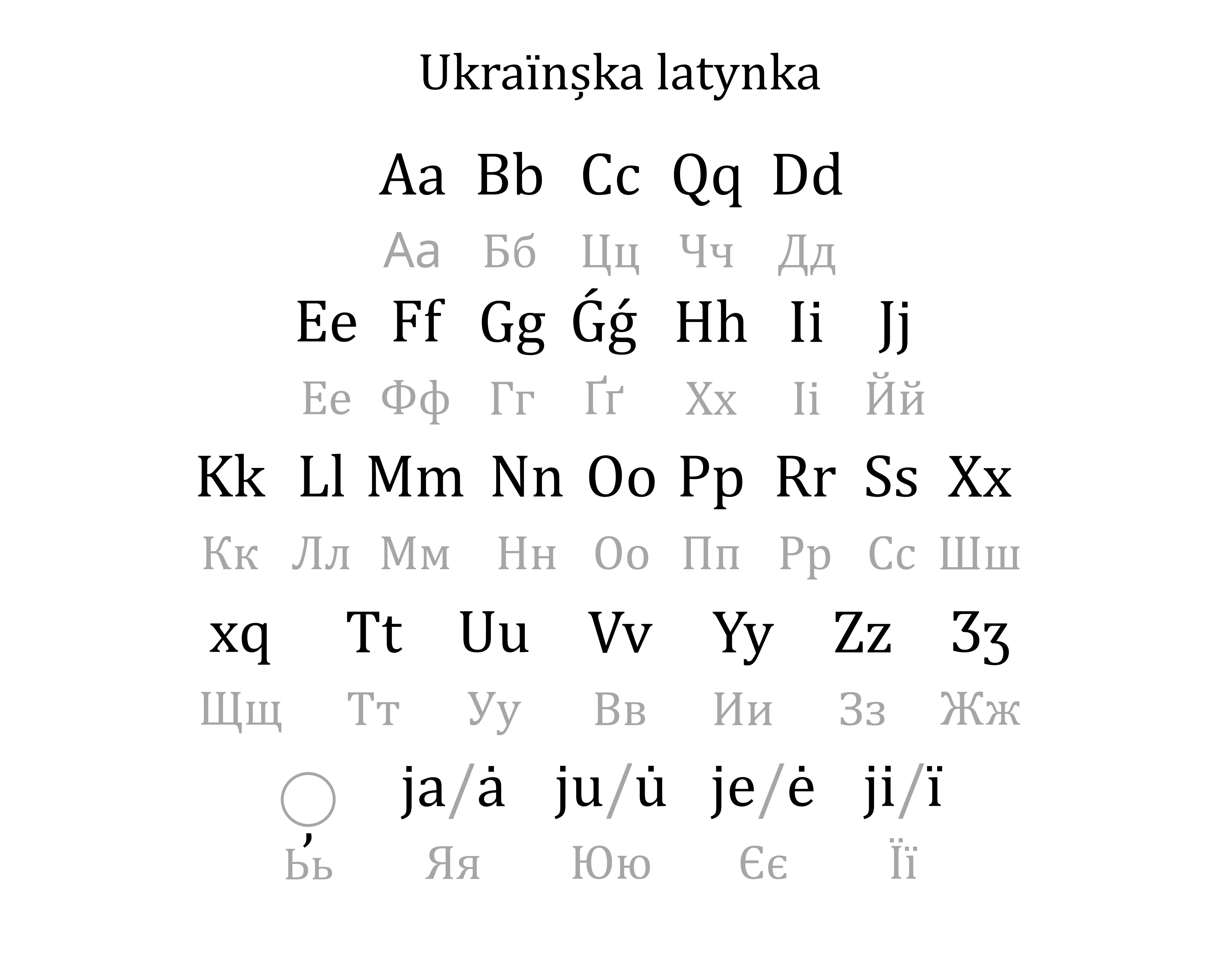
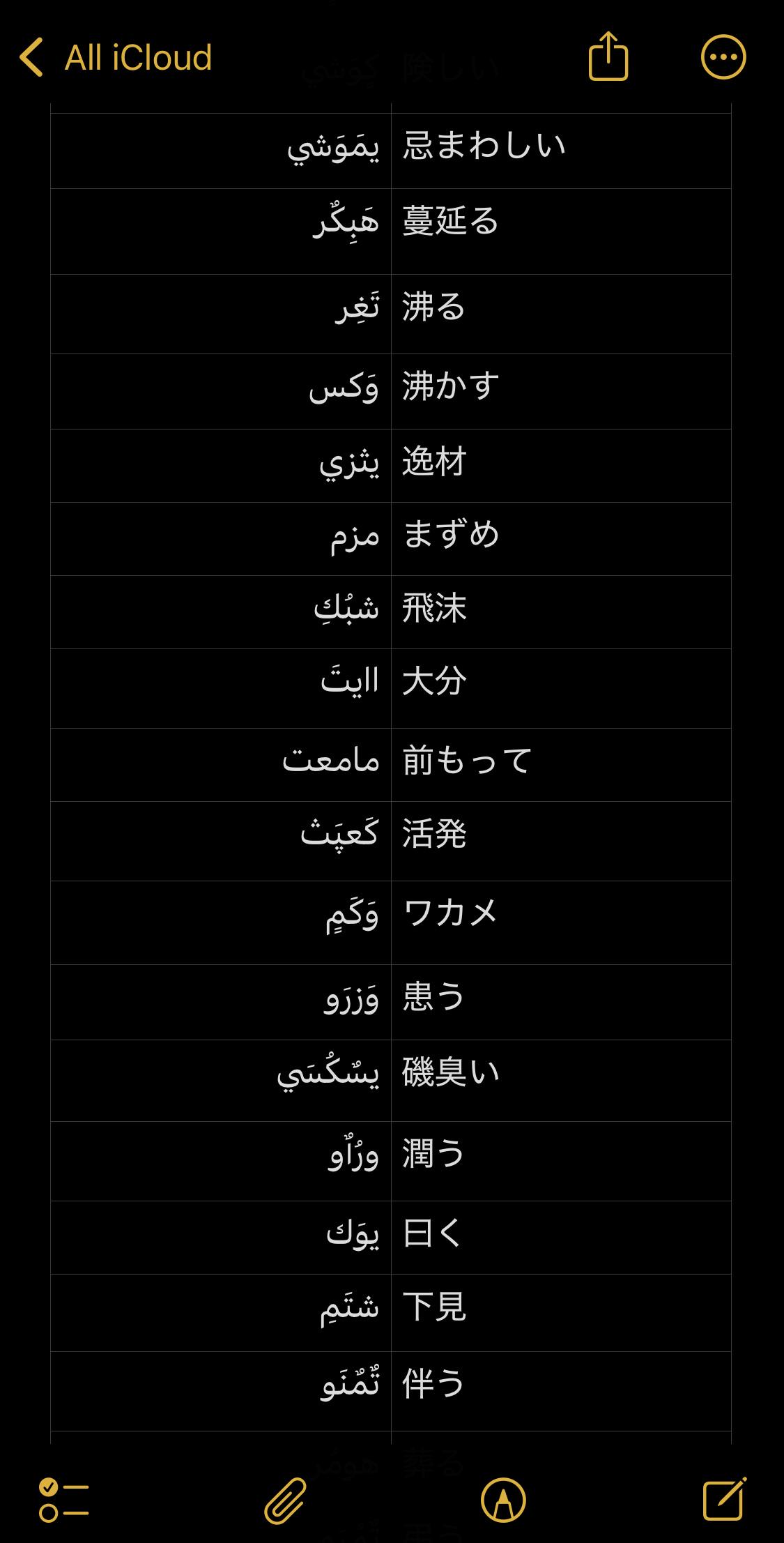
Firstly, I wanna say that I'm not a professional of any sort, this just started as a way to kill boredom in classes last year and since then I've been trying to improve on it as much as possible. The best work I've done for this "project" is comparing it to other actual romanization attempts that were made in the past and trying to fix what seemed like an issue to me
Now here are the pictures, and I'll explain why some letters are that and maybe what they were before settling on this version of the project
And before I start, I wanna clarify that I didn't prioritize phonetic correctness or whatever, I prioritized familiarity with an Arabic speaker who's at least a bit familiar with french and English if that makes sense. It also prioritizes some sort of readability to non Arabic speakers, and to keep most of the transliterations as similar as possible.
- Starting with the Arabic Hamza (glottal stop), this was one of the hardest letters to find a solution for, but I figured that I could assign a/o/i to it, to make this work the script will not have digraphs at all, only hiatuses (if that's the right term).
Examples:
"Saaala" (he asked/سأل), first "a" is a short vowel, second is gottal stop and third is a short vowel
"Raaā" (he saw/رأى), first "a" is a short vowel, second is a glottal stop, and the third is a long vowel
"Yaisa" (he lost hope/يئس) the "i" is the glottal stop
"Looloaat" (pearl/لؤلؤة) 1st "o" is short vowel, 2nd is glottal stop with no vowel sound, 3rd is a short vowel. 1st "a" is a glottal stop, 2nd is its vowel sound.
The rule here is quite like this: a/o/i work as vowels after a consonant. As a glottal stop after a/o/i. As vowels after a glottal stop. When the glottal stop has a different vowels sound than the vowel before it then it doesn't need an extra typed vowel to know how it sounds like. And lastly a/o/i are always a glottal stop before ā/ō/ī which they themselves cannot be a glottal stop. Also å/o̊/i̊ only come at the end of words and they're just pronounced as an/on/in, so the Tanwīn here got its own letters
2. The reason why the kha/خ letter is Ḳ is because in transliterations it's always written as kh, at first I thought the letter "x" would be better but that felt weird, and also the dot is below because there's no K with dot above and I didn't wanna use double unicodes for one consonant
3. Shīn/ش was first an "S" with dot above but when I tried typing with it it looked unfamiliar and sometimes mistook it for normal S, so it's C now. Also in transliterations the Shīn is almost always written as CH.
4. Sad/ص and dhad/ض were kind of a hurdle because at first Sad/ص was assigned to normal C while dhad/ض to Ċ before the Shīn/ش change, and yes I know dhad/ض being assigned to Ċ is very unfamiliar, but I didn't have any other options and D, Đ and Ḋ were already in use. But since Dhad is rarely used in Arabic I thought that was the best option.
5. The E being Ayn/ع might be confusing at first but it's actually familiar and even look similar, so I had to just turn E from a vowel to a consonant
6. the gha/غ, using E again with a dot on top didn't sit right with me (also unfamiliar), at first it was normal G letter, but recently thought that wouldn't be intuitive even tho it's familiar so I assigned it to Ġ, that way normal G can keep its unique sound even if it doesn't exist in Arabic.
7. Lastly, the ×2 is for Shadda (when a letter is stressed) like "Hayya/هيّا" (come on)
Now here's an example sentence from Arabic with this romanization which has all the consonants:
Naꞓꞓo̊ ħakīmo̊ laho sirro̊ qāŧieo̊ wa ḋō caani̊ eađīmi̊ maktōbo̊ ealā ṫawbi̊ aḳḋara wa moġallafo̊ bijildi̊ azraqa
Personally I feel like this is THE best romanization of Arabic out there, it's familiar, each word isn't a massive cluster of letters and it's clean and easy to learn
I continued with this project cuz it was fun and honestly everytime I see an app, game, website or a service that has support for the Turkish language or other languages that had other scripts but not Arabic it felt unfair so I hope maybe one day this or a better version would get picked up and potentially considered as a true romanized Arabic script
You can just type any Arabic word and I'll reply with how it'd look like in this script
I also made a picture to visualize a virtual keyboard for an older version of this script just to show how it might function if this get implemented
Thanks!