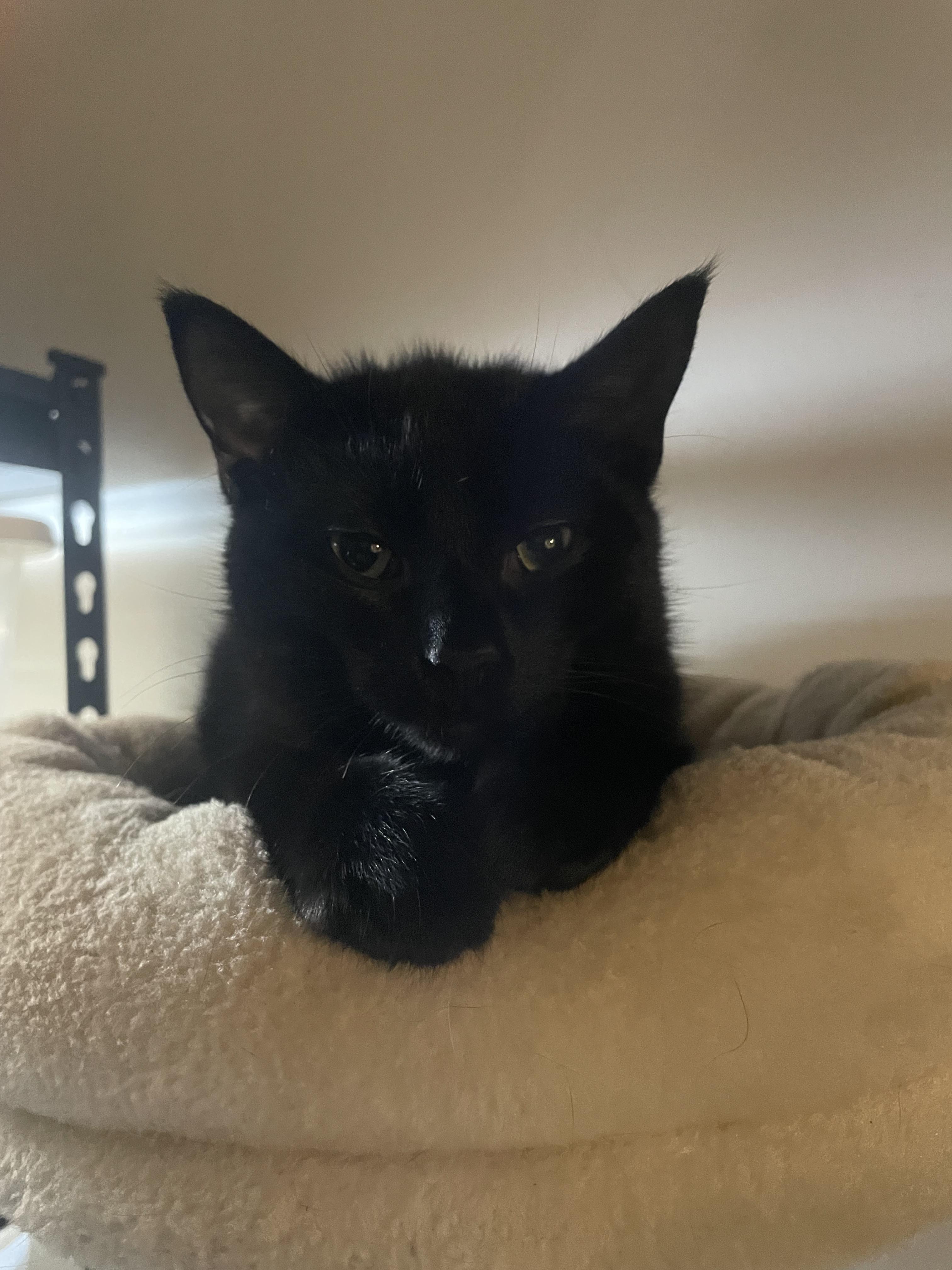
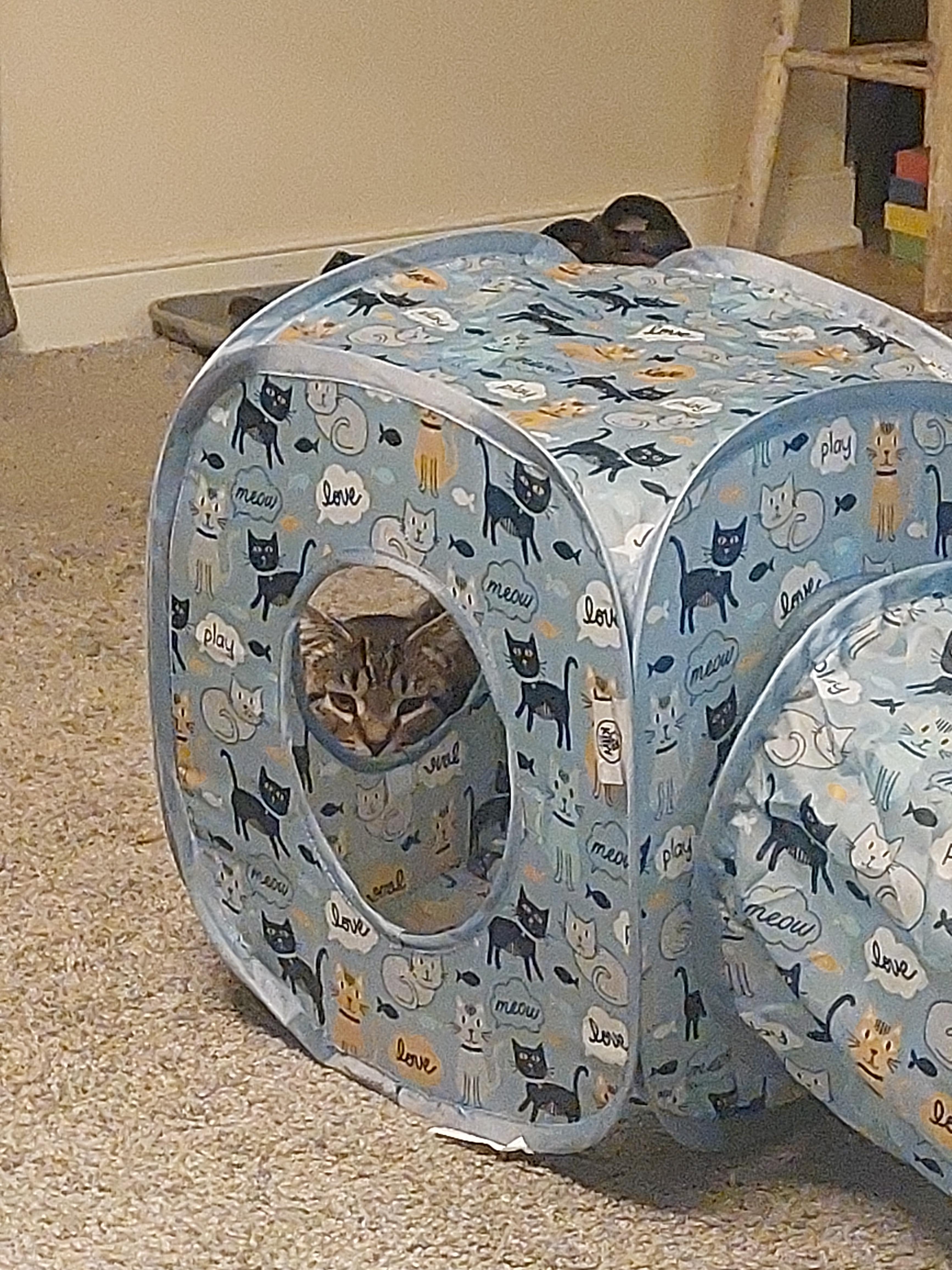
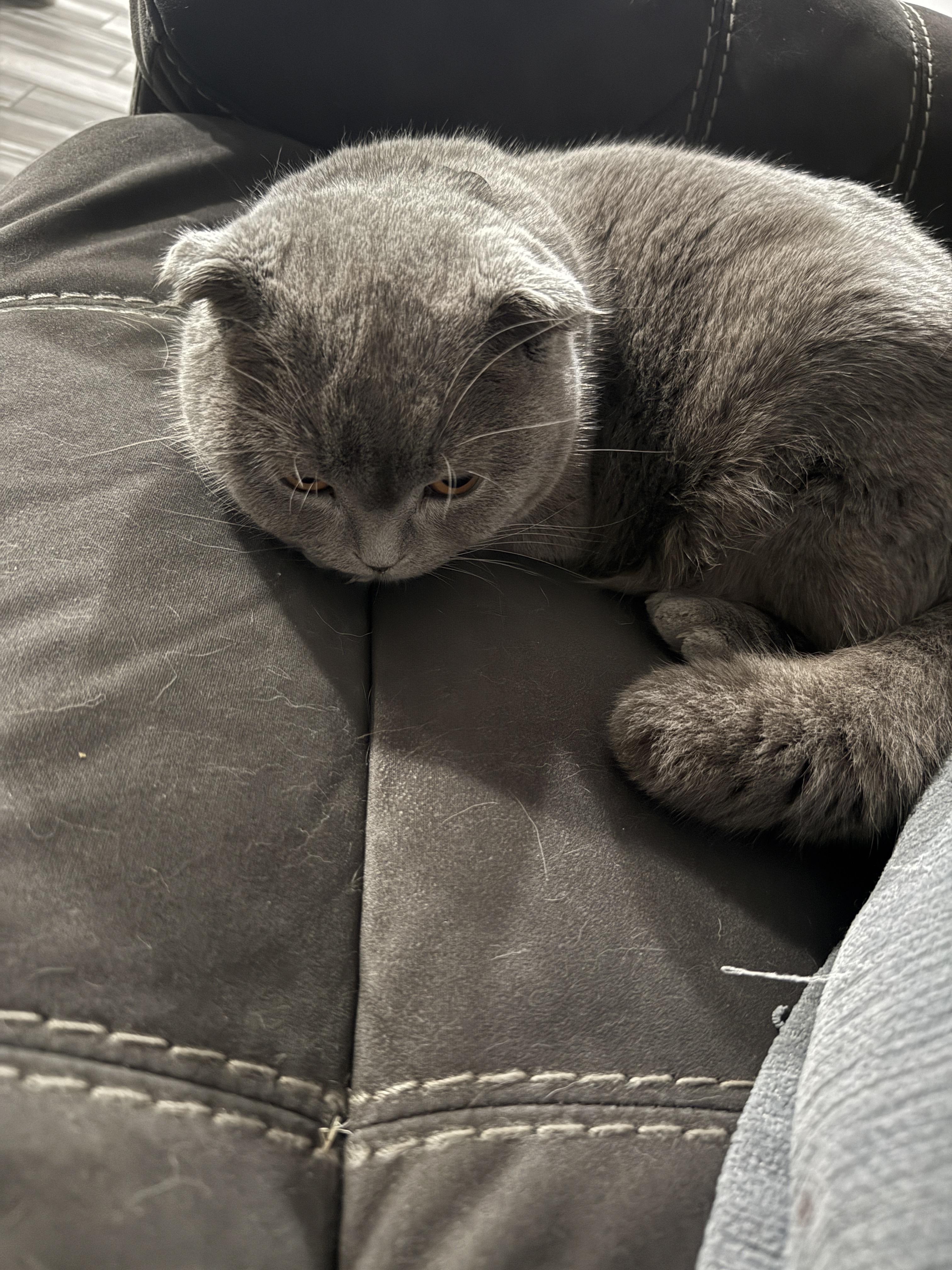
Poster Age: Adult (18+), university student
Country: St. John’s, Newfoundland and Labrador, Canada
Cat Age: 1 year (born October 17, 2025)
Cat Sex: Male, neutered
Breed: Domestic Medium Hair (orange and white)
Weight: Approximately 2–2.5 kg
Vet Accessibility: Yes, Poco has been examined by veterinarians multiple times. His most recent appointment was November 19, 2026.
Financial Situation: I’m currently unemployed, and my girlfriend works part-time. We have already spent hundreds of dollars on veterinary care and are struggling to afford further extensive testing.
Main Issue (TL;DR)
My 1-year-old cat, Poco, has been suffering from chronic diarrhea since August 2026. Recent bloodwork revealed severe anemia, very low red and white blood cell counts, low hemoglobin, suspected non-regenerative anemia, and liver abnormalities.
His diarrhea has finally improved, and he is eating, drinking, urinating, and passing formed stool. However, his overall weakness has become much worse.
As of November 22, Poco is extremely wobbly, struggles to maintain his balance, and can barely walk properly at all.
Several people, including a veterinarian who responded to my previous Reddit post, raised concerns about FIP.
I’m terrified that he may have neurological FIP or another serious condition. I desperately want to know whether he still has a realistic chance of recovery.
- Poco’s medical history (August–November 2026)
We adopted Poco from the SPCA when he was approximately two months old. He was already neutered when we adopted him.
He was previously tested for FIV and FeLV in December 2025, and both results were negative.
His health problems began around August 2026.
Initially, he developed severe diarrhea, which was sometimes completely watery and sometimes contained mucus.
At his worst, he was visiting the litter box approximately 20–30 times daily, often straining and passing only small amounts of stool or mucus.
Over the following months, he experienced:
- Persistent and recurring diarrhea
- Mucus in his stool
- Occasional blood in his stool
- Frequent straining in the litter box
- Occasional vomiting
- Abdominal discomfort
- Weight loss
- Reduced energy and activity
- Periods of decreased appetite
During one veterinary examination, the veterinarian mentioned that his abdomen felt abnormal or twisted, although no imaging was performed.
He received multiple treatments over the following months, including:
- Panacur (fenbendazole)
- Baycox
- Metronidazole
- Other prescribed medications
- FortiFlora probiotics
- Lactulose earlier in his treatment
- Dietary changes and gastrointestinal food
His symptoms would sometimes improve temporarily, but the diarrhea repeatedly returned.
- Recent improvement in his diarrhea
In November, we started giving Poco a bland chicken-based diet, including boiled chicken and rice.
Gradually, his diarrhea began improving.
Previously, he was using the litter box up to 20–30 times daily. This decreased significantly, and his stool became more formed.
Recently:
- His stool has become formed, although sometimes still slightly soft.
- The mucus has mostly disappeared.
- He is no longer experiencing the same severe watery diarrhea.
- He is urinating regularly.
- He is drinking water voluntarily.
We were relieved because his digestive symptoms finally seemed to be improving after several months.
Unfortunately, his overall health began deteriorating despite the improvement in his stool.
- November 19: Severe anemia and liver abnormalities
On November 19, we took Poco to the veterinarian because he had become extremely lethargic, weak, and noticeably different from his usual self.
He used to be a playful, energetic, vocal kitten who loved running around, playing, and asking for food.
Now he spends most of his time sleeping or loafing.
His bloodwork showed:
- Severe anemia
- Very low red blood cell count
- Low white blood cell count
- Low hemoglobin
- Suspected reduced red blood cell production (non-regenerative anemia)
- Liver abnormalities/disease
- Abnormal lymphocyte levels
- Elevated total protein
The veterinarian explained that Poco’s body was not producing enough red blood cells and that his condition was serious.
He also mentioned that Poco’s prognosis was uncertain and that he might not survive.
However, he prescribed medication for 10 days and recommended monitoring him closely while providing adequate nutrition, particularly protein-rich food.
We are following the prescribed treatment and trying to support his recovery.
- Possible FIP concerns
After posting Poco’s bloodwork on Reddit, a veterinarian raised concerns about possible FIP (feline infectious peritonitis).
They specifically mentioned that Poco’s lymphocyte count appeared unusually high and that his total protein was elevated.
They recommended investigating his albumin and globulin levels, because elevated globulins could increase suspicion for FIP.
They also suggested a manual blood count to verify the abnormal results.
Another Reddit user shared that their cat had experienced similar symptoms, including anemia, jaundice, diarrhea, lethargy, and loss of appetite, and was eventually diagnosed with wet FIP.
This has made us very concerned about whether Poco could have FIP.
However, Poco has not been diagnosed with FIP, and we understand that these symptoms could have other causes.
No abdominal ultrasound or X-ray has been performed yet.
- Current medications and nutritional support
The veterinarian prescribed a 10-day course of medication to address a possible infection.
We are also discussing liver-support supplements with the veterinary clinic.
Because Poco has lost weight and has a reduced appetite, we are trying to provide enough nutrition and calories.
His current diet includes:
- Hill’s Prescription Diet Urgent Care wet food
- Gastrointestinal dry food
- Homemade chicken-based food
- Chicken hearts and small amounts of liver
- Small amounts of rice
- Salmon oil
- Cat-safe chicken broth
- Nutritional gel for additional calories
- Creamy cat treats for additional food and moisture
- Water mixed into his wet food
We also provide assisted feeding when necessary, following the veterinarian’s advice.
The veterinarian recommended protein-rich nutrition to support his body while he receives treatment.
We understand that nutrition alone cannot necessarily correct severe anemia, but we’re doing everything we can to prevent further weight loss and support him.
- Recent positive changes
Despite his serious condition, Poco has shown some encouraging signs.
Over the past few days:
- He has been drinking water voluntarily.
- He has been eating some dry food by himself.
- His stool has become formed.
- He has been urinating normally.
- He responds when we call him.
- He still meows and communicates with us.
- He shows affection and enjoys being held.
- He recently showed a little interest in playing.
- He has occasionally walked toward us for treats.
However, he is still extremely lethargic, rarely grooms himself, and spends most of his time resting.
- NEW UPDATE — November 22: Poco can barely walk
This is the most frightening development so far.
Just a day or two ago, Poco could still walk around the house.
He was weak, but he could walk short distances.
I occasionally encouraged him to walk gently toward me using treats. He would walk for approximately 1–2 minutes and then stop when he became tired.
I also noticed that he was avoiding jumping onto higher surfaces, which made me think his back legs were becoming weaker.
Previously, if he attempted to jump down from something, he sometimes struggled to land properly on his feet.
Now, Poco is extremely wobbly and can barely walk properly at all.
He seems to have difficulty maintaining his balance and coordinating his movements.
His walking ability has deteriorated significantly in a very short period.
I’m especially concerned because he already has severe anemia, low blood cell counts, and liver abnormalities.
I’m worried that this could be neurological FIP, severe weakness from anemia, or another neurological or metabolic problem.
We understand that sudden difficulty walking is serious and requires urgent veterinary reassessment.
- My questions for veterinarians and experienced cat owners
- Could Poco’s sudden wobbliness and inability to walk properly indicate neurological FIP? Or could severe anemia, liver disease, low blood sugar, electrolyte abnormalities, or another condition cause similar symptoms?
- Does the combination of chronic diarrhea, severe anemia, abnormal blood cell counts, elevated protein, liver abnormalities, and sudden coordination problems make FIP a strong possibility?
- What tests should we prioritize? Would albumin, globulin, A/G ratio, repeat CBC with manual differential, reticulocyte count, abdominal ultrasound, or neurological examination be most useful?
- If Poco has FIP, could treatment with GS-441524 or another appropriate antiviral still help him, even though he is already severely anemic and struggling to walk?
- Can non-regenerative anemia improve if the underlying infection, inflammation, or disease is successfully treated? Can his bone marrow start producing enough red blood cells again?
- How long does it usually take to see improvements in red blood cell counts and hemoglobin after effective treatment?
- Could his liver abnormalities be secondary to another illness rather than permanent liver damage?
- Has anyone had a cat who became extremely wobbly or temporarily unable to walk because of anemia, FIP, or another illness and eventually recovered?
- With our limited finances, which diagnostic tests would provide the most useful information for deciding on treatment?
- Our financial situation
I’m currently an unemployed university student, and my girlfriend works part-time.
We’ve already spent hundreds of dollars on veterinary appointments, blood tests, medications, and special diets.
We’re doing everything we possibly can for Poco, but additional diagnostic testing and specialized treatment are financially challenging.
We are not refusing veterinary care. We are trying to understand which tests and treatments are most important so we can make the best decisions with our limited resources.
- I just want Poco to have another chance
Poco is only one year old.
He used to run around the house, play with our other cat, Meowy, ask for food, and constantly seek attention.
Watching him go from an energetic kitten to being so weak that he can barely walk has been heartbreaking.
He still responds to us, shows affection, drinks water, and eats some food.
I know those signs don’t necessarily mean he is recovering, but they make me hopeful that he still has a chance.
I don’t want to give up on him if there is a treatable underlying cause.
I understand that nobody can diagnose him over Reddit, and I am not asking for a guaranteed prognosis.
I’m hoping to hear from veterinarians or people who have experienced similar situations, especially with FIP, severe anemia, liver disease, or sudden neurological symptoms.
Has anyone had a cat in a condition this serious who eventually recovered and lived a normal, happy life?
Thank you so much for taking the time to read Poco’s story. Any advice or shared experience would mean a lot to us.
❤️🐈