r/dostoevsky • u/Worldly-Variety4503 • 1h ago
We all want a Razumikhin in our lives, he's simply just the goat

20
Upvotes
- not my artwork
r/dostoevsky • u/Worldly-Variety4503 • 1h ago
- not my artwork
r/dostoevsky • u/Lavender-Donut- • 22h ago
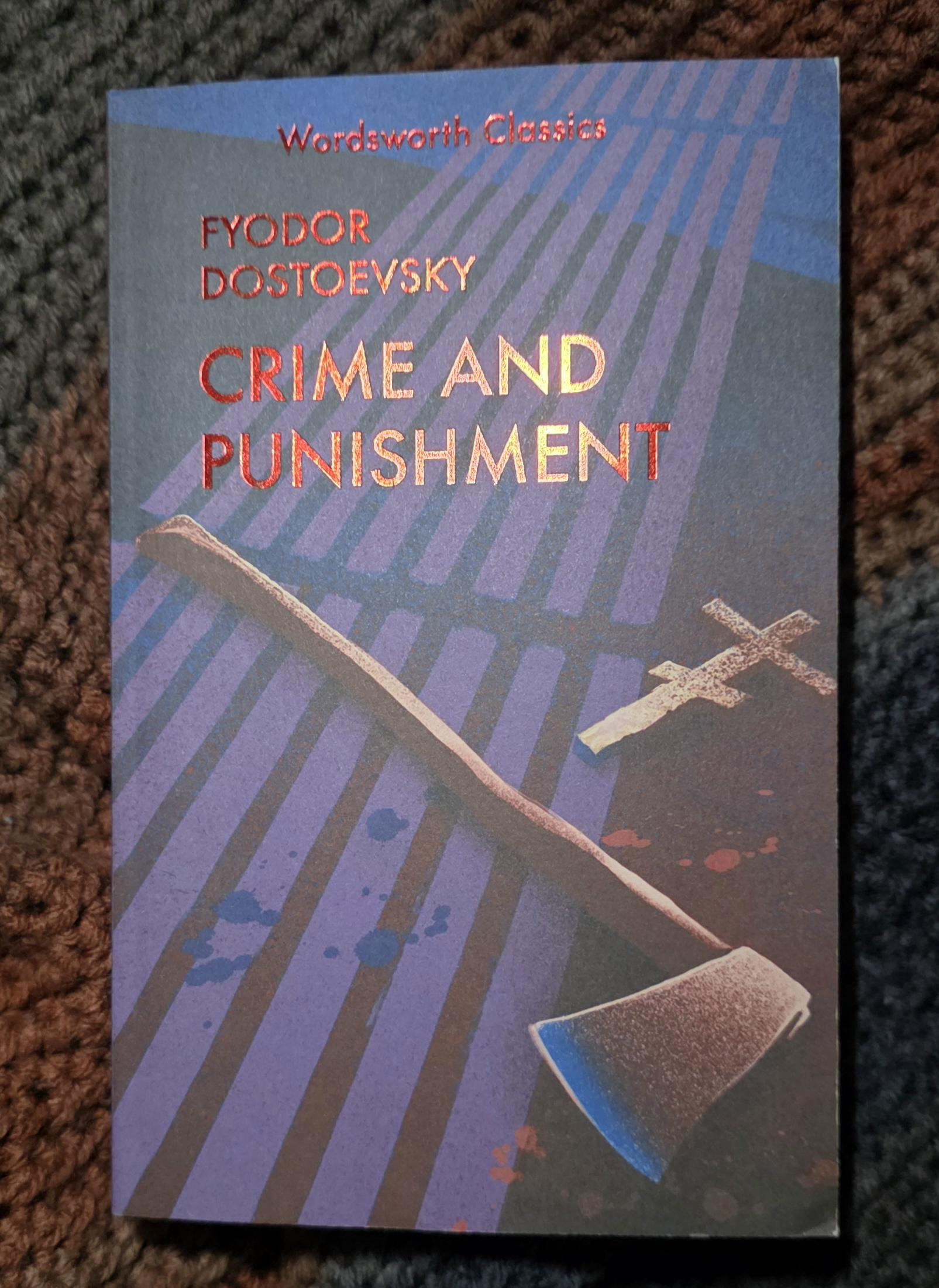
Continuing to delve deeper into Dostoevsky's world after finishing Notes from Underground and The Idiot.
r/dostoevsky • u/Master-Muffin-7143 • 10h ago
Alright, let me get into this, because I love this book, and after reading it I’ve given myself over a week to think it over and think about the themes.
Redemption is definitely a major theme in the book, BUT I hear a lot of people saying Raskolnikov was “redeeming” himself by the end, but really I don’t think it’s that simple.
I don’t think Raskolnikov really even became a better person by the end of the book, even though he did confess to his crime, and is now paying the price for it.
If you disagree with me, feel free to debate or enlighten me in the comments, because I do love discussing books.
Now I’m going to get into the meat of my argument.
In the second section of the epilogue, Raskolnikov says “‘Why does my action strike them as so horrible?” he said to himself, ‘Is it because it was a crime? What is meant by crime? My conscience is at rest. Of course, it was a legal crime, of course, the letter of the law was broken and blood was shed. Well, punish me for the letter of the law… and that’s enough’”.
I think this shows the he doesn’t even think what he did was wrong, and he only views his punishment as being of the law, not as him being punished for something truly wrong.
By extension, that means his redemption is only in law, and only in legality.
When it comes to his confession itself, one of the big reasons he did that was so he could have the life with Sonia that he wanted. Sonia told him to confess, and because he wanted that life with her he did. He did not confess because he came to the conclusion that what he did was truly evil, he still denies that even while in prison.
Another piece of evidence to me that Raskolnikov is still not redeeming himself, yet only wishes to appear redeemed is the New Testament he asked for.
Redemption is a major part of the Bible, and Raskolnikov is someone who wants to be redeemed, but not have to go through the introspection to even begin.
Him asking for, yet never opening the Bible appears to me as him trying to appear like he is growing, when he isn’t, it’s performative really.
Don’t get me wrong, I love Raskolnikov as a character, but I would not define him as “morally grey”. He’s really just a piece of shit looking for people and society to tell him he’s a good man, or he’s reformed, so that he can clear his own conscience.
He’s human, he feels human emotions, he feels human guilt, but that doesn’t make him morally grey. He isn’t the embodiment of evil itself, and almost any person really would feel guilt, but Raskolnikov is, in my opinion, not at all morally grey because he does shitty things, and is just looking for people to tell him he’s a good man without him actually admitting or coming to terms with how horrible everything he did was.
Thank you for reading all this lol, if there’s any other points you have for or against me we can discuss them for sure.
Overall C&P was a 9.5/10 for me, the cast was amazing, and Raskolnikov, Sonia, and Porfiry were my favorites in terms of writing.