r/hayeren • • 12h ago

How to address people you don't know/elders

9 Upvotes

Բարև ձեզ։

I'm a student of Eastern Armenian and I read that it is possible to use family nouns to address people you don't know, such as մայրիկ and հայրիկ for elders, and քույրիկ and ախպեր for people your own age. This sounds a little bit strange to me as a Brazilian.

So, if I call the old lady at the market in Armenia մայրիկ will she feel respected or will she think I'm crazy? hahaha

Մերսի՜։


r/hayeren • • 8h ago

Text armenian song

2 Upvotes

Barev boloreen! Please help me. This song has really touched my soul, and I would love to know the lyrics, but I can’t find them anywhere online. I’m having a hard time making out the words by ear. If anyone here knows Armenian-and wouldn’t mind helping-could you please write down the lyrics for me? I would be very grateful. You can provide them in either the Latin or Armenian script; I can handle the transliteration myself. Whatever is easiest for you-please, help me out!

Romik Nazaryan – Khrov mi mna

https://www.youtube.com/watch?v=S6vo0sZlSAY


r/hayeren • • 19h ago

Citatner — an Eastern Armenian word puzzle game, now available on iOS and Android!

Post image
4 Upvotes

About a month ago, I shared the Android release of Citatner (Ցիտատներ) here. I'm happy to announce that the game is now available on iOS as well!

Citatner is a word puzzle game where you solve clues, find missing letters, and gradually reveal hidden quotes. Letters with matching numbers are revealed automatically throughout the puzzle.

  • 🧩 2,700 puzzles across three languages
  • 📚 8 thematic categories
  • 📅 Daily puzzles
  • 🇦🇲 Eastern Armenian, English and Russian

App Store:
https://apps.apple.com/us/app/citatner-quotes-and-puzzles/id6813960660

Google Play:
https://play.google.com/store/apps/details?id=com.apritouch.citatner

Website:
https://apritouch.com

If you enjoy word puzzles, give it a try! I'd love to hear your feedback, and a rating or review would be greatly appreciated.


r/hayeren • • 2d ago

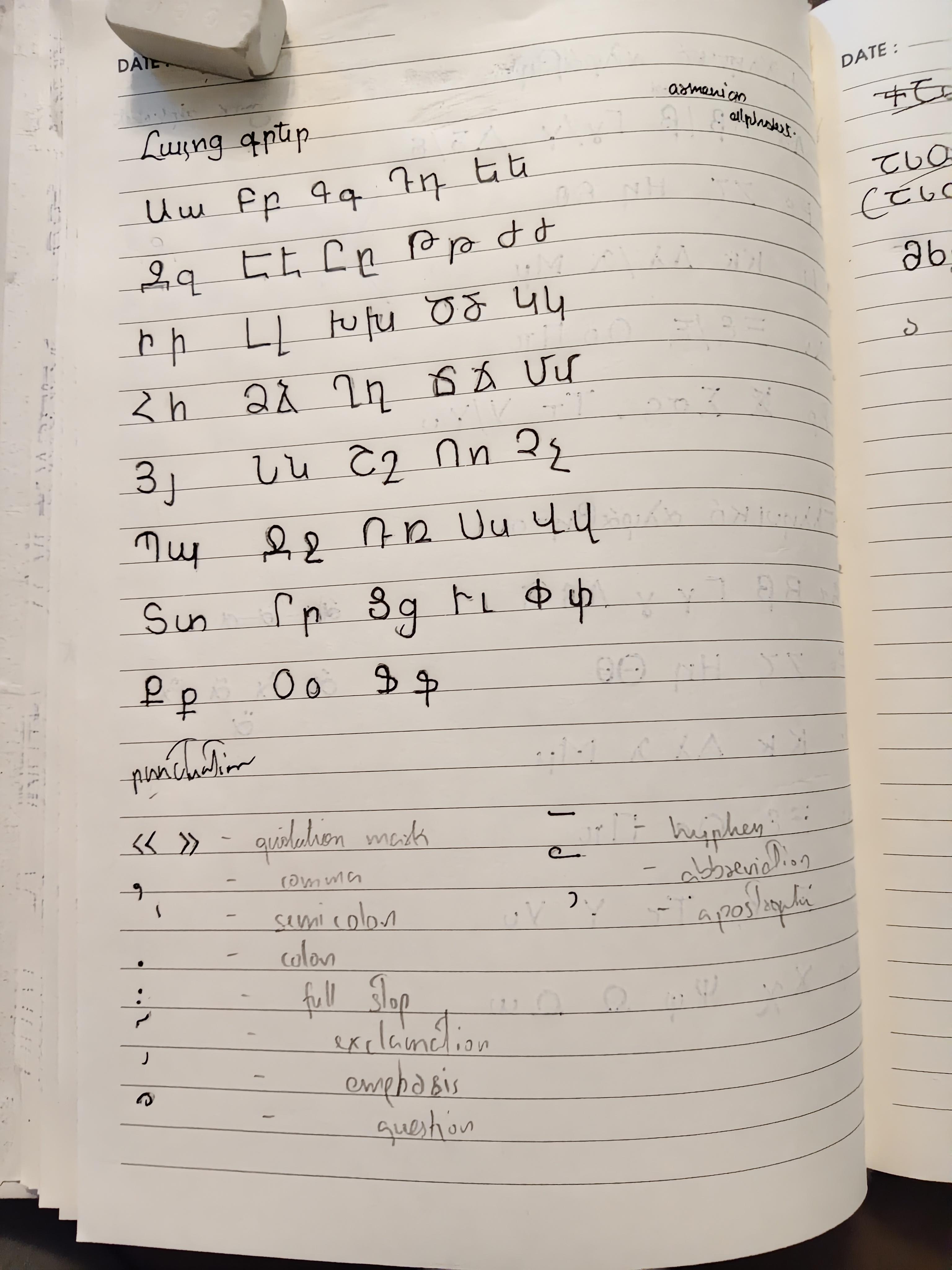
Classical Armenian question im writing every single language (script/alphabet) that doesn't use the Latin alphabet!! Here's Armenian!!!

Post image
39 Upvotes

r/hayeren • • 2d ago

How do you curse in Armenian to express emotion? (Not insults)

10 Upvotes

It seems like all curses in Armenian are vulgar insults directed at a person. But what can you say when you hit your foot on a rock? Or if you drop your phone? Or what if you just got into major trouble and want to say “we’re fucked”

Also, can you use curse words in Armenian as exclamation or intensifiers? Like for example if you want to say “That game was so fucking hard.”

What about surprise? Can you say “What the fuck is this?!?”

Thanks!


r/hayeren • • 3d ago

Wants to learn Armenian

6 Upvotes

Hi there 👋🏻
Anyone willing to voluntarily teach Armenian? I’m a native english speaker. Would love to learn the language, anyone got an hour or two to spare and teach, would be a blessing!


r/hayeren • • 3d ago

Eastern Armenian question Where does the expression “7-րդ երկինք” come from?

2 Upvotes

It’s an expression used to talk about joy and strong emotion. So for example you might say «էս երգը տանում ա 7-րդ երկինք» (this song takes me to the 7th heaven/sky).

I’m just curious what the context and background of this saying is. What are the origins and what is symbolic about the number 7?

Thanks!


r/hayeren • • 5d ago

Western Armenian in a Minute, Lesson #5: ըլլալ (uhllal) - to be (but in the past)

7 Upvotes

In the previous lesson, we learned the present forms of ըլլալ (uhllal), meaning to be. We could say Պզտիկ եմ։ (Bzdeeg em) — I am small. Today, we’re learning how to refer to this in the past: Պզտիկ էի։ (Bzdeeg eh-ee) — I was small.

We are going to refer to this as the Imperfect (Continuous Past). For the sentences we’re practicing today, these forms give us I was, you were, he/she/it was, and so on. There is another past form that we will learn next time and that is a bit more complicated to explain (but we will get through it).

The following are the same forms as in the previous lesson, just their "Continuous Past," versions. The pronouns stay the same, so don't worry about them. Just pay attention to the second word in each example below. Also, remember, embrace the "don't think, do" principle.

The six forms (imperfect)

  • (ես) էի (yes eh-ee) — I was
  • (դուն) էիր (toon eh-eer) — thou were (singular)
  • (ան) էր (an ehr) — he/she/it was
  • (մենք) էինք (menk eh-eenk) — we were
  • (դուք) էիք (took eh-eek) — you (ya'll) were (plural or polite)
  • (անոնք) էին (anonk eh-een) — they were

Like last lesson, I have the pronouns in parentheses because they are optional. էի already tells us “I was,” էինք tells us “we were,” and էին tells us “they were.”

The Latin spellings are approximate reading cues. In eh-ee, the hyphen helps you see the two vowel sounds, but remember that this is one word, so read them as naturally.

A few new words to wet your beak:

  • հոս (hos) — here
  • հոն (hon) — there
  • շատ (shad) — very
  • լաւ (lav) — good/well

*Note: remember, the "a" is like the "a" in car and far.

Put շատ before a describing word: շատ լաւ (shad լաւ) means very good (we use this a lot so it's important you learn this early) and շատ մեծ (shad medz) means very big.

Let’s make some sentences shall we?

First, compare the present with the past:

  • Հոս եմ։ (Hos em) — I am here.
  • Հոս էի։ (Hos eh-ee) — I was here.

Now try one with the pronoun and one without:

  • Ես հոն էի։ (Yes hon eh-ee) — I was there.
  • Հոն էի։ (Hon eh-ee) — I was there.

And we can bring back our familiar describing words:

  • Մենք շատ պզտիկ էինք։ (Menk shad bzdeeg eh-eenk) — We were very small.

English → Western Armenian

  1. We were here.
  2. Thou were very small. (One person, informal.)
  3. Ya'll were there. (More than one person.)

Western Armenian → English

  1. Ան պզտիկ էր։ (An bzdeeg ehr)
  2. Անոնք հոս էին։ (Anonk hos eh-een)

Try the translations in the comments, then pick a sentence and bring it back into the present. You can mix and match the pronouns, leave them out, or use words from our earlier lessons. We’ve now got “I am” and “I was” to work with. Go wild!

Our vocabulary so far

  1. պարտէզ (bardez) — garden
  2. տուն (doon) — house
  3. գնդակ (kntag) — ball
  4. քար (kar) — stone
  5. դաշտ (tashd) — field
  6. մատիտ (madeed) — pencil
  7. գիրք (keerk) — book
  8. կատու (gadoo) — cat
  9. մեծ (medz) — big/great
  10. պզտիկ (bzdeeg) — small/little
  11. ես (yes) — I
  12. դուն (toon) — thou (singular)
  13. ան (an) — he/she/it
  14. մենք (menk) — we
  15. դուք (took) — ya'll (plural or polite)
  16. անոնք (anonk) — they
  17. ըլլալ (uhllal) — to be
  18. հոս (hos) — here (new)
  19. հոն (hon) — there (new)
  20. շատ (shad) — very (new)
  21. lav (lav) — good/well (new)
  22. շուն (shoon) — dog (new) (I'm sneaking this in. I have no reason, but this is my lesson and I make the rules)

These lessons follow Modern Armenian by Hagop Andonian, 1974 edition so feel free to purchase it and follow along.


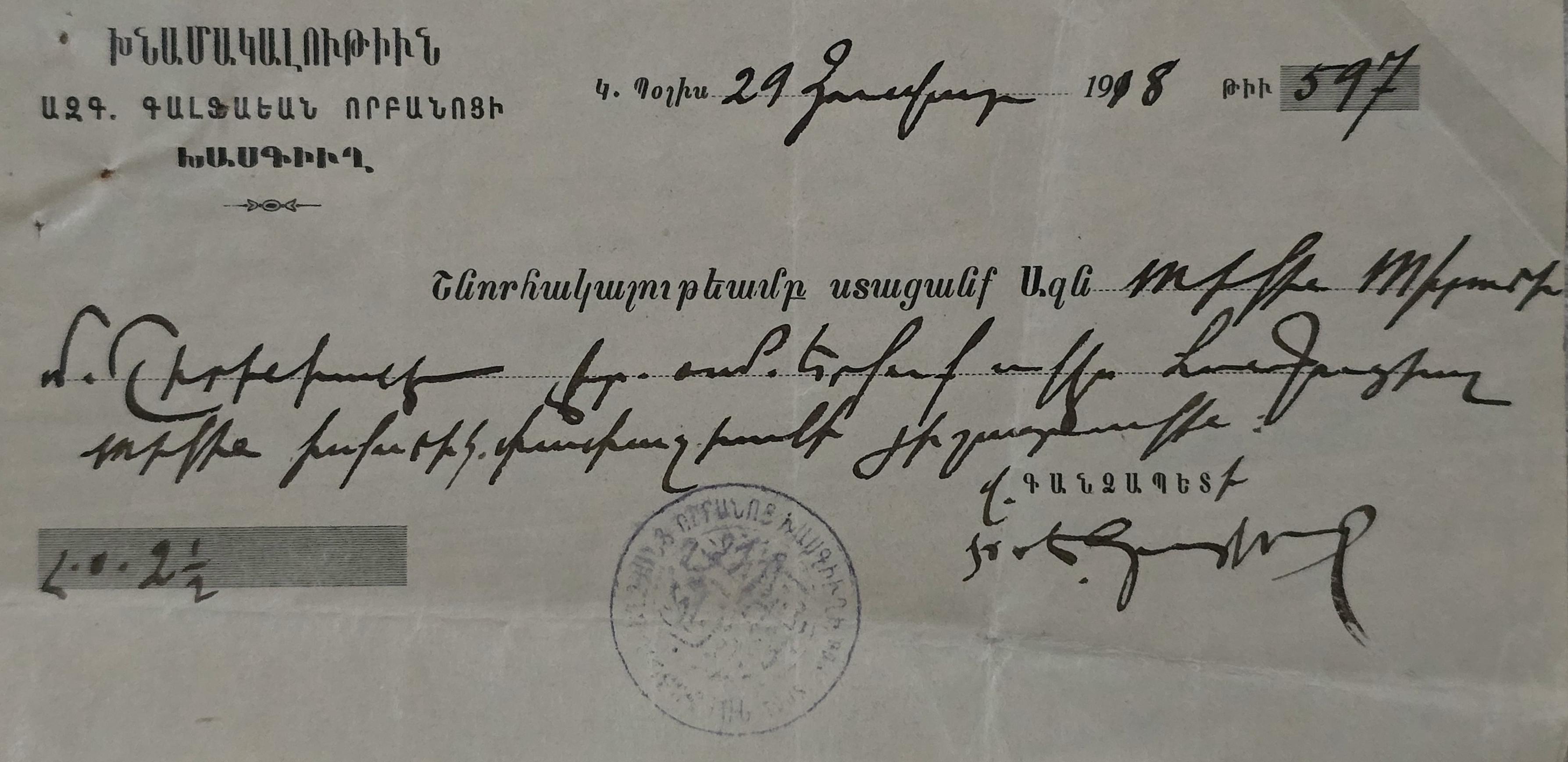
r/hayeren • • 5d ago

Can someone translate this into english?

Post image
6 Upvotes

r/hayeren • • 11d ago

What is the origin of the word “hark”?

3 Upvotes

Hark is the Armenian word for tax. It’s also the word for floor (like the floors of a house or building).

I feel like they have to be connected…


r/hayeren • • 11d ago

Page about the Armenian script and request for voice sample in Armenian

3 Upvotes

Hi everyone, I make informative pages on writing scripts and I have made a page on the Armenian alphabet focusing on how the letters of the alphabet originated, meanings and examples of writing.

Relating to the examples of writing, I have included a written excerpt in Armenian (more specifically - Yes im anush Hayastani). To be hollistic, I would like to request a kind native speaker or someone fluent enough to be able to record themselves reading it and put it on the page so that there is a voice behind these letters/words.

Would appreciate anyone interested DMing me. Cheers!

Please let me know if this post is inapporpriate - will delete if so.

Link of the Armenian script page here: https://www.matuww.com/script_info/Armenian.html


r/hayeren • • 12d ago

Western Armenian in a Minute, Lesson #4: ըլլալ (uhllal) — to be (or not to be? no, definitely "to be")

22 Upvotes

In the previous lesson, I introduced the concept of է (eh) to simplistically mean "is" for example sentences such as Տունը մեծ է։ (Doonuh medz eh) -> The house is big. This lesson, we are going to start learning where this comes from and how it can be used for a whole range of sentences!

Now, this is very important, before you go any further, take a deep breadth and don't panic! It's going to be ok and this will start to come naturally to you the more you practice.

I also want you to try not to focus on the "why" these come from ըլլալ (uhllal) and simply try to remember that they do. There will be time to understand conjugations. Now is not that time. Just remember that all of these are forms of saying "to be." This is a great time to embrace the concept of "don't think, do."

The six forms (present)

  • (ես) եմ (yes em) — I am
  • (դուն) ես (toon es) — thou are (singular) (in English we lost our strict singular and plural forms of "you" but not Armenian.)
  • (ան) է (an eh) — he/she/it is (here the "a" in "an" / "anonk" is pronounced like the "a" in "car" or "far.")
  • (մենք) ենք (menk enk) — we are
  • (դուք) էք (took ek) — you are (plural or polite)
  • (անոնք) են (anonk en) — they are

The pronouns are in parentheses because you can leave them out. The verb form at the end already implies the person and number: եմ (em) effectively translates to “I am,” ենք (enk) effectively translates to “we are,” and են (en) effectively translates to “they are.”

One detail to notice: ես can be the pronoun I, as in ես եմ, or the verb form you are, as in դուն ես. Depending on the dialect of Western Armenian, people may pronounce ես եմ as "yes em" or "es em" but the ես at the end is pronounced almost always as "es."

Let’s make some sentences shall we?

Put the describing word before the verb in these simple sentences:

  • Ես մեծ եմ։ (Yes medz em) — I am big.
  • Մեծ եմ։ (Medz em) — I am big.

Examples with plurals

  • Անոնք պզտիկ են։ (Anonk bzdeeg en) — They are small.
  • Պզտիկ են։ (Bzdeeg en)— They are small.

English → Western Armenian

  1. We are small.
  2. You (thou) are big.
  3. You (ya'll) are small.

Western Armenian → English

  1. Ես մեծ եմ։ (yes medz em)
  2. Պզտիկ են։ (bzdeeg en)

Try to translate these translations these in the comments. You can also try to mix and match using the redundant pronouns and without as well as use the vocab we already know to make new fun sentences. All the previous lesson learnings are fair game too.

here's a list of the vocab we've learned so far to refresh your memory:

  1. պարտէզ (bardez) — garden
  2. տուն (doon) — house
  3. գնդակ (kntag) — ball
  4. քար (kar) — stone
  5. դաշտ (tashd) — field
  6. մատիտ (madeed) — pencil
  7. գիրք (keerk) — book
  8. կատու (gadoo) — cat
  9. մեծ (medz) — big/great
  10. պզտիկ (bzdeeg) — small/little
  11. ես (yes or es) — I
  12. դուն (toon) — thou (singular "you", like old timey English)
  13. ան (an) — she/he/it (Armenian is not a gendered language, it's all implied!)
  14. մենք (menk) — we
  15. դուք (took) — you (or "ya'll" if you prefer. You can finally feel fancy saying ya'll because it's polite when directed at one person)
  16. անոնք (anonk) — they

Note: I've been forgetting to say this, but I am taking these lessons from "Modern Armenian" by Hagop Andonian 1974 edition. Feel free to use it if you want to follow along or self study.


r/hayeren • • 13d ago

Can someone translate this into english?

Post image
11 Upvotes

r/hayeren • • 15d ago

Eastern Armenian question Someone should write a book in qyart language

4 Upvotes

As someone who doesn’t like qyarts or the way they talk, I’d love to read a book written entirely in their language. It would honestly feel really nice to walk into a bookstore in Yerevan and see a book that’s written in the poxocayin language. It would break from the tradition that books are only published in maqur hayeren.


r/hayeren • • 16d ago

Հովի տեսակները #westernarmenian #learnarmenian

Thumbnail
youtube.com
18 Upvotes

r/hayeren • • 16d ago

Western Armenian in a Minute #3: the definite article

16 Upvotes

This is the first time I'm posting here so I figured I would add a quick review first to catch you up on this series. I couldn't find a flair because this is not a question, this is a series to teach Western Armenian in small doses for anyone to follow along if they want.

Quick review

To say a/an, put մը (muh) after the noun as a separate word:

  • տուն մը (doon muh) = a house
  • պարտէզ մը (bardez muh) = a garden

In the second lesson, we learned how to turn words into plurals. You add -եր to one-syllable nouns and -ներ to two syllable nouns.

  • տուն (doon) (house) → տուներ (dooner) (houses)
  • կատու (gadoo) (cat) → կատուներ (gadooner) (cats)

The plural ending attaches to the end of the word. There are exceptions which some native speakers pointed out in the earlier post and I'll make separate lesson on those later.

The vocabulary so far:

  • տուն (doon) = house
  • պարտէզ (bardez) = garden
  • գնդակ (kntag) = ball
  • քար (kar) = stone
  • դաշտ (tashd) = field
  • մատիտ (madeed) = pencil
  • գիրք (keerk) = book
  • կատու (gadoo) = cat

Today’s lesson: saying “the”

Compare տուն մը (a house) with տունը (the house).

Western Armenian has two endings that do the job of the: ը (uh) and ն (n). Both attach directly to the noun.

After a consonant sound, usually add ը (uh):

  • տուն (house) → տունը (the house)
  • դաշտ (field) → դաշտը (the field)
  • գիրք (book) → գիրքը (the book)

After a vowel sound, add ն (n):

  • կատու (cat) → կատուն (the cat)

The choice follows the final sound. կատու ends in the vowel sound written ու (oo), so it takes ն. The other words end in a consonant so they take ը (uh)

These examples show the nouns on their own; a following word can sometimes affect the choice, which we’ll explore in a later lesson.

A small step into sentences

Three useful vocab words to know: մեծ (medz) means big/great, պզտիկ (bzdeeg) means small/little, and է (eh) means is/being. For now, think of է as just "is" for simplicity.

Տունը մեծ է։ = The house is big.

To make a sentence like this, use noun + describing word + է.

English → Western Armenian

  1. The field is big.
  2. The cat is small.

Western Armenian → English

  1. Գնդակը մեծ է։ (kntaguh medz eh)
  2. քարը պզտիկ է։ (karuh bzdeeg eh)

Try either direction, or both, in the comments. You can also try to make more sentences using the vocab we've gone over so far or vocab that you know already outside of these lessons. If you’re a Western Armenian speaker, feel free to help learners with their attempts and share how you would say these in everyday conversation.


r/hayeren • • 16d ago

Eastern Armenian question Help with lyrics! "Moranaluem" by Ladaniva

3 Upvotes

Hey everybody! I'm listening to the new song by Ladaniva called "Moranaluem" and I can't understand a certain part of the song. I tried using transcription websites, and while they work well enough for most of the song (I can't speak Armenian so I'm not 100% sure), that one part can't be transcribed correctly by any of them :/

It comes between 2:13 and 2:14, right before parelu em.

It's such a beautiful song and I would greatly appreciate your help. Thank you in advance!!


r/hayeren • • 16d ago

Classical Armenian question [Unknown > English] What is writing here?

2 Upvotes

Hello everyone, this piece I have is very old. I’m not entirely sure, but it might be from Anatolia, the Caucasus, or Mesopotamia. I cannot decipher what is written on it; is there anyone who knows what it says or what language it might be in?


r/hayeren • • 17d ago

Is անցյալ կատարյալ translated as the aorist or aorist indicative?

3 Upvotes

I have this down in notes from a class, but second guessing if I wrote it down correctly- thank you!


r/hayeren • • 17d ago

Can someone read this armenian name and surname?

Post image
10 Upvotes

r/hayeren • • 17d ago

Colloquial Armenian is harder to learn than literary

13 Upvotes

Commenting on this as an EA native, but I honestly think that learning the regular vernacular language with all the slang and expressions that people use in everyday life is harder and more inconvenient to learn than the proper literary language used in books, media, and formal settings. Allow me to explain.

If you're trying to learn Armenian, the resources available to you are going to teach you the standard literary language, as language learning materials always do. But given the wide gap between formal and colloquial Armenian, it's going to be painfully obvious that you did not grow up with Armenian if you talk the way the book teaches you. And as for how you go about learning the colloquial language... you're just going to have to binge-watch a ton of Armenian movies and TV shows to pick it up; and even then you probably won't get to a native level unless you actually spend lots of time talking with people in casual settings. And if you want to learn how to curse, well good luck because it's going to be even more inconvenient. Armenian media almost never contains profanity due to how much of a social taboo it is in the culture, so your only way to learn how to really curse like a qyart would be to either spend time with them (don't know how much you really wanna do that) or venture into the dark parts of the Armenian internet. I’m not telling you to curse; but you still have to know it if your goal is native-level fluency.

The problem is that resources for colloquial Armenian barely exist. You’ll be able to look up some things, but ultimately there’s no “urban dictionary” or “profanity guide” for Armenian. You’re going to have to dig harder to find what you’re looking for, and there’s no guarantee you’ll find it.

Honestly, if you don't grow up in Armenia or spend significant time there, it's going to be hard to acquire all of those vernacular expressions that the locals use. Even if you have a big vocabulary and perfect accent, locals will still be able to tell you're a foreigner because you're not well-versed in the everyday colloquial language. I know I talked about Eastern Armenian here, but I think it applies to western too. Armenian just doesn’t have the wealth of learners’ resources that other languages do.


r/hayeren • • 18d ago

Eastern Armenian question Could you please recommend some podcasts in Armenian? Preferably ones about history and culture

12 Upvotes

r/hayeren • • 18d ago

How to learn Eastern Armenian after Pimsleur?

3 Upvotes

Hi everyone,

I'm almost done with Pimsleur Eastern Armenian and would like to keep studying. I have no need to read or write in Armenian. I just want to hold a very basic conversation so I can speak with some of my clients in Eastern Armenian.

I'm really unsure of resources out there and would like some help, please.


r/hayeren • • 19d ago

Realistically learning in 6 months

5 Upvotes

I’m planning a trip in roughly 6 months to visit Armenia. I know zero Armenian but a few sparse Russian phrases.
Is it worthwhile to learn Armenian or learn more Russian overall?
And what should I realistically focus on in my timeframe?