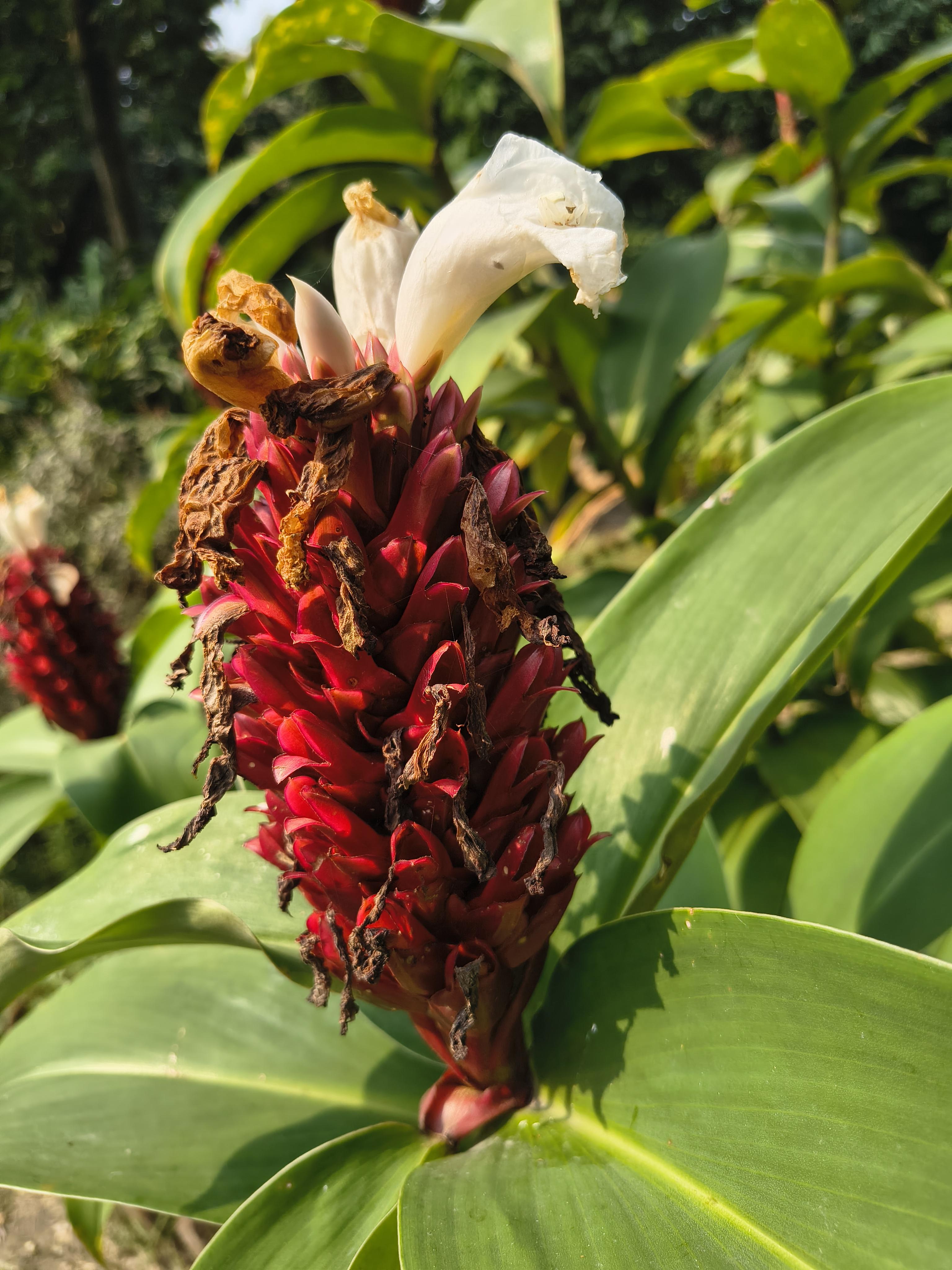
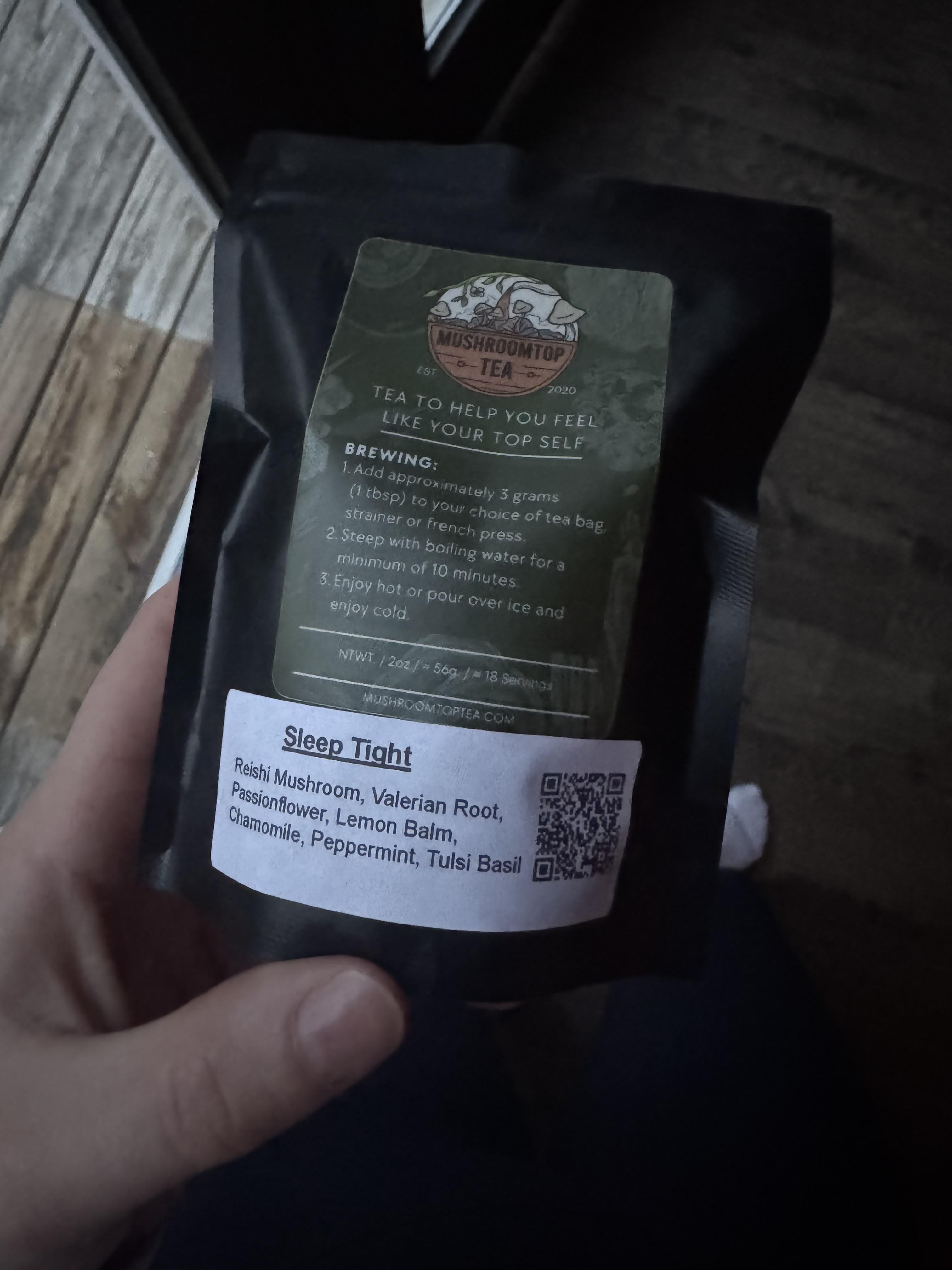
Following my last post asking what herbs you use to relax or unwind, passionflower was one of the herbs mentioned in the comments, so I thought we’d start here! Will try and post as much from the comments as I can
Passionflower
Passiflora incarnata L.
🌱 Traditional use
Passionflower has traditionally been used for restlessness, nervous tension, anxiety and sleep difficulties. It’s often used by people looking to relax, unwind or settle before sleep.
🧪 What’s inside the plant?
Passionflower contains a range of bioactive compounds, including:
• Flavonoids: Including apigenin-related compounds, vitexin, isovitexin and schaftoside.
• GABA: Gamma-aminobutyric acid, an inhibitory neurotransmitter also found within passionflower extracts.
• Other phytochemicals that may contribute to its biological effects.
🧠 What might it be doing in the brain?
One of the most interesting areas of research is its interaction with the GABAergic system.
GABA is one of the brain’s main inhibitory neurotransmitters. Think of it as part of the nervous system’s braking system, helping to regulate and calm neuronal activity.
Some passionflower compounds may interact with GABA-A receptors, which are involved in anxiety, neuronal excitability and sedation.
When these receptors are activated, they generally allow chloride ions to flow across the neuronal membrane, making neurons less likely to fire. This is one of the mechanisms through which certain calming substances work.
🔬 What does the research tell us?
Studies have explored passionflower’s potential anxiolytic (anxiety-reducing), sedative and anticonvulsant effects.
Some human studies have reported promising findings for anxiety and sleep, but the evidence is still developing. Results aren’t always consistent, and the type of extract used appears to matter.
Different extraction methods can change the chemical composition of the final product, meaning two passionflower preparations may not necessarily have identical effects.
🧠 From your resident neuroscientist
I find this particularly interesting because we often talk about herbs as though they have one active ingredient doing one thing. But plants contain lots of different compounds that may interact with different targets in the body.
GABA is a fascinating starting point, but there’s still a lot we don’t know about which compounds are responsible for the effects we observe, how they interact, and how much of what we see in laboratory studies translates to humans.
That’s the part of herbal science I love, connecting traditional use with the biology and asking what is actually happening beneath the surface.
You all have so much insight I’m learning and want to keep learning
If you use passionflower:
🍵 How do you prepare it? Tea, tincture, capsules, or another way?
🌿 Do you use it on its own or mix it with other herbs?
👀 If you blend it, what other herbs do you combine it with, and why?
I’m curious about people’s experiences, preparations and traditions!
🌿 Explore Passionflower on Herbarium Scientifica
https://www.ibvu.org/educate/hs/passionflower