Note: the points here we’re written by me but fleshed out and refined by AI.
I’m 23M, and I wanted to share my experience because I think it’s an important reminder for people posting pictures here looking for advice about their jaws.
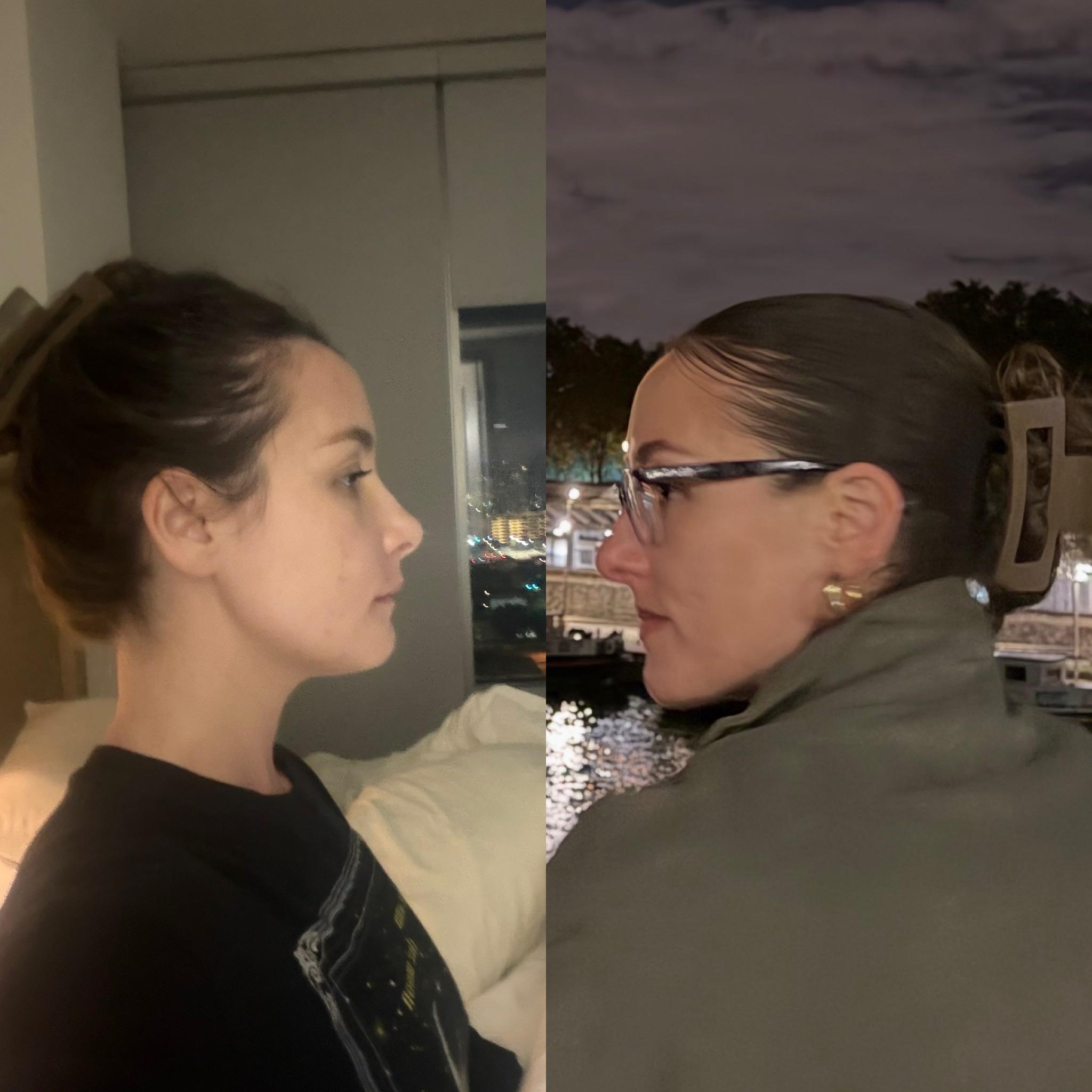
A while ago, I posted pictures of my face and bite on this subreddit asking for opinions. The general consensus was that I had a mildly retrusive maxilla, a relatively mild Class III skeletal discrepancy, and that I probably didn’t need jaw surgery.
Some people suggested my issues were relatively minor.
I recently attended a comprehensive consultation with an orthodontic specialist, including CBCT imaging, cephalometric analysis and a full assessment of my bite and skeletal anatomy.
The findings were considerably more extensive than I had anticipated.
Here’s what was identified:
Significant skeletal Class III discrepancy, primarily attributed to a retruded and narrow maxilla rather than an excessively prominent mandible.
Substantial transverse discrepancy between my upper and lower jaws, with a posterior crossbite.
Anterior open bite, alongside significant dental compensation that partially masks the underlying skeletal discrepancy.
Significantly retroclined lower incisors, with an IMPA of approximately 79°, compared with a reference value of around 90°.
Skeletal asymmetry, with Wits appraisal measurements of −3.2 mm on one side and −7.0 mm on the other.
Markedly deviated nasal septum and a narrow nasal/maxillary complex, contributing to concerns about nasal breathing.
Bilateral TMJ clicking and muscular discomfort, alongside functional problems with my bite.
Perhaps most importantly, I’ve also recently been diagnosed with obstructive sleep apnoea, despite being relatively young and otherwise physically active.
I’ve been experiencing significant daytime sleepiness, unrefreshing sleep, concentration difficulties and fatigue, which have been affecting my quality of life.
The orthodontist has now proposed a treatment pathway involving:
Substantial bone-borne maxillary expansion, potentially assisted by piezo-corticotomy.
Comprehensive orthodontic decompensation.
A surgical consultation to assess maxillary advancement and potentially double-jaw surgery.
The exact surgical plan is still being evaluated.
My main takeaway from this experience is to take people’s advice on here with a pinch of salt.
I understand that most people commenting are trying to help, and I’ve learned a lot from this community myself.
However, assessing someone’s skeletal anatomy from a handful of photographs has significant limitations. Dental compensation can conceal the true extent of a skeletal discrepancy, and photographs provide very little information about transverse deficiencies, airway problems or functional issues.
Someone might appear to have a relatively mild Class III relationship externally while having a much more complicated underlying skeletal and dental presentation.
I also think there’s a tendency for people seeking advice online to look for reassurance that their problems are minor or that surgery is unnecessary. I certainly found myself doing that.
If you’re experiencing functional problems, breathing difficulties, an abnormal bite or symptoms of sleep-disordered breathing, please get assessed by qualified professionals.
A proper orthodontic evaluation, appropriate imaging and specialist sleep assessment can reveal things that simply cannot be established from selfies.
I’m grateful for the information I’ve found on this subreddit, and I’ll continue using it to learn about treatment options and other people’s experiences.
But ultimately, don’t base major medical decisions on the opinions of anonymous Reddit users. Seek a professional diagnosis and, where appropriate, a second opinion.
One final point: make sure you’re being assessed by a highly regarded orthodontist with substantial experience in complex skeletal discrepancies and surgical orthodontics.
I cannot emphasise this enough. Orthodontists vary considerably in their experience, clinical interests and familiarity with complex orthognathic cases. Some primarily manage routine dental alignment, while others regularly work with maxillofacial surgeons to treat significant skeletal abnormalities.
I learned this through my own experience.
When I was younger, I underwent orthodontic treatment involving a palatal expander, followed by braces on my upper teeth only. I subsequently wore a permanent retainer.
Despite this treatment, I continued to have significant bite problems. When I raised concerns with my previous orthodontist, I was essentially reassured that everything was fine and that there was little more that could be done.
Fast-forward to my recent consultation, and I’ve now been diagnosed with a significant skeletal Class III discrepancy, substantial transverse maxillary deficiency, dental compensation and an anterior open bite. I’m also being evaluated for a treatment plan involving skeletal expansion and potentially double-jaw surgery.
Looking back at photographs from before my childhood orthodontic treatment, some of these bite abnormalities were already apparent.
I can’t establish whether my previous treatment was inappropriate without reviewing the original records, and I recognise that jaw relationships can change considerably during adolescence.
Nevertheless, the difference between my previous orthodontic assessments and my recent specialist evaluation has been striking.
I spent years believing that my bite and jaw anatomy were essentially normal because that was the reassurance I received.
My advice would be to research the orthodontist you’re considering, particularly their experience with skeletal Class III malocclusions, transverse deficiencies, adult expansion and orthognathic surgery.
If you have persistent functional concerns and feel your questions are being dismissed, seek a second opinion from someone who regularly manages complex skeletal cases.
Professional qualifications matter, but so does relevant clinical experience. Even within orthodontics, the quality and depth of an assessment can vary considerably.
Don’t settle for reassurance alone when you’re experiencing persistent symptoms that deserve proper investigation.