Singapore is generally considered a rather authoritarian system than a full democracy system
PAP has governed Singapore continuously since 1959 for 67 years after separation from Malaysia.
Singapore does have an opposition party, the workers party, but it hasn’t posed a serious threat to the PAP dominance. PAP won 87 of the 97 elected parliamentary seats, while the workers party won just 10. So Singapore is essentially a country dominated by one party, PAP.
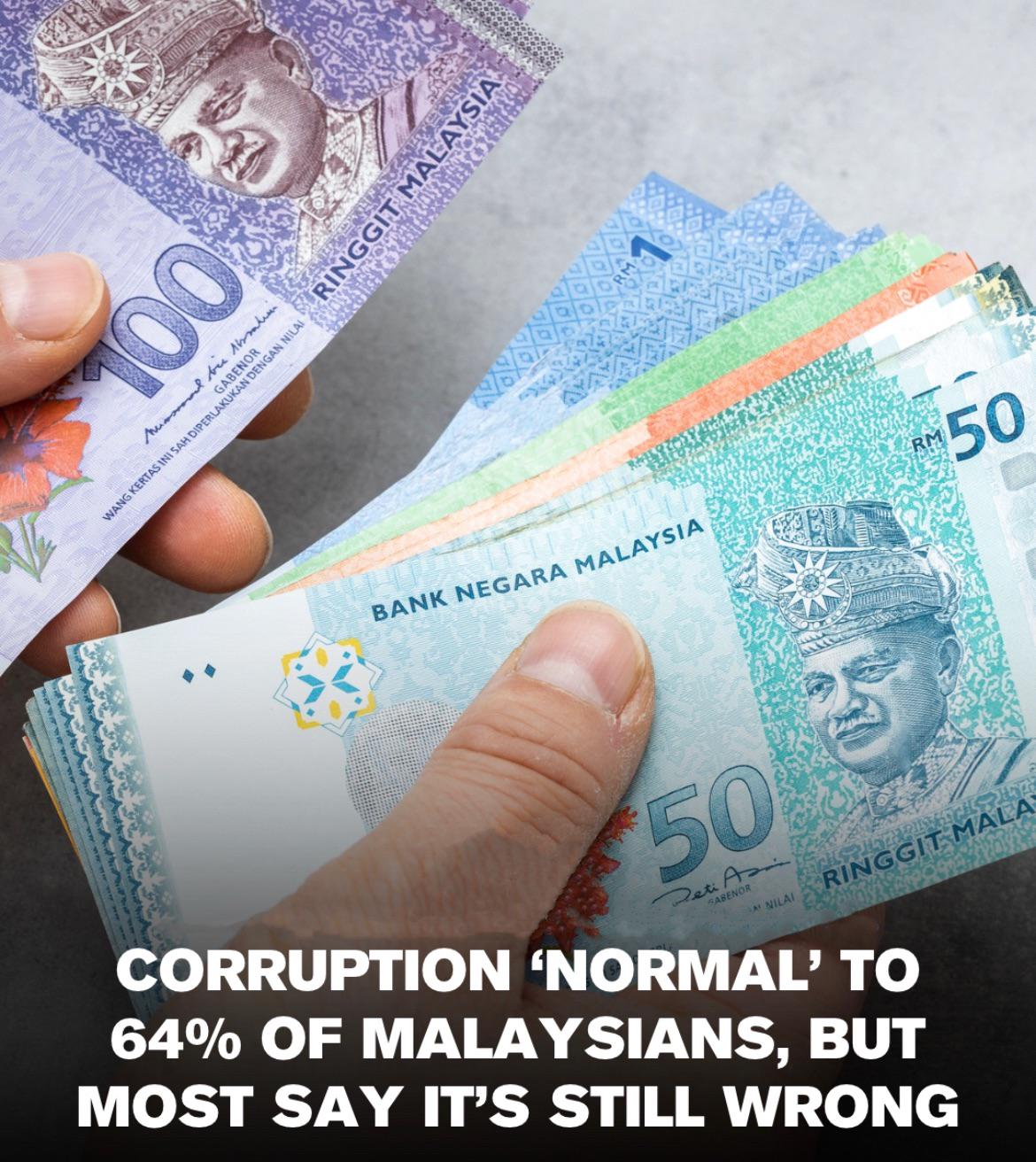
But here wat is interesting. Despite that. Singapore has an extremely high level of government integrity. According to transparency International, Global Corruption Perception index 2025.
- Denmark
- Finland
- Singapore
154. Malaysia
Singapore has been at the top for the 10 consecutive years.
Here’s the very interesting comparison. Singapore and Hong Kong aren't generally considered full democracies, yet both have managed to maintain relatively clean governments.
Meanwhile, some democratic countries still struggle with corruption.
So how has Singapore managed to control corruption so effectively?
1. Singapore has an agency: Corrupt Practices Investigation Bureau CPIB
This agency has extensive powers. It can arrest officials without a warrant, freeze bank accounts, and investigate their family members. The CPIB reports directly to Singapore's Prime Minister. Its director's appointment also involves the President and recommended by Prime Minister.
The CPIB reports to the Prime Minister. But it's not an agency of any political party. It's a national institution protected by Singapore's constitution.
If the Prime Minister tries to block an investigation, the CPIB can appeal to the President. If the President approves, the investigation can continue, even if it involves the Prime Minister himself.
Singapore has created an anti-corruption agency with constitutional protections, operating independently of the ruling party.
2. Singapore has strict anti-corruption rules for government officials
Officials must declare their assets, including bank deposits, stocks and investments. Their family members'assets must also be reported with regular audits and disclosure requirements.
Singapore also places the burden of explaining suspicious wealth on officials.
If you suddenly have a large amount of money and can't explain where it came from, it can be treated as evidence of corruption. Unless you can prove the money came from legitimate sources, you could face serious consequences, and the penalties are severe.
Singapore g@vernment servants receive generous retirement benefits, but corruption convictions can put those benefits at risk. For most civil servants, corruption simply isn't worth it.
Recently, corruption still happens in Singapore. A Transport minister was caught accepting over 40,000 Singapore dollars'worth of tickets to sporting events. The total value of gifts he obtained was S$403k. He ended up facing criminal charges. Sentenced to 12 months' imprisonment.
aCompared to our Bossku Sakau hundreds of millions, or even billions of RM. The scale is completely DIFFERENT 🤣
3. Singapore pays its government officials extremely well
Singapore recently raised salaries for senior officials. The Prime Minister's annual salary went from 2.2 million to 3.6 million SGD.
That's roughly RM11 million, making Singapore's Prime Minister the highest-paid government leader in the world.
Ministers' salaries also rose from around 1.1 million to between 1.5 and 1.8 million SGD.
Singapore decides these salaries by using private sector earnings as a benchmark.
Basically, they look at Singapore's top 1,000 earners, calculate the median income, and then use 40% of that as a reference.
Why only 40%? Because public service is supposed to involve some personal sacrifice. You're serving the country after all and that's the basic idea behind Singapore's system for setting senior officials' salaries.
There's a very important idea behind Singapore's system. Government officials should be able to live comfortably and with dignity on their salaries alone.
Think about it.
Singapore's income tax isn't that high. If the Prime Minister earns RM11 million a year in Malaysia, that's nearly RM 55 million over 5 years.
Why would he need to take bribes? He might not even make that much through corruption. And if he gets caught, he could end up in prison.
It's simply not worth it.
So paying officials high salaries is a key part of Singapore's anti-corruption system. But high salaries alone won't prevent corruption. You also need transparency laws, asset disclosure, and an independent anti-corruption agency.
Without those safeguards, high salaries won't solve anything.
It's really a complete package of anti-corruption measures.
Some people argue that Singapore's experience doesn't apply to Malaysia because Singapore is just a little red dot.
The whole institution system should work regardless of a country size.
Should Malaysia adopt Singapore's system to tackle corruption?