Jim Cornette’s philosophy of what the Attitude Era reigns true on what AEW is today
The Attitude Era was arguably the best period in wrestling history. It was a time when the company let everything loose. It didn’t live for tomorrow because tomorrow wasn’t guaranteed. It was in a war, and it gave fans a seemingly endless supply of content. It didn’t hold back. It took the product and pushed it into overdrive.
It pushed boundaries and limitations. It opened doors to what professional wrestling could be. It broke down barriers. It was cool, cutting-edge, and must-see television.
Jim Cornette, however, wasn’t a fan of what it was doing to the business. He believed it was hot-shotting. While I disagree with Cornette on plenty of things, the Attitude Era being one of them, I do agree with his overall stance on the dangers of hot-shotting.
Hot-shotting is essentially trying to do too much at once. It’s about getting the biggest reactions possible in the shortest amount of time. It’s constantly pushing things further and further, trying to squeeze every last drop out of the audience. But eventually, you reach a point where there’s nowhere left to go. You can only push things so far before you run out of room. And as gravity teaches us, what goes up must come down.
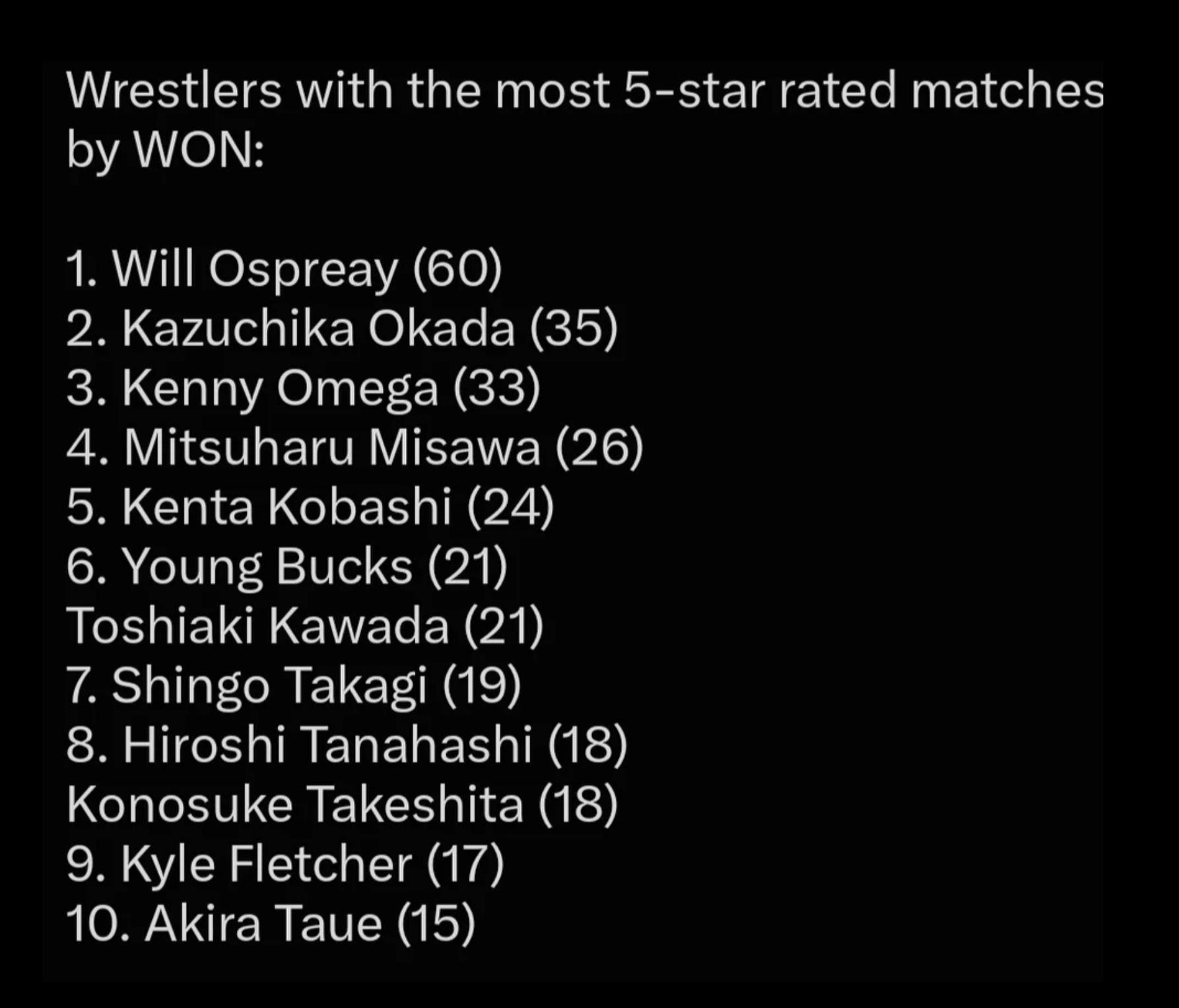
The point being: AEW is hot-shotting all the time. Ridiculous moves, insane gimmick matches, drinking blood, Darby Allen trying to kill himself every week, The Young Bucks trying to define the laws of physics every match. Every match is trying to be this epic 5-star match. And while I believe wrestling can and should be anything it wants to be, I also acknowledge that almost every aspect of AEW’s business model is a recipe for failure.
AEW doesn’t earn its viewers as much as it buys them. Tony Khan is a billionaire who has money to waste. Sure, I’ll admit that AEW’s figures are impressive for a new company. I’ll admit that it built a base better than TNA could ever have. However, if you ask anyone if AEW is making money, and the answer isn’t a slam-dunk yes.
Eventually, a company needs to turn profit. And Khan’s way of doing business isn’t going to turn substantial profits. He throws money around like it’s water. He will give anyone a contract. He doesn’t understand the business side of things like WWE does. WWE sees the future. It has long-term business plans. Khan cannot wait until to give the fans everything they ever wanted time and time again.
Wrestling isn’t meant to just give you what you want all the time. You know, we lived in an era once upon a time where Vince McMahon didn’t want to give fans anything. And despite our grievances about it, WWE turned a massive profit in those years. Of course, there’s a happy medium somewhere. But the fact remains: you need bad to know what good is. Good all the time becomes numbing.
They need to adapt or they will die. There are things that have worked in wrestling that make a company successful. They honestly could be competing with WWE in the ratings right now if they tried mass-appealing and creating an all-encompassing promotion. Tony Khan, however, would have to drop his ego and allowed people who actually know how to run a wrestling promotion, how to develop characters, and write compelling storylines.
That’s where I believe AEW is headed. Its current business model isn’t sustainable over the next 10, 20, or 30 years. Something has to change.
AEW needs to adapt or risk becoming irrelevant. The ingredients for a successful wrestling promotion aren’t exactly a mystery. They could be much more competitive with WWE if they made a genuine effort to appeal to a broader audience and build an all-encompassing wrestling product. But that would require Tony Khan to put his ego aside and allow people who actually understand the business to do their jobs. People who know how to run a wrestling promotion, develop characters, and write compelling stories.
Those are fundamental questions that wrestling needs to answer. AEW too often seems uninterested in answering them.
The promotion has always had its problems, but now it feels like things have really hit the fan. Somehow, AEW has become a hybrid of PWG and CZW, yet with a major cable television deal. You can buy a lot of things in life, but you can’t buy long-term success. Eventually, the money has to make sense. If AEW continues operating this way, the financial realities will catch up with it.
People go to see fireworks once or twice a year for a reason. They’re a spectacle. They’re exciting because they’re occasional. Imagine watching fireworks every single night. Eventually, you’d stop looking up.
That’s AEW’s problem. It’s trying to make every night feel like WrestleMania.
Matches should have a purpose. They should have an objective. Sometimes that objective is to get a wrestler over. Sometimes it’s to establish a character, give someone a boost, advance a storyline, or bring a story to its conclusion. Matches are a vehicle for telling stories. They’re supposed to move things forward.
If your primary objective is to have a five-star match, you’ve reduced the match to an exhibition. A flurry of moves. A collection of increasingly elaborate sequences. A calculated attempt to achieve something that isn’t even a tangible measure of success in the first place. Five stars is an opinion. It means something to certain people, but it doesn’t automatically translate into television viewers, ticket sales, or billions of dollars.
Sure, you can get Dave Meltzer and Scott Keith raving about your matches. You can get a dedicated section of the wrestling audience applauding everything you do. You can even get people who are afraid to criticize the product because they’ve invested so much of their identity in defending it.
But that niche audience isn’t the entire wrestling business.
Being a big fish in a small pond is still being a big fish in a small pond.
When it comes to professional wrestling, I’m about as open-minded as they come. I’ve been covering this business for over two decades, so let’s just say I have a pretty high tolerance for it. I’m not particularly hard to please. I’ll give almost anything a chance. But even I can’t watch AEW anymore.
It’s overwhelming. It’s overkill in just about every sense of the word. And when you combine that with a fanbase that can be downright insufferable, one that seems incapable of having a civil conversation with anyone who dares to disagree, this is what you get.
A cult product for the “sickos.” A niche audience that increasingly seems more interested in defending the promotion than discussing it honestly. Disagreement is treated as an attack, criticism is met with hostility, and any attempt at a reasonable conversation becomes an exercise in frustration.
Everything about it is a giant turn off and a disappointment of what this company could be.