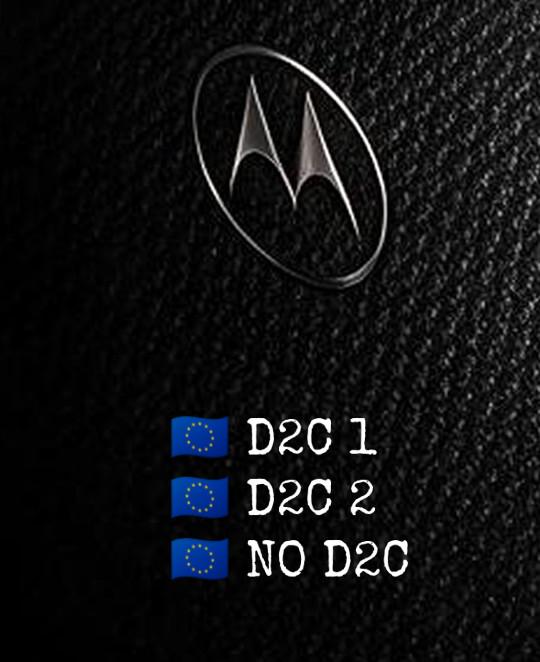
Let's see how it works with the Signature 27. In practice, there are three completely different levels of consumers for Motorola in the EU:
1. Privileged direct-to-consumer (D2C) buyers in large markets with "aggressive" discounts:
They get direct manufacturer coupons (which seemingly reduce the inflated starting price by €300-500), free accessories (headphones, smartwatches, extended warranties), and direct exchange programs.
2. D2C buyers in markets with a lower starting price but weaker benefits:
They get lower recommended retail price on paper, but without significant coupons, so they might end up paying more than someone in the first group who used a promotional code and got additional benefits (which they may not have wanted).
However, consumers in groups 1 and 2 will not fare equally, and that's the problem. But there is another group.
3. Consumers in smaller EU markets:
This is a group that few pay attention to. It's a group of European countries where Motorola does not operate a direct D2C webshop or its website serves only as a localized online catalog, without the ability to order, pre-order, etc. They are at the mercy of the import-trade chain. There is no direct purchase from the manufacturer, no €500 manufacturer discounts, no official gifts with pre-orders, and local retailers often just copy the highest recommended European price and add their own markup.
Why is all this particularly irritating for the customer?
Paper price vs. real price: The MSRP for such brands increasingly serves only as a marketing anchor. They advocate a high price on paper to make the phone look "premium", and then in large markets create a sense of apparent savings by lowering the price with coupons. Where there are no coupons, the customer is left behind because they pay this inflated, "paper" price.
The EU Single Market and How to Get Around the Rules: While EU law generally prohibits unjustified geo-blocking, in practice manufacturer promotions, coupons and free shipping from national online stores (e.g. German or Italian) are still quite effectively limited to addresses within those home countries.
In the end, instead of a transparent system where a top-of-the-line phone costs the same for all EU citizens, we end up with a non-transparent puzzle where the final price and features depend primarily on which country you live in and how interesting the local market is for the sales and logistics department.
* * *
Of course, in just a month or two, prices will drop and everyone will be able to get the device at a significantly lower price. But the bitter taste of the questionable treatment of consumers in one market and the avoidance of meaningful rules and principles when marketing the product still remains.