A former Norfolk police officer improperly used the department’s citywide network of Flock Safety cameras to look for his stolen pet.
Officers accessing data collected through the city’s automated license plate readers sometimes wrote vague or incomplete reasons to support queries. One repeatedly searched for “protestor identification.” And another wrote “la la la la” again and again.
An appeal of a federal lawsuit challenging the city’s use of Flock cameras since 2023 details these incidents and raises questions about the department’s oversight of officers with access to the data.
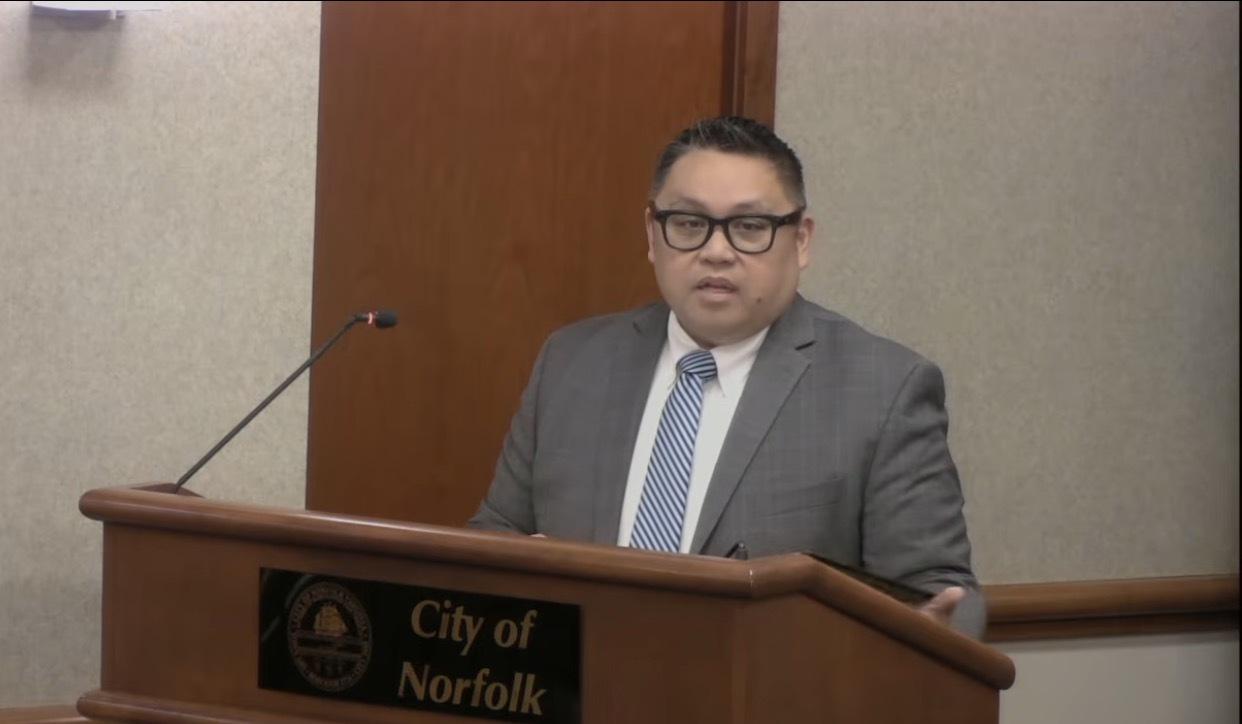
But Norfolk Police Chief Mark Talbot and City Manager Pat Roberts defended the city’s use, saying they’ve tightened up oversight since new state laws took effect in 2025. They are also investigating at least one other possible case of improper use of the surveillance system.
“You’re always going to have those people, the really small percentage of people, that make the rest of us really angry as we try to do our jobs the best we can,” Talbot said. “Fortunately, we’ve learned from them, and we have a more robust process of ensuring they’re not doing those types of things.”
Lawsuit claims little oversight
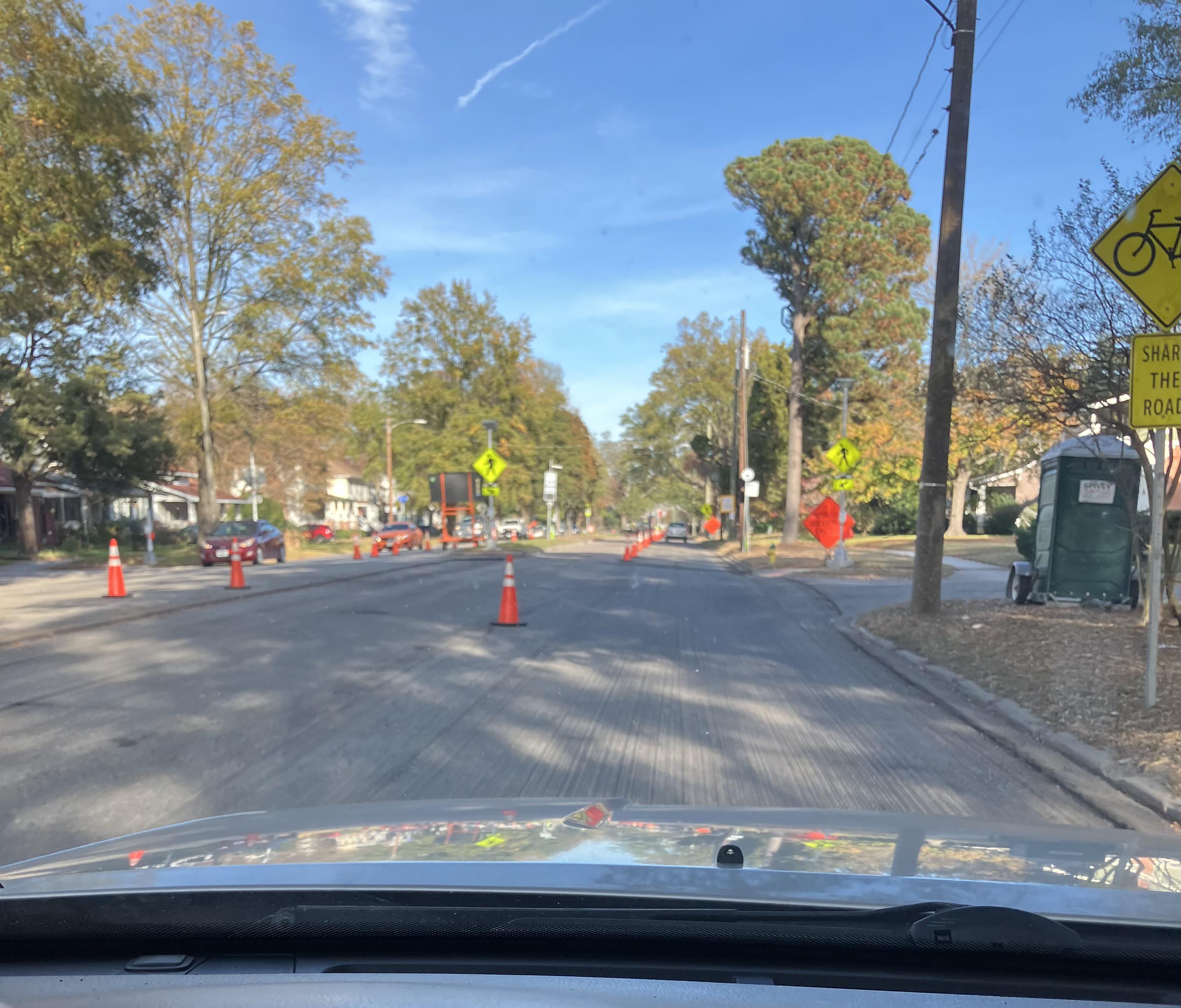
Norfolk police operate 176 Flock cameras. The cameras take pictures of every vehicle that passes, logging information such as the license plate number, vehicle make, body type and color; and features such as bike racks, dents and bumper stickers. Police investigators can then search the Flock database to find out when vehicles passed cameras.
Police say the technology helps them solve crimes faster and acts as a force multiplier — helpful since the Norfolk department has lost dozens of officers in recent years. The department has 502 sworn officers — much fewer than the 757 the department had budgeted for in 2023.
But the cameras have drawn condemnation from privacy advocates. Hampton Roads residents sued the city, claiming the cameras violate Fourth Amendment protections against unreasonable searches. A federal judge ruled this year that Norfolk’s use of the technology did not amount to an unconstitutional invasion of privacy.
The plaintiffs, Lee Schmidt of Norfolk and Crystal Arrington of Portsmouth, have appealed the case to the Richmond-based 4th Circuit Court of Appeals with help from the Institute for Justice, a privacy rights law firm. The case, which has drawn the attention of civil rights organizations and law enforcement agencies from around the country, is expected to be heard in late January.
Click the link above to read more.